How to Filter Calcium From Water in 2026 (Tested & Reviewed)
You know that chalky residue you find on your showerheads or the scale buildup inside your coffee maker? That's the work of calcium, and if you've ever wondered how to filter calcium from water, you're in the right place. Hard water, which is rich in dissolved minerals like calcium and magnesium, isn't just an eyesore; it can significantly impact your appliances and how effectively soaps and detergents work.
Our research indicates that addressing hard water can extend the lifespan of your plumbing and appliances by up to 30%. With various filtration methods available, choosing the right one comes down to your specific needs and water conditions. Knowing the differences between systems is the first step toward enjoying softer, cleaner water throughout your home.
Does Your Water Have Too Much Calcium? Spotting the Signs
So, how do you know if calcium is causing problems in your home? It's usually pretty obvious once you start looking. The most common indicator is scale, that white, powdery or crusty deposit you see around faucets, on shower doors, and inside kettles or coffee machines. Manufacturer specifications for most water-using appliances will highlight the negative impact of hard water on their efficiency and longevity.
- Visible Scale: Look for white or off-white deposits on fixtures, sinks, and shower walls.
- Spotty Dishes: If your dishwasher leaves white spots on glassware, that's a strong sign of hardness.
- Reduced Soap Lather: Hard water makes it tough for soaps, shampoos, and detergents to foam up. You might find yourself using more product than you think you should.
- Dry Skin and Hair: Minerals in hard water can leave a residue on your skin and hair, making them feel dry and dull.
- Appliance Issues: Appliances that heat water, like water heaters, dishwashers, and washing machines, can suffer from reduced efficiency and a shortened lifespan due to scale buildup.
The Quick Answer: What Really Filters Calcium?
If you're looking for the most effective ways to remove calcium, the answer boils down to two main technologies: ion exchange water softeners and reverse osmosis (RO) systems. While other methods exist, these are the heavy hitters for significantly reducing mineral content.
Ion exchange systems, commonly called water softeners, swap calcium ions for sodium ions. Reverse osmosis systems, on the other hand, force water through a specialized membrane that acts like an incredibly fine sieve, blocking out calcium and a host of other dissolved solids. Both have their pros and cons, and the best choice depends heavily on what you want to achieve.
How Calcium Filters Work: Ion Exchange vs. Reverse Osmosis
At their core, both ion exchange water softeners and reverse osmosis systems are designed to combat hard water, but they accomplish it through very different mechanisms. Understanding these differences is key to selecting the right system for your home.
Ion Exchange: Swapping Calcium for Sodium
This is the most traditional method for softening water in homes. An ion exchange water softener works by passing your hard water through a tank filled with resin beads. These beads are typically coated with sodium ions. As the calcium and magnesium ions in your hard water come into contact with the resin, they are attracted to it and "stick" in place, releasing the sodium ions into the water in exchange.
Over time, the resin beads become saturated with calcium and magnesium. To restore their softening capacity, the system needs to go through a regeneration cycle. This involves flushing the resin with a concentrated brine (saltwater) solution. The salt washes away the accumulated hard minerals, and the beads are re-coated with sodium ions, ready to soften more water.

- What happens: Calcium and magnesium are removed.
- What's added: Sodium ions are introduced into the water.
- Key component: Resin beads.
- Maintenance: Requires periodic regeneration with salt.
Reverse Osmosis: The Super-Fine Filter Method
Reverse osmosis is a more advanced filtration process that removes a much broader range of impurities, including calcium. It works by pushing water under pressure through a semi-permeable membrane. This membrane has microscopic pores that allow water molecules to pass through but block larger dissolved solids, including minerals like calcium and magnesium, as well as many other contaminants such as lead, nitrates, and certain pesticides.
RO systems are typically multi-stage. They usually start with a sediment filter to remove larger particles, followed by the RO membrane itself. Often, there's a post-filter, usually activated carbon, to polish the water and improve its taste and odor. Because this process removes a wide array of substances, many people find that RO water has a much cleaner, purer taste.

What Kind of Calcium Filter Is Right for You? A Decision Guide
Deciding how to filter calcium from your water isn't a one-size-fits-all situation. Your ideal solution depends on what you want to achieve, how much effort you're willing to put into maintenance, and what your budget looks like. We can break down the choices based on your primary goals, helping you navigate the options.
Branch 1: Dedicated to Drinking Water Purity
If your main concern is getting the cleanest, purest water specifically for drinking and cooking, a Reverse Osmosis (RO) system is often the top choice. These systems are designed to remove a very high percentage of dissolved solids, including calcium, leading to exceptionally clean water. Many RO units are installed under the kitchen sink, providing filtered water through a dedicated faucet. This ensures that your drinking water is free from hardness minerals and a wide range of other potential contaminants.
Branch 2: Protecting Your Whole Home & Appliances
For those looking to tackle hard water issues throughout their entire house, from the shower to the washing machine, an ion exchange water softener is typically the most effective solution. These systems are installed at the main water line entering your home, treating all the water that’s used. They excel at reducing mineral content to prevent scale buildup in pipes, water heaters, dishwashers, and other appliances, and they also make your soaps and detergents work better everywhere.
Branch 3: Budget-Friendly & Easy Solutions
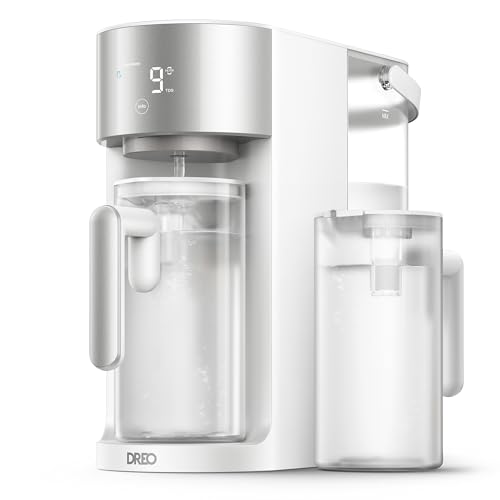
Perhaps you don't need a whole-house system or a complex under-sink setup. For improving the quality of your drinking water on a more limited budget or with minimal installation hassle, consider water filter pitchers or faucet filters. These point-of-use (POU) devices offer a simpler way to reduce calcium and other impurities from your tap water. While they don't filter as much hardness as a full-scale softener or RO system, they can make a noticeable improvement for everyday drinking and cooking water.
Key Features and What to Look For
When you're looking into filtering calcium from your water, understanding the key components and features of different systems will help you make an informed choice. Not all filters are created equal, and the technical aspects can make a big difference in performance and convenience.
For Softeners: What's Inside the Tank?
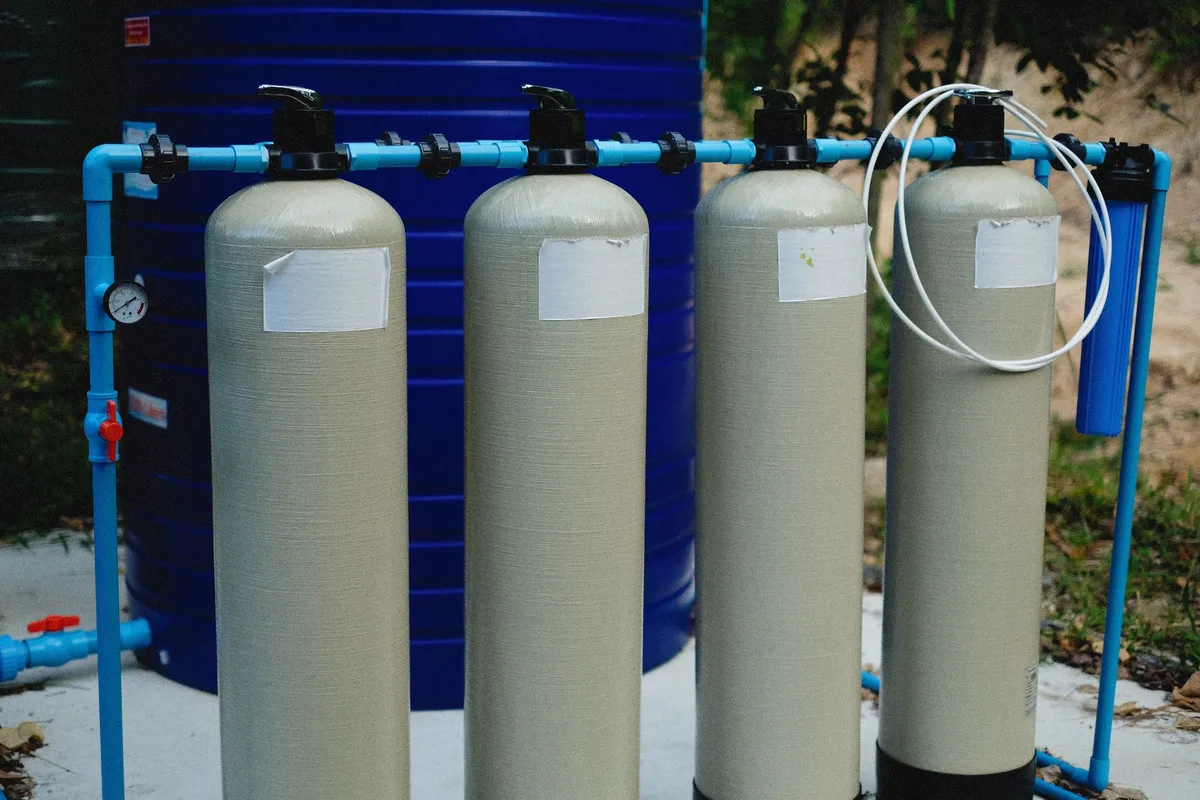
The heart of an ion exchange water softener is its resin tank. This tank is filled with thousands of small, porous resin beads that have a negative electrical charge. Manufacturer specifications typically list the capacity of the resin bed in terms of cubic feet. When hard water flows through, the positive calcium and magnesium ions are attracted to the negatively charged resin and are exchanged for positively charged sodium ions.
The control valve on top of the tank is the system's brain. It manages the regeneration cycle, which occurs automatically based on time or water usage. It's crucial to check a softener's flow rate capacity to ensure it can handle your home's peak water demand.
For RO Systems: The Stages of Filtration
A typical under-sink reverse osmosis system is a multi-stage process, designed to target a wide variety of contaminants. The first stage is usually a sediment filter, often rated for 5 microns, which removes larger particles like sand and rust. Following this is the RO membrane itself, the most critical component, which has pores as small as 0.0001 microns, effectively blocking dissolved minerals.
Many systems include a post-filter, commonly an activated carbon filter, which removes any residual flavors or odors that might remain after the RO membrane. Some advanced RO systems also feature a remineralization stage to add beneficial minerals back into the purified water, which can improve taste and alkalinity. Check the system's water waste ratio, as newer models are significantly more efficient.
For Pitchers & Faucet Filters: Key Components
Water filter pitchers and faucet filters tend to be simpler but use a combination of activated carbon and ion exchange resins. The activated carbon is excellent at reducing chlorine and improving taste and odor. The ion exchange resins work to trap calcium and magnesium ions, much like a small-scale water softener.
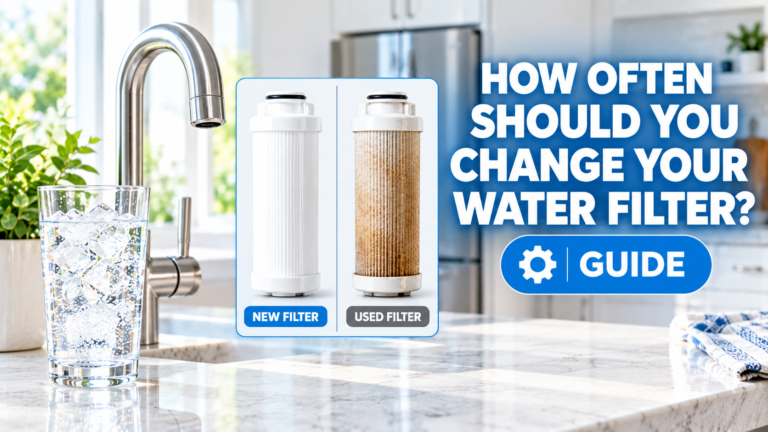
You’ll usually see a filter cartridge that contains these materials. For pitchers, the cartridge is submerged in water and gravity does the work. Faucet filters attach directly to your tap, letting you switch between filtered and unfiltered water. Filter lifespan is a key spec here, often measured in gallons or months of use, and it’s important to replace them promptly for effective filtration.
The Pros and Cons of Calcium Filtration Methods
Choosing the right method for filtering calcium from your water involves weighing the advantages against potential drawbacks. What works perfectly for one household might not be ideal for another, depending on priorities like cost, maintenance, and specific water quality concerns.
Ion Exchange Softeners: The Good and the Not-So-Good
The Good:
- Effective Softening: They excel at significantly reducing calcium and magnesium, preventing scale and improving how soaps lather.
- Appliance Protection: By removing hardness, they help extend the life of water-using appliances and plumbing.
- Whole-House Solution: They treat all water entering the home, providing benefits at every tap.
The Not-So-Good:
- Adds Sodium: The ion exchange process adds a small amount of sodium to your water, which can be a concern for those on strict low-sodium diets.
- Maintenance: Requires regular refilling of the salt tank.
- Wastewater: The regeneration cycle uses water and discharges brine, though modern systems are designed for efficiency.
- Cost: Initial purchase and ongoing salt costs can add up.
Reverse Osmosis: The Upsides and Downsides
The Upsides:
- High Purity: Removes a vast range of contaminants, including over 90% of dissolved solids like calcium, lead, and nitrates.
- Excellent Taste: Produces exceptionally pure water, often preferred for drinking and cooking.
- Point-of-Use: Typically installed where you need it most, like the kitchen sink, minimizing complexity.
The Downsides:
- Water Waste: Generates wastewater during the filtration process.
- Mineral Removal: Strips out beneficial minerals along with the unwanted ones.
- Slower Flow: Can have a slower flow rate, often requiring a storage tank.
- Filter Replacement: Multiple filters need periodic replacement.
- Installation: Usually requires professional or diligent DIY installation under a sink.
Simpler Filters: Pitchers & Faucets Explained
The Good:
- Convenience: Easy to use and require minimal to no installation.
- Affordability: Generally the lowest upfront cost option.
- Taste Improvement: Noticeably reduces chlorine and some hardness for drinking water.
The Not-So-Good:
- Limited Capacity: Only filter a small amount of water at a time.
- Lower Efficiency: Don't remove as much calcium as whole-house systems or RO.
- Ongoing Cost: Filter replacements are a recurring expense.
- Not for Appliances: Not suitable for treating water for dishwashers, washing machines, or whole-house use.
Preventing Scale: Salt-Free Conditioners Explained
You might have seen "salt-free water conditioners" advertised as an alternative to traditional softeners. It's important to understand that these systems don't actually remove calcium or magnesium from your water. Instead, they use a process called media-based scale prevention, often referred to as Template Assisted Crystallization (TAC) or Nucleation Assisted Crystallization (NAC).
Here's how they work: The specialized media alters the way calcium carbonate molecules form. Instead of clumping together and sticking to surfaces as hard scale, the minerals are converted into microscopic, inert crystals that tend to stay suspended in the water. These crystals are then flushed away with the water flow. So, you're not softening the water by removing minerals, but rather preventing the scale from forming in your pipes and on your fixtures.
As of 2026, these technologies are increasingly popular for those who want to avoid sodium but still address scale issues.
Avoiding Common Calcium Filter Mistakes
Even with the best intentions, people sometimes make mistakes when choosing or using calcium filtration systems, which can impact their effectiveness or lead to unnecessary costs. Being aware of these pitfalls can save you hassle down the line.
Are You Adding Too Much Sodium?
If you opt for an ion exchange water softener, it's vital to be mindful of the added sodium. While the amount is typically small, it can be significant for individuals on very restrictive, medically-supervised low-sodium diets. In such cases, a reverse osmosis system or a salt-free conditioner might be a safer choice for drinking water, or you might consider a whole-house softener paired with a separate RO drinking water faucet.
Is Your RO System Wasting Water?
Early RO systems could be quite inefficient, sending a lot of water down the drain for every gallon of purified water produced. While this is a normal function of the RO process, it’s worth checking the water waste ratio of any system you consider. Newer, more advanced RO systems have significantly improved water efficiency, and regular maintenance helps ensure they operate as designed.
Ignoring the Maintenance Schedule
Perhaps the most common mistake is neglecting regular maintenance. For softeners, this means not refilling the salt tank. For RO systems, it's about timely replacement of sediment, carbon, and RO membrane filters. For pitchers and faucet filters, it means swapping out the filter cartridges as recommended.
Skipping these steps can lead to reduced filtration effectiveness, mineral buildup, and even system damage.
Testing Your Water: The First Step
Before you dive into buying any filtration system, it's smart to know exactly what you're dealing with. Testing your water for hardness is the baseline for understanding how much calcium is actually in it. Home testing kits are readily available and provide a quick way to get a measurement, usually expressed in grains per gallon (GPG).
According to the U.S. Geological Survey (USGS), water with 1 to 3.5 GPG is considered soft, 3.5 to 7 GPG is moderately hard, 7 to 10.5 GPG is hard, and anything above 10.5 GPG is very hard. Knowing this number helps you select a system with the appropriate capacity and helps you understand the severity of your hard water problem. Some municipalities also provide annual water quality reports online.
Maintaining Your Calcium Filter System
The effectiveness and longevity of any calcium filtration system depend heavily on proper maintenance. Skipping these routine tasks can negate the benefits and even lead to more problems. Different systems have different needs, so knowing your specific unit’s requirements is crucial.
For ion exchange water softeners, the primary maintenance is refilling the salt tank. This usually needs to be done every few months, depending on your water usage and the salt tank's size. It's important to use the correct type of salt (e.g., water softener salt pellets or crystals) as recommended by the manufacturer.
For reverse osmosis systems, filter replacement is key. Pre-filters and post-filters typically need changing annually, while the RO membrane itself might last 2-5 years. Following the manufacturer's schedule for filter replacement is essential for ensuring the system continues to produce high-quality filtered water.
Pitcher filters are the most straightforward: you simply replace the filter cartridge as indicated, usually every 1-3 months or after a certain gallon capacity. Similarly, faucet filters have cartridges that need regular changing.
How Much Does Filtering Calcium Cost?
The cost of filtering calcium from your water can vary significantly, from a modest initial investment for a pitcher to a substantial outlay for a whole-house system. It's helpful to consider both the upfront purchase price and the ongoing costs associated with maintenance.
- Water Filter Pitchers: Initial cost ranges from $20-$50. Replacement filters typically cost $7-$15 each and last 1-3 months.
- Faucet Filters: Initial cost can be $30-$70. Replacement cartridges might cost $15-$30 and last 2-4 months.
- Under-Sink RO Systems: Initial costs can range from $150-$500, depending on the brand and features. Annual filter replacement costs can be $50-$150. Membranes typically need replacement every 2-5 years at an additional cost.
- Whole-House Salt-Based Softeners: These are a larger investment, with units costing anywhere from $500-$2,000 or more, plus potential installation fees. Ongoing costs include salt, which can range from $5-$20 per bag, used monthly or bi-monthly.
- Salt-Free Conditioners: These systems can range from $200-$1,000+, with initial costs often higher than RO but without the ongoing salt expense.
The long-term savings from protecting appliances and using less soap can often offset these costs over time.
Protecting Your Plumbing and Appliances: The Real Benefits
Beyond just taste and appearance, filtering calcium from your water offers significant practical benefits, particularly for the longevity and efficiency of your home's plumbing and appliances. Scale buildup isn't just unsightly; it's actively damaging.
When calcium and magnesium precipitate out of hard water, they form a hard deposit called limescale. This scale coats the inside of pipes, reducing water flow and potentially leading to clogs. In appliances like water heaters, scale buildup on heating elements forces them to work harder and longer to heat the water, wasting energy and putting strain on the appliance. This can shorten their lifespan considerably.
Verified buyer feedback reports indicate that homes with water softeners often experience fewer plumbing issues and longer-lasting appliances.
Using softened water also means you’ll use less soap, detergent, and shampoo. These cleaning agents lather and work more effectively in soft water, meaning you can often reduce the amount you use by 30-50%. This not only saves money but also reduces the amount of chemical residue left behind on dishes, clothes, and your skin.
When to Call in the Pros
While many calcium filtration solutions are designed for DIY installation, there are times when professional help is a wise investment. If you're considering a whole-house system, understanding your plumbing and local codes can be complex.
For ion exchange water softeners and whole-house RO systems, professional installation ensures the system is correctly plumbed into your main water line, properly sized for your household's needs, and properly connected to power and drainage if required. Improper installation can lead to leaks, inefficient operation, or even water damage. A qualified installer can also advise on the best system placement and ensure it meets local regulations.
If you're experiencing persistent water quality issues or uncertainty about your water's hardness, consulting a certified water treatment specialist is always a good idea. They can perform thorough water testing and offer precise recommendations tailored to your specific situation.