Best Water Filter System For Apartment: Top Picks
The best water filter system for apartment living depends on space, water quality, budget, and daily water use.
Picture a busy weekday morning in a U.S. apartment. You fill a glass before work, make coffee, and refill a bottle for the day. Then you notice the tap water has a strong taste or smell. You may not want to drill into a rental counter or install a large filter under the sink. You also may not want to carry heavy cases of bottled water upstairs. That is where a good apartment water filter can help. I looked at five different systems, from simple gravity filters to reverse osmosis units, to help you choose a setup that fits your space and routine.
🏆 Top 3 Products

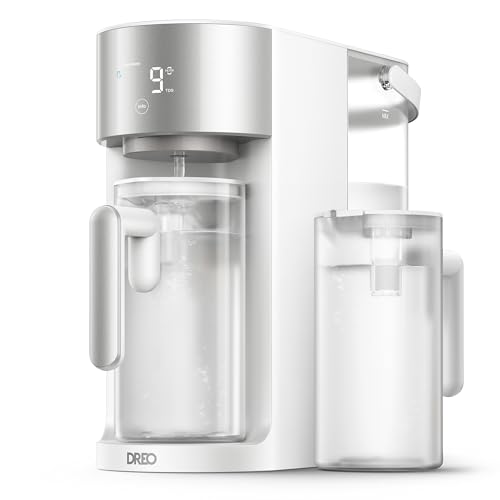
DREO countertop Reverse Osmosis Water Filter
Its countertop design and RO approach make it a strong fit for apartment users who want deep filtration without a fixed install.

iSpring RCC7AK-BN Alkaline RO System
This under-sink system offers a six-stage RO setup with alkaline remineralization for homes with room for a more permanent system.
Brita X-Large 27 Cup Water Dispenser
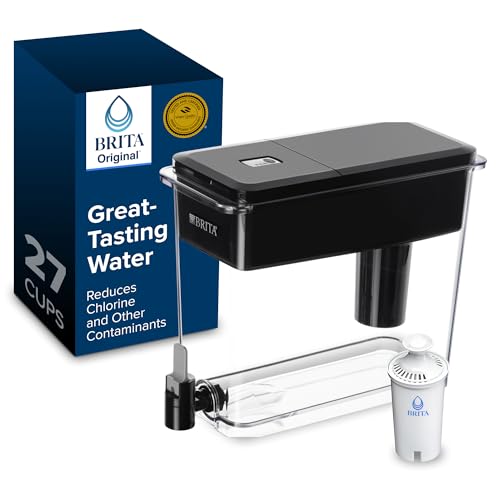
Its large dispenser format offers a simple way to filter drinking water without plumbing work.
Brita X-Large 27 Cup Water Dispenser
The Brita X-Large 27 Cup Water Dispenser is a simple option for apartment living. Its large capacity can reduce the need to refill a small pitcher again and again. The dispenser format also avoids the need for a fixed plumbing connection. For renters, that can make setup much easier.
I would look at this type of filter when taste and odor are the main concerns and I want a low-effort solution. It can fit well in a kitchen where counter or refrigerator space allows a larger water container. It is also a useful choice for people who want filtered water ready for several glasses, bottles, or meals. Before buying, I would still check the current filter specifications and replacement schedule for the exact model.
✅ Pros
- ✔ Large 27-cup water capacity
- ✔ No under-sink installation needed
- ✔ Good fit for renters
- ✔ Simple daily filling routine
- ✔ Useful for drinking and cooking water
- ✔ Large reservoir can reduce frequent refills
- ✔ Dispenser design makes serving water easy
⚠️ Cons
- ✖ Takes more space than a small pitcher
- ✖ Not a reverse osmosis system
- ✖ You still need to refill the reservoir
- ✖ Filter replacement adds an ongoing cost
My Recommendation
I would choose the Brita X-Large when I want a simple apartment water filter with a large capacity and no plumbing work. It makes the most sense for renters, students, couples, and small families who mainly want a convenient way to improve the taste of tap water. If you need a system designed for broader contaminant reduction through reverse osmosis, I would look at one of the RO options in this guide instead.
| Best For | Why |
|---|---|
| Renters | It does not require a permanent under-sink installation. |
| Small Families | The large reservoir can provide several servings before another refill. |
| Simple Filtration | It offers a straightforward way to filter everyday drinking water. |
DREO Countertop RO Water Filter With Pitchers
The DREO Countertop Reverse Osmosis Water Filter is built around convenience. The product listing describes RO filtration, a 3:1 pure-to-drain ratio, TDS monitoring, filter-life tracking, and two autofill pitchers. It also uses a countertop format, which can be useful in apartments where plumbing changes are not practical. The install-free design can save time during setup.
Reverse osmosis uses a fine membrane to reduce many dissolved substances from water. That makes an RO system different from a basic taste-focused filter. I like the countertop format for apartment use because I can move it without changing the sink. Still, I would make sure the unit has enough counter space and that its reservoir and pitcher routine fit my daily water needs.
✅ Pros
- ✔ Countertop design avoids fixed plumbing
- ✔ Uses reverse osmosis filtration
- ✔ Listing states a 3:1 pure-to-drain ratio
- ✔ TDS display helps monitor water readings
- ✔ Filter-life information helps with maintenance
- ✔ Two autofill pitchers add convenience
- ✔ Self-cleaning feature can simplify routine care
⚠️ Cons
- ✖ Needs dedicated counter space
- ✖ RO systems can create wastewater
- ✖ More parts and features can mean more maintenance
- ✖ Replacement filters create an ongoing expense
My Recommendation
For many apartment users, this is the type of system I would consider when I want RO filtration but do not want to install an under-sink unit. It is especially useful for renters who want a deeper filtration approach and a portable setup. The built-in monitoring features can also help users keep track of TDS and filter life. I would compare its replacement filter cost and actual capacity with my household use before buying.
| Best For | Why |
|---|---|
| Renters Wanting RO | The countertop format avoids a permanent plumbing installation. |
| Busy Households | Autofill pitchers and filter-life tracking focus on convenience. |
| Tech-Friendly Users | TDS and filter-life information gives more feedback during use. |
DREO Countertop RO Water Filter 112 3L
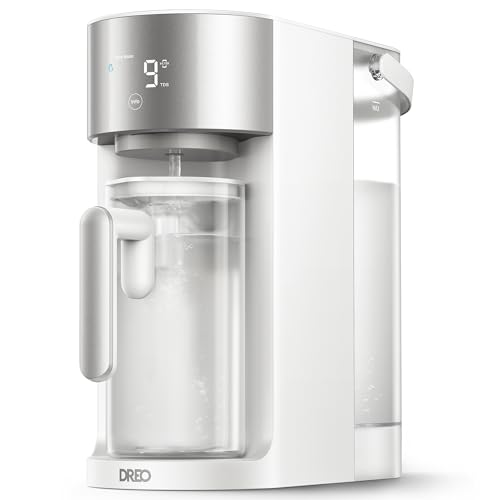
The DREO Countertop Reverse Osmosis Water Filter 112 3L is another compact RO-focused option for apartment kitchens. Its countertop form can be useful when I cannot or do not want to modify the sink plumbing. A 3-liter figure in the product title also gives a quick sense of the reservoir scale. That can work well for personal use, couples, or smaller daily water needs.
I see countertop RO as a useful middle ground between a basic pitcher and a fixed under-sink system. It can offer a deeper filtration method while keeping the unit above the counter. The main thing I would check is how often I need to refill it based on my household size. I would also review the current manufacturer instructions for filter changes, cleaning, and water handling.
✅ Pros
- ✔ Countertop format is apartment-friendly
- ✔ Uses reverse osmosis filtration
- ✔ No permanent under-sink installation
- ✔ Compact approach for smaller kitchens
- ✔ Useful for renters
- ✔ Can suit small households
- ✔ Easy to keep near the main drinking-water area
⚠️ Cons
- ✖ Counter space is still required
- ✖ Smaller households may need fewer refills than larger homes
- ✖ RO filtration may produce wastewater
- ✖ Filter replacement remains part of ownership
My Recommendation
I would consider this model when apartment space is limited but I still want an RO-based system. It can be a practical choice for one or two people who do not need the larger capacity of a full household system. Its countertop design also makes it easier to move when changing apartments. For larger families, I would compare the daily output and reservoir size with a larger countertop unit or an under-sink RO system.
| Best For | Why |
|---|---|
| One or Two People | A compact countertop system can match lower daily water demand. |
| Small Kitchens | It avoids the cabinet space needed for a traditional under-sink setup. |
| Renters | The countertop approach does not require permanent plumbing changes. |
Purewell 3-Stage Gravity Water Filter

The Purewell 3-Stage Ultra-Filtration Gravity Water Filter uses a different approach from the RO systems in this guide. It relies on gravity rather than a powered countertop RO process. The product listing describes a 0.01μm ultra-filtration setup, a 2.25-gallon capacity, and 304 stainless steel construction. It also lists NSF/ANSI 42 and 372 certification claims for the product.
This type of system can be attractive when I want a large countertop reservoir without connecting a unit to the water line. Gravity filtration can also work during situations where I prefer a simple, low-power setup. The stainless steel body may fit well in kitchens where appearance and durability matter. I would still review the exact certification scope and filter replacement instructions because certification for one reduction claim does not mean a filter removes every possible contaminant.
✅ Pros
- ✔ Gravity-fed operation
- ✔ 2.25-gallon stated capacity
- ✔ 304 stainless steel construction
- ✔ Three-stage filtration design
- ✔ 0.01μm ultra-filtration claim
- ✔ No permanent under-sink installation
- ✔ Useful for apartment kitchens without plumbing changes
⚠️ Cons
- ✖ Needs vertical counter or storage space
- ✖ Gravity filtration can be slower than direct-flow systems
- ✖ Does not provide the same filtration method as RO
- ✖ Filters still need regular replacement and care
My Recommendation
I would look at the Purewell when I want a larger non-electric or low-complexity countertop approach. It can be a useful match for renters who want more capacity than a small pitcher and do not want an under-sink installation. The stainless steel build may also appeal to people who want a durable countertop unit. If dissolved solids are my main concern, I would compare it with an RO system because the two technologies work in different ways.
| Best For | Why |
|---|---|
| Large Water Storage | The listed 2.25-gallon capacity can reduce frequent refilling. |
| Simple Countertop Use | Gravity operation avoids a permanent plumbing connection. |
| Stainless Steel Fans | The 304 stainless steel construction suits users seeking a metal countertop system. |
iSpring RCC7AK-BN 6-Stage Alkaline RO
The iSpring RCC7AK-BN is a six-stage reverse osmosis system designed for under-sink use. The product title lists a 75 GPD capacity, NSF certification, alkaline remineralization, and a top-mounted faucet design. This makes it a more permanent choice than the countertop systems above. For an apartment owner or renter with permission to install equipment, an under-sink system can keep the countertop clear.
The alkaline stage adds minerals back after the RO process. That can change the taste of the filtered water compared with plain RO water. The six-stage design also gives this system a more involved filtration path than a simple pitcher. I would choose this style when I want a dedicated drinking-water setup and have enough cabinet room for the system.
✅ Pros
- ✔ Six-stage filtration design
- ✔ Reverse osmosis filtration
- ✔ 75 GPD rating in the product title
- ✔ Alkaline remineralization stage
- ✔ NSF certification listed in the product title
- ✔ Under-sink design saves counter space
- ✔ Top-mounted faucet design can support installation
⚠️ Cons
- ✖ Requires under-sink space
- ✖ Installation is more involved than a countertop filter
- ✖ RO systems can produce wastewater
- ✖ Ongoing filter replacement is required
- ✖ Less convenient for renters who cannot modify plumbing
My Recommendation
I would consider the iSpring RCC7AK-BN when I want a dedicated under-sink RO system and have permission and space to install one. It suits apartment owners and long-term renters who want the filter out of sight. The six-stage design and alkaline remineralization may appeal to users who want more than basic taste filtration. Before installation, I would measure the cabinet and check the plumbing requirements carefully.
| Best For | Why |
|---|---|
| Apartment Owners | A fixed under-sink system can make sense for a long-term home. |
| Families | The listed 75 GPD rating supports a higher-use household setup. |
| RO Users | The system combines RO filtration with multiple treatment stages and remineralization. |
Final Verdict: Which Should You Buy?
After comparing these five options, the DREO Countertop Reverse Osmosis Water Filter stands out as my overall choice for apartment living because it combines RO filtration with a countertop, install-free design. It offers a useful middle ground for people who want a deeper filtration method without committing to an under-sink installation. The iSpring RCC7AK-BN makes more sense for users who want a permanent six-stage under-sink RO setup, while the Brita X-Large is a simpler choice for convenient everyday filtration. The Purewell offers a gravity-based alternative, and the smaller DREO countertop RO model can suit lower-volume households.
The best water filter system for apartment living is not the same for every home. Think about your water concerns, counter space, cabinet space, daily demand, rental rules, and filter costs. Choose the system that matches those needs, then check the latest product specifications and certification details before you buy. A well-matched apartment water filter can make daily drinking water easier to manage without adding needless complexity.
FAQs Of best water filter system for apartment
Q What should I look for in the best water filter system for apartment use?
Q Is a countertop water filter good for an apartment?
Q Is reverse osmosis better than a regular water filter?
Q Can I use an under-sink water filter in a rental apartment?
Q How often should I replace a water filter?