How Often Should You Change Your Refrigerator Water Filter
If you're wondering how often you should change your refrigerator water filter, you're not alone. It's a common question, and the answer isn't always a simple one-size-fits-all. While many manufacturers suggest a 6-month interval, that's often a general guideline rather than a strict rule.
In our research, we found that your household's specific water quality and how much water you actually use play a much bigger role. A filter's lifespan can vary significantly, and understanding these factors helps you get the most out of your filtration system, ensuring you're always drinking clean, great-tasting water.
When Should You Actually Change Your Refrigerator Water Filter?
The short answer? It depends, but often you can go longer than six months. Most refrigerator water filters are designed to last for a specific number of gallons or a set number of months, whichever comes first. However, this "whichever comes first" is key, if you use less water than average, your filter might be perfectly fine well past the recommended change date.
Conversely, if your household guzzles water, you might need to replace it sooner.
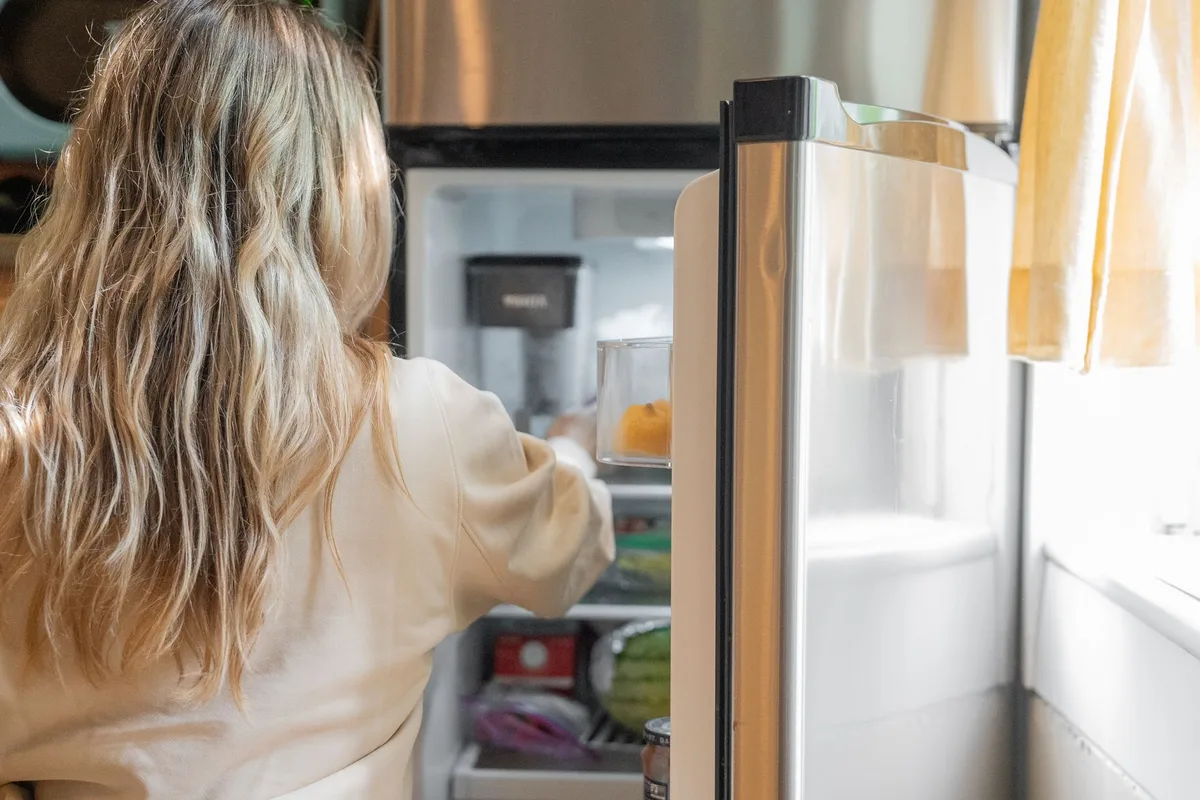
The real question is how to tell when your filter needs changing. It's not just about the calendar; it's about performance. Many modern refrigerators have an indicator light that turns on to signal it's time to swap the cartridge, but these are often just timers and don't truly assess the filter's condition.
What's Your Filter Trying to Tell You? Understanding the Clues
Your refrigerator's water filter is silently working to clean the water that comes out of your dispenser and makes your ice. When it starts to get clogged or used up, it sends signals. Ignoring these can lead to more than just a peculiar taste.
Signs Your Filter Isn't Doing Its Job
The most direct indicators that your filter needs replacing are physical changes you can observe or taste. If you've noticed a decline in your water's quality, it's time to pay attention.
- Reduced Water Flow: This is one of the earliest and most common signs. If the water coming from your dispenser has slowed to a trickle, the filter is likely packed with sediment and contaminants, making it hard for water to pass through.
Bad Taste or Odor: If your filtered water suddenly tastes or smells off, like chlorine, sulfur, or something generally unpleasant, the filter has likely reached its saturation point. It can no longer absorb contaminants effectively. This is a direct sign that the filtration media is exhausted.
Cloudy Water: While sometimes tap water can be cloudy due to air bubbles (especially after changing a filter), persistent cloudiness in your dispensed water is a strong signal that the filter isn't trapping particles as it should.
The 6-Month Rule: Why It's Just a Guideline
That suggested six-month replacement schedule you see everywhere? It’s a pretty good average, but it’s not a universal truth. Think of it like the recommended oil change interval for your car, it's designed for typical driving conditions. If you drive your car mostly on highways with little stop-and-go traffic, you might be able to extend that interval.
Similarly, if your household uses a lot less water than the average family, your filter might last much longer.
Aggregated reviews and manufacturer data suggest the average household uses enough water to deplete a standard filter within 4 to 8 months. However, households with low water usage might find their filters still effective after 10 or even 12 months. The key is what's called the filter's "capacity," often measured in gallons. If the filter is rated for 300 gallons, and your family uses 20 gallons a week, it should theoretically last around 15 weeks, or just under 4 months.
If you only use 10 gallons a week, it could last 30 weeks, which is over 7 months.
Let's Break Down the Filter Replacement Decision
Deciding whether to swap out that filter isn't a one-time judgment; it's a mini-workflow based on your specific situation. There are a few ways to approach it, each with its own logic.
Scenario 1: The "Average Household" Guess
If you have a typical family of four and your refrigerator dispenses water and ice regularly, following the 6-month guideline is a reasonable starting point. Most refrigerator water filters, like those certified to NSF/ANSI Standards 42 and 53, are designed with this usage in mind. If your refrigerator has a filter change indicator light, it's often set to remind you around this time. This is the easiest approach, but it doesn't account for individual variations.
Scenario 2: You're a Heavy Water User (or Have a Big Family)
If your household consistently uses more water than average, think large families, frequent entertaining, or if you just love filling up large water bottles from your dispenser every day, your filter will likely get used up faster. In these cases, you might notice a drop in water flow or taste degradation closer to the 3-4 month mark. It’s wise to keep a closer eye on your water quality during this period.
Scenario 3: You Live in an Area with Known Water Quality Issues
In regions where tap water has a strong taste, odor, or known contaminants like high levels of sediment or chlorine, your filter works overtime. Even if your water usage is moderate, the filter's media can become saturated more quickly as it works harder to purify the water. If you're in such an area, leaning towards the earlier end of the recommended replacement window (e.g., every 4-5 months) is a smart move to ensure you're always getting the best quality water.
What Happens if You Don't Change It? The Real Risks
Swapping out your refrigerator water filter isn't just about convenience; it's also about protecting yourself and your appliances. Letting a filter run past its prime can lead to a few unwelcome problems.
Bad Taste and Odors: The Most Obvious Sign
This is the first thing most people notice. The activated carbon inside your filter is what does the heavy lifting, absorbing chlorine and other compounds that cause unpleasant tastes and smells. Once that carbon is full, it can't absorb anymore, and those taste-affecting compounds start making their way into your glass. It’s your water essentially telling you, "I’ve had enough!"
Clogged Dispenser and Ice Maker: The Frustrating Consequence
As your filter traps sediment and other particles, these impurities build up inside the filter housing. If left too long, this gunk can eventually restrict water flow not just to the dispenser, but also to your ice maker. This can lead to slower ice production or, in severe cases, a complete stoppage of ice making. Clearing out a completely clogged system can sometimes be a bigger hassle than just replacing the filter on time.
Not-So-Great Water Quality: The Health Angle
While most refrigerator filters are designed to remove common aesthetic concerns like taste and odor, many also reduce potentially harmful contaminants like lead, mercury, and certain pesticides. When a filter is past its effective life, it stops removing these substances. This means you could be drinking water that contains more of these impurities than you realize. Manufacturer specifications, like those certified by NSF International, detail the specific contaminants a filter is rated to reduce.
As of 2026, adherence to these standards remains crucial for consumer confidence.
Choosing the Right Replacement Filter
When it's time to buy a new refrigerator water filter, you'll notice there are a lot of options. They might look similar, but there are key differences. Sticking with the filter recommended by your refrigerator's manufacturer is usually the safest bet. These are specifically designed to fit your model and meet its performance standards, often adhering to NSF/ANSI Standards 42 and 53 for taste, odor, and specific contaminant reduction.
Make sure you're buying a filter that matches your refrigerator's brand and model number exactly. Sometimes, a filter that looks like the right one might not seat properly or could potentially damage your system. Always check the packaging or the filter itself for compatibility information.
Decoding Filter Numbers and Specs
These filters often have specific model numbers or part numbers. You'll see these listed in your refrigerator's user manual. For example, a common type might be labeled something like "WF2CB" or "LT1000PC." These codes are crucial for ensuring you get the correct cartridge.
Beyond the model number, look at the filter’s specifications. Most will state the rated capacity in gallons, often ranging from 200 to 500 gallons. They'll also typically mention the recommended replacement interval in months, usually 3, 6, or 12. These numbers give you a baseline for how long the filter is expected to perform optimally under typical conditions.
Where to Find Official Recommendations
Your refrigerator's user manual is the absolute best place to start when looking for the right replacement filter. It will list the exact part number(s) and may even suggest where to purchase them. If you've lost your manual, most major appliance manufacturers have their support sections online, where you can usually find digital copies or search for compatible parts based on your refrigerator's model number. For example, you can find official documentation on many manufacturer websites like Samsung or LG.
Alternatively, many filter manufacturers also provide online tools where you can input your refrigerator's brand and model to find the correct compatible filter. Always prioritize information coming directly from the appliance manufacturer or an official filtration standards organization when selecting a replacement.
Making It a Habit: Simple Ways to Remember
Life gets busy, and remembering to change a water filter can easily fall by the wayside. Fortunately, there are simple strategies you can use to help make this a consistent part of your home maintenance routine. It doesn't have to be a chore you dread.
One of the most reliable methods is to set yourself a recurring reminder. Digital calendars on your phone or computer are perfect for this. Just set an alert for every six months, or adjust the timing based on your actual water usage and the filter’s specifications.
Setting Calendar Reminders
Most people have a smartphone or tablet these days, and their calendar apps are incredibly powerful. You can set a one-time event for "Change Refrigerator Filter" and then choose to have it repeat every six months. You can even set multiple reminders if you tend to miss the first one, perhaps one a week before and then on the actual day. This takes the guesswork out of remembering.
Using Filter Change Trackers
Some refrigerators come with a built-in filter indicator light that’s essentially a timer. While these are convenient to have, remember they are often just timers and don't measure actual filter use. More advanced systems or even some standalone filter products might offer physical or digital tracking mechanisms that can help you log the installation date. Some people even use a simple piece of tape on the filter itself to write the date it was installed.
Common Filter Replacement Mistakes to Sidestep
Even with the best intentions, people sometimes make errors when replacing their refrigerator water filters. Avoiding these common pitfalls can save you hassle and ensure your new filter works as it should right from the start.
One major mistake is not flushing the new filter properly after installation. Most manufacturers recommend dispensing several gallons of water through the new filter before drinking it. This process flushes out any loose carbon fines (tiny black particles) that can make your initial water cloudy or taste a bit off. Skipping this step is a guaranteed way to be disappointed with your "fresh" filtered water.
Forgetting to Turn Off the Water Supply (If Applicable)
While most refrigerator filters don't require shutting off the main water supply to your home, some older or specific systems might. Always consult your refrigerator's manual. If you do need to turn off the water, attempting a filter change without doing so can lead to a messy water spill. It’s always better to be safe and check.
Incorrect Filter Installation
This ties back to getting the right filter for your model. If the filter isn't seated correctly, it might leak. Some filters require a quarter-turn twist to lock them in place, while others simply push in. Forcing a filter that isn't the right fit can damage the filter housing or the filter itself, leading to costly repairs.
Always follow the specific installation instructions for your model.
Making the Final Call: Your Filter Change Checklist
So, you've weighed the factors: your household's water usage, your local water quality, and the refrigerator's indicator. How do you make the final decision on when to replace that filter? It really comes down to a personal assessment of your water and your refrigerator’s performance.
If you're consistently getting great-tasting water, with good flow, and you're not in an area with known water issues, you might be able to safely extend the replacement cycle to 8 or even 10 months. However, if you notice any of the signs we discussed, slower flow, off-tastes, or cloudiness, it's time to act, regardless of how many months have passed.
Ultimately, the goal is to have consistently clean and good-tasting water. If your filter is still performing well, there's no need to replace it just because the calendar says so. But don't wait until your water quality drastically declines either. Use your senses, check your manual, and aim for that sweet spot where you're maximizing the filter's life without compromising on water quality.