How Long Does an Rv Water Filter Last in 2026 (Expert Picks)
So, you're probably wondering how long that RV water filter is really good for, right? It's a common question, and honestly, there's no single magic number that fits everyone. Think of it like this: if you're asking how long a car tire lasts, it really depends on how much you drive, what roads you're on, and how you maintain them. RV water filters are pretty similar.
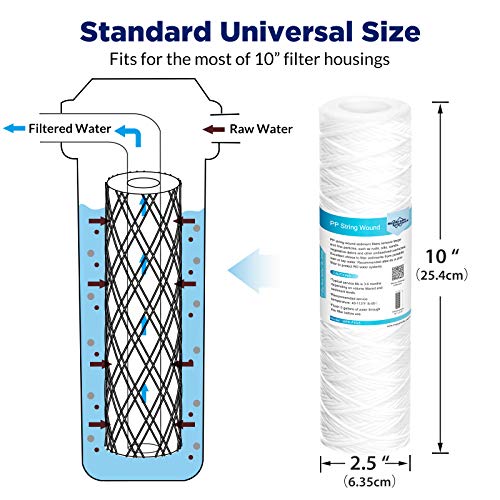
Most folks think it's just about time, like "I need to change it every six months." And yeah, that's a starting point, but it's not the whole story. The real answer boils down to a few key things that are happening inside that filter. As of 2026, manufacturer specifications for common RV water filters often cite a lifespan ranging from 3 to 12 months or up to 1,000 to 5,000 gallons, whichever comes first. Understanding what influences these numbers is key to getting the most out of your filter.
The Real Answer: It's Not Just About the Calendar
For an RV water filter, the lifespan isn't a fixed date. It's a dynamic measure heavily influenced by what and how much you filter. This means if you're only using your RV occasionally, the filter might last its maximum recommended time. However, if you're living full-time in your RV or frequently camping in areas with poorer water quality, you'll likely need to replace it much sooner than the calendar suggests.
It's All About What's Going In
Your RV water filter is working hard to clean the water you're drinking, cooking with, and even showering in. And what's in that water? That's the biggest factor.
- Water Quality: If you're filling up your RV's fresh water tank from a municipal source that's already pretty clean, your filter won't have to work as hard. But if you're getting water from a well, an older campground spigot, or somewhere you're not totally sure about the quality, your filter is going to grab more sediment and impurities. The dirtier the source water, the faster the filter gets clogged.
- Usage: How much water are you actually using? A solo traveler who sips water and takes short showers will get way more mileage out of a filter than a family of four who runs the dishwasher daily and enjoys long, hot showers.
Understanding Your Filter's Lifespan: Key Factors
To get a good handle on how long your RV water filter will actually perform well, you need to look beyond the packaging date. Several variables play a significant role in its effectiveness and when it's time for a replacement.
Water Quality: Your Filter's Biggest Challenge
The source of your RV's water supply directly impacts how hard your filter has to work. Municipal water sources, while generally treated, can still contain sediment, chlorine, and other compounds that a filter must remove. In contrast, campground spigots or wells might have higher levels of sediment, minerals, rust, or even biological contaminants. The more impurities your filter is tasked with capturing, the more quickly its filtering media becomes saturated and less effective.
This means water that looks clear might still contain dissolved solids that tax the filter.
Usage: How Much Water Are You Actually Using?
The volume of water passing through your filter is a primary determinant of its lifespan. Think about the daily demands on your RV's water system: drinking, cooking, washing dishes, flushing toilets, and showering. A single individual might use significantly less water per day than a family of four. Manufacturer specifications often provide a gallon capacity, which is a more accurate metric than time alone for users who track their water consumption diligently.
For example, a filter rated for 1,000 gallons will reach its capacity faster with higher daily usage.
What the Manufacturers Tell You: Gallons vs. Time
When you buy an RV water filter, it typically comes with guidelines from the manufacturer. These are helpful benchmarks, but it’s important to understand what they represent and how they apply to your specific situation.
Gallons Filtered: The Performance Benchmark
Many RV water filters are rated by the total volume of water they can effectively filter before needing replacement. This is often expressed in gallons, for example, 500, 1,000, or even more. This metric is based on laboratory testing under specific conditions to determine when the filter media is saturated or breakthrough of contaminants begins. If you can estimate your RV's daily water consumption, you can calculate an approximate usage-based replacement timeline.
For example, if a filter is rated for 1,000 gallons and you use 50 gallons per day, you'd theoretically expect it to last about 20 days of continuous use.
Timeframe Estimates: The Safety Net
Alongside gallon ratings, manufacturers usually provide a recommended replacement interval, such as every 6 months or annually. This timeframe acts as a general guideline, especially for those who don't use their RV frequently or can't accurately track water usage. Over time, even without heavy use, filter media can degrade, or stagnant water within the filter can become a breeding ground for bacteria, reducing its effectiveness and potentially impacting water quality. This timed replacement ensures you're not using an expired or compromised filter.
Signs Your RV Water Filter Needs Replacing
Sometimes, your filter will start showing clear symptoms that it's time for a swap, even if you haven't officially hit a mileage count or a calendar date. Paying attention to these signals can prevent you from drinking or using compromised water.
Slow Water Flow: The Most Common Clue
One of the most immediate signs that your RV water filter is clogged is a noticeable decrease in water pressure and flow rate. When the filter media becomes saturated with sediment and impurities, it restricts the passage of water. If your faucet starts to trickle, your shower pressure drops significantly, or it takes much longer to fill a pot, it’s highly likely that your filter is the culprit. This restriction means the filter is still capturing contaminants, but it's working harder and making your water system less convenient to use.
Instead of just suffering through low pressure, consider this a clear signal that the filter has done its job for the time being and needs replacing to restore optimal flow. This is particularly noticeable if the reduction in pressure is sudden or happens quickly after a water fill-up.
Changed Taste or Smell: Your Water's Warning Signs
If your drinking water suddenly develops an off-flavor or an unpleasant odor, it’s a strong indication that your water filter is no longer functioning effectively. Filters are designed to remove chlorine, sulfur compounds, and other substances that affect taste and smell. When these contaminants start to come through, the filter media is likely exhausted, bypassed, or degraded. This is a critical sign because the primary purpose of the filter is to improve the palatability and safety of your water.
A musty, metallic, or rotten-egg smell, or a flat, chemical, or bitter taste, are usually the first indicators that the filter's adsorption capabilities have been overwhelmed.
Visible Sediment: A Red Flag
The most alarming sign that your RV water filter needs immediate replacement is the appearance of visible sediment in your water. This means the filter has reached its capacity and is no longer effectively trapping particles like sand, rust, or other debris. Letting this continue can not only make your water unappealing but can also introduce unwanted contaminants into your RV's plumbing system and potentially into your drinking water. If you see grit or discoloration in your water, it's a definitive signal to swap out the filter.
This often happens if you've used a filter beyond its recommended lifespan or encountered an unusually dirty water source.
Real-World Scenarios: How Long Do They Really Last?
The theoretical gallon ratings and monthly recommendations are helpful, but seeing how different RV lifestyles affect filter life can paint a clearer picture. Your own travel habits and experiences will likely fall into one of these categories, or a blend of them. Understanding these scenarios can help you anticipate when you might need a fresh filter.
The Weekend Warrior's Filter Life
For those who use their RV primarily for weekend trips and shorter vacations, a water filter can often last its maximum recommended lifespan. If you're filling up from reliable sources and not running your water system constantly, the filter media won't get saturated quickly. This user group might easily achieve 9-12 months of use, or even longer, before noticing a significant drop in water flow or taste. It's still wise to stick to the manufacturer's time-based recommendation to ensure consistent water quality over the year.
The Full-Timer's Filter Needs
Living in an RV full-time means your water filter is in constant use, much like a residential filter. This group will likely experience shorter replacement intervals, often needing to change filters every 3 to 6 months. Daily cooking, showering, and household tasks put consistent demand on the filter. Full-timers often develop a keen sense for when their water flow slows or the taste changes, prompting proactive replacements.
Tracking gallons filtered becomes more practical here, as daily usage is more consistent and predictable.
The Off-Grid Explorer's Filter Frequency
Campers who spend extended periods boondocking or frequently refill from less predictable sources face the most demanding conditions for their water filters. If you're regularly filling from wells, remote spigots, or even natural water sources that require pre-filtering, your primary filter will work overtime. In these situations, replacement intervals can shorten dramatically, potentially to every 1-2 months. The filter's capacity can be depleted rapidly by high sediment loads, making regular visual checks and flow rate monitoring crucial.
Expert Tips for RV Water Filter Longevity
While you can't change the quality of water you encounter, there are smart practices that can help you get the most out of your RV's water filter and ensure it performs reliably. It's about being proactive and making informed choices about your water source.
My Take on It: Practical Advice
Don't overthink it too much! Pay attention to your water flow and taste, and if in doubt, changing it out is usually the safest and easiest bet. It's a small investment for really clean, good-tasting water that supports your health and enjoyment on the road. Keeping a spare filter on hand is always a good idea, especially before embarking on a longer trip or heading into an area where water quality might be questionable.
This way, you're prepared to swap it out without interruption to your travels.