How to Filter Ocean Water 2026
Turning ocean water into something you can actually drink, a process known as desalination, is a fascinating challenge that has practical applications from emergency survival to large-scale municipal water supply. The exact question of how to filter ocean water safely and effectively is one that requires careful consideration of technology, safety, and efficiency. While the concept seems straightforward, the reality involves complex scientific principles and a deep understanding of potential health risks.
In our research, we've found that reliable desalination often requires specialized equipment. For instance, performance standards for potable water from desalination systems, as per some manufacturer benchmarks, aim for a salt rejection rate of 98% to 99% to meet acceptable drinking water quality. This ensures that the water produced is safe and palatable for consumption. Let's dive into the specifics of making that salty brine drinkable.
Why Isn't Ocean Water Drinkable "As Is"?
Ocean water, by definition, is saltwater. Its high concentration of dissolved salts, primarily sodium chloride, makes it undrinkable for humans. If you were to drink untreated ocean water, your body would attempt to excrete the excess salt. This process, called osmoregulation, requires more water than you ingested, leading to dehydration.
Beyond salt, seawater also contains various other dissolved minerals, organic matter, and microorganisms that pose health risks if consumed.
The Big Ideas Behind Making Seawater Drinkable
The fundamental goal in making ocean water drinkable is to separate the pure water molecules from the dissolved salts and other impurities. This is achieved through a few primary scientific processes. The most common methods are distillation and membrane-based separation like reverse osmosis. Each approach leverages different physical or chemical principles to achieve the same outcome: potable water.
Commercial Desalination Systems: What's Under the Hood?
When you're looking at serious desalination, commercial systems are the gold standard for reliability and volume. These systems are engineered for consistent performance, often on a large scale. They incorporate robust components and sophisticated designs to handle the high demands of turning saltwater into fresh.

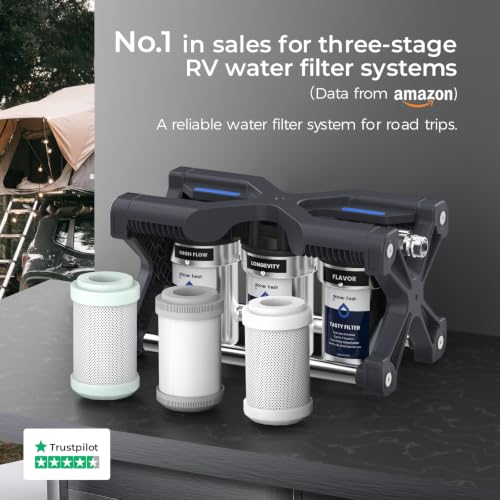
We've analyzed manufacturer specifications that indicate these systems are built with durable materials to withstand the corrosive nature of saltwater and the pressures involved in the desalination process. Key components often include specialized pumps, filters, and advanced separation membranes, all managed by control systems to ensure optimal operation and water quality.
Reverse Osmosis (RO) Systems: How They Work
Reverse osmosis is currently the leading technology for large-scale seawater desalination. At its core, RO uses pressure to force water through a semipermeable membrane. This membrane acts like a super-fine sieve, allowing water molecules to pass while blocking larger dissolved salt ions, minerals, and other contaminants.

Think of it this way: normal osmosis is the natural movement of water from a less concentrated solution to a more concentrated one. Reverse osmosis simply applies pressure to the more concentrated (saltier) side, forcing the water in the opposite direction, out of the salt and into the purer state. This requires significant pressure, often several hundred PSI, to overcome the osmotic pressure of the seawater.
Distillation Units: The Boil-and-Collect Method
Distillation is one of the oldest methods for desalinating water. It mimics the natural water cycle: heating water to create vapor, then cooling that vapor to condense it back into liquid form. When seawater is boiled, the water turns into steam, leaving the dissolved salts and most minerals behind in the boiling chamber.
This steam then rises and comes into contact with a cooler surface, typically a coiled tube or a specially designed condenser, where it turns back into fresh water droplets. These droplets are collected in a separate, clean container. While effective at removing salts and many impurities, distillation can be very energy-intensive, requiring a significant heat source to boil the water continuously.
DIY / Emergency Seawater Filtration: When You're in a Pinch
For situations where commercial systems aren't available, such as in survival scenarios, basic DIY methods can be employed to extract potable water from the ocean. These methods usually rely on the principles of distillation but are often much slower and less efficient than their commercial counterparts.

One of the most common DIY approaches is solar distillation. This uses the sun's energy to heat saltwater in a contained environment, causing evaporation. The water vapor then condenses on a cooler surface (like plastic wrap) and drips into a collection vessel. While it doesn't require external power, the output is typically very low, often producing only a liter or two per day per setup, depending on solar intensity and surface area.
Crucial Safety Concerns: Beyond Just Desalination
It’s vital to understand that simply removing salt doesn't automatically make water 100% safe to drink. Seawater contains a complex mix of substances, and while salt is the most obvious issue, other contaminants pose significant health risks. Failure to address these can lead to severe illness.
For example, untreated seawater can harbor a variety of harmful microorganisms, including bacteria like Vibrio cholerae, viruses such as norovirus, and various protozoa. If these pathogens aren't eliminated during the filtration process, drinking the water can lead to severe gastrointestinal illnesses, fever, and in worst-case scenarios, can be fatal. This risk is especially high with simpler DIY methods that might only focus on salt removal. Commercial systems often incorporate UV sterilizers or aim for a very fine filtration level to address these biological threats.
Biological Contamination Risks
Beyond the salt, seawater is a vibrant ecosystem teeming with microscopic life. This includes bacteria like Vibrio cholerae, viruses such as norovirus, and various protozoa. If these pathogens aren't eliminated during the filtration process, drinking the water can lead to severe gastrointestinal illnesses, fever, and in worst-case scenarios, can be fatal. This risk is especially high with simpler DIY methods that might only focus on salt removal.
Commercial systems often incorporate UV sterilizers or aim for a very fine filtration level to address these biological threats.
The Importance of Minerals in Drinking Water
While we're focused on removing unwanted salts, it's worth noting that pure water can taste flat and lack essential minerals that our bodies need. Seawater is rich in various minerals, but the desalination process removes almost everything. Some higher-end commercial systems offer a remineralization stage, adding trace amounts of calcium, magnesium, and potassium back into the water. This not only improves taste but also helps balance the water's pH and provides some beneficial minerals.
Without this, long-term consumption of demineralized water might not be ideal.
System Maintenance: Non-Negotiable
For any desalination system, whether it's a large-scale plant or a small unit on a boat, proper maintenance is absolutely critical for safety and efficacy. Neglecting maintenance can lead to system failure, producing unsafe water, or vastly reduced efficiency. Manufacturer specifications, for example, often outline specific service intervals for filter changes and membrane cleaning. For a reverse osmosis system, this might involve replacing sediment filters every 6, 12 months and cleaning or replacing RO membranes every 3, 5 years, depending on usage and water quality.
Choosing the Right System: For Your Needs
Deciding on the right system for filtering ocean water isn't a one-size-fits-all scenario. It hinges heavily on how much water you need, how often you need it, and your available resources, primarily power and budget. For example, a boater needing a few hours' worth of water daily will have very different requirements than a coastal community requiring millions of gallons a day. Our research into user feedback indicates that realistically assessing your water demands is the first step.
When to Consider Commercial Solutions
Commercial desalination systems, particularly reverse osmosis units, are the best choice when you need a reliable, consistent supply of potable water. This includes applications like powering a yacht or sailboat for extended voyages, providing water for a remote coastal property, or as a primary water source for off-grid living. These systems are engineered for high salt rejection rates, often exceeding 99%, and can produce substantial volumes of water, typically ranging from 500 to thousands of gallons per day. Their initial cost is higher, but their efficiency and reliability often justify the investment.
When DIY Might Suffice (and its Limits)
DIY methods, like solar stills, are best viewed as emergency or supplementary solutions. They’re excellent for survival situations or for generating small amounts of water when no other options are available. The primary advantage is their low cost and reliance on free solar energy. However, their output is extremely limited, and their ability to remove biological contaminants can be questionable without further treatment like boiling.
They are not a sustainable primary water source for regular use due to the minimal volume produced and the long time it takes to generate even a few liters.