How Often Should You Change Water Filter: 2026 Guide
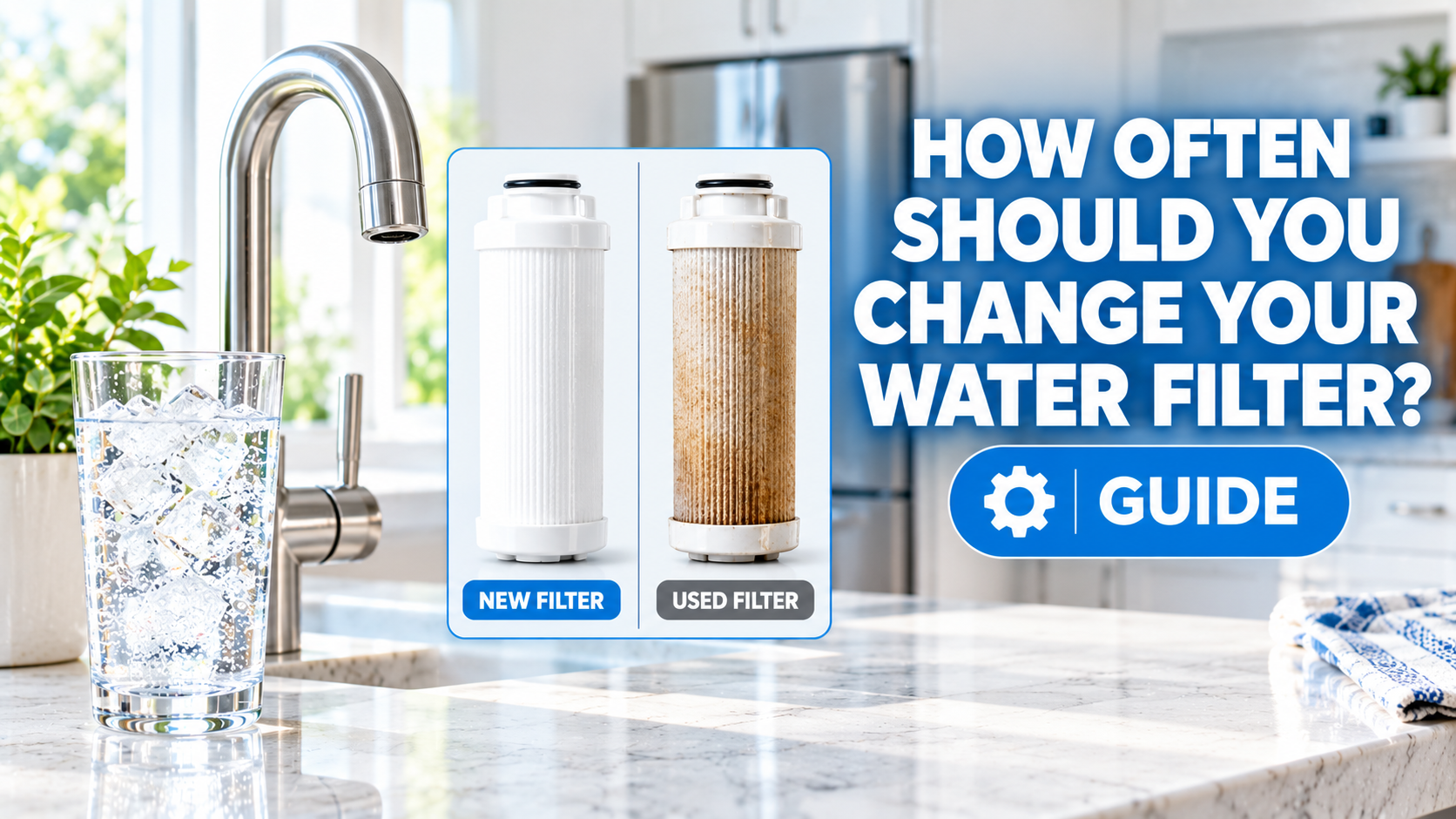
Most water filters should be replaced every 2 to 6 months, depending on the type, usage, and water quality.
If you've ever poured a glass of water and wondered whether your filter is really doing its job, you're not alone. Over the years, I've helped dozens of families and homeowners figure out the right schedule for changing their water filters, and the truth is, there's no single answer that fits everyone. The type of filter you use, how much water your household consumes, and the quality of your source water all play a big role. In this guide, I'll walk you through everything you need to know so your water always tastes fresh, stays clean, and your filter performs at its best.
Why Changing Your Water Filter on Time Matters
Think of your water filter like a sponge. It catches all the stuff you don't want to drink, but eventually, it gets full. When that happens, it stops working and can even become a breeding ground for bacteria. I've seen filters that were left in for over a year, and let me tell you, the water smelled worse than the tap water without a filter.
Changing your filter on time keeps your water safe, your ice clear, and your coffee tasting great. It also protects your appliances. For example, a clogged fridge filter can slow water flow and put extra strain on the water line. A dirty under-sink filter can reduce water pressure across your entire kitchen.
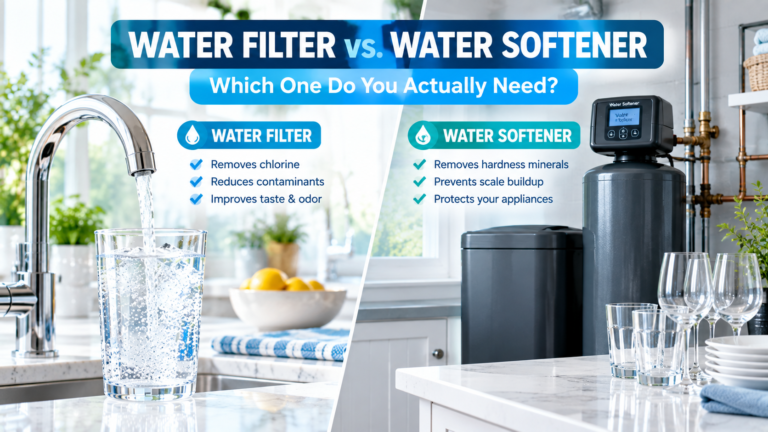
Beyond taste and smell, a fresh filter removes contaminants like chlorine, lead, sediment, and microbial cysts more effectively. Once a filter is past its prime, those harmful particles can pass right through, which defeats the whole purpose of having one.
Factors That Determine How Often You Should Change a Water Filter
There's no one-size-fits-all answer, and that's because several factors influence filter lifespan. Here's what to think about.
Type of Filter
Different filters have different lifespans. Here's a quick breakdown:
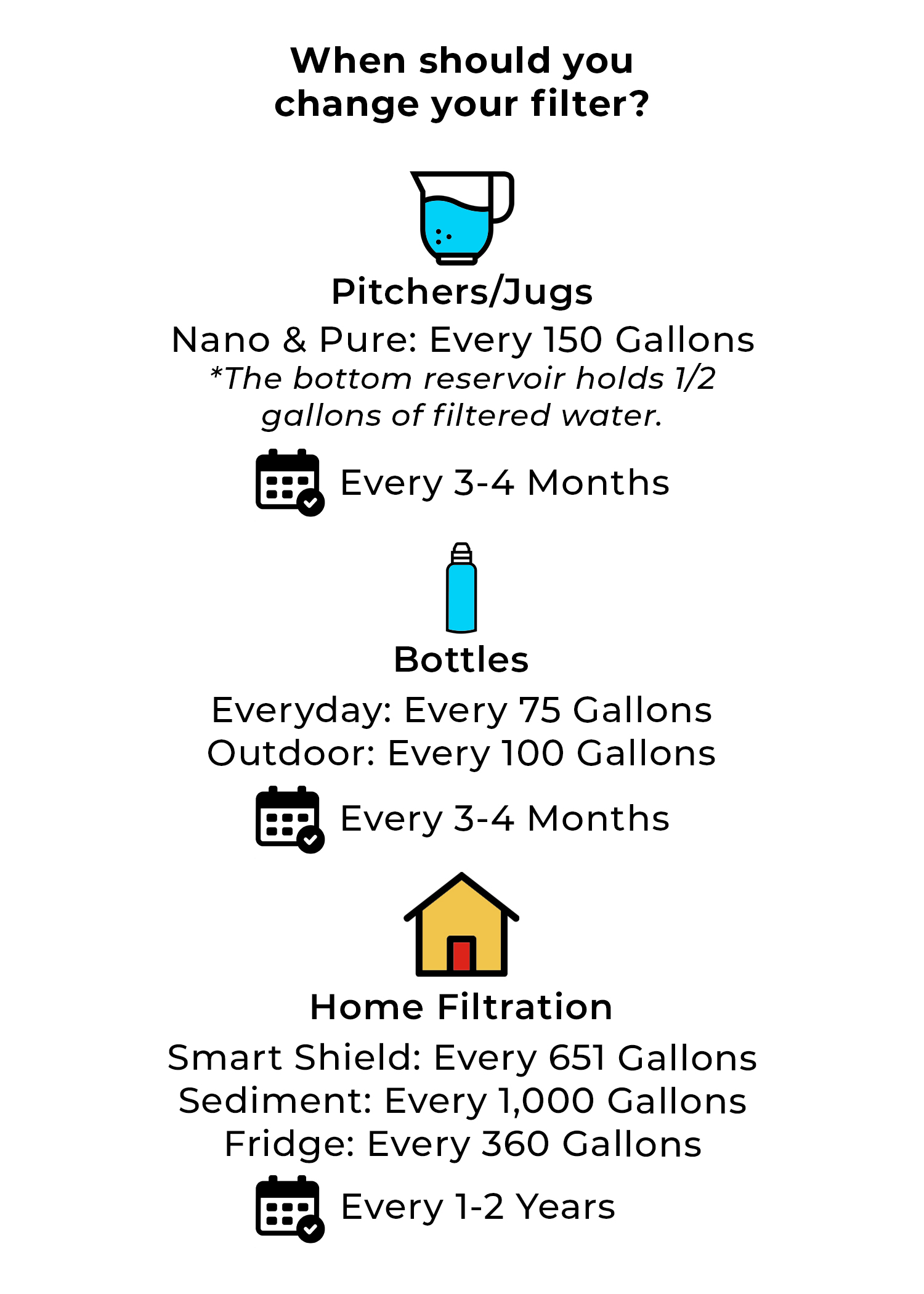
- Pitcher filters like Brita usually last about 2 months or 40 gallons.
- Faucet-mounted filters typically need replacing every 3 to 4 months.
- Under-sink filters can last 6 months to a year depending on the model.
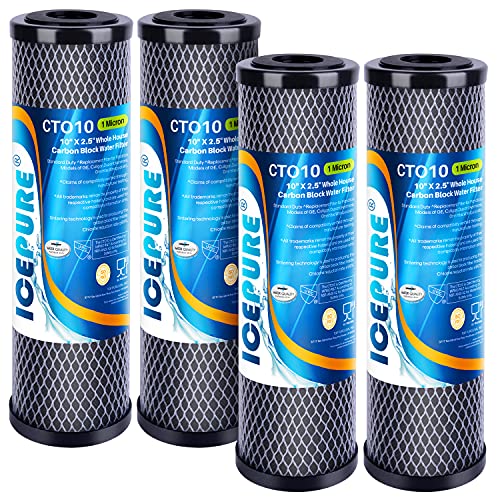
- Whole-house filters often go 3 months to 1 year before needing a swap.
- Reverse osmosis systems have multiple filters that range from 6 months to 2 years.
Water Quality
If your home gets hard water or well water, your filter works harder. I remember a friend who lived on a farm and used a whole-house filter. She had to change it every 2 months because the sediment was so heavy. If you live in a city with treated water, your filter might last longer because there's less debris to trap.
Household Usage
A family of six is going to burn through a filter way faster than a single person living alone. The more water you run through it, the faster it wears out.
Filter Capacity
Every filter has a rated capacity, usually in gallons. Once you hit that number, it's time for a change. Some advanced models even come with a timer or indicator light to remind you.
General Replacement Guidelines by Filter Type
Let's break this down even further. Here's a more detailed look at what to expect based on what you have installed.
Refrigerator Water Filters
These are some of the most overlooked filters in the home. Most manufacturers recommend replacing them every 6 months or after filtering about 300 gallons. I always tell people to mark their calendar or set a phone reminder. If your ice starts tasting funny or the water flow slows down, that's your filter waving a white flag.
Faucet and Countertop Filters
These usually need replacing every 3 to 4 months. They're small and work hard, so don't forget about them just because they're out of sight.
Under-Sink and Reverse Osmosis Filters
These are the workhorses of the kitchen. The sediment pre-filter typically lasts 3 to 6 months. The carbon block filter usually goes 6 to 12 months. The RO membrane itself can last 2 to 3 years if you maintain the pre-filters properly.
Whole-House Filters
These big units protect your entire plumbing system. Sediment filters last about 3 to 6 months. Carbon filters last 6 to 12 months. Water softener filters can last longer but need regular salt refills.
Shower and Bath Filters
These are often forgotten, but they need love too. Most last around 6 months. If your skin starts feeling dry or your hair loses its shine, it might be time.
Signs It's Time to Change Your Water Filter
Even if you don't track the calendar, your filter will usually tell you when it's done. Here are the red flags to watch for.
Water Tastes or Smells Off
If your water suddenly has a chlorine taste or a musty smell, your filter is likely saturated. Fresh filters remove odor and improve taste. Once they're full, that protection disappears.
Water Pressure Drops
A clogged filter restricts water flow. If your faucet is suddenly trickling instead of flowing, check the filter first before calling a plumber.
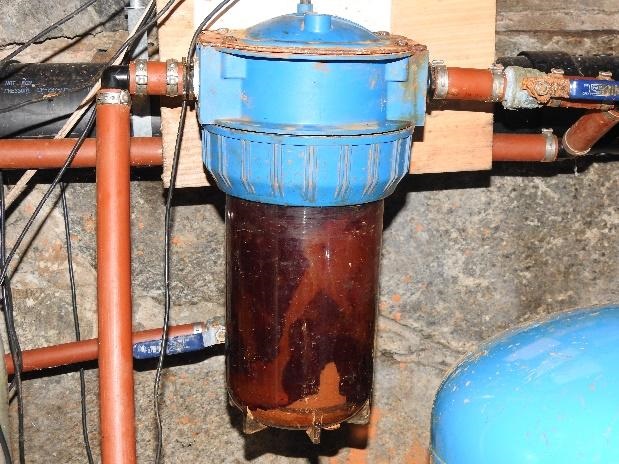
Filter Looks Dirty
Some filters, especially sediment filters, will visibly change color. If it looks like a piece of charcoal that's been sitting in a fireplace, it's time to swap.
It's Been Months Since the Last Change
Even if everything seems fine, follow the manufacturer's recommended schedule. Filters lose effectiveness gradually, and you might not notice the decline until it's too late.
Tips to Extend the Life of Your Water Filter
While you should always follow the recommended schedule, a few habits can help your filter last longer and work better.
- Know your water. Get a basic water quality report or use a home test kit. The more you know about what's in your water, the better you can choose the right filter.
- Pre-filter sediment. If you have a lot of sediment, add a pre-filter. It catches the big stuff and saves your main filter.
- Don't ignore small leaks. A leaking filter housing can let unfiltered water bypass the system, which means your filter is doing extra work.
- Use the right filter. Always use the manufacturer's recommended replacement. Knockoff filters might fit, but they often don't perform the same.
- Track your usage. Some smart filters and apps let you track gallons used. Use them. They take the guesswork out of the equation.
Common Mistakes People Make with Water Filters
I've seen it all when it comes to filter mistakes. Here are a few that could be costing you clean water.
- Waiting too long. Some folks think if the water still tastes okay, the filter must be fine. Not true. Contaminants can pass through an old filter without changing the taste.
- Using off-brand filters. Generic filters may save a few bucks upfront, but they often have less capacity and lower contaminant removal rates.
- Skipping the flush. New filters need to be flushed before use. Skipping this step can release loose carbon into your water.
- Ignoring the fridge filter. Just because it's hidden behind the grille doesn't mean it's not important. That filter protects your drinking water and ice maker.
How to Remember When to Change Your Filter
Let's be honest, remembering to change a filter every few months isn't exactly exciting. But with a few simple tricks, it becomes second nature.
- Set a calendar reminder on your phone.
- Write the install date on the filter with a marker.
- Use a smart plug or filter reminder app.
- Replace it on the same day you change your smoke detector batteries. It's a simple habit that sticks.
How Often Should You Change Water Filter for Specific Brands
If you're using a popular brand, here are some general guidelines.
- Brita pitcher filters: every 2 months or 40 gallons.
- PUR faucet filters: every 3 months or 100 gallons.
- Samsung fridge filters: every 6 months.
- GE fridge filters: every 6 months.
- iSpring under-sink filters: every 6 to 12 months depending on model.
- Culligan whole-house filters: every 3 to 12 months depending on filter type.
These are general estimates. Always check your owner's manual for the most accurate schedule.
What Happens If You Don't Change Your Filter
This is where things get serious. An old, clogged filter doesn't just stop working. It can actually make things worse.
- Bacterial growth. A damp, used filter is a perfect home for bacteria and mold.
- Reduced filtration. Once the media is full, contaminants pass through freely.
- Bad taste and odor. You might notice a swampy or metallic taste.
- Appliance damage. Clogged filters can cause pressure buildup and damage fittings or lines.
- Health risks. In rare cases, old filters have been linked to gastrointestinal issues, especially in sensitive individuals.

Frequently Asked Questions
How do I know which filter my system uses?
Check your owner's manual or the filter housing itself. Most have a model number printed on the side. You can also call the manufacturer with your system details.
Can I clean and reuse a water filter?
Most modern filters are not designed to be cleaned and reused. Attempting to do so can damage the media and release trapped contaminants back into the water.
What if I don't use my filter often?
Even if you don't use it daily, filters degrade over time. Manufacturers recommend changing based on time, not just usage, because the media breaks down even when idle.
Is it safe to use a filter past its expiration date?
It's not recommended. The filter media can lose effectiveness, and bacteria can grow in the moist environment. Stick to the recommended schedule.
Do all filters remove the same contaminants?
No. Basic filters handle chlorine and sediment, while advanced systems like reverse osmosis can remove heavy metals, fluoride, and microbial cysts. Always check the filter's specs.
Final Thoughts
Changing your water filter on time is one of the simplest ways to protect your health, improve your water's taste, and extend the life of your appliances. Whether you're using a basic pitcher or a whole-house system, the key is to follow the schedule, watch for the warning signs, and stay consistent. If you're unsure about the right timing, start with the manufacturer's guidelines and adjust based on your water quality and usage. A little attention every few months goes a long way. Got questions or want to share your own filter routine? Drop a comment below. I'd love to hear how you keep your water fresh and clean.