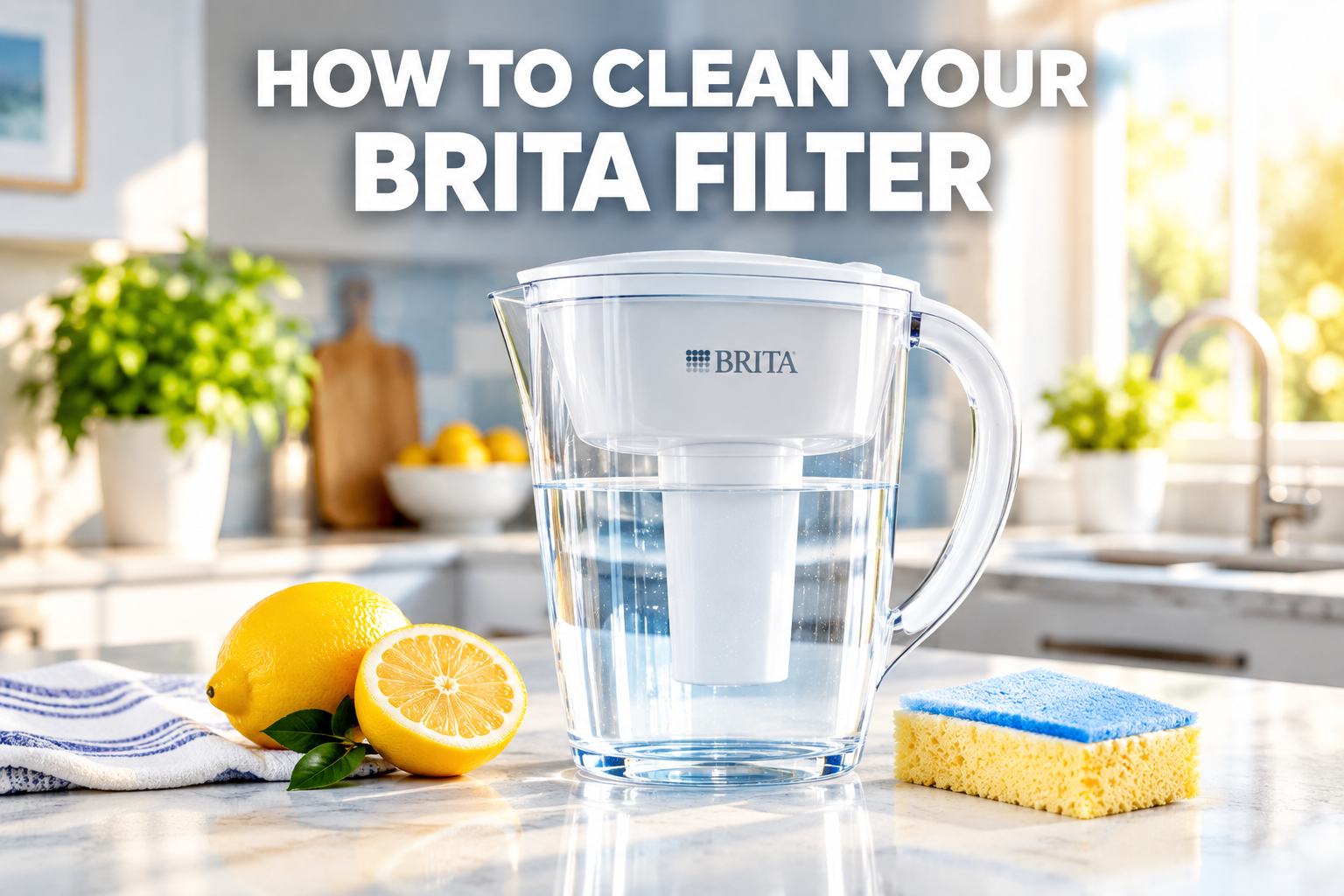
How To Clean Brita Water Filter: Easy 2026 Guide
Regular cleaning of your Brita filter keeps water tasting fresh and removes hidden buildup. A simple monthly routine prevents bacteria growth and keeps your pitcher working like new.
I still remember the first time I noticed a slimy film inside my Brita pitcher. I had been using the same filter for about two months, and the water tasted a little off. After a quick rinse with warm water and mild dish soap, everything looked and tasted better again. That small habit has saved me from bad-tasting water ever since, and it is easier than most people think.
If you want clean, fresh water every time you fill your glass, knowing how to clean Brita water filter the right way matters. Let me walk you through the whole process, from the basics to the deeper habits that keep your pitcher in top shape.
Why Cleaning Your Brita Filter and Pitcher Matters
Your Brita pitcher does more than just hold water. The filter inside traps chlorine, copper, mercury, and other impurities, but over time, those particles build up. A dirty filter can slow water flow, create unpleasant odors, and even grow bacteria if ignored.
Think of it like a sponge that catches dirt. The sponge works great at first, but if you never rinse it, it stops absorbing and starts to stink. Your Brita filter works the same way.
Cleaning it regularly helps in three big ways:
- It keeps water tasting clean and crisp
- It extends the life of your filter
- It stops bacteria and mold from settling in
Most Brita pitchers can go about two months before needing a new filter, but the pitcher itself needs monthly care. That little habit makes a huge difference in water quality.

What You Need Before You Start
The good news is you probably already have everything you need at home. No fancy tools, no special cleaners. Just a few simple things:
- Warm water
- Mild dish soap
- A soft sponge or cloth
- White vinegar (for deep cleaning)
- A clean towel
Avoid using anything harsh like bleach or abrasive scrubbers. Brita pitchers are made from specific plastics that can scratch or absorb strong chemicals. Gentle is always better here.
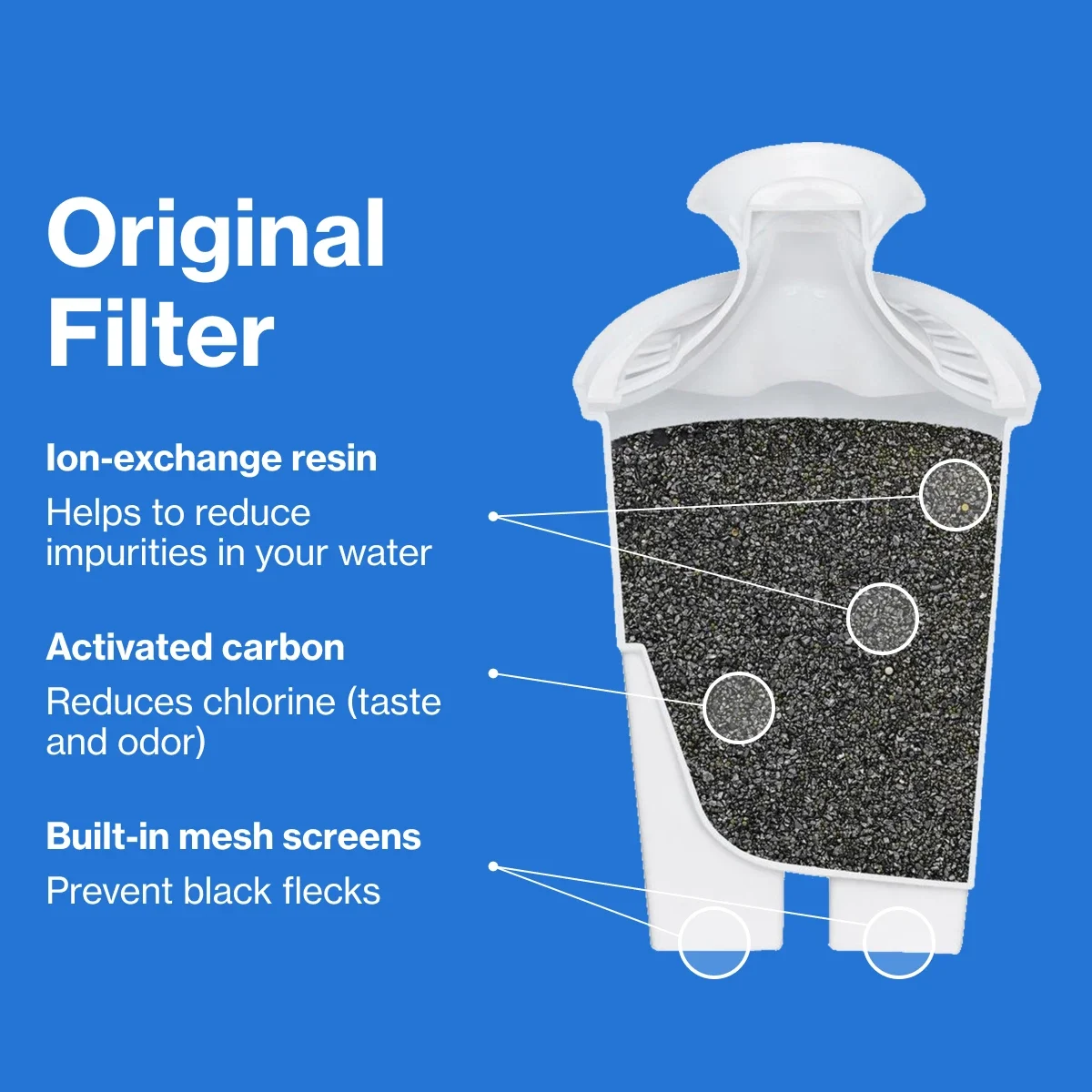
Step-by-Step Guide on How to Clean Brita Water Filter
Cleaning your Brita filter is not complicated. The trick is breaking it into two parts: cleaning the filter cartridge and cleaning the pitcher itself. Both matter, and both deserve attention.
Cleaning the Filter Cartridge
Most Brita filters are not designed to be washed deeply because that can damage the activated carbon inside. However, you can give them a gentle rinse to remove loose particles.
Here is the simple process:
- Remove the filter from the pitcher
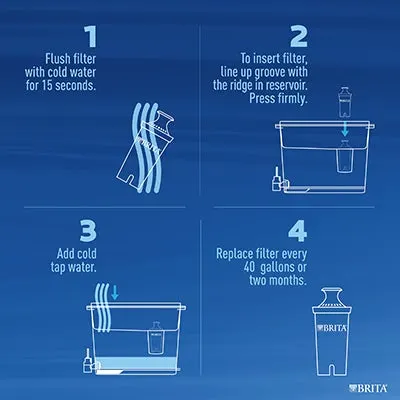
- Hold it under cool running water for about 10 seconds
- Gently shake it to remove excess water
- Do not use soap on the filter itself
Soaking the filter in water is not recommended. Brita officially says you should just rinse it briefly under the tap. This helps clear out loose debris without breaking down the filter media.
If your water looks cloudy or your filter smells odd, it might be time for a replacement rather than a deeper clean.
Deep Cleaning the Brita Pitcher
The pitcher is where most of the buildup happens. You see it, you feel it, and it is easy to clean.
Follow these steps for a sparkling pitcher:
- Empty any leftover water
- Add a few drops of mild dish soap and warm water
- Use a soft sponge to scrub the inside, especially the bottom and lid areas
- Rinse thoroughly with clean water
- For tough spots, soak the pitcher in a mix of warm water and white vinegar for about 20 minutes
- Rinse again until no soap or vinegar smell remains
Vinegar works wonders on mineral buildup and any slimy residue. It is natural, safe, and effective. Just make sure you rinse well so your next glass of water tastes like water, not salad dressing.

How Often Should You Clean Your Brita Filter
There is no single rule that fits everyone, but a simple schedule works best:
- Rinse the filter once a week under cool water
- Deep clean the pitcher once a month
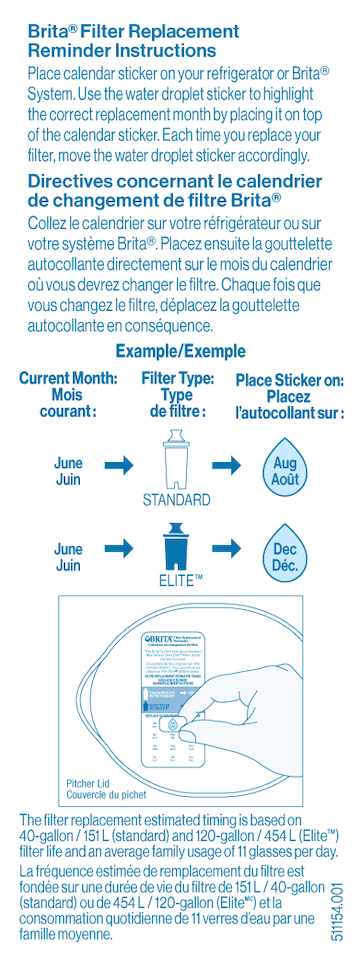
- Replace the filter every 40 gallons or about two months
If you live in an area with hard water, you might need to clean more often. Hard water leaves behind mineral deposits that build up faster than soft water does. You will notice a white or chalky film at the bottom of the pitcher when that happens.
A good habit is to set a reminder on your phone. I do this every first Sunday of the month, and it has kept my routine on track without any extra effort.
Common Mistakes to Avoid When Cleaning Brita Filters
A few small missteps can shorten the life of your filter or your pitcher. Here are some things I learned the hard way so you do not have to:
- Do not put Brita pitchers in the dishwasher. The heat can warp the plastic and damage the lid.
- Do not use bleach or harsh cleaners. They can leave residue that affects water taste.
- Do not scrub the filter with a brush. The activated carbon can break apart.
- Do not ignore the lid and spout. Bacteria love those hidden spots.
Treat your Brita like a kitchen tool you care about, not just a plastic jug. A little respect goes a long way in keeping water clean.
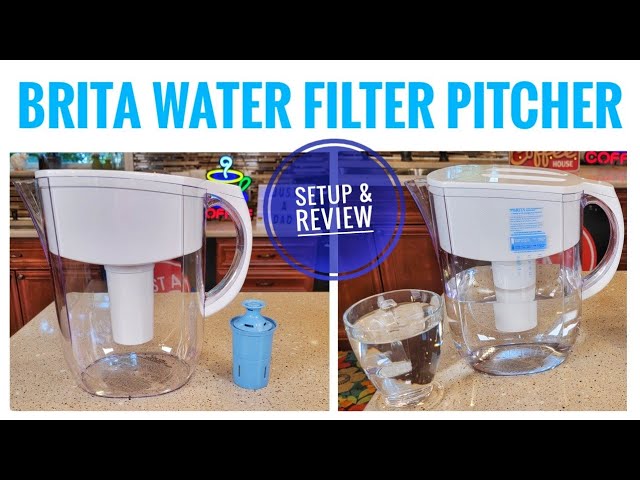
Tips to Keep Your Brita Pitcher Fresh Longer
A few small habits between deep cleans can make a big difference:
- Always store the pitcher in the fridge when possible. Cold water slows bacteria growth.
- Refill with fresh tap water instead of leaving old water sitting for days.
- Wipe the spout and lid weekly with a damp cloth.
- Keep the filter fully submerged in water when not in use to keep the carbon active.
I also like to add a slice of lemon to the pitcher sometimes for a fresh scent, but that is optional. Just remember to remove it after a few hours so it does not leave a sticky residue.
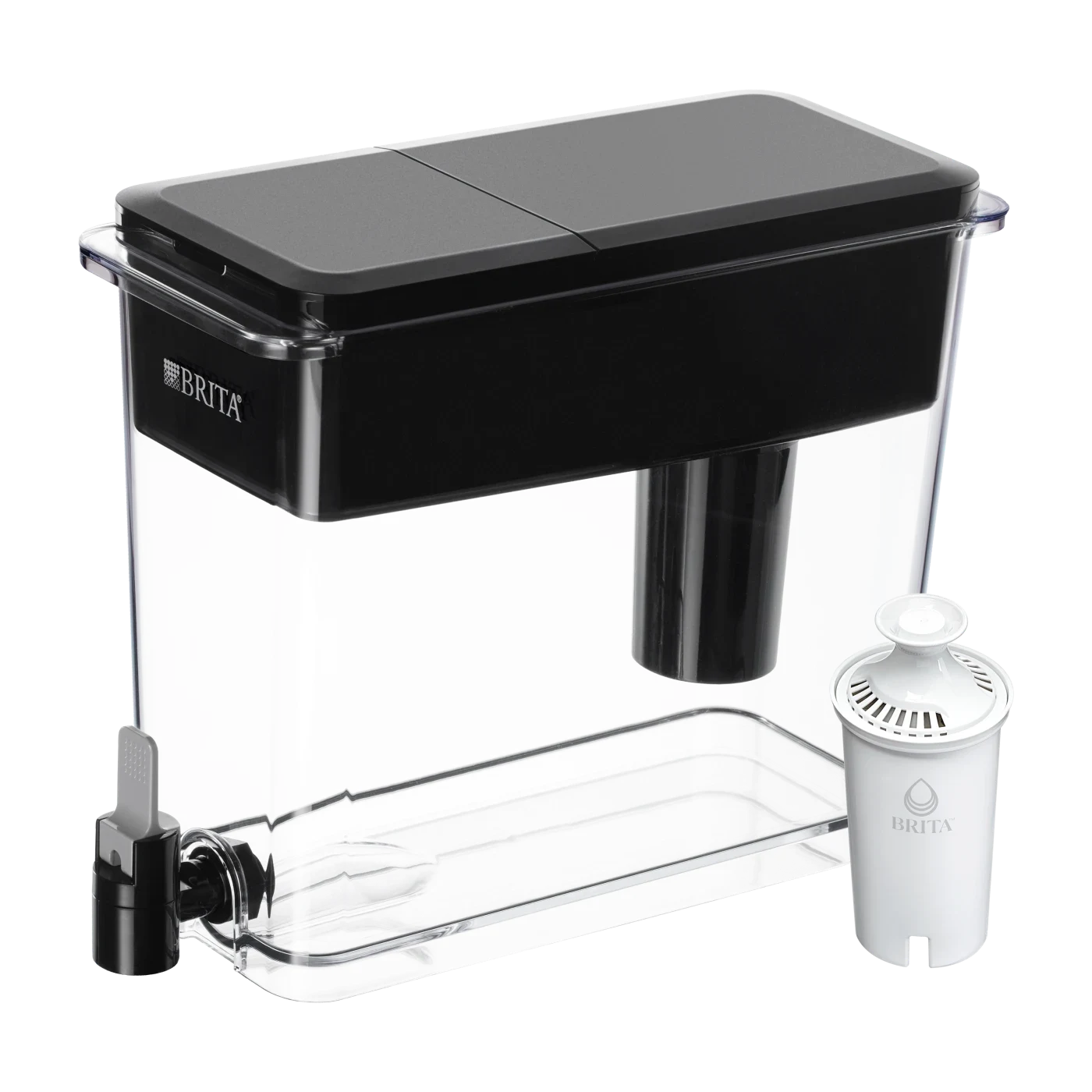
When to Replace Your Brita Filter Instead of Cleaning
Sometimes cleaning is not enough. If you notice any of these signs, it is time for a new filter:
- Water flow is very slow even after rinsing
- Water tastes flat or has a strange aftertaste
- The filter looks dark or discolored
- You have used it for over two months
No amount of scrubbing can bring back an old filter. The carbon inside gets used up, and once it does, it stops filtering properly. Replacing on time keeps your water safe and tasty.
Frequently Asked Questions
Can I wash my Brita filter with soap?
No, soap can damage the filter media and leave residue. Just rinse it briefly under cool water.
How do I remove black particles from my Brita pitcher?
Those are usually carbon dust from the filter. Rinse the filter before use and wash the pitcher with warm water and mild soap.
Is it safe to use vinegar to clean my Brita pitcher?
Yes, a mix of warm water and white vinegar is safe and effective for removing buildup.
How long does a Brita filter last?
Most filters last about 40 gallons or two months, whichever comes first.
Can I put my Brita pitcher in the dishwasher?
No, the heat can damage the plastic and lid. Hand wash only with mild soap and warm water.
Conclusion
Keeping your Brita water filter clean does not take much time, but it makes a world of difference in taste and safety. A quick weekly rinse for the filter and a monthly deep clean for the pitcher is all it takes to keep fresh water flowing. Stick to gentle cleaners, avoid the dishwasher, and replace your filter on time. Your water will taste better, your pitcher will last longer, and you will never have to wonder if your glass is as clean as it should be. Start this simple habit today and enjoy crisp, refreshing water every single day.