How Long Brita Water Filter Last (2026) — Real Buyer Picks
Figuring out how long a Brita water filter will last can feel like a guessing game. You want clean, good-tasting water, but you also don't want to be changing filters constantly or, worse, drinking water that’s no longer being filtered effectively. Understanding the key factors is crucial for knowing when to make the swap.
Manufacturer specifications indicate typical lifespans for Brita filters, often measured in both time and the total volume of water processed. For example, their Standard filters are generally rated for about 40 gallons or two months, while the Longlast+ filters can handle up to 120 gallons or six months. However, these are guidelines, and your real-world experience might differ based on usage.
When Do You Really Need to Change Your Brita Filter?
You really need to change your Brita filter when the water flow noticeably slows down, when you start tasting or smelling chlorine again, or when the filter’s recommended replacement deadline has passed. Relying solely on a sticker or a rough mental count isn’t as reliable as paying attention to these practical cues. Ignoring the signs can mean you’re not getting properly filtered water.
Aggregate user reports often show that filters in areas with particularly hard or heavily treated tap water may clog and reduce flow rate sooner than the stated two-month guideline. Similarly, if you're using your pitcher for more than just drinking water, perhaps for making large pots of tea or filling pet bowls daily, you'll hit that 40-gallon mark faster.
Brita Filter Lifespan: What the Numbers Mean (Gallons vs. Months)
Brita filters have two main metrics for their lifespan: gallons filtered and months of use. Whichever limit you hit first means it's time for a fresh filter. The gallon limit relates to the filter’s physical capacity to adsorb contaminants, while the month limit accounts for potential degradation of the filter media and bacterial growth over time, even with light use.
- Gallon Limit: This is the total volume of water the filter is designed to process before its active filtration components become saturated. For many standard Brita filters, this is around 40 gallons.
- Month Limit: This is a time-based recommendation, typically around two months for standard filters. This accounts for potential biological growth within the filter over time, even if the gallon limit isn't reached.
It’s important to track both. If you're a light user who only filters a gallon a week, you’ll still want to replace your standard filter every two months. If your household drinks a lot of water and hits 40 gallons before two months, you must swap it out then.
Different Brita Filters, Different Lifespans: Standard vs. Longlast vs. Elite
Brita offers several filter types, and they aren't interchangeable regarding performance or longevity. Their primary differentiator is what they filter and how long they're rated to do it. Understanding these distinctions helps you choose the right filter for your needs and manage your replacement schedule accurately.
- Brita Standard Filter: This common filter reduces chlorine taste and odor, plus other impurities like zinc and copper. It’s typically rated for 40 gallons or 2 months of use.
- Brita Longlast+ Filter: This filter boasts a longer lifespan, aiming to reduce lead, mercury, and chlorine taste and odor. Its capacity is higher, usually rated for 120 gallons or up to 6 months.
- Brita Elite Filter: This filter aims to remove even more contaminants, including some PFAS chemicals, according to manufacturer specifications. Its lifespan can be similar to the Longlast+ filter.
The choice depends on your tap water quality and your priorities. If taste and odor are your main concerns, the Standard filter may suffice. If lead or other specific contaminants are a worry, look into the Longlast+ or Elite options.
What Affects How Long Your Brita Filter Lasts?
Several factors beyond the filter type itself influence how quickly it loses effectiveness. Your specific water quality and how you use your Brita system are the biggest influencers. It's not a one-size-fits-all situation, and awareness here can save you from premature replacements or using a spent filter.
Your Water's Grit: Hardness and Contaminants
Tap water varies greatly by location. If your local water supply is particularly hard (high mineral content) or has a high concentration of chemicals like chlorine, your Brita filter will work harder and saturate faster. Manufacturer specifications are based on average municipal water quality; exceptional conditions can shorten a filter's useful life. Feedback suggests filters in regions with high sediment or chlorine may have a noticeable decrease in flow rate weeks before the standard two-month mark.
How Much Water Are You Actually Filtering?
The gallon limit on Brita filters is crucial, and households differ significantly in water consumption. A single person might use a Standard filter for two months without hitting its 40-gallon capacity. A large family or avid cook using filtered water for everything from drinking to brewing coffee will reach that 40-gallon limit much sooner. Gauge your household’s usage to ensure you're not over-filtering or leaving a filter in place past its capacity.
Using Your Brita: Everyday Habits Matter
How you handle your Brita pitcher or dispenser can also impact filter longevity. Always ensure the filter is properly seated and that you're not overfilling the reservoir, which can sometimes force unfiltered water past the seal. Avoid letting the pitcher sit empty for extended periods, as this can dry out the filter media. Per Brita's product guidelines, initial flushing of a new filter is important for optimal performance.
Recognizing When Your Brita Filter is Done
You'll know your Brita filter has reached the end of its useful life when you notice a decline in performance or taste, even if you haven't hit the official time or gallon limit. These are the tell-tale signs that the filter media is saturated or degraded and can no longer effectively remove impurities. Paying attention to these practical indicators is key to knowing when to make the swap.
Signs Your Filter Isn't Working Anymore
The most common signal is a significant slowdown in water flow. This happens as the activated carbon and ion-exchange resin capture more contaminants, eventually becoming clogged. You might also notice that the water no longer tastes or smells as fresh. If you detect even a faint chlorine odor or a less-than-ideal taste, it's a clear indication that the filter needs replacement.
The Filter Change Indicator: Helper or Hindrance?
Many Brita pitchers and dispensers have a filter change indicator. These range from simple stickers you manually reset to electronic indicators that track usage or time. While helpful, they aren't foolproof.
- Manual Stickers: These rely on you remembering to reset them after installing a new filter. If you forget, they lose their utility.
- Electronic Indicators: These are generally more sophisticated, often estimating filter life based on usage or time. However, they're still estimations and can sometimes be triggered by factors other than actual filter saturation.
Our research suggests that while these indicators are a good starting point, they should be used with your observations about water flow and taste. If the indicator says you have more time, but your water starts tasting off, trust your senses and replace the filter.
Practical Tips for Maximizing Brita Filter Life
While you can't change the fundamental limits of a Brita filter, you can adopt practices to ensure you get the most out of each one. These tips focus on proper handling, understanding your water, and using the system efficiently. They help ensure you consistently get great-tasting water.
- Proper Initial Flush: Always follow manufacturer instructions to flush a new filter. This typically involves running cold water through it for about 15 seconds to remove loose carbon particles and prepare the media.
- Consistent Use: Try to use your filtered water regularly. Stagnant water can lead to potential bacterial growth within the filter, affecting taste over time.
- Store Properly: When not in use, keep your Brita pitcher or dispenser covered and refrigerated. This helps keep the water cool and reduces potential contamination.
- Monitor Flow Rate: Get a sense of normal flow for your filter. A gradual decrease is expected, but a sudden drop is a strong sign of a clogged filter.
By treating your Brita system with simple care, you can help it function as intended for its rated lifespan.
Common Brita Filter Mistakes to Avoid
Several common pitfalls can lead to reduced filter performance or premature replacement. Being aware of these mistakes can help you get the most value and cleanest water from your Brita. They often stem from misunderstanding how the filters work or not adhering to basic maintenance.
- Not Replacing on Schedule: This is a significant error. Using a filter past its recommended gallon or time limit means you're drinking unfiltered water, as the filter media is spent.
- Using Hot Water: Brita filters are designed for cold water only. Hot water can damage the filter media and compromise its effectiveness.
- Forgetting the Flush: Skipping the initial filter flush can lead to tiny black carbon flecks in the first few pitchers. While harmless, it's unsightly and indicates the filter wasn't properly prepared.
- Improper Storage: Leaving the pitcher or dispenser in direct sunlight or at room temperature for extended periods can promote bacterial growth in the filter and pitcher.
Avoiding these common missteps ensures you're always getting the best possible performance from your Brita filter.
Are Brita Filters Worth It? The Trade-Offs
For many households, Brita filters offer a compelling balance of cost savings, convenience, and improved water quality compared to tap water or bottled alternatives. The primary benefit is a noticeable reduction in chlorine taste and odor, making drinking water more palatable. This can encourage higher water intake, benefiting your health.
- Cost Savings: Data suggests using a Brita filter is more cost-effective than buying bottled water over time, especially for larger households.
- Environmental Impact: By reducing the need for single-use plastic bottles, Brita systems help decrease plastic waste.
- Convenience: Having filtered water readily available from your refrigerator or countertop is a significant convenience.
However, it's important to note their limitations. Brita filters are not designed to remove all contaminants, such as dissolved solids, microorganisms, or all heavy metals beyond those specified for certain filter types. If your primary concern is extensive purification, you might need more advanced systems.
Brita Filter Replacement: The Step-by-Step
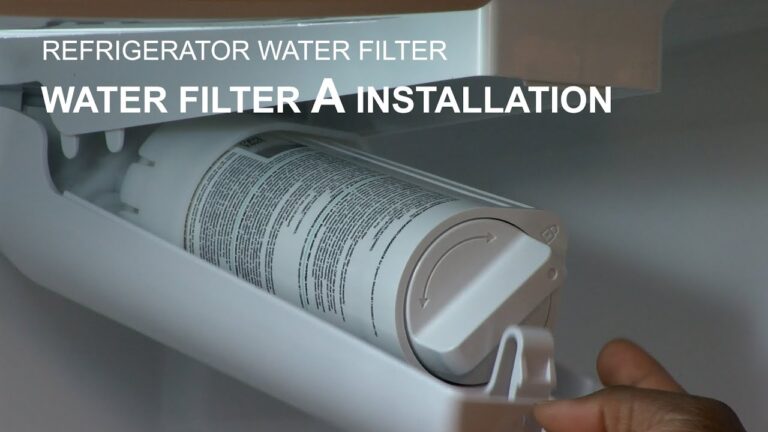
Replacing a Brita water filter is a straightforward process, usually taking just a few minutes. The steps may vary slightly by model, but the core actions remain consistent. Following these ensures a proper seal and optimal filtration.
- Prepare the New Filter: Remove the new Brita filter from its packaging. Remove any protective cap from the nozzle.
- Soak the Filter: Most Brita filters recommend soaking in cold water for about 15 minutes. This activates the filter media and removes loose carbon dust.
- Insert the Filter: Open the reservoir lid. Push the filter firmly into the opening until it's securely seated.
- Flush the Filter: Fill the reservoir with cold tap water. Let this first batch filter through into the pitcher below. Discard the flushed water.
- Reset the Indicator: If your pitcher has a filter change indicator, reset it per the manual each time you replace the filter. This ensures accurate tracking.
Following these steps ensures your new filter is ready and you're consistently drinking great-tasting filtered water.
What About Other Water Filters?
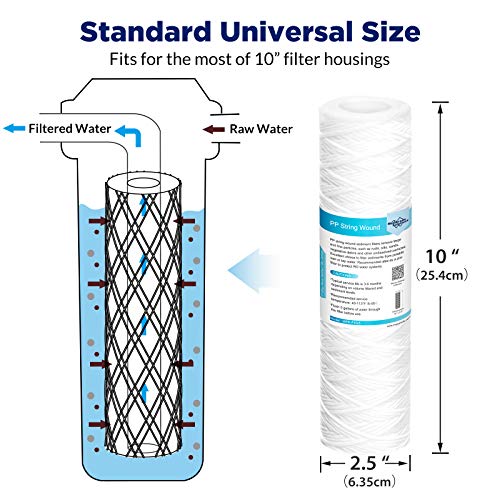
While Brita is popular for pitchers and dispensers, other systems exist for filtering water. Other systems offer different filtration levels, installation needs, and capacities, each suited to different requirements and budgets. Understanding these alternatives shows where Brita fits in the broader filtration landscape.
- Faucet Filters: These attach to your kitchen faucet, providing filtered water on demand. They are generally easier to install than under-sink systems but may slow faucet flow. Their filter lifespans often rival Brita's Longlast models.
- Under-Sink Filters: Installed beneath your sink, these multi-stage systems connect to your cold water line. They offer more comprehensive filtration targeting a wider range of contaminants and can have filter lifespans of six months to over a year.
- Whole-House Filtration Systems: These systems install where the main water line enters your home, filtering all water used throughout the house. They are the most expensive option and typically require professional installation, but provide filtered water at every tap.
Each system serves a different purpose, from simple taste improvement to comprehensive purification. Your choice depends on your specific water concerns, budget, and daily usage.
How long does the Brita Standard filter last?
The Brita Standard filter is typically rated for 40 gallons or two months of use, whichever comes first.
How often should I replace my Brita Longlast filter?
The Brita Longlast+ filter is designed for a longer duration, usually lasting up to 120 gallons or six months.
Can I use hot water with my Brita filter?
No, Brita filters are for cold water only. Hot water can damage the filter media and compromise effectiveness.
What happens if I don't change my Brita filter?
If you don't change your filter when it's due, it stops effectively removing contaminants, leading to poor taste and odor. Old filters can also become breeding grounds for bacteria.
Is it okay to see black specks in my filtered water?
You might see a small amount of black specks (carbon dust) in the first few pitchers after installing a new filter. This is normal and harmless, removed by flushing as instructed.
So, When Should You Change Your Brita Filter?
The answer to "how long Brita water filter lasts" is a combination of guidelines and observations. Brita's recommendations for their Standard filters (40 gallons/2 months) and Longlast+ filters (120 gallons/6 months) are the primary benchmarks. However, your specific tap water quality and daily usage patterns are key determinants.
Pay close attention to your water's taste and flow rate. If you notice a decline in either, or if your usage pushes you past the gallon limit before the time limit, it's time for a fresh filter. Use the indicator as a reminder, but trust your senses and household needs to make the final call. Consistent replacement ensures you enjoy the cleanest, best-tasting water Brita offers.