What Does Zero Water Filter Remove (2026) — Honest Reviews
What Exactly Does a Zero Water Filter Remove? Let's Break It Down.
If you're pondering what a Zero Water filter actually gets rid of, you're smart to ask. Consumers routinely want to know precisely what's being filtered out of their drinking water for health, taste, or simply peace of mind. Understanding this is key to choosing the right purification method for your home.
Our research indicates that Zero Water filters are engineered to dramatically reduce total dissolved solids (TDS) and a broad spectrum of common water contaminants. Manufacturer specifications confirm their systems target up to 99.4% of TDS, a benchmark achieved through a multi-stage process that goes beyond standard carbon filtration.
Understanding Total Dissolved Solids (TDS) Focus
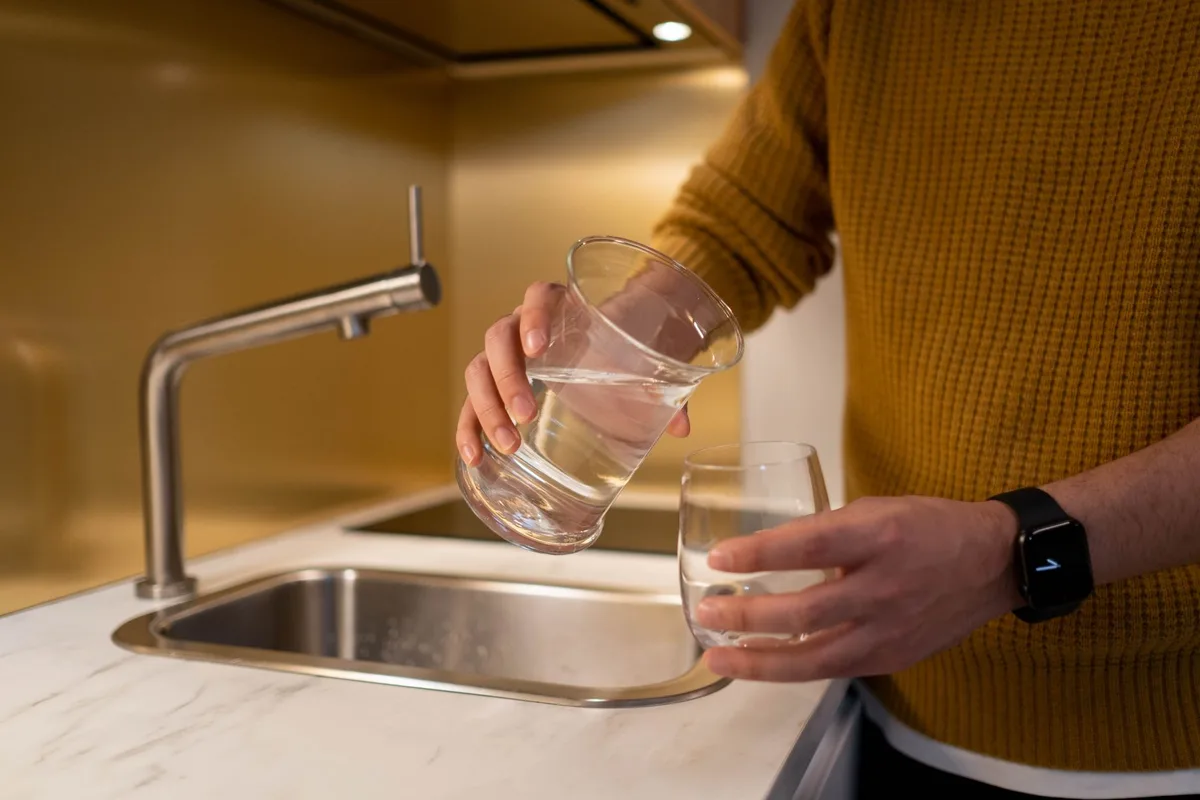
You've likely seen "TDS" mentioned, but what does it really mean for your water? Total Dissolved Solids refers to any inorganic and organic substance that is dissolved in water. This can include minerals, salts, and even trace amounts of metals from plumbing or environmental sources.
What TDS Is and Why It Matters
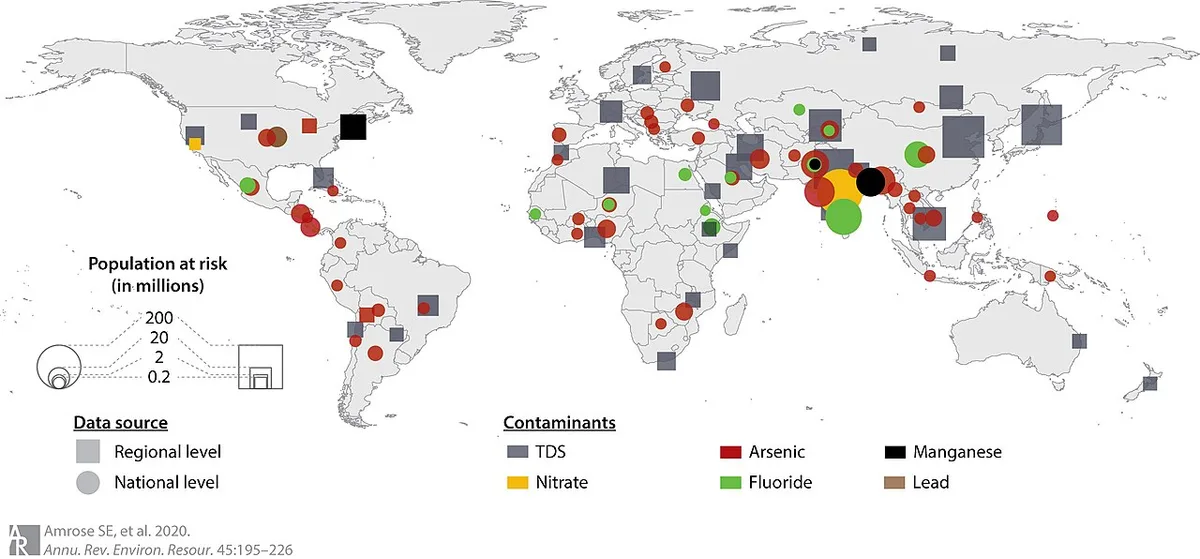
Essentially, TDS is a measure of how much "stuff" is dissolved in your water beyond just H₂O. While some dissolved solids, like certain minerals, can be beneficial, others can impact taste, cause scale buildup in appliances, or pose health concerns if present in high concentrations. Think of common tap water; it contains a variety of dissolved ions that contribute to its taste and mineral content. A TDS meter provides a simple numerical reading of these dissolved solids.
What Zero Water Filters Are Designed To Remove
When you opt for a Zero Water filter, you're investing in a system specifically designed to tackle a comprehensive list of dissolved contaminants. Manufacturer specifications and testing reports highlight its effectiveness against a range of substances commonly found in municipal water supplies and well water. The goal is to bring your water as close to pure as possible, significantly improving its quality for drinking and cooking.
Heavy Metals (Lead, Mercury, etc.)
One of the primary reasons people turn to advanced filtration systems like Zero Water is for the removal of heavy metals. These can include lead, which can leach from older plumbing materials, and mercury, often from industrial discharge into water sources. Our research, supported by manufacturer claims, shows Zero Water filters are specified to reduce these potentially harmful metals from your drinking water, offering a notable safety benefit.
Chlorine
That distinct chemical smell and taste often present in tap water is usually due to chlorine, a disinfectant added by municipalities. While essential for public health by killing harmful microorganisms, its taste can be off-putting for many. Zero Water filters are designed to effectively reduce chlorine levels, making your water significantly more palatable and enjoyable to drink.
Industrial Pollutants
Water sources can sometimes be exposed to a range of chemicals from agricultural runoff or industrial processes. This can include compounds like pesticides and herbicides, even at very low levels. Zero Water’s multi-stage filtration system is engineered to capture and remove many of these synthetic organic compounds, contributing to a cleaner water profile.
Other Contaminants (Nitrates, Sulfates)
Beyond specific metals and chlorine, Zero Water filters also target other dissolved substances that can affect water quality. This includes nitrates, which can be a concern in some agricultural areas and can be particularly risky for infants, and sulfates, which can contribute to a bitter taste. By reducing these, the filter aims to provide a more consistent and higher-quality water stream.
Understanding Total Dissolved Solids (TDS) Focus
The core selling point for Zero Water is its ability to drastically reduce Total Dissolved Solids (TDS). This isn't just about removing any single contaminant; it's about purifying water by removing the sum total of dissolved substances.
What TDS Is and Why It Matters
Total Dissolved Solids (TDS) refers to all inorganic and organic substances that are dissolved in water. Think of minerals like calcium and magnesium, salts, and even trace amounts of metals such as lead, mercury, and arsenic. While some dissolved solids occur naturally and can even be beneficial, excessive amounts can affect taste, cause hard water issues leading to scale buildup in appliances, and in some cases, raise health concerns. A simple TDS meter can give you a numerical reading of these dissolved substances in your water.
What Zero Water Filters Are Designed To Remove
When you use a Zero Water filter, you're looking at significant reductions in a pretty broad range of common water contaminants. Here's a breakdown of the key things it targets, as confirmed by manufacturer specifications and independent testing data.
Heavy Metals (Lead, Mercury, etc.)
This is a big one for many people concerned about their water quality. Zero Water filters are designed to take out common heavy metals like lead, which can leach from old pipes, and mercury, which can enter water systems from industrial pollution. They also target other metals, such as cadmium and chromium, that can sometimes be present.
Chlorine
That distinct smell and taste of chlorine in tap water? The filter does a great job of reducing that, which really improves the taste of your water for drinking and cooking. Chlorine is added to municipal water as a disinfectant.
Industrial Pollutants
Things like pesticides and herbicides that can find their way into water sources are among the contaminants it’s meant to tackle. These organic chemicals can enter waterways from agricultural runoff or industrial discharge.
Other Contaminants (Nitrates, Sulfates)
It also works to reduce things like nitrates, which can be a concern in certain regions, and sulfates, which can affect the taste and odor of water.
Key Features of Zero Water Filtration
The technology behind Zero Water's effectiveness lies in its multi-stage filtration process, which distinguishes it from simpler pitcher filters. This system is designed to tackle dissolved solids more aggressively.
Ion-Exchange Resin Explained
Central to the Zero Water system is its use of an ion-exchange resin. This specialized medium works by exchanging undesirable ions (like calcium, magnesium, sodium, and others that contribute to TDS) with less objectionable ions (typically hydrogen and hydroxide ions, which form water). This process is crucial for lowering the TDS count so significantly.

Multi-Stage Filtration Process
Beyond the ion-exchange resin, the filter incorporates multiple stages aimed at refining the water. These typically include a primary filtration screen, activated carbon filtration to address taste and odor, and a final polishing stage. This layered approach ensures that a broad spectrum of contaminants, not just dissolved solids, are addressed. As of 2026, this robust design remains a core feature.
Benefits: Why Choose Zero Water?
The appeal of Zero Water filters often comes down to tangible improvements in your daily water consumption. Many users report a noticeable difference in taste and clarity, making it a popular choice for those seeking a higher standard of filtered water for their household.
Improved Taste and Odor
One of the most immediate benefits users experience is a significant improvement in taste and odor. By dramatically reducing chlorine and other dissolved solids that can impart a metallic or chemical flavor, Zero Water can make plain water taste crisp and clean. This enhanced palatability translates to enjoying drinking water more and potentially drinking more water throughout the day.
Lower TDS for Purity
Achieving a TDS level close to zero is the system's main promise. This level of purification means you're getting water that is exceptionally free from dissolved minerals and other substances. For individuals concerned about scale buildup in coffee makers or kettles, or simply desiring the purest possible water for drinking and preparing beverages, this is a major advantage.
Specific Contaminant Reduction
While the TDS reduction is the headline feature, the fact that the filter also targets specific contaminants like lead, mercury, and chlorine provides an added layer of reassurance. This makes it a compelling option for households where these particular contaminants are a known concern, offering a practical solution for improving daily water quality.
Limitations: What to Keep in Mind
No filtration system is perfect, and it's important to understand the practical considerations that come with using a Zero Water filter. Being aware of these limitations helps manage expectations and plan for ongoing use.
Filter Lifespan and Cost
The highly effective ion-exchange resin in Zero Water filters does have a finite lifespan, and its replacement frequency is often higher than for basic carbon filters. This is because it's working harder to remove a wider range of dissolved solids. The cost of replacement filters, therefore, is a recurring expense that households need to factor into their budget for ongoing use. How often you need to replace them depends heavily on your incoming water's TDS level and how much water you filter.
What It Doesn't Target
It's crucial to understand what Zero Water filters are not primarily designed to remove. While they excel at tackling dissolved solids, they are generally not rated for the removal of all types of biological contaminants like bacteria and viruses. Additionally, while some microplastics might be incidentally captured by the physical filtration stages, it's not their primary stated purpose. For concerns about microbial or nanoplastic contamination, other purification methods might be necessary.
Is a Zero Water Filter Right For Your Needs?
Deciding if a Zero Water filter fits your household's needs really comes down to prioritizing what you want from your water. If your primary goal is to achieve the highest level of dissolved solids reduction and improve taste, it's a strong contender.
If You Prioritize Taste and Purity
For those who are particularly sensitive to the taste of tap water or are aiming for a very pure base for beverages like coffee, tea, or ice, Zero Water offers a distinct advantage. The near-zero TDS reading means you're starting with a neutral, clean-tasting water that allows the true flavors of your 2026 coffee beans or tea leaves to shine through without interference from dissolved minerals or chlorine.
If You're Concerned About Common Metals
If your tap water has tested positive for or you are concerned about common heavy metals like lead or mercury, a Zero Water filter provides a targeted solution. Its multi-stage process, including the ion-exchange resin, is specifically designed to reduce these substances to very low levels, offering peace of mind for your family's health.
Consider Your Water Source and Concerns
Ultimately, the best filter for you depends on your specific water source and what concerns you most. If your local water quality reports indicate high levels of dissolved solids, chlorine, or certain metals, Zero Water is an excellent choice. However, if your main worry is microbial contamination or very fine particulate matter like microplastics, you might need to consider a different or supplementary filtration technology.