What Does a Reverse Osmosis Water Filter Remove: No-BS Picks
Thinking about your drinking water and wondering what exactly a reverse osmosis (RO) unit gets rid of? It's a really smart question to ask, especially when you're looking for the cleanest water possible. These systems are designed to be highly effective at removing a broad spectrum of contaminants that ordinary filters might miss.
Research confirms that reverse osmosis filtration can significantly improve water quality by targeting microscopic impurities. As of 2026, standards like NSF/ANSI 58 outline the performance claims for RO systems, specifically regarding the reduction of dissolved solids and other contaminants. Understanding what this powerful filtration process removes is the first step to ensuring you're drinking the safest, purest water.
Your Water Quality: Why It's More Important Than You Think
Having trusted, clean drinking water straight from your tap isn't just about taste; it's fundamentally about your health. Tap water, even when meeting regulatory standards, can contain a variety of substances that might be concerning over the long term. These can range from naturally occurring minerals to dissolved solids and even trace amounts of chemicals.
Our research shows that awareness of common water impurities, such as lead from older pipes or arsenic from natural geological sources, is driving consumer interest in advanced filtration. While municipal treatments remove many harmful pathogens, they don't always eliminate every dissolved chemical or heavy metal. This is where home filtration systems, like reverse osmosis, become a critical consideration for many households seeking an extra layer of purification.

How Reverse Osmosis Works: The Science Simplified
Reverse osmosis (RO) is a water purification process that uses a semi-permeable membrane to remove ions, unwanted molecules, and larger particles from drinking water. Think of it as a super-fine sieve at a molecular level. Water is forced under pressure through this barrier, which has pores so tiny that only water molecules can pass through.
Everything else, dissolved solids, minerals, salts, and larger contaminants, is blocked by the membrane and flushed away as wastewater. This process is highly effective but requires adequate water pressure to function properly. Many Under-Sink RO systems include a booster pump if your home's water pressure is insufficient.
The Big List: What RO Systems Take Out of Your Water
Reverse osmosis systems are prized for their ability to tackle a comprehensive range of impurities. The effectiveness hinges on the quality of the membrane and the pre-filtration stages, which work together to clean your water thoroughly.
Dissolved Solids: Salts, Minerals, and Metals
One of the primary functions of RO is reducing Total Dissolved Solids (TDS). TDS refers to any inorganic or organic substance that can be dissolved in water. This includes a variety of elements that can affect taste, hardness, and safety.
- Salts: RO membranes are highly effective at removing dissolved salts, significantly lowering the salinity of water.
- Minerals: Common minerals like calcium and magnesium, which cause water hardness and can lead to scale buildup, are substantially reduced. This is why RO water can taste "flatter" to some, the minerals contributing to taste are filtered out.
- Heavy Metals: This is a critical safety benefit. RO systems are excellent at removing toxic heavy metals such as:
- Lead
- Arsenic
- Mercury
- Cadmium
- Chromium
- Barium
Manufacturer specifications and independent lab tests confirm that many RO systems can reduce these harmful metals by 95% or more, well exceeding the requirements of many public health standards.

Chemical Contaminants: From Pesticides to Pollutants
Beyond metals, RO systems also filter out a wide array of chemical contaminants that can originate from industrial activity, agriculture, or even household products.
- Pesticides and Herbicides: Residues from agricultural runoff can be a concern for well water or water sources near farming areas. RO can significantly reduce their presence.
- Industrial Chemicals: Various volatile organic compounds (VOCs) and synthetic organic compounds (SOCs) that may leach into water supplies can be filtered out.
- Chlorine and Chloramines: While often addressed by pre-filters, the RO membrane adds another barrier against these disinfectants and their byproducts.
Microbes: Bacteria and Viruses in Your Tap
Although the primary role of RO is to remove dissolved solids and chemicals, the extremely small pore size of the semi-permeable membrane also acts as a physical barrier against many microorganisms.
- Bacteria: Pathogenic bacteria like E. coli or Salmonella are generally too large to pass through the RO membrane.
- Viruses: Similarly, viruses, which are much smaller than bacteria but still significantly larger than water molecules, are effectively blocked.
While pre-filters are the first line of defense against these, the RO membrane provides a robust secondary barrier, adding a significant layer of safety, especially for those concerned about microbiological contamination in their water supply.
What Might Still Sneak Through? RO's Limitations
While incredibly effective, RO isn't a universal filter for every possible impurity. There are a few substances it's less adept at removing, or entirely misses.
- Dissolved Gases: Gases like radon, methane, or hydrogen sulfide might not be removed by the RO membrane because they can dissolve at a molecular level similar to water. Some RO systems include a degassing stage, or carbon pre-filters might handle some of these.
- Certain Small Organic Molecules: Very small organic molecules that are similar in size to water could potentially pass through.
- Perchlorate: This is a specific chemical contaminant that, while often reduced, may not be completely eliminated by standard RO membranes. For areas with high perchlorate levels, specialized treatment or additional filtration stages might be necessary.
Why Safe Water Matters: Potential Health Risks
The presence of various contaminants in drinking water can pose significant health risks, especially with long-term exposure. Understanding what RO systems remove highlights their role in mitigating these dangers.
- Heavy Metals: Lead, for instance, is a neurotoxin linked to developmental problems in children and cardiovascular issues in adults. Arsenic is a known carcinogen. Removing these through RO offers critical protection.
- Chemicals: Some pesticides and industrial chemicals are endocrine disruptors or have been linked to various cancers and other chronic health issues.
- Microbiological Contamination: While less common in municipal supplies, bacteria and viruses can cause acute gastrointestinal illnesses, which are particularly dangerous for the very young, the elderly, and those with compromised immune systems.
Is Reverse Osmosis Right for Your Home?
Deciding if an RO system is the best choice for your household involves looking at your specific water quality concerns and your goals for purification. If you've had your water tested and found elevated levels of dissolved solids, heavy metals, or concerning chemicals not fully addressed by simpler filters, an RO system is often the most comprehensive solution.
For instance, if your water has a metallic or chemical taste, or if you're on a private well with potential contamination risks, the multi-stage approach of RO, especially with its ability to remove a wide array of problematic substances, offers a high degree of assurance. However, if your primary concern is simply improving taste or removing sediment, a more basic filtration system might be adequate and less complex to maintain.
Benefits and Drawbacks: What to Expect from RO Water
Reverse osmosis systems offer significant advantages for water purity, but it's also wise to consider the potential downsides. Understanding both sides helps you make an informed decision about whether RO fits your lifestyle and needs.
Pros:
- High Purity: Removes a broad spectrum of contaminants, including dissolved solids, heavy metals, and chemicals, leading to very clean water.
- Improved Taste: By removing minerals and other impurities, RO can make water taste noticeably better and cleaner, often preferred by those sensitive to mineral content.
- Health Protection: Significantly reduces exposure to potentially harmful substances like lead, arsenic, and certain pesticides.
- Consistent Quality: Provides reliably pure water regardless of daily fluctuations in tap water quality.
Cons:
- Wastewater Production: RO systems typically produce wastewater, flushing away the rejected contaminants. This can range from 2 to 4 gallons of wastewater for every gallon of purified water, depending on system efficiency and water pressure.
- Mineral Removal: While a pro for purity, the removal of beneficial minerals like calcium and magnesium can be a drawback for some, impacting taste and potentially requiring mineral replenishment through diet.
- Slower Filtration: The process is slower than simpler filters, often requiring a storage tank to provide water on demand.
- Requires Maintenance: Pre-filters and the RO membrane itself need regular replacement to maintain performance and prevent system damage.
Step-by-Step Process: How RO Systems Work in Your Home
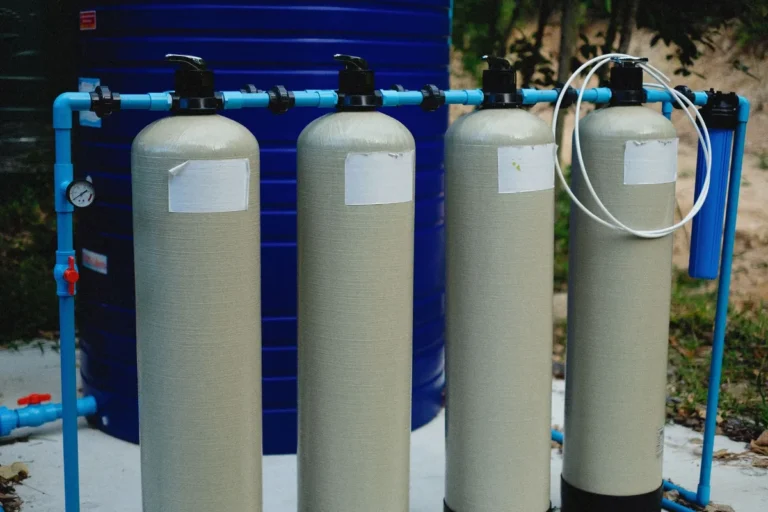
Many reverse osmosis systems are designed for under-sink installation, integrating seamlessly into your kitchen plumbing. The process generally involves several stages to ensure maximum purification.
- Sediment Pre-filter: This first stage removes larger particles like dirt, rust, and sand that could clog the subsequent filters.
- Carbon Pre-filter: This stage tackles chlorine, chloramines, and certain organic compounds that can affect taste, odor, and also protect the RO membrane from damage.
- Reverse Osmosis Membrane: Water is forced through the semi-permeable membrane, where the majority of dissolved solids, heavy metals, and other microscopic contaminants are filtered out.
- Storage Tank: Purified water is stored in a pressurized tank, ready for use.
- Post-filter: A final carbon filter polishes the water, removing any residual tastes or odors before it reaches your faucet, ensuring the freshest possible water.
Comparison: RO vs. Other Common Water Filters
When considering water purification, it's helpful to see how RO stacks up against more basic filtration methods. Each serves a different purpose and targets different types of contaminants.
| Feature | Basic Pitcher Filter | Activated Carbon Filter | Reverse Osmosis (RO) System |
|---|---|---|---|
| Primary Removal | Chlorine, Taste, Odor | Chlorine, Taste, Odor, Sediment | Dissolved Solids, Metals, Chemicals, Microbes |
| TDS Reduction | Minimal | Minimal to Moderate | High (95%+) |
| Heavy Metal Removal | Poor | Moderate | Excellent |
| Bacteria/Virus Removal | No | No | Good (secondary barrier) |
| Wastewater Produced | No | No | Yes (typically 2-4:1) |
| Installation | None | Easy (faucet/inline) | Under-sink, requires plumbing |
| Maintenance | Frequent (filter change) | Regular (filter change) | Regular (filter & membrane change) |
A basic pitcher filter is best for improving the taste and odor of already safe tap water by removing chlorine. An activated carbon filter offers a step up, handling sediment and more chlorine, often used in faucet or inline styles. However, for comprehensive removal of a wide array of dissolved impurities, including heavy metals and salts, the RO system is the most effective option.
Use Cases: Who Benefits Most from RO Water?
Reverse osmosis systems are particularly beneficial for specific situations and households. Knowing these use cases can help you determine if an RO system aligns with your needs.
- Homes with Known Water Quality Issues: If your local water report (or private well testing) shows high levels of TDS, lead, arsenic, nitrates, or other regulated contaminants, RO is a prime solution.
- Families with Vulnerable Members: For households with infants, young children, pregnant individuals, or elderly family members, minimizing exposure to potentially harmful contaminants is a top priority, making RO an excellent choice for added safety.
- Health-Conscious Individuals: Those who are particularly mindful of the purity of their drinking water and want to reduce their intake of any dissolved solids or chemicals will find RO beneficial.
- Environmentally Conscious (with caveats): While RO does produce wastewater, it can reduce reliance on bottled water, which has its own significant environmental footprint associated with plastic production and transportation. Choosing an efficient RO system can be part of a broader sustainability effort.
Common Mistakes to Avoid with RO Systems
To ensure your RO system functions optimally and provides the purest water, it’s important to sidestep common pitfalls. These mistakes can affect performance, water quality, and even the lifespan of your system.
- Skipping Regular Filter Changes: This is perhaps the most common error. Over time, sediment and carbon pre-filters become saturated, and the RO membrane can become fouled. Neglecting replacements means reduced filtration efficiency and potentially bypassing contaminants. Manufacturer recommendations for filter changes typically range from 6 to 12 months for pre/post filters and 2-5 years for the RO membrane, depending on water usage and quality.
- Ignoring Wastewater: Excessive wastewater production can indicate an issue, usually a failing membrane or insufficient inlet water pressure. While some wastewater is normal, a significant increase warrants inspection.
- Drinking from the General Tap: Once an RO system is installed, it's crucial to use the dedicated RO faucet for drinking water. The regular tap water will not have undergone the same level of purification.
- Not Testing Your Water Regularly: Even with an RO system, periodically testing your filtered water can confirm the system is performing as expected and that filters are still effective. This is especially important if your source water quality changes or if you've never had your water tested before installation.