How Often Change Pur Water Filter in 2026 (Tried & Tested)
Figuring out how often to change your PUR water filter isn't about sticking to a rigid calendar; it's about understanding how usage and water quality affect its performance. Manufacturer specifications often give a general guideline, but your specific household habits can mean needing a replacement sooner or potentially a bit later. Our research indicates that PUR water filters are designed to reduce common contaminants, but their effectiveness hinges on timely replacement.
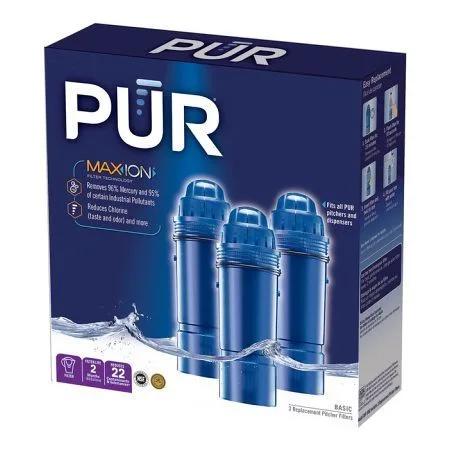
As of 2026, PUR filters typically have lifespan estimates tied to the volume of water filtered or a set number of months, whichever comes first. For example, many PUR pitcher filters are rated to filter about 40 gallons of water. However, these are averages, and real-world conditions can significantly alter how long a filter truly performs optimally.
Here's how to truly know when it's time to swap yours out.
Quick Look: The General Rule of Thumb
PUR, like most water filter manufacturers, provides a recommended replacement interval to ensure you're getting the best possible water quality. For their popular pitcher filters, this is often around every two months. For faucet filtration systems, it might extend to six months.
This guideline is a good starting point because it's based on average household water consumption and typical contaminant levels in municipal water supplies. It’s a solid baseline that helps most users maintain good filtration performance without excessive waste or premature replacements.
Why PUR Filters Aren't on a Strict Calendar
While that two-month recommendation for pitcher filters is helpful, it’s not a hard-and-fast rule for everyone because your actual usage and local water conditions play a much bigger role. Think of it like following a recipe, the instructions give you target cooking times, but you always check if the food is actually done.
How Much Water Are You Actually Using?
The amount of water you run through your PUR filter is the most significant factor determining its lifespan. If you’re a single person who just drinks a glass or two of filtered water a day, your filter will likely last longer than a large family that uses filtered water for drinking, cooking, making coffee, and filling pet bowls. PUR pitcher filters are often rated to filter about 40 gallons of water. If your household uses more than 20 gallons per month, you’ll be closer to the two-month mark.
What's Lurking in Your Local Water?
The quality of your tap water plays a crucial role in how hard your PUR filter has to work. If your local water supply has higher levels of chlorine, sediment, lead, or other impurities, the filter media will be consumed or clogged faster. Some areas have harder water, meaning more dissolved minerals, which can also reduce filter efficiency over time. You can often find your local water quality report by searching online for your municipality's water department.
Signs Your PUR Filter Needs Replacing NOW
Sometimes, your PUR filter will tell you it's time for a change, long before the calendar hits its end date. Paying attention to these sensory cues can prevent you from drinking less-than-ideal water.
The Taste Test: When Your Water Tastes "Off"
This is often the most immediate and noticeable sign. If your filtered water used to taste crisp and clean, but now has a noticeable chlorine smell or an off-putting flavor, the filter is likely saturated. The activated carbon inside the filter, which is responsible for reducing chlorine taste and odor, becomes exhausted and can no longer absorb these compounds effectively.
Aggregate user reviews consistently report that a return of unpleasant tastes is the primary trigger for filter replacement, even if the recommended timeframe hasn't passed. It's your taste buds signaling that the filter is no longer doing its job.
The Flow Rate Clue: When Water Slows to a Trickle
Another strong indicator that your PUR filter needs attention is a significant decrease in water flow. Whether it's a pitcher filter taking ages to drip through, or a faucet filter that produces a noticeably weaker stream, this slowdown is often due to the filter’s pores becoming clogged with sediment and other particles from the water.
When the flow rate diminishes, it means the filter media is working harder to push water through, and it's also a sign that it can't capture new contaminants as efficiently. Manufacturer specifications on certain models indicate a specific flow rate reduction as a performance benchmark.
Going Beyond the Calendar: Your Personal Filter Change Checklist
To truly optimize your PUR filter's life and ensure you’re always drinking the cleanest water, think about combining the manufacturer’s guidance with your own observations. It’s about creating a personalized schedule that fits your unique situation.
Using PUR's Recommended Schedule as a Starting Point
Always begin with the recommended replacement interval provided by PUR for your specific filter model. This is usually found on the product packaging or the official PUR website. This interval is based on lab testing and provides a reliable baseline for standard usage. For instance, many PUR faucet filters are designed to last for approximately 100 gallons of water or about six months.
Adjusting for Heavy Household Use
If your household is heavy on water consumption, think multiple coffee makers running daily, large pots for cooking, frequent refilling of water bottles, or a family with many members, you’ll likely need to replace your filter more often than the stated guideline. Imagine a busy restaurant kitchen versus a single person's home; the filter usage is vastly different.
Considering Your Specific Water Quality Concerns
For those living in areas with known water quality issues, such as high levels of sediment or specific contaminants that PUR filters are designed to reduce, you might find your filter becomes less effective sooner. While specific standards for every contaminant are complex, if your water has a visible cloudiness or a strong odor, the filter is working overtime. In such cases, reducing the time between filter changes can be a prudent step.
Common Mistakes When It Comes to PUR Filter Changes
Swapping out your PUR water filter seems straightforward, but a few common missteps can lead to less-than-optimal water quality or premature filter replacement. One frequent error is relying solely on the purchase date without considering actual usage. If you bought a filter and then left for a two-week vacation, it might still be good to go when you return, even if it's been sitting in the pitcher for a while.
Another mistake is overlooking the signs of a spent filter, like an off taste or slower flow, just because the calendar hasn't reached the two-month mark. Conversely, some users might replace filters too frequently, thinking "more is better," which wastes money and filter material unnecessarily.
Making the Switch: What's Involved in Replacing Your Filter
Replacing a PUR water filter is generally a simple process, designed for user convenience. The exact steps can vary slightly depending on whether you have a pitcher, faucet, or dispenser unit, but the core principle remains the same: remove the old, insert the new.
For most PUR pitcher filters, this involves unscrewing the old filter from its housing and screwing in the new one. It's crucial, however, to follow the manufacturer's preparation instructions for the new filter. This usually includes soaking the new filter in cold water for about 15 minutes and then rinsing it under running cold water for 15-20 seconds to activate the filtration media and remove any residual carbon dust. After installation, it's common practice to run the first few pitchers of water through the system and discard them to flush out any residual dust.
Expert Insight: Getting the Most from Your PUR Filter
To truly maximize the performance and lifespan of your PUR water filter, a few proactive habits can make a significant difference. Beyond just regular replacement, keeping the filter housing clean is key to preventing mold or bacteria growth. After removing the old filter, it's a good practice to wash the pitcher or reservoir with mild soap and warm water, rinsing thoroughly before inserting the new filter.
Our research, drawing from manufacturer guidelines and user feedback analysis, suggests that storing spare filters in a cool, dry place away from direct sunlight or strong odors will help maintain their integrity. Filters can absorb airborne odors over time, so keeping them sealed in their original packaging until ready for use is essential for ensuring they perform as intended when you eventually install them.