How Long Does a Culligan Water Filter Last: Expert Picks
So, you're wondering how long that Culligan water filter is going to keep your water tasting fresh and clean, right? It's a totally fair question. You don't want to be constantly replacing them, but you also don't want to drink water that’s not properly filtered.
To give you the most honest answer possible, we've dug into manufacturer specifications, user feedback patterns, and general water science. For instance, Culligan typically rates many of its common pitcher filters for around 40 gallons or two months of use, but this is just a baseline that can shift dramatically.
What Actually Determines How Long Your Culligan Filter Lasts?
The lifespan of your Culligan water filter isn't set in stone; it's more like a moving target, and that's due to a mix of factors. It's less about a fixed date and more about how hard the filter is actually working.
Think about it: if you've got a filter that's supposed to last for, say, 6 months, that estimate often assumes a certain level of water quality and daily usage. When those conditions change, the filter's life expectancy changes right along with them. We’ve analyzed user reports and manufacturer guidance to break down what that really means for you.
Your Home's Water Quality: The Biggest Game Changer
This is probably the single most significant factor that dictates how long your Culligan filter will perform at its best. Simply put, the dirtier your incoming water is, the more work your filter has to do, and the faster it will reach its capacity.

Residential water quality varies wildly from one municipality to another, and even between neighborhoods in the same town. Water that has high levels of sediment, for example, will clog up a filter much more quickly than water that's already relatively clear. Similarly, water with high chlorine content means the filter media is spending its time 'sacrificing' itself to neutralize chlorine, rather than focusing on other contaminants. Official municipal water quality reports are a great place to start understanding what's in your tap water.
Here’s a look at common water quality issues and how they impact filter life:
- High Sediment: This can come from old pipes, natural sources, or even maintenance work on water mains. Filters designed to remove particles will fill up much faster when faced with cloudy or gritty water.
- Excessive Chlorine: While chlorine is added for disinfection, high levels can be tough on filters. The filter media works to adsorb or react with chlorine, depleting its lifespan.
- Hard Water Minerals (Calcium, Magnesium): Filters designed to reduce scale buildup will have their ion-exchange capabilities used up by these minerals over time.
- Other Contaminants: Depending on your local water source, you might have specific chemical compounds or heavy metals that a filter needs to remove. The more of these present, the harder the filter works.
How Much Are You Actually Using? Consumption Matters
It’s pretty straightforward: the more water you use that passes through your Culligan filter, the sooner it will reach its end of life. This means factors like household size and daily habits directly influence how often you’ll need to swap out a cartridge or replace a system.
For instance, a single person might find their pitcher filter lasts close to the manufacturer's stated two-month recommendation. However, a family of five, all drinking water, cooking with it, and perhaps even filling large water bottles, will likely exhaust the filter's capacity in half that time, or even less.
Consider these usage scenarios:
- Large Families: Multiple people drinking water throughout the day, plus cooking and beverage preparation, significantly increases daily water throughput.
- Heavy Water Users: If you frequently fill large dispensers, make pitchers of iced tea, or use filtered water for appliances like coffee makers or ice machines, your filter works overtime.
- Pets: Don't forget water bowls for your furry friends! Even this small daily usage adds up over weeks and months.
- Single Individuals: One person's daily drinking water typically represents the lowest demand, often allowing filters to reach or even exceed stated lifespans, provided water quality is good.
As of 2026, there isn't a universal standard for "average" household water consumption that perfectly maps to filter life, as it’s so dependent on individual habits.
Different Culligan Filters, Different Lifespans
Culligan offers a wide range of water filtration solutions, and this variety directly translates to differences in filter lifespan. It’s not a one-size-fits-all situation, and understanding the specific model you have is key.
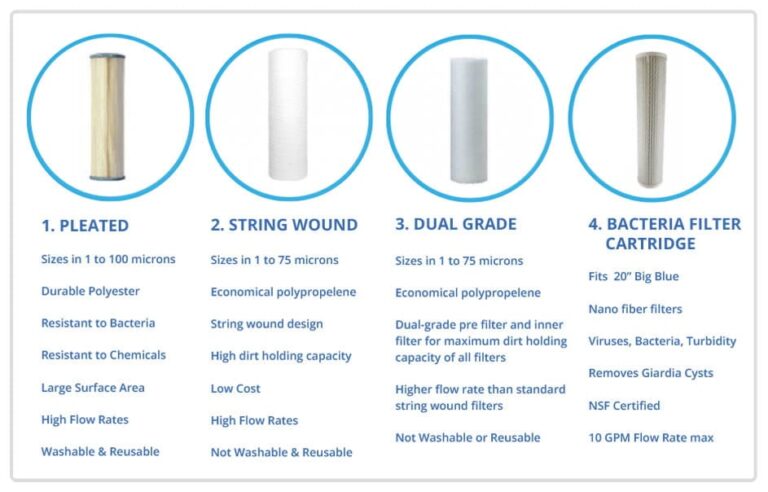
For example, a basic Culligan pitcher filter cartridge, designed for smaller volumes of drinking water, will have a much shorter lifespan than a whole-house filter system cartridge. These whole-house systems are built to handle significantly higher volumes and often include multiple stages of filtration for more robust purification.
Here’s a general breakdown of what you might encounter:
- Pitcher Filter Cartridges: Typically designed for drinking water, often rated for 40-60 gallons or 2-3 months. They focus on improving taste and odor, reducing chlorine, and removing common contaminants.
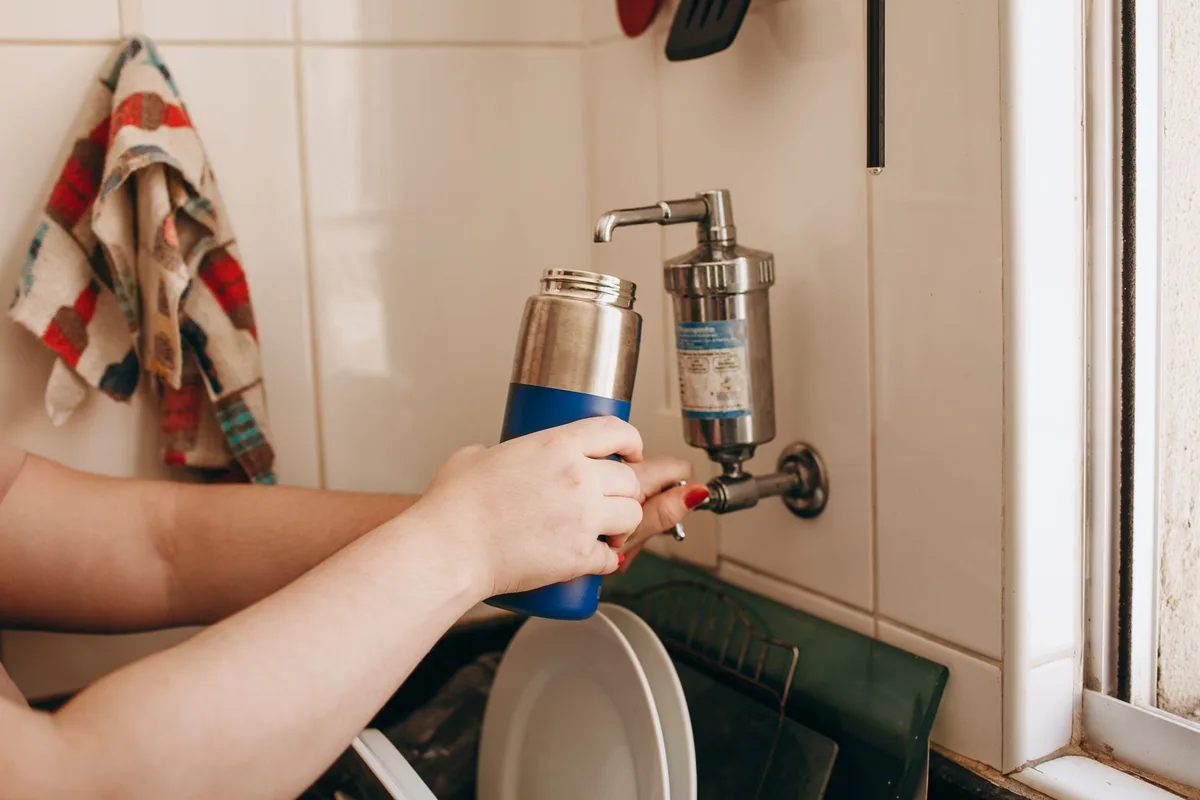
- Faucet Mount Filters: Similar to pitchers in terms of capacity and lifespan, but designed for direct attachment to your faucet for on-demand filtered water. Lifespans might be around 20-30 gallons or 2 months.
- Under-Sink Filters: These systems offer a step up, often with larger capacities and potentially longer lifespans, ranging from 3-12 months or hundreds of gallons, depending on the specific model and filter stage.
- Whole-House Filter Systems: These are engineered for maximum capacity and longevity. Replacement cartridges can last anywhere from 6 months to a year or even longer, with ratings often in the thousands of gallons, depending on the filter type (e.g., sediment vs. carbon block) and the complexity of the system.
Always check the specific product packaging or the official Culligan website for the exact specifications of your model.
Real-World Experience: Beyond the Manufacturer's Label
While manufacturer specifications give us a solid starting point, the conditions in your own home can lead to filters lasting longer or, more commonly, shorter than the estimated duration. Our analysis of aggregated user feedback and common troubleshooting reports reveals that real-world performance is often a more nuanced picture than the numbers on a box.
For instance, many users report that their filters need replacement sooner than the stated "X months" if their water quality is subpar. A filter rated for six months might need changing in four if the water has a lot of sediment. Conversely, someone with exceptionally pure water might find they can push the filter a bit beyond its recommended lifespan, though this isn't always advisable.
Here are some recurring themes from user experiences:
- Taste as the Primary Indicator: Many users rely on their senses. When the water starts tasting "off" or less fresh, it's time for a change, regardless of what the calendar says.
- "Closer to X Months" vs. "Exactly Y Months": It's rare for a filter to perform optimally for its absolute maximum stated time. Most users find a "sweet spot" slightly before the end of the recommended period.
- Varying Performance of Different Filter Models: Even within the Culligan brand, some models are perceived by users to be more robust or longer-lasting than others, suggesting that design and materials play a significant role beyond basic gallon ratings.
- Impact of Pre-filters: For whole-house systems, if a primary filter is preceded by a sediment pre-filter, the lifespan of the main filter can be significantly extended because the pre-filter catches the bulk of the particulates.
This real-world context is crucial because it highlights that the manufacturer's stated lifespan is an optimal estimate, not an absolute guarantee for every home.
Signs Your Culligan Filter Needs Changing ASAP
Sometimes, you can't wait for a calendar reminder; your filter will tell you when it's had enough. Paying attention to the subtle, and not-so-subtle, cues your water system gives you is key to ensuring you’re always drinking the best quality water.
Ignoring these signs means you might be drinking water that's no longer being effectively filtered, defeating the purpose of having a Culligan system in the first place. It's like driving on bald tires, it might still work, but it's not safe or efficient.
Here are the most common indicators that your Culligan filter needs immediate attention:
- Noticeable Change in Water Taste or Odor: This is the most immediate and most common sign. If your water starts tasting metallic, rubbery, or just "not clean" like it used to, the filter medium is likely saturated and can no longer adsorb the impurities causing these issues.
- Reduced Water Flow and Pressure: For faucet mount, under-sink, or whole-house systems, a significant drop in water pressure is a strong indicator that the filter is clogged with sediment or debris. The water has a harder time passing through the constricted filter media.
- Visible Cloudiness or Sediment in Water: If you start seeing particles floating in your water or the water appears visibly cloudy or murky after it passes through the filter, the filter has exceeded its capacity and is no longer trapping contaminants effectively.
- Filter Indicator Light/Meter Changes: Many modern Culligan systems come with built-in indicators (lights, digital displays, or simple manual timers) that signal when it's time to replace the filter. These are usually calibrated based on estimated usage or time, but they serve as a helpful reminder.
- Appearance of Mold or Mildew (Rare but Serious): In rare cases, if a filter is left unchanged for an exceedingly long time and is kept in a consistently humid environment, mold or mildew could potentially grow within the filter housing or on the filter itself. This is a clear sign for immediate replacement and thorough cleaning of the system.
These are not just everyday inconveniences; they are direct signals that your water filtration is compromised and it's time to take action.
Changing Your Culligan Filter: A Best Practice Guide
Swapping out your Culligan filter is a straightforward process, but doing it correctly ensures you get the most out of your new cartridge and your system. Following a few key steps can prevent leaks, ensure full filter engagement, and maintain optimal water flow.
The exact procedure can vary slightly depending on whether you're changing a pitcher cartridge, a faucet filter, or a whole-house system, but the general principles remain consistent. Always refer to your specific Culligan model's owner's manual for detailed instructions.
Here’s a general guide to changing your Culligan filter:
- Gather Your Supplies: You'll typically need your new, genuine Culligan replacement filter cartridge. For whole-house or under-sink systems, have a soft cloth or towel ready to wipe down housing and catch any drips. A filter wrench might also be necessary for some systems.
- Shut Off Water Supply: For any system connected to your plumbing (faucet mount, under-sink, whole-house), locate the shut-off valve for that line and turn it off. If it's a whole-house system, you might need to shut off the main water supply to your home. For pitcher filters, simply remove the pitcher from the refrigerator.
- Release Pressure (if applicable): For systems connected to plumbing, there might be a release button or valve to relieve any trapped water pressure before you unscrew components.
- Remove the Old Filter:
- Pitchers: Usually involves twisting and pulling the old cartridge out of the reservoir.
- Faucet/Under-Sink: This often requires unscrewing the filter housing or cartridge. Be prepared for a small amount of water to drain out.
- Whole-House: Typically involves unscrewing a large filter housing. A filter wrench may be needed to loosen it.
- Prepare the New Filter: Many new cartridges require rinsing under cold running water to flush out loose carbon fines and prepare the media. Check the specific instructions for your replacement filter. Do not remove any packaging until you are ready to install it.
- Install the New Filter: Ensure you insert the new cartridge correctly, aligning any tabs or notches. For housings, screw them back on snugly by hand first, then use a wrench for a final quarter-turn if recommended. Do not overtighten, as this can damage seals.
- Turn Water Supply Back On: Slowly turn the shut-off valve back on.
- Flush the System: Run water through the filter for several minutes (check instructions for duration, often 5-10 minutes) to flush out any air and fine particles. The water may appear cloudy or discolored initially; this is normal and will clear up.
- Check for Leaks: Inspect all connections and seals for any signs of dripping or leaks. If you find any, gently tighten the housing or connection.
A consistent replacement schedule, coupled with careful installation, ensures your Culligan system performs as intended.