Reverse Osmosis Water Filter vs Carbon Filter: Which Is Better?
Is DREO Countertop RO Good?
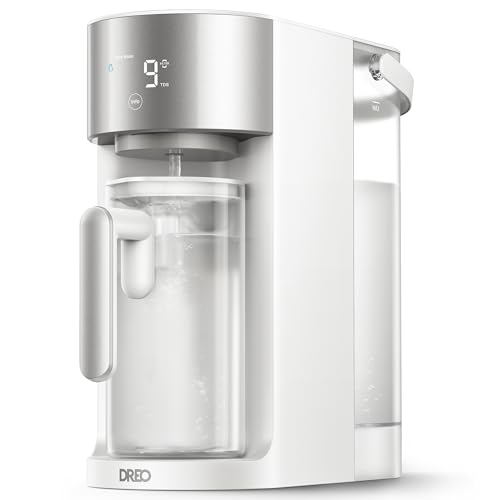
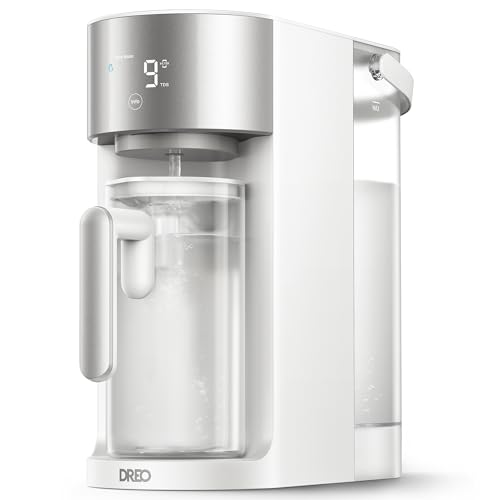
Yes, for people who want deeper filtration at the kitchen counter. The DREO countertop RO system uses reverse osmosis and includes a built-in TDS monitor, filter-life reminders, and an autofill pitcher. Its listed capacity is 3 liters, and the unit is designed for countertop use rather than a permanent under-sink install. For a U.S. apartment or rental, that setup can be very useful.
I cannot honestly claim personal hands-on testing of this exact unit. Based on its published design and specifications, I would choose it when dissolved minerals and a wider range of contaminants matter more than keeping the system as simple as possible. In the reverse osmosis water filter vs carbon filter debate, this is the stronger choice when filtration depth is the main goal.
What Makes It Stand Out / Key Features
- Reverse OsmosisUses an RO membrane to reduce many dissolved substances that basic carbon filters may leave behind.
- TDS MonitorShows total dissolved solids readings so users can track changes in water output.
- Filter ReminderHelps users know when filter service may be needed.
- Countertop DesignAvoids the permanent plumbing work often needed with under-sink RO systems.
- Autofill PitcherAdds convenience for daily drinking water and reduces the need to refill a separate container by hand.
- 3 Liter CapacityProvides a useful batch of filtered water for normal kitchen use.
- Pure-to-Drain RatioThe listed design uses a 3:1 pure-to-drain ratio, meaning it sends less water to drain than many older RO systems.
My Recommendation
Consider this type of RO system if you want stronger contaminant reduction and do not mind higher cost, power use, counter space, and some water waste.
| Best For | Why |
|---|---|
| Apartments and rentals | Countertop operation avoids major plumbing changes. |
| Homes with high TDS | RO is designed to reduce many dissolved substances. |
| People wanting deeper filtration | RO generally removes a wider range of dissolved contaminants than carbon alone. |
Is a Carbon Water Filter Good?
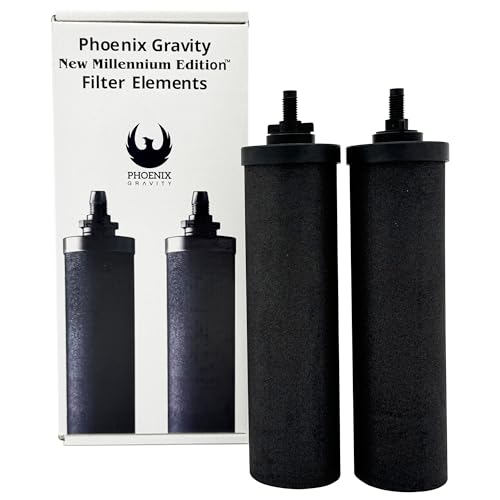
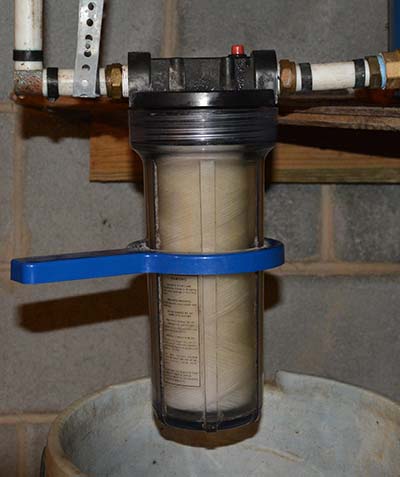
Yes, when your main goal is better taste, odor control, and simple filtration. Activated carbon works by adsorption. In plain words, some unwanted compounds stick to the carbon surface. Many carbon filters can reduce chlorine and improve taste and smell. Some certified models can also reduce specific contaminants such as certain volatile organic compounds or lead, but performance depends on the exact filter and certification.
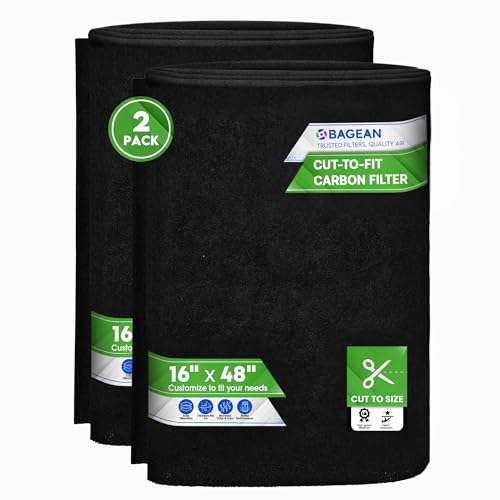
There is an important product-link issue here. The supplied ASIN B0DS2YCPW7 is a Bagean activated carbon air filter sheet made for air purifiers, vents, air conditioners, and range hoods. It is not a drinking-water filter. I would not use that product for water. For the reverse osmosis water filter vs carbon filter comparison, the carbon side should instead use a carbon filter that is specifically designed and certified for drinking water.
What Makes It Stand Out / Key Features
- Activated CarbonUses carbon media to adsorb certain chemicals and compounds from water.
- Taste ImprovementCarbon often works well at reducing chlorine taste and odor.
- Simple OperationMany carbon water filters work without electricity or a drain connection.
- Low Water WasteUnlike RO, a typical carbon filter does not need a continuous reject-water stream.
- Lower Entry CostBasic carbon filters are often less expensive than complete RO systems.
- Easy ReplacementMany carbon cartridges twist or slide into place with little effort.
- Certification MattersThe filter must be certified for the specific contaminant you want to reduce.
My Recommendation
Choose a certified carbon water filter when taste, chlorine, simplicity, and low waste matter most and you do not need broad dissolved-contaminant reduction.
| Best For | Why |
|---|---|
| City tap water | A suitable carbon filter can improve taste and chlorine odor. |
| Budget shoppers | Carbon systems are often cheaper and simpler to maintain. |
| Low-waste households | Carbon filtration normally does not send water down a drain during filtration. |
reverse osmosis water filter vs carbon filter: Side-by-Side Test
The reverse osmosis water filter vs carbon filter choice depends on what you want removed. RO focuses on broad reduction of dissolved substances. Carbon focuses on adsorption and is often excellent for chlorine, taste, and odor.
There is no single filter that wins every use case. Think of RO as a fine sieve for many dissolved substances, while carbon is more like a sponge that grabs certain compounds. The right choice starts with your water source and your target contaminants.
Filtration Power: Which Goes Deeper?
If your goal is broad reduction of dissolved contaminants, RO has a clear technical advantage over carbon alone.
| Feature | Product 1 | Product 2 |
|---|---|---|
| Dissolved solids | Strong reduction | Limited or little reduction |
| Chlorine | Usually handled by carbon stages or pretreatment | Often a strong use case |
| Many dissolved contaminants | Broad reduction potential | Depends on the exact media and certification |
| TDS reduction | Yes | Usually no |
⭐ Product A – 9/10 | Product B – 7/10
RO has the edge when broad dissolved-contaminant reduction is the main goal.
Taste and Odor: Which Wins?
Both can make water taste better, but activated carbon is especially useful for chlorine taste and odor.
| Feature | Product 1 | Product 2 |
|---|---|---|
| Chlorine taste | Can reduce it when carbon is included | Often very effective |
| Odor | Good with carbon pretreatment | Often good |
| Mineral taste | Can reduce it strongly | Usually leaves most minerals |
⭐ Product A – 8/10 | Product B – 9/10
Carbon has the edge for simple taste and chlorine improvement.
Waste and Water Use
This is one of the biggest differences in the reverse osmosis water filter vs carbon filter debate.
| Feature | Product 1 | Product 2 |
|---|---|---|
| Reject water | Yes | Normally no |
| Listed efficiency | 3:1 pure-to-drain ratio | No reject stream in normal use |
| Water conservation | Better than some older RO designs, but still creates waste | Very strong |
⭐ Product A – 7/10 | Product B – 10/10
Carbon has the edge for low water waste.
Cost: What Costs Less?
A basic carbon system usually costs less to buy, while RO brings more hardware and filter stages.
| Feature | Product 1 | Product 2 |
|---|---|---|
| Upfront cost | Usually higher | Usually lower |
| Energy use | Requires power for countertop operation | Usually no power |
| Filter cost | Usually higher | Usually lower |
| Water cost | Higher because of reject water | Low |
⭐ Product A – 7/10 | Product B – 9/10
Carbon has the edge when keeping ownership costs low matters most.
Installation and Daily Use
For renters, a countertop RO unit can solve a major problem: getting deeper filtration without changing the plumbing.
| Feature | Product 1 | Product 2 |
|---|---|---|
| Permanent plumbing | Not required for this countertop design | Usually not required |
| Electricity | Yes | Usually no |
| Counter space | Moderate | Usually low |
| Ease of use | High after setup | Very high |
⭐ Product A – 8/10 | Product B – 9/10
Carbon is simpler, while countertop RO offers a strong no-plumbing option for deeper filtration.
Maintenance: Which Is Easier?
Both need regular filter changes. RO systems simply have more parts to monitor.
| Feature | Product 1 | Product 2 |
|---|---|---|
| Filter replacement | Required | Required |
| Monitoring | TDS and filter-life features | Often simple or manual |
| Cleaning | More involved | Usually simple |
⭐ Product A – 8/10 | Product B – 9/10
Carbon has the edge for simple maintenance.
Best Match for U.S. Homes
American homes can have very different water sources, so the best filter depends on whether you have city water or a private well.
| Feature | Product 1 | Product 2 |
|---|---|---|
| Treated city water | Useful when broader reduction is wanted | Often enough for taste and chlorine |
| Private well | Potentially useful after water testing | Depends strongly on the contaminants |
| High TDS | Strong match | Poor match |
| Taste only | May be more than needed | Strong match |
⭐ Product A – 9/10 | Product B – 8/10
RO fits broader filtration needs, while carbon fits simpler taste and odor goals.
Final Verdict: Which Should You Buy?
The reverse osmosis water filter vs carbon filter choice comes down to your water and your priorities. Choose RO if you want strong reduction of dissolved substances, lower TDS, and deeper filtration. Choose carbon if you mainly want better taste and odor, low cost, simple care, and little water waste.
For the specific supplied products, the DREO unit is a real countertop RO system. The supplied B0DS2YCPW7 listing is not a drinking-water carbon filter, so I would not use it for this purpose. Always check the exact filter certification and the contaminants it is rated to reduce before buying.