How To Use A Brita Water Filter: Best Guide For Clean Water 2026
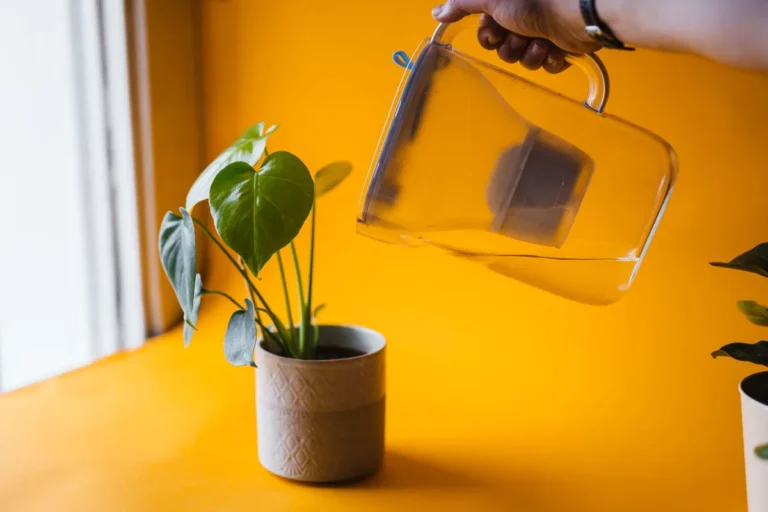
To use a Brita water filter, simply fill the reservoir with tap water, let it gravity-filter through the replaceable cartridge, and pour the clean water from the pitcher or dispenser.
If you've just brought home a Brita pitcher or maybe you're eyeing one online, you're probably wondering how it actually works and whether it's as easy as people say. After years of using different water filters in my own kitchen and helping friends set theirs up, I can tell you that Brita is one of the simplest systems out there. Once you get the hang of soaking the filter, swapping cartridges, and knowing when to refill, you'll wonder why you didn't start sooner. In this guide, I'll walk you through everything step by step, share a few personal tips, and answer the questions most people ask along the way.
Getting to Know Your Brita Water Filter
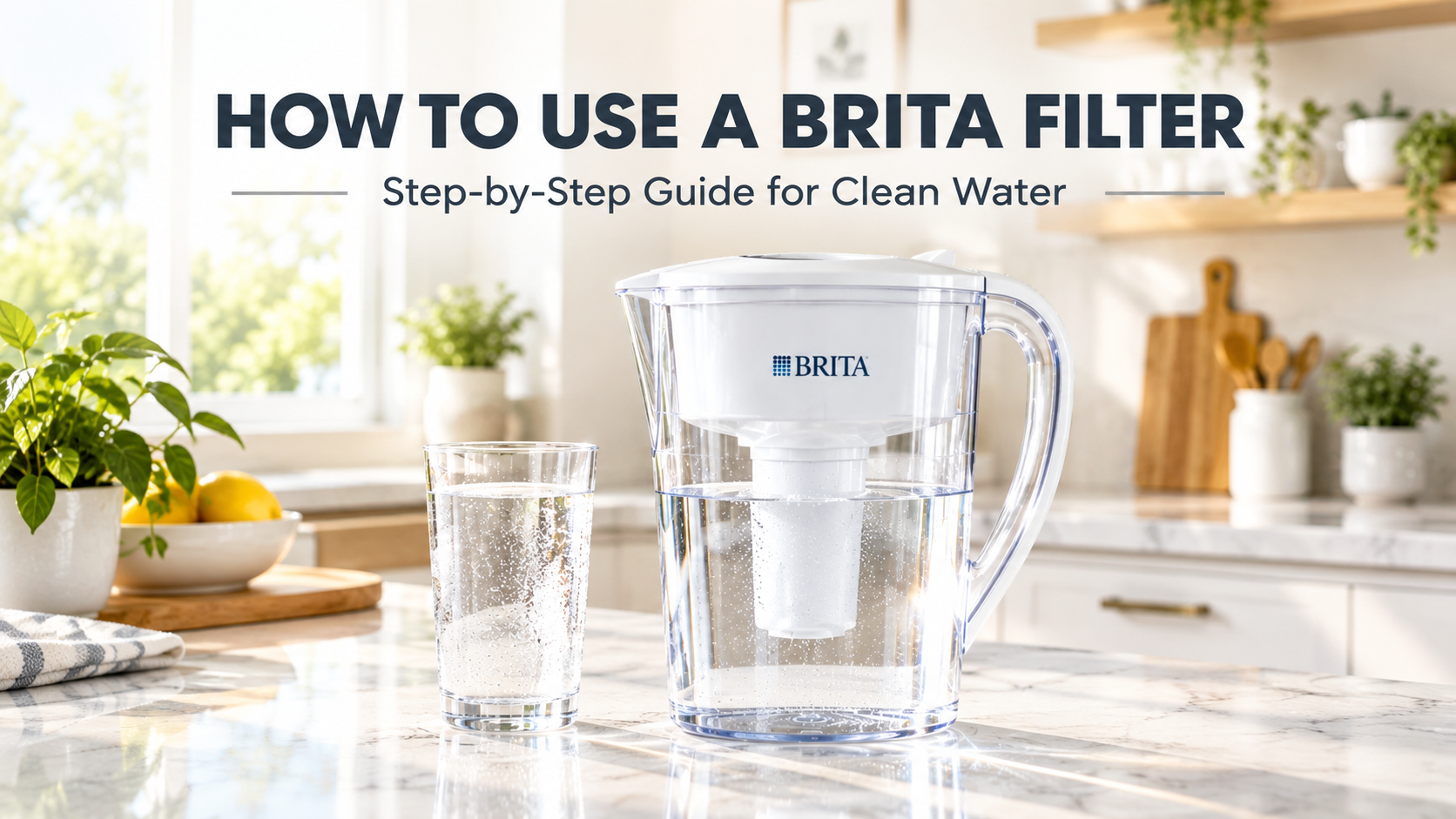
Before you start pouring water in, it helps to understand what you're actually working with. A Brita water filter is a small household pitcher or dispenser that uses a replaceable carbon filter to reduce common contaminants like chlorine, copper, cadmium, and mercury from your tap water. It also helps cut down on the taste and odor of chlorine, which is the number one reason most people buy one in the first place.
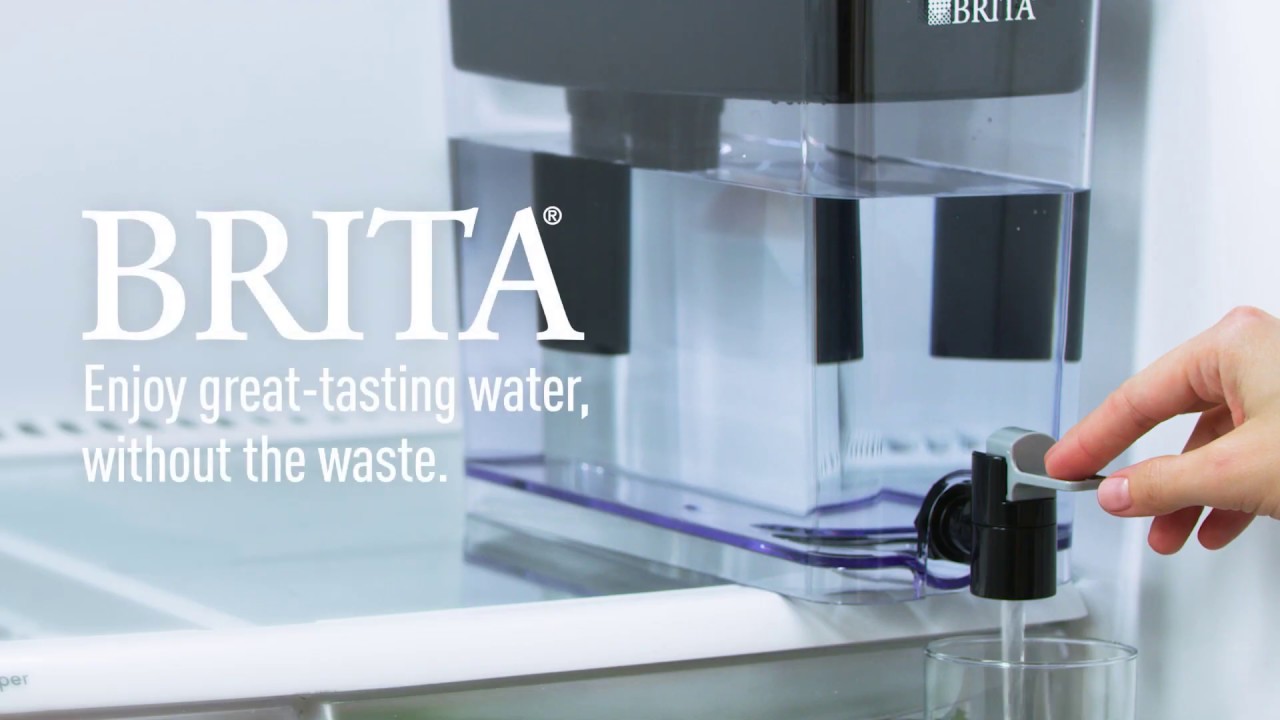
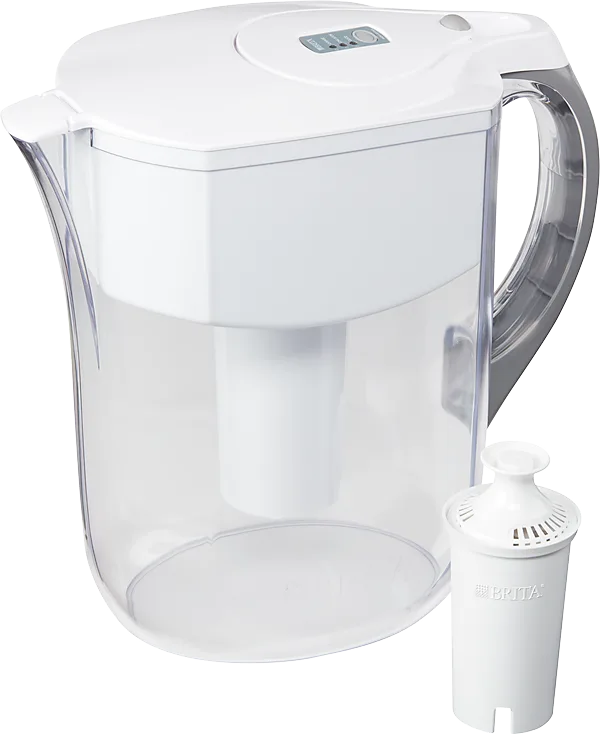
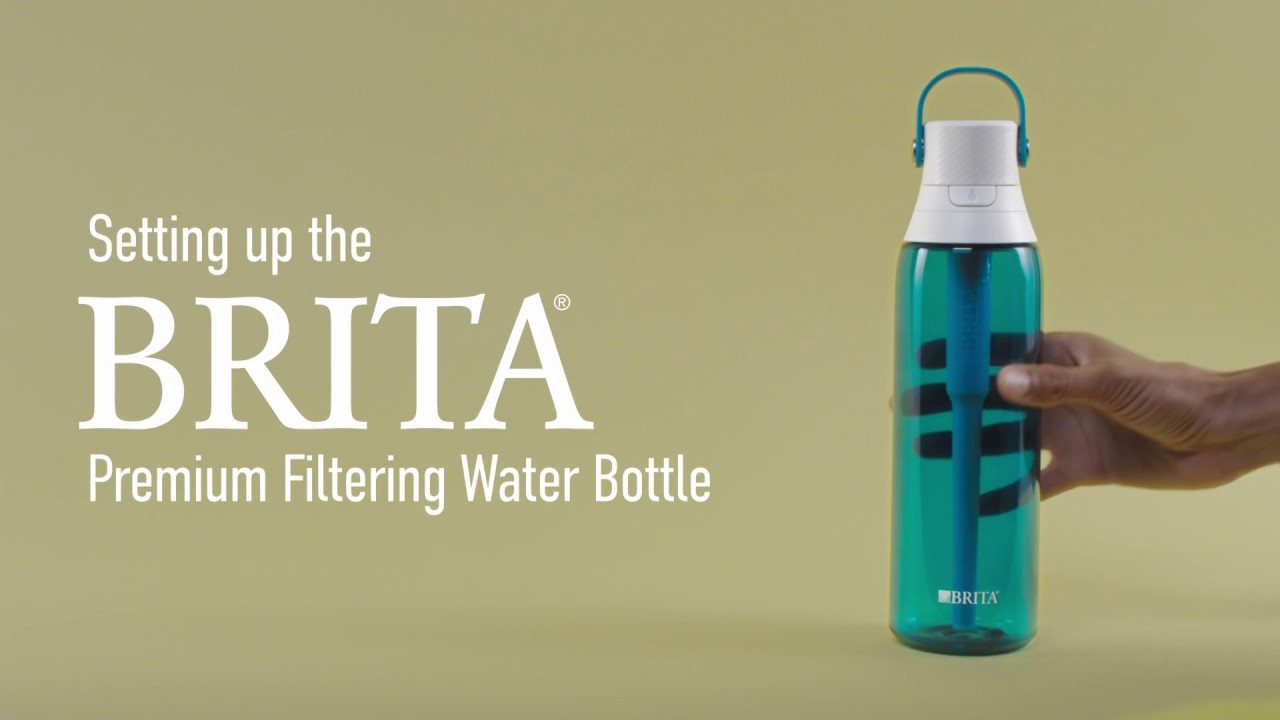
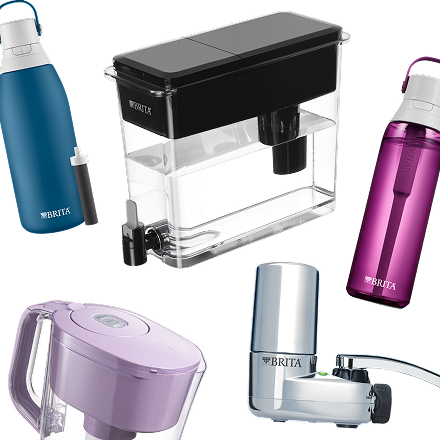
There are a few popular models you might come across. The classic Brita Pitcher is the most common, and it comes in sizes like 6-cup, 10-cup, and 11-cup. Then there's the Brita Dispenser, which holds a larger amount of filtered water and is great if you have a bigger household. There's also the Brita Bottle if you're someone who's always on the go. Most models work the same way, so once you learn one, you've learned them all.
Each filter cartridge is filled with activated carbon and an ion-exchange resin. As water passes through, the carbon traps impurities, and the resin reduces metals like lead and copper. Brita also has a "Longlast" filter that lasts longer and reduces more contaminants than the standard one, though it costs a bit more.
From my own experience, I started with the basic 10-cup pitcher and eventually upgraded to the Longlast filter when I learned more about what was coming out of my old pipes. The difference in taste was noticeable right away, especially after I moved to an area with harder water.
Unboxing and First-Time Setup
The first time you use your Brita, there's a small but important step that many people skip: soaking the filter cartridge. Brita actually recommends soaking the new filter in cold water for about 15 minutes before you put it into the pitcher. This helps activate the carbon inside and gets rid of any loose carbon dust. Skipping this step can lead to black specks floating in your water, which is harmless but definitely not appetizing.
Here's how to set it up from scratch:
- Remove the filter from its wrapper and submerge it in cold tap water for 15 minutes.
- Gently shake the filter under water a few times to release any loose particles.
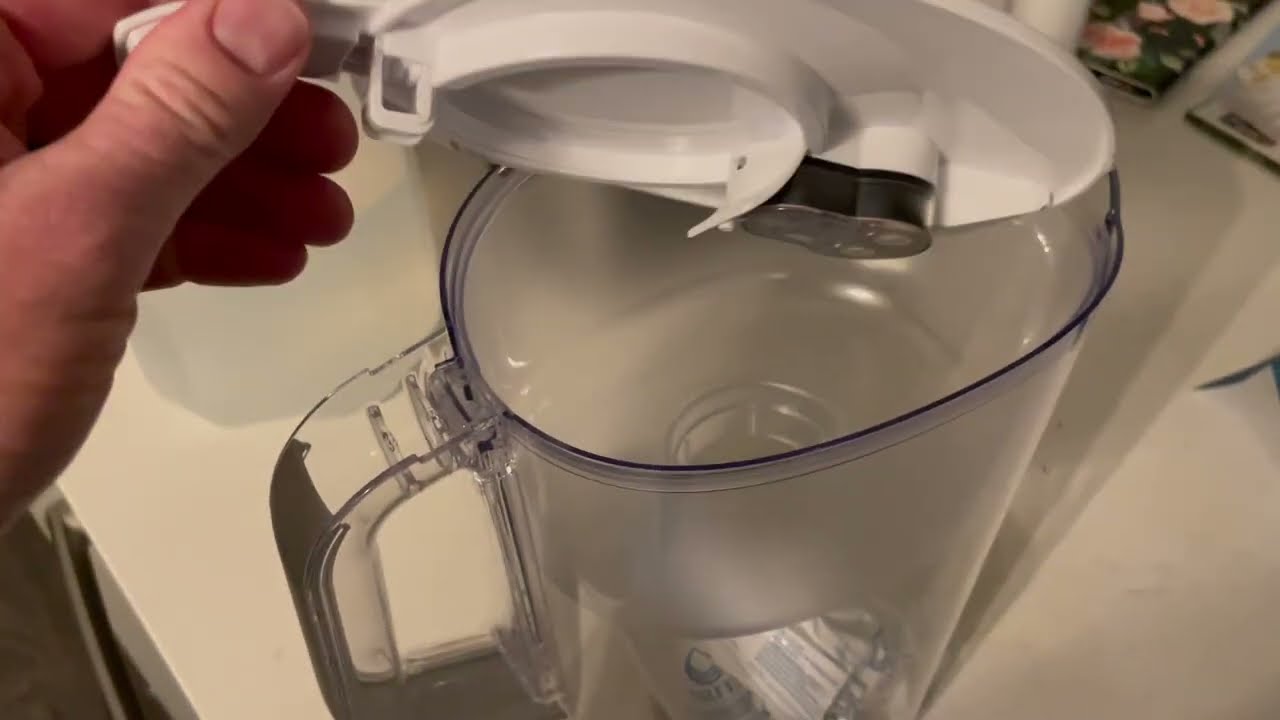
- Insert the filter into the reservoir holder inside the pitcher until it clicks into place.
- Fill the top reservoir with cold tap water.
- Let the water filter through into the bottom chamber and discard the first full pitcher of filtered water.
That first batch of water isn't meant to be drunk. It's called the "flush," and it cleans the filter one more time before regular use. Some people don't bother flushing, but I always recommend it. Your second pitcher will taste noticeably cleaner.
The whole setup takes maybe 20 minutes from start to finish, and after that, you're ready to start drinking filtered water every day.
How to Use a Brita Water Filter Daily
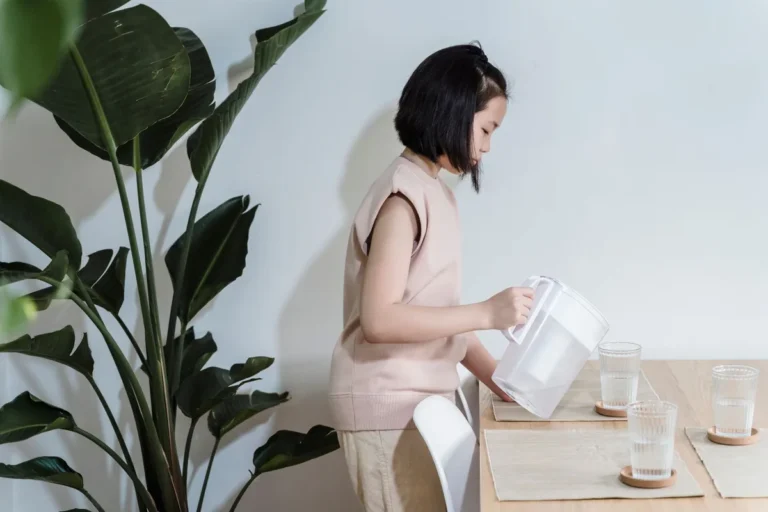
Using your Brita day to day is about as easy as it gets. You fill the top, wait a few minutes, and pour yourself a glass. But there are a few habits that will help you get the most out of your filter and keep it working the way it should.
Filling the Reservoir
Always start with cold tap water. Brita filters aren't designed to handle hot water, and running hot water through them can damage the carbon and resin inside. If you want hot water for tea or coffee, boil your filtered water afterward.
When you fill the top, leave a little space so the water doesn't overflow as it filters down. I learned this the hard way after a couple of soggy countertops. The reservoir will tell you how much water to add with a fill line.
Letting It Filter
Filtering speed depends on the model, but most Brita pitchers take around 5 to 15 minutes to fully filter a full reservoir. You don't need to babysit it. Just pour in the water, go do something else, and come back to a ready pitcher.
One thing I always do is leave the lid slightly off or open when filtering, just to let air escape. Some lids can create a bit of a vacuum and slow things down if they're sealed too tight.
Pouring Your Water
When the water has filtered through, lift the pitcher and pour as normal. The bottom chamber of a Brita pitcher isn't usually airtight, so don't leave it sitting with filtered water for too long. It's best to drink it within a day or two.
If you want cold, crisp filtered water, keep the pitcher in the fridge. That's my personal habit, and it makes the water taste even better.
When to Refill
Refill the reservoir whenever it's empty. There's no need to wait. Some people like to refill it at the same time every day, like in the morning or right before bed. That way it stays full and ready when you need it.
Replacing the Filter Cartridge
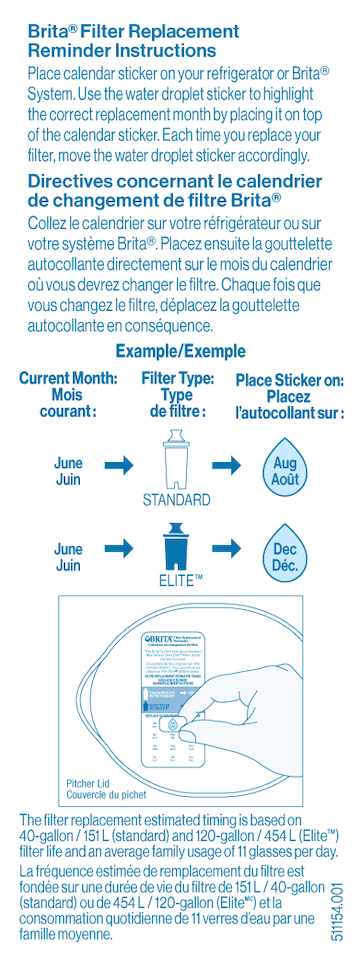
This is the part most people forget about. Brita filters don't last forever. A standard filter lasts about 40 gallons, or roughly two months for the average household. The Longlast filter goes up to 120 gallons, which is around six months.
Brita makes it easy to remember. Many newer pitchers have a built-in electronic indicator that lights up when it's time to change the filter. If yours doesn't have that, you can sign up for Brita's email reminders or just mark it on your calendar.
Here's how to swap out an old filter:
- Remove the used filter by pulling it out of the reservoir.
- Throw the old filter in the trash. Brita filters aren't recyclable in most curbside programs, but Brita has partnered with TerraCycle in some areas for recycling.
- Soak your new filter in cold water for 15 minutes.
- Insert the new filter into the reservoir until it clicks.
- Fill the reservoir and run a full flush before drinking the water.
Replacing the filter regularly is important. An old filter not only stops working, it can actually start growing bacteria inside the cartridge. That's why I never push mine past the recommended lifespan, even if the water still looks fine.
Cleaning and Maintaining Your Brita Pitcher
Brita pitchers are low-maintenance, but they still need a quick wash every now and then. I wash mine about once a week to keep things fresh.
To clean it:
- Hand wash the pitcher and lid with warm, soapy water.
- Avoid using abrasive sponges, which can scratch the plastic.
- Rinse thoroughly and let it air dry before putting it back together.
The reservoir is where mold and mildew can sneak in if you're not careful. I make it a habit to wipe the inside of the reservoir dry every time I do a full cleaning. It takes an extra minute but keeps everything sanitary.
Never put a Brita pitcher in the dishwasher. The hot water and harsh detergents can warp the plastic and damage the filter holder. Trust me, I ruined an older pitcher by trying to save time with the dishwasher. Lesson learned.

Common Mistakes to Avoid with Brita Filters
Even though they're easy to use, there are a few mistakes that can shorten the life of your filter or affect the water quality.
- Skipping the initial soak or flush. This leads to carbon dust in your water.
- Using hot water. It damages the filter media.
- Forgetting to replace the cartridge. Old filters lose effectiveness and can harbor bacteria.
- Putting the pitcher in the dishwasher. It can warp the plastic.
- Letting filtered water sit for days. It's not as protected as bottled water and can grow bacteria over time.
A friend of mine once thought her Brita was broken because her water tasted funny. Turns out, she'd been using the same filter for almost a year. After swapping it out, she said it tasted better than ever.
Why a Brita Filter Is Worth It
There are plenty of water filter options out there, from fancy under-sink systems to reverse osmosis setups. But Brita stands out for being simple, affordable, and effective for everyday use.
The benefits are pretty clear:
- Better-tasting water by reducing chlorine.
- Fewer contaminants like lead, copper, and mercury.
- No installation or plumbing required.
- Portable and easy to move.
- Cheaper than bottled water over time.
If you live in an apartment, rent a home, or just don't want to deal with drilling holes under your sink, a Brita is a great fit. It's also a good stepping stone if you're just starting to think about water quality in your home.
I've had one in my kitchen for years now, and it has saved me a lot of money compared to buying bottled water. Plus, it cuts down on plastic waste, which is a nice bonus.
Troubleshooting Tips for Brita Filters
Sometimes things don't go as smoothly as planned. Here are a few common issues and what to do about them.
The water is filtering very slowly. This can happen if the filter is new and hasn't fully activated, or if it's almost at the end of its life. Try soaking it a little longer or replacing it.
Black specks in the water. This is loose carbon dust. Run a couple of flushes and it should clear up.
The water tastes funny. This usually means the filter is old and needs replacing. If the filter is new, try running more flushes.
The pitcher leaks. Check that the filter is seated properly and that the lid is on tight. If the reservoir is cracked, Brita offers a warranty on most pitchers.
Most issues are minor and fixable in a few minutes. Brita's customer service is also pretty helpful if you get stuck.
Comparing Brita Filters: Standard vs Longlast
If you're trying to decide between filters, here's a quick comparison.
The Standard Brita Filter:
- Lasts about 40 gallons (2 months).
- Reduces chlorine, copper, cadmium, and mercury.
- Lower cost per filter.
The Brita Longlast Filter:
- Lasts about 120 gallons (6 months).
- Reduces chlorine, lead, mercury, cadmium, and asbestos.
- Higher upfront cost but fewer replacements.
For most people, the standard filter is plenty. But if you live in an older home with lead pipes or you're particularly concerned about heavy metals, the Longlast is worth the upgrade. I switched to Longlast when I moved into a house built in the 1950s, and I felt a lot better about the water my family was drinking.
Frequently Asked Questions
How long does a Brita filter take to filter water?
Most Brita pitchers take about 5 to 15 minutes to fully filter a full reservoir. The exact time depends on the model and how much water you've poured in.
Can you drink Brita filtered water right away?
Yes, but only after you've done the initial flush. Brita recommends running a full pitcher of water through a new filter and discarding it before drinking the next batch.
Is Brita water safe for pets?
Absolutely. Filtered Brita water is safe for cats, dogs, and other pets. Many pet owners use it to give their animals better-tasting water.
Can Brita filters be reused?
No. Brita filters are designed for one-time use and should be replaced once they've reached their capacity. Reusing an old filter can lead to reduced performance and bacterial growth.
Does Brita remove fluoride?
Standard Brita filters do not remove fluoride. If that's a concern, you'd need a more advanced filtration system like reverse osmosis.
How do I know when to change my Brita filter?
If your pitcher has a filter indicator, it will change color or light up when it's time. Otherwise, a standard filter should be replaced every 40 gallons or about two months, whichever comes first.
Conclusion
Using a Brita water filter is one of the easiest ways to improve the taste and quality of your tap water without spending a fortune or making permanent changes to your home. Once you remember to soak the filter, flush it the first time, and replace it on schedule, you're all set. From my own experience, the difference is immediate, and after a few weeks, you'll wonder how you ever drank unfiltered tap water. If you're just starting out, grab a basic pitcher and a pack of standard filters. You'll be drinking cleaner, better-tasting water in less than half an hour. If you found this guide helpful, drop a comment below with your own Brita tips or questions. And if you want to dive deeper into home water quality, stick around for more guides coming soon.