How Much It Cost To Install Water Filter System: 2026 Guide
Installing a water filter system typically costs between $200 and $5,000, depending on the type, complexity, and labor involved in your home.
If you've been wondering whether a water filter system is worth the investment and what it might actually cost you, you're in the right place. I've spent years researching home water filtration, talking to plumbers, and even installing a few systems myself in different houses. The truth is, the cost to install a water filter system can vary wildly based on what you're after. Some folks just want a simple pitcher filter, while others want the whole house filtered like a fancy spa. Let me walk you through everything you need to know, from the cheapest options to the high-end setups, so you can make a smart choice for your home and your wallet.
Understanding the Different Types of Water Filter Systems
Before we dive into the actual costs, it helps to understand what kinds of water filter systems are out there. Each one works differently, filters different things, and comes with its own price tag.
Pitcher and Faucet-Mounted Filters
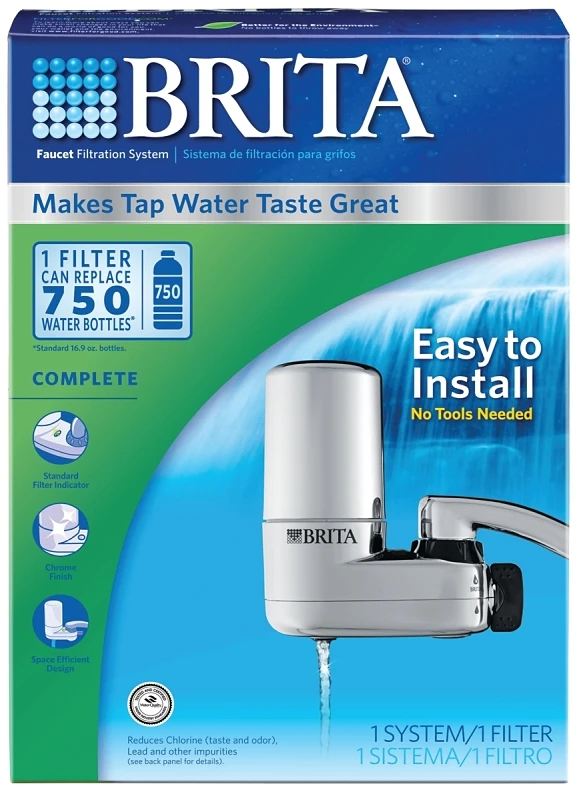
These are the simplest, most affordable options. A pitcher filter, like a Brita, costs around $20 to $50, and you just fill it from the tap. Faucet-mounted filters attach directly to your faucet and usually run between $30 and $100. Installation is basically zero effort. You just put it on and change the cartridges every couple of months.
Countertop and Under-Sink Filters
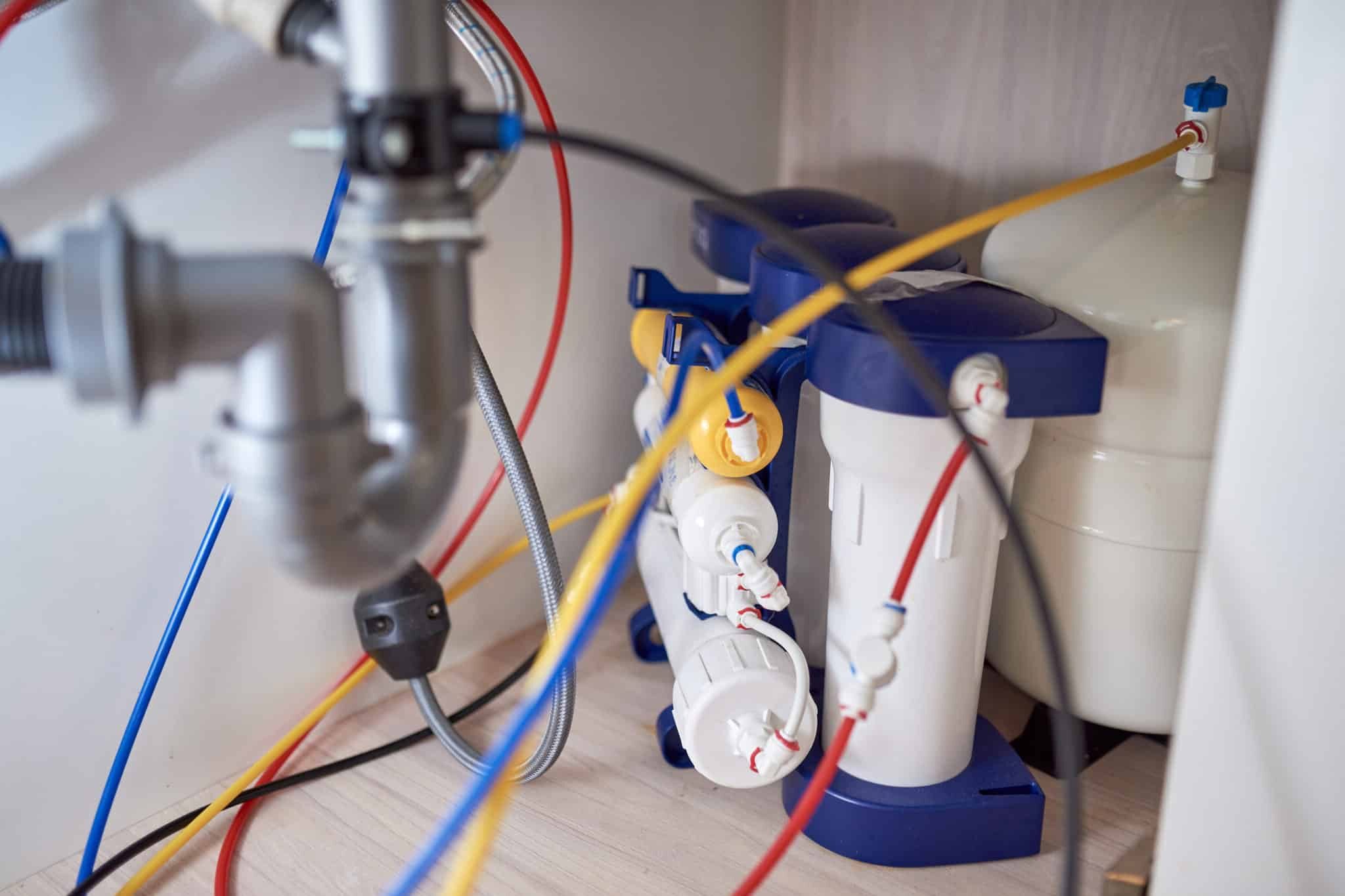
Countertop filters sit on your counter and connect to your faucet with a small hose. They typically cost $50 to $200 for the unit, with very little installation hassle. Under-sink filters hide neatly under your kitchen sink and usually run $100 to $500. These need a bit of basic plumbing, but most homeowners can handle it with a wrench and some patience.
Reverse Osmosis Systems
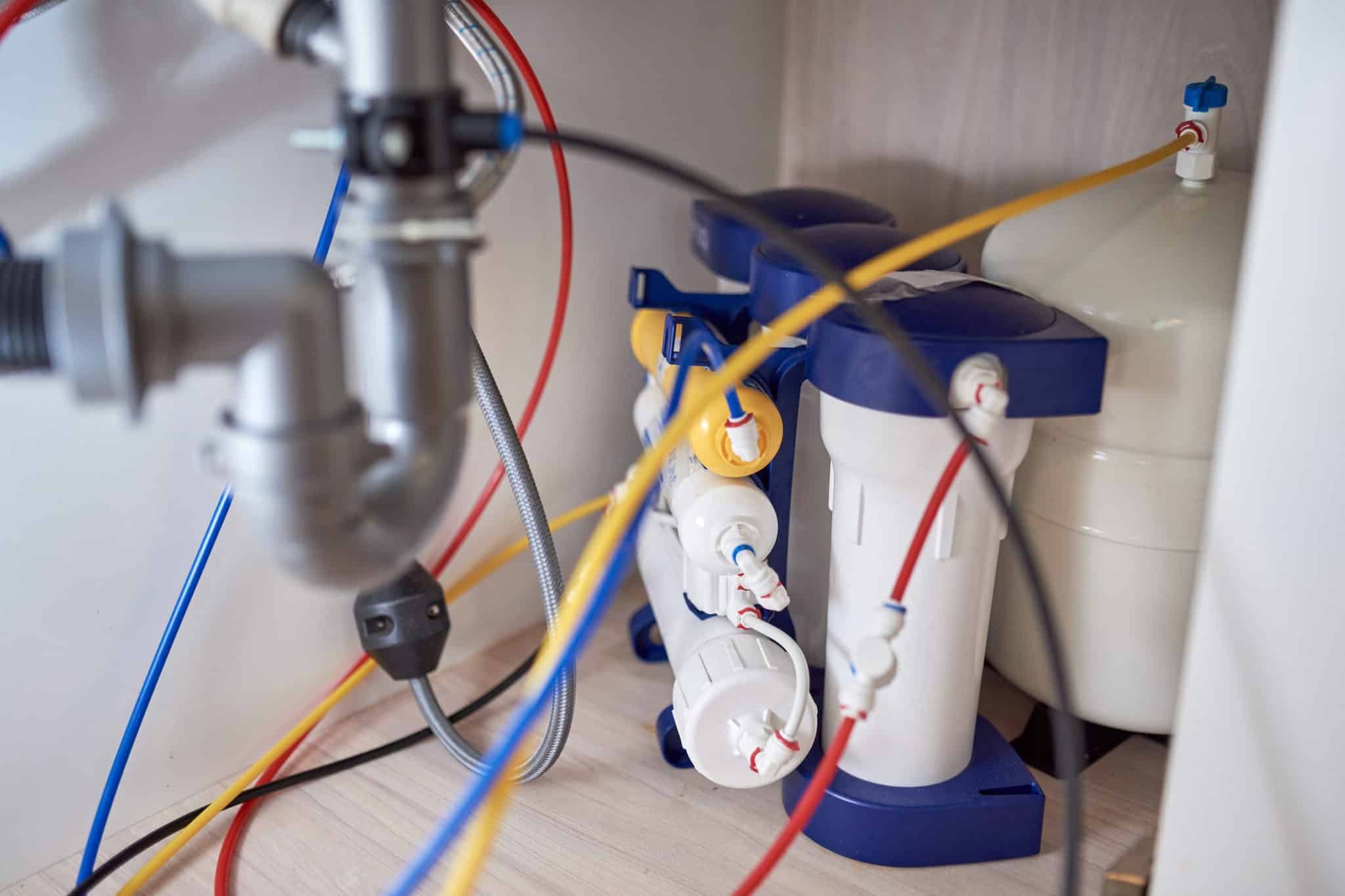
Reverse osmosis is the gold standard for serious filtration. It removes contaminants like lead, chlorine, fluoride, and even some bacteria. A good under-sink RO system costs between $200 and $1,000, plus professional installation if you want it done right. Whole-house reverse osmosis systems can run $1,000 to $5,000 or more because they're more complex.
Whole-House Water Filtration Systems
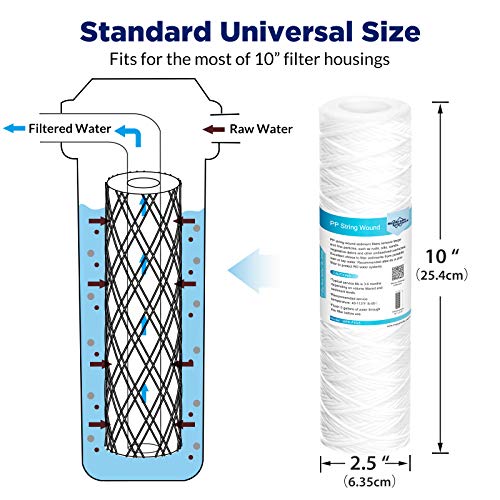
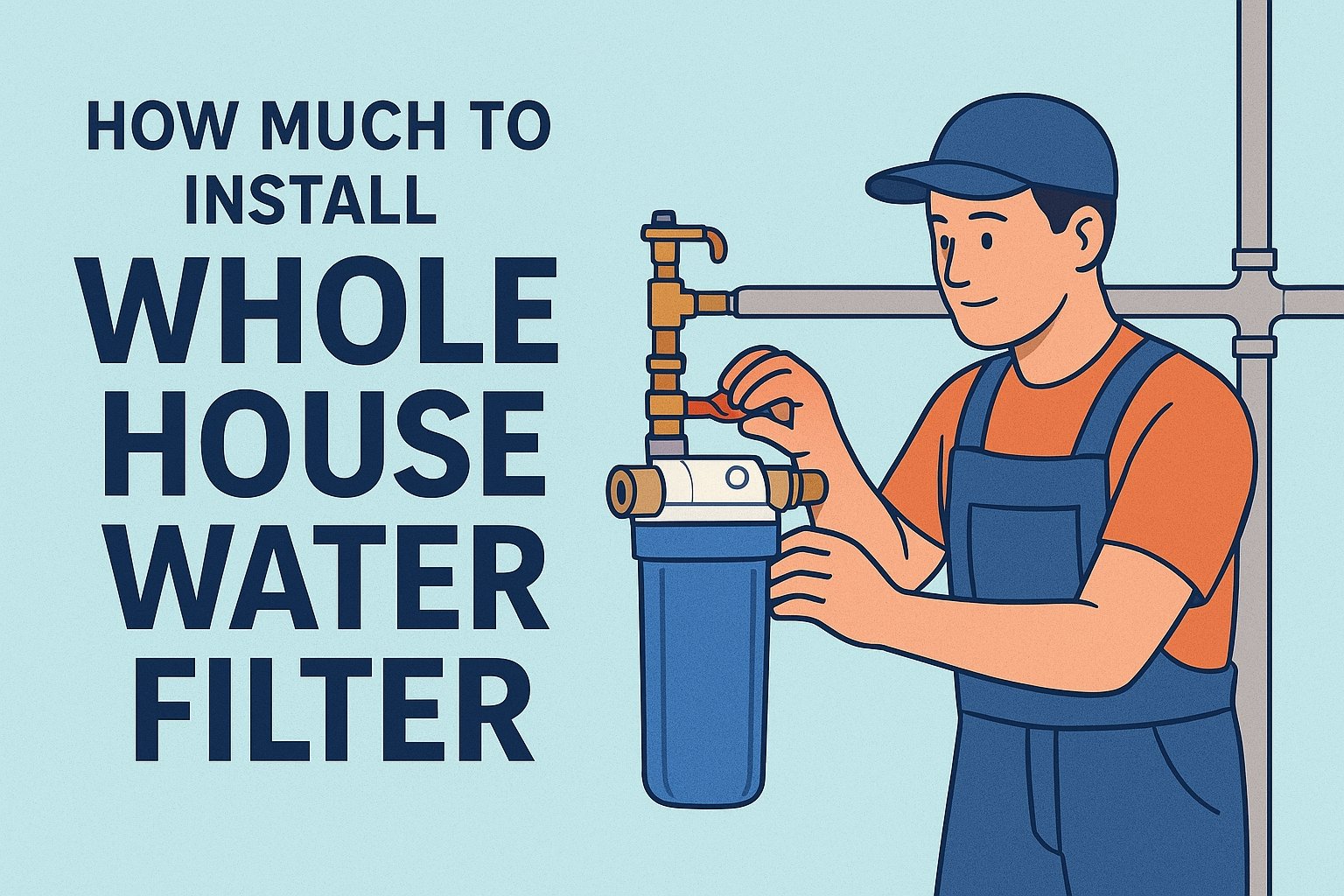
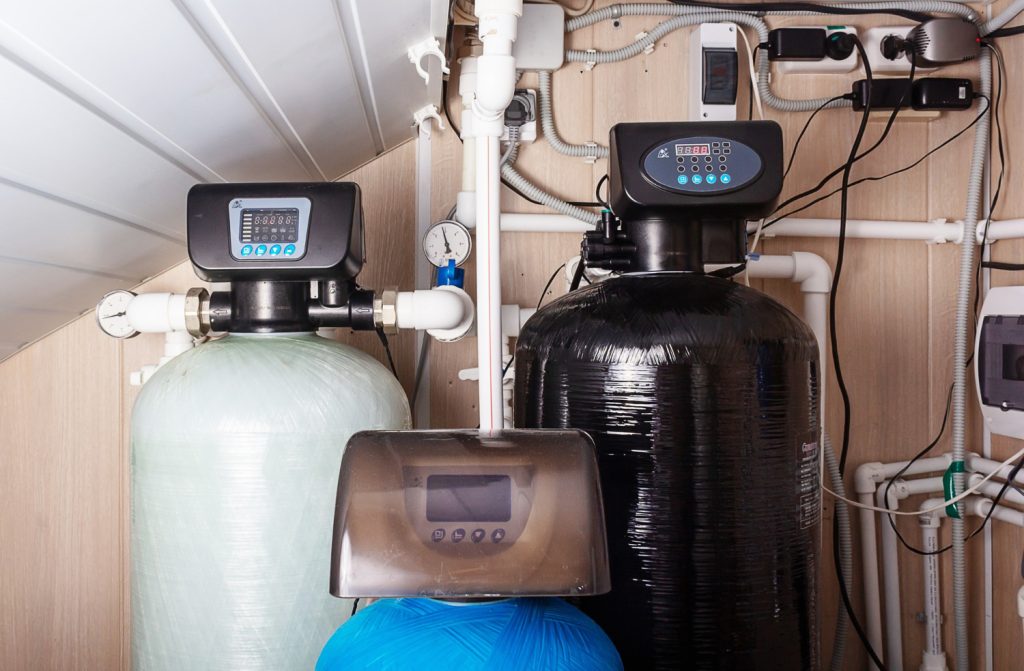
If you want every tap in your home to deliver clean water, a whole-house system is the way to go. These systems install at the point where water enters your house. Prices range from $500 for basic models to over $4,000 for high-end units with multiple filtration stages. Installation labor can add another $500 to $1,500 depending on how tricky your plumbing setup is.
Average Cost Breakdown by System Type
Let me break down the numbers more clearly so you can budget accordingly.
| System Type | Unit Cost | Installation Cost | Total Estimate |
|---|---|---|---|
| Pitcher Filter | $20 – $50 | $0 | $20 – $50 |
| Faucet-Mounted | $30 – $100 | $0 | $30 – $100 |
| Countertop | $50 – $200 | $0 – $50 | $50 – $250 |
| Under-Sink | $100 – $500 | $100 – $300 | $200 – $800 |
| Reverse Osmosis | $200 – $1,000 | $150 – $500 | $350 – $1,500 |
| Whole-House | $500 – $4,000 | $500 – $1,500 | $1,000 – $5,500 |
These are general ranges based on typical market prices. Your actual cost might be a little higher or lower depending on your location, the brand you pick, and the complexity of installation.
Factors That Affect Installation Costs
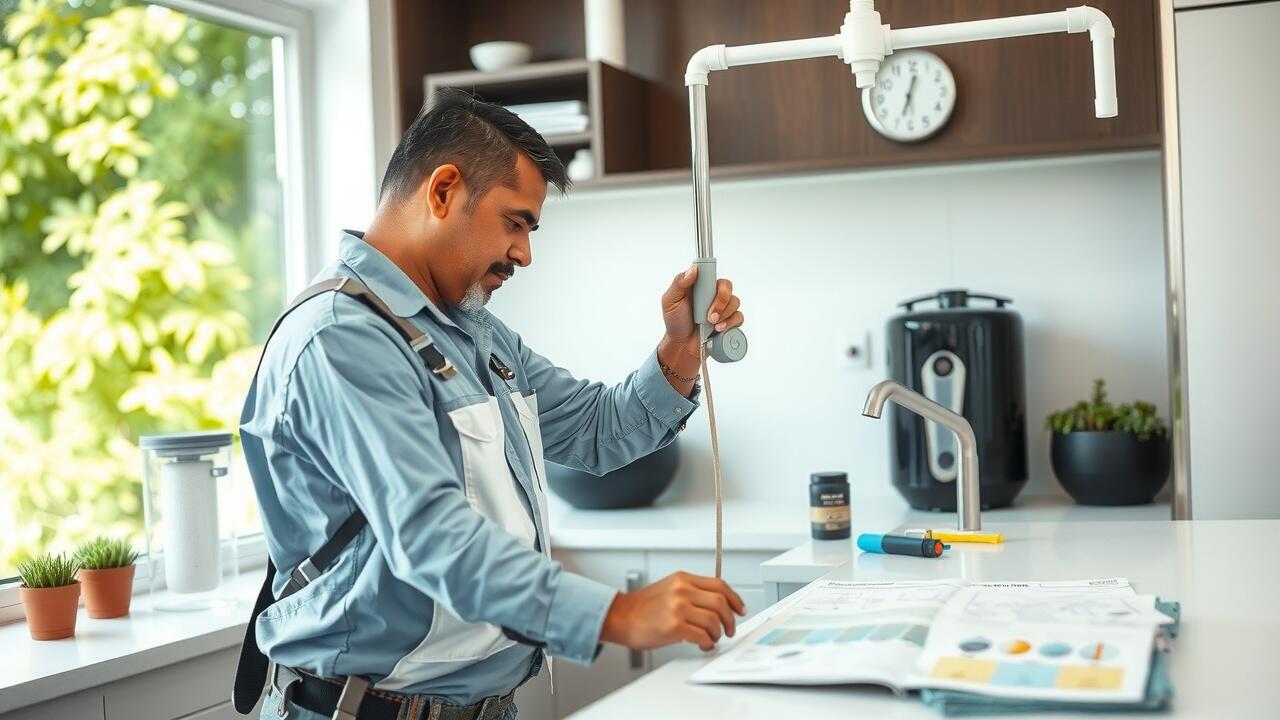
Not all homes are the same, and the cost to install a water filter system can change based on several things. Let me explain the biggest factors I've seen over the years.
Your Home's Plumbing Setup
Older homes with outdated or corroded pipes often cost more to work on. If your plumber has to replace a valve, cut into pipes, or modify your water line, the labor bill goes up. I once helped a friend install an under-sink RO system in a 1960s home, and the old shut-off valves were completely stuck. We had to replace them, which added about $80 to the project.
Location and Accessibility
Where you live plays a big role. Labor costs in big cities like New York or San Francisco are much higher than in smaller towns. Also, if your main water line is hard to reach, like behind a finished wall or under a concrete slab, installation gets pricier.
Filter Quality and Brand
Premium brands like Aqua-Pure, Culligan, or Pelican tend to cost more upfront but often last longer and filter better. Budget brands are cheaper but might not remove as many contaminants, and you may end up replacing cartridges more often.
Professional vs. DIY Installation
You can save a lot by installing some systems yourself, especially countertop and under-sink models. But for whole-house systems or complex reverse osmosis setups, hiring a pro is usually worth it. A bad DIY install can lead to leaks, water damage, or a system that doesn't work properly.
DIY Installation vs. Hiring a Professional
This is a question I get all the time, and the answer really depends on your skill level and the system you choose.
When DIY Makes Sense
If you're handy with basic tools and comfortable under the sink, you can install most under-sink or countertop filters yourself. YouTube is full of great tutorials, and most systems come with clear instructions. I've done several under-sink installs myself, and honestly, it took me about an hour each time. You only need a wrench, some Teflon tape, and a little patience.
When You Should Hire a Pro
For whole-house filtration systems, complex reverse osmosis setups, or anything involving your main water line, call a licensed plumber. These jobs require expertise, and mistakes can be costly. A professional plumber typically charges $50 to $150 per hour, and most installations take 2 to 6 hours. Yes, it adds to the cost, but it also gives you peace of mind and often comes with a warranty on the work.
My Personal Experience
I tried to install a whole-house carbon filter myself once to save money. Big mistake. I spent an entire Saturday fighting with rusted fittings and ended up calling a plumber anyway. He finished the job in three hours. I learned my lesson the hard way. Some things are worth paying for.
Ongoing Maintenance and Filter Replacement Costs
The initial installation isn't your only expense. You also need to think about ongoing maintenance.
Filter Cartridge Replacement
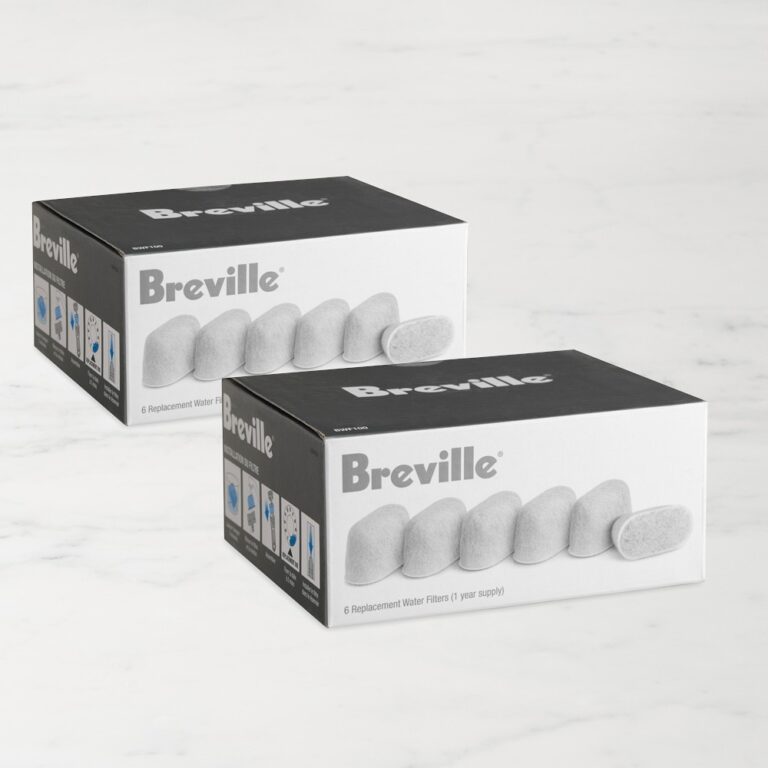
Most filters need to be replaced every 3 to 12 months, depending on the type and your water usage. Pitcher filters cost about $5 to $10 per month. Under-sink cartridges run $20 to $50 each. Whole-house systems can cost $50 to $200 per replacement filter, and some need multiple filters changed at different intervals.
Annual Maintenance Costs
For whole-house systems, plan on spending $100 to $300 per year on filters and occasional servicing. Reverse osmosis systems usually cost $50 to $150 per year for new filters and membrane replacements.
The Long-Term Investment
While these costs add up, think of it this way. A family of four using bottled water can easily spend $500 to $1,000 per year. A good filtration system pays for itself in a few years and reduces plastic waste. I switched to filtered water years ago, and my grocery bill dropped noticeably.
How to Save Money on Installation
Nobody wants to overspend, so here are some tried-and-true tips to keep costs down.
- Buy the system yourself instead of renting from a water company. Ownership saves you money over time.
- Get multiple quotes from plumbers before committing. Prices can vary by hundreds of dollars.
- Consider a simpler system if your water is already pretty clean. A basic under-sink filter might be all you need.
- Do the prep work yourself. Clear out under your sink, gather tools, and make the plumber's job easier.
- Look for rebates. Some local water utilities offer rebates for installing filtration systems.
- Buy filters in bulk online. They're often cheaper than at big box stores.
Signs You Need a Water Filter System
Not sure if you need one? Here are some common signs that your water could use a little help.
- Your water has a strange taste or smell
- You see sediment or particles in your tap water
- You live in an older home with old pipes
- Your local water report shows contaminants like lead or chlorine
- You have hard water that leaves spots on dishes and buildup in pipes
- You want to reduce your reliance on bottled water
If any of these sound familiar, a water filter system might be a smart investment for your health and your home.

Frequently Asked Questions
How long does it take to install a water filter system?
Most under-sink and countertop systems take 1 to 3 hours to install. Whole-house systems usually take 4 to 8 hours depending on the complexity of your plumbing. Professional plumbers can often finish faster, while DIY installs might take a full day for beginners.
Do I need a permit to install a water filter system?
In most cases, you don't need a permit for simple under-sink or countertop filters. However, for whole-house systems that require major plumbing changes, some municipalities require permits. Check with your local building department before starting work.
Can a water filter system increase my home's value?
Yes, a quality whole-house water filtration system can be a selling point and may increase your home's value, especially in areas with hard water or known water quality issues. Buyers often appreciate not having to install one themselves.
Are expensive water filter systems worth the money?
Higher-priced systems typically offer better filtration, longer-lasting components, and improved flow rates. However, the most expensive option isn't always necessary. Focus on what contaminants you need to remove and pick a system that handles those specific issues.
How do I know which water filter system is right for me?
Start by getting a copy of your local water quality report. Test your water if needed. Then match the contaminants you want to remove with the right type of filtration. For most homes, a combination of a whole-house carbon filter and an under-sink reverse osmosis system covers all the bases.
Conclusion
The cost to install a water filter system can range from as little as $20 for a simple pitcher to over $5,000 for a top-of-the-line whole-house setup. The right choice depends on your water quality, your budget, and how much filtration you actually need. My best advice is to start by testing your water, then pick a system that targets your specific concerns. Don't overspend on fancy features you won't use, but also don't go too cheap if your water has serious issues. Clean water is one of those things you really can't put a price on, and a good system will serve your family for many years. Take the time to do your homework, get a few quotes if you're going professional, and enjoy the peace of mind that comes with knowing every glass from your tap is clean and safe.