How To Clean A Water Filter: Easy 2026 Guide
Clean a water filter by rinsing it under cool running water, soaking it in a mild vinegar solution, and letting it dry fully before reinstalling.
I still remember the first time I noticed my filtered water tasting a little off. It wasn't dramatic, just a faint metallic edge that made my morning coffee taste flat. After years of dealing with everything from pitcher filters to under-sink systems, I've learned that a clean water filter is the secret behind every glass of crisp, refreshing water. Whether you're a homeowner, a renter, or someone who relies on a camping filter on weekend hikes, knowing how to clean a water filter the right way will keep your water safe, your system running smoothly, and your taste buds happy.

Why Cleaning Your Water Filter Matters More Than You Think
Think of your water filter like a hardworking bouncer at a club. It stands there day after night, catching all the unwanted guests — sediment, chlorine, bacteria, and other contaminants — so only the cleanest, freshest water gets through. But just like a bouncer who never gets a break, your filter eventually gets clogged, tired, and less effective. That's when the quality of your filtered water starts to drop, and you might even start wondering if the filter is doing anything at all.
When a filter gets dirty, it doesn't just slow down water flow. It can actually become a breeding ground for the very bacteria it's supposed to block. Moisture, organic matter, and trapped debris create the perfect environment for microbial growth. A neglected filter can release trapped contaminants back into your water, which defeats the whole purpose of having one.
From my own experience, I once ignored a slow-dripping refrigerator filter for way too long. When I finally pulled it out, I was shocked at the grayish slime coating the surface. That was my wake-up call. Now I treat filter cleaning like changing the oil in my car — it's non-negotiable maintenance.
How Often Should You Clean a Water Filter?
The answer depends on the type of filter you have and how much you use it. Here are some general guidelines I've picked up over the years:
- Pitcher filters like Brita or PUR should be rinsed every week and deep-cleaned once a month.
- Faucet-mounted filters typically need a light cleaning every 4-6 weeks.
- Under-sink or reverse osmosis filters usually have replaceable cartridges every 6 months, but the housings should be wiped down quarterly.
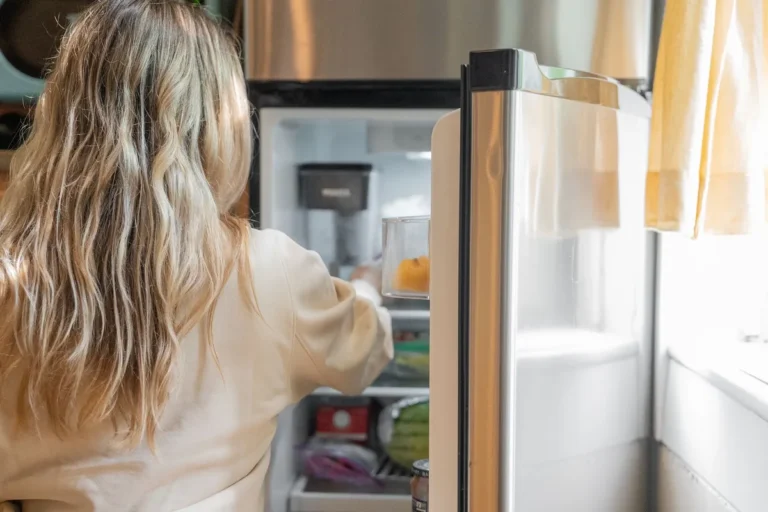
- Refrigerator water filters should be replaced every 6 months, though the surrounding area benefits from a quick wipe-down monthly.
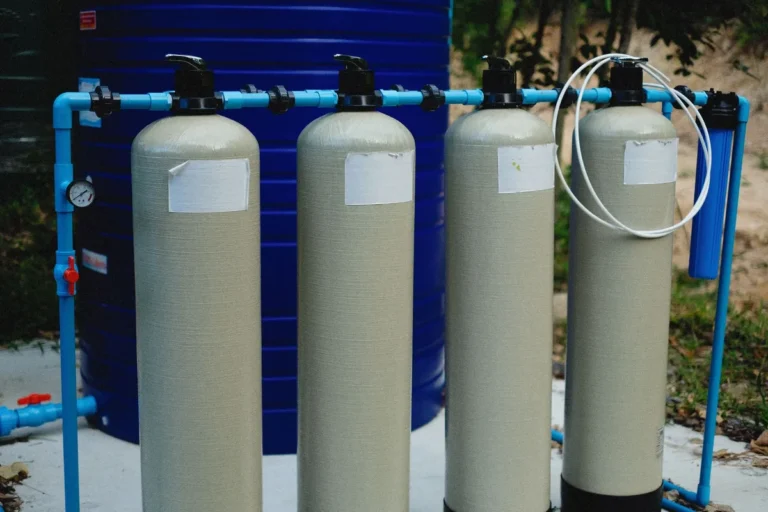
- Whole-house filters with sediment traps may need a rinse every 2-3 months depending on water quality.
- Camping or hiking filters like Sawyer or Katadyn should be backflushed after every trip and deep-cleaned if flow rate drops noticeably.
If your water is hard, comes from a well, or has visible sediment, you'll want to clean more often. If you're on city water, you can stretch the timeline a little, but never ignore the signs — slow flow, odd taste, or unusual odor.
What You'll Need to Clean a Water Filter
Before you start scrubbing away, gather your supplies. Most of these are probably already in your kitchen:
- Soft-bristle brush or old toothbrush
- Mild dish soap (fragrance-free if possible)
- White distilled vinegar
- Cool or lukewarm water (hot water can damage some filter media)
- Clean microfiber towels
- A small basin or bowl for soaking
- Replacement cartridges if it's time
Avoid harsh chemicals like bleach unless the manufacturer specifically says it's safe. Bleach can damage activated carbon and leave behind residues that affect taste and safety.
Step-by-Step Guide: How to Clean a Water Filter the Right Way
Step 1: Turn Off the Water Supply and Relieve Pressure
This step is especially important for under-sink, refrigerator, or whole-house filters. Shut off the valve feeding the filter, then open the faucet or dispenser to release any built-up pressure. I learned this lesson the hard way when I tried removing a housing unit without relieving the pressure first — water sprayed everywhere, and I spent the next ten minutes mopping the floor.
Step 2: Remove the Filter Carefully
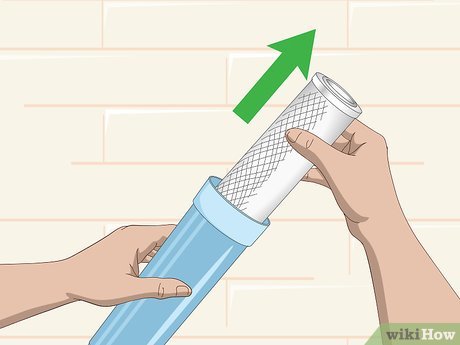
Depending on your system, this could mean twisting off a housing, pulling out a pitcher cartridge, or unscrewing a faucet attachment. Place a towel underneath to catch drips. If you're dealing with a replaceable cartridge, check the model number and order a replacement if it's past its lifespan.
Step 3: Rinse the Filter Under Cool Water
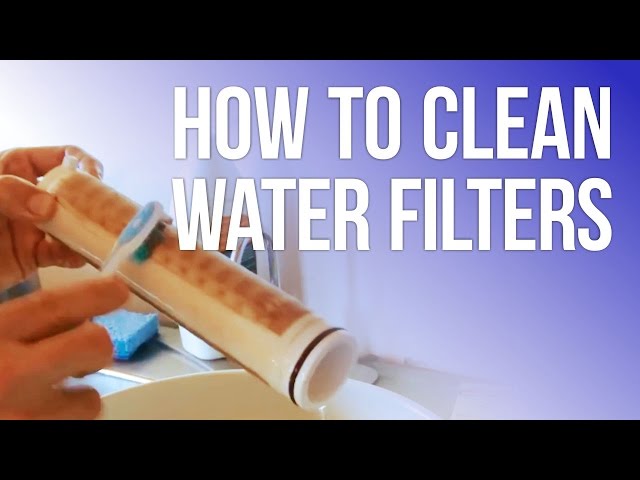
Hold the filter under gentle running water and let it flush away loose debris. Don't blast it with high pressure, especially if it's a pleated or membrane filter — you can tear the material. Use your hands to lightly rub the surface, dislodging any caked-on particles.
Step 4: Soak in a Vinegar Solution
For a deeper clean, fill a bowl with one part white vinegar to three parts cool water. Submerge the filter and let it soak for 15 to 30 minutes. Vinegar is a mild natural disinfectant that breaks down mineral buildup and kills some bacteria without leaving harmful residues. I love this step because it makes my kitchen smell like a pickle jar — not glamorous, but effective.
Step 5: Gently Scrub Stubborn Spots
After soaking, take your soft brush and work over any remaining discoloration or slime. For pitcher filters, pay attention to the mesh at the bottom. For faucet filters, focus on the nozzle where mineral deposits tend to build up.
Step 6: Rinse Again Thoroughly
This step is critical. You want to flush out every trace of vinegar and loosened debris. Rinse the filter under cool running water for at least a minute, or until the water runs clear and you no longer smell vinegar.
Step 7: Let It Air Dry Completely
Set the filter on a clean microfiber towel and let it air dry fully before reinstalling. Putting a damp filter back in a dark housing is like sending out an invitation to mold and bacteria. Give it at least an hour, or overnight if you have the patience.
Step 8: Reassemble and Test
Put everything back together, turn the water supply back on slowly, and run water for a few minutes. This flushes the system and removes any air pockets. Check for leaks around the housing. If everything looks good, you're done.

Different Filters, Different Approaches
Not all water filters are created equal, and cleaning them isn't a one-size-fits-all deal.
Activated Carbon Filters
These are the most common household filters. They're great at removing chlorine, odors, and some organic compounds. They can't be washed in the traditional sense because water damages the carbon structure. Instead, you can rinse the housing and exterior, then replace the cartridge as recommended. If your tap water is heavily chlorinated, the carbon will absorb faster and lose effectiveness sooner.
Reverse Osmosis Filters
RO systems are more complex, with multiple stages including sediment, carbon, and a membrane. The housings can be cleaned with mild soap and water, but the membrane itself usually needs replacement every 2-3 years. If you're not comfortable with this kind of maintenance, a professional service is worth the investment.
Ceramic and Gravity Filters
These are common in camping and emergency preparedness kits. They can be scrubbed gently under running water with a soft brush. Avoid soap because it can clog the ceramic pores. Some models are dishwasher-safe, but always check the manual first.
Inline and Refrigerator Filters
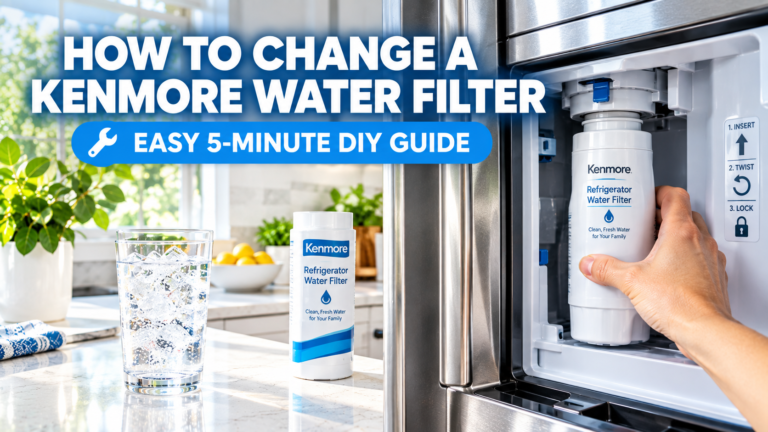
These are usually disposable cartridges that snap in and out. You can't clean the inside of the cartridge, but you should wipe down the housing and the area around it. Run a few cups of water through after replacing to clear out loose carbon fines.
Common Mistakes to Avoid When Cleaning a Water Filter
Over the years, I've seen people make some well-intentioned mistakes that actually shortened the life of their filters or made the water worse. Here are the big ones to watch out for:
- Using hot water. It can warp plastic housings and damage sensitive filter media like activated carbon or reverse osmosis membranes.
- Skipping the vinegar soak. A quick rinse alone won't break down mineral scale or biofilm.
- Using bleach or harsh chemicals. These can leave residues that are hard to flush out and may damage filter materials.
- Reinstalling while still wet. Trapped moisture invites mold and bacteria growth.
- Waiting too long between cleanings. If your filter smells off or the flow has slowed, it's overdue.
- Forgetting to replace cartridges. No amount of cleaning will fix an exhausted filter cartridge.
How to Tell When It's Time to Replace Instead of Clean
Sometimes cleaning isn't enough. Here are the signs that your filter has reached the end of its useful life:
- Noticeable drop in water flow even after cleaning
- Filter media looks worn, frayed, or discolored beyond normal use
- Water tastes odd even after flushing
- It's been longer than the manufacturer's recommended lifespan
- You notice visible cracks or damage to the housing
A good rule of thumb I follow is to mark my calendar when I install a new filter. Six months flies by faster than you'd think, and it's easy to forget.
Seasonal Tips for Filter Maintenance
Your water filter has to work harder during certain times of the year. During spring, melting snow and rain can stir up extra sediment in municipal systems. Summer often means higher water usage, which puts more demand on your filter. Fall is a great time for a deep clean before winter, when freezing temperatures can affect outdoor filter lines. In winter, make sure any filters in unheated spaces are insulated or drained to prevent cracking.
I always do a full clean in early spring and another in early fall. It's become a habit, like rotating tires, and it keeps everything running smoothly.
Eco-Friendly Cleaning Tips
If you're trying to keep things sustainable, you're in luck. Cleaning your water filter regularly extends its life, which means fewer cartridges in landfills. Here are a few ways to make the process greener:
- Use distilled white vinegar instead of chemical cleaners
- Reuse old toothbrushes and soft brushes for scrubbing
- Air dry instead of using paper towels
- Compost any loose sediment you rinse out, as long as it's not contaminated
- Recycle old cartridges through the manufacturer's take-back program if available
When to Call a Professional
Most filter cleaning is a straightforward DIY job, but there are times when calling a plumber or water treatment specialist makes sense. If you have a whole-house filtration system, a reverse osmosis setup, or you notice persistent issues like leaks, low pressure, or strange noises, it's worth getting a professional opinion. The cost of a service call is small compared to the cost of replacing an entire filtration setup because of neglect.
Frequently Asked Questions
Can I use soap to clean a water filter?
It's best to avoid soap on the filter media itself, especially for carbon, ceramic, or reverse osmosis filters. Soap can leave residues that are hard to rinse out and affect water taste. You can use a tiny amount of mild dish soap on the plastic housing or exterior parts, but rinse thoroughly.
How do I clean a water filter that has mold or mildew?
If you spot visible mold, soak the filter in a solution of one part white vinegar to four parts water for at least 30 minutes. Scrub gently with a soft brush, rinse well, and let it dry completely in sunlight if possible. If the mold has penetrated deep into the filter media, it's safer to replace the cartridge.
Is it safe to clean a water filter with bleach?
Only if the manufacturer specifically approves it, and only in highly diluted amounts. Generally, a weak bleach soak (one tablespoon per gallon of water) is used for sanitizing housings, not the filter media itself. Always rinse thoroughly and follow the product manual.
How long does a cleaned water filter last?
Cleaning extends the functional life of the filter media and the housing, but cartridges still need to be replaced on schedule. Most activated carbon cartridges last 2-6 months, depending on usage and water quality. Cleaning won't reset the lifespan, but it can keep performance steady until it's time for a swap.
Can I put my water filter in the dishwasher?
Generally, no. The high heat can warp plastic components and damage filter media. Hand washing with cool water and mild soap is the safer route for any components that are dishwasher-safe.
Final Thoughts
A clean water filter is the foundation of great-tasting, safe drinking water. Whether you're filling a glass from your fridge, drawing a pitcher for dinner, or filling a bottle before a hike, a well-maintained filter makes every sip better. Set a reminder on your phone, mark your calendar, or tie it to another routine task like changing your smoke detector batteries. A few minutes of cleaning every few weeks can save you from unpleasant tastes, clogged systems, and the cost of premature replacements. Take care of your filter, and it will take care of you.