How Often Should You Change a Refrigerator Water Filter: Easy Guide
Most refrigerators need a water filter change every six months, but usage, water quality, and filter type can shift that window shorter or longer. Picture your fridge water filter as the unsung hero of your kitchen. It quietly scrubs out chlorine, lead, and sediment before they ever reach your glass. Skip its swap-out, and that hero turns into a silent saboteur, letting contaminants sneak right back in.
I've been elbow-deep in appliance maintenance for over a decade, helping homeowners and renters figure out everything from quirky ice makers to finicky water dispensers. Replacing a fridge filter is one of those small chores people forget until their water tastes funky. That one slip can lead to a clogged filter, bacterial buildup, or even reduced water flow that quietly signals something's off. Knowing exactly how often to change a refrigerator water filter keeps your water crisp, your ice crystal-clear, and your fridge humming happily for years.
Why Changing Your Refrigerator Water Filter Matters
Your fridge filter works hard every single day. It traps chlorine, rust, cysts, and even traces of heavy metals that might hitch a ride through your pipes. The longer it sits there, the less effective it becomes. Eventually, it gets clogged, and contaminants start passing right through.
Here's the thing: most people don't realize their filter has a shelf life because it doesn't look dirty. A used filter can still appear white and clean while quietly losing its filtering power. That's why manufacturers stamp a recommended replacement window right on the package. Ignoring it doesn't just affect taste. It impacts your health and the lifespan of your fridge's internal parts.
A dirty or clogged filter forces your refrigerator's water pump to work harder. Over time, that added strain can wear out valves, lines, and even the ice maker itself. A fresh filter protects not only your drinking water but also the appliance that delivers it.
How Often Should You Change a Refrigerator Water Filter
The standard recommendation is every six months or after filtering about 300 gallons of water, whichever comes first. That number comes straight from NSF International and most major fridge manufacturers, including Whirlpool, GE, Samsung, LG, and Frigidaire.
But that's the textbook answer. Real life is messier. Here's a closer look at the factors that can nudge that timeline.
The Six-Month Rule Explained
Most filters are designed to handle roughly 100 gallons of filtered water per month. If your household runs through about 50 gallons monthly, you're right on track with a six-month replacement. But families that drink more, fill pitchers constantly, or make lots of ice may hit that 300-gallon mark in just three to four months.
The six-month rule is also tied to bacterial growth. Even the best filters can become breeding grounds for microorganisms over time, especially in humid environments. Replacing the filter twice a year ensures bacteria don't get a chance to settle in.
Signs You Need to Change Your Filter Sooner
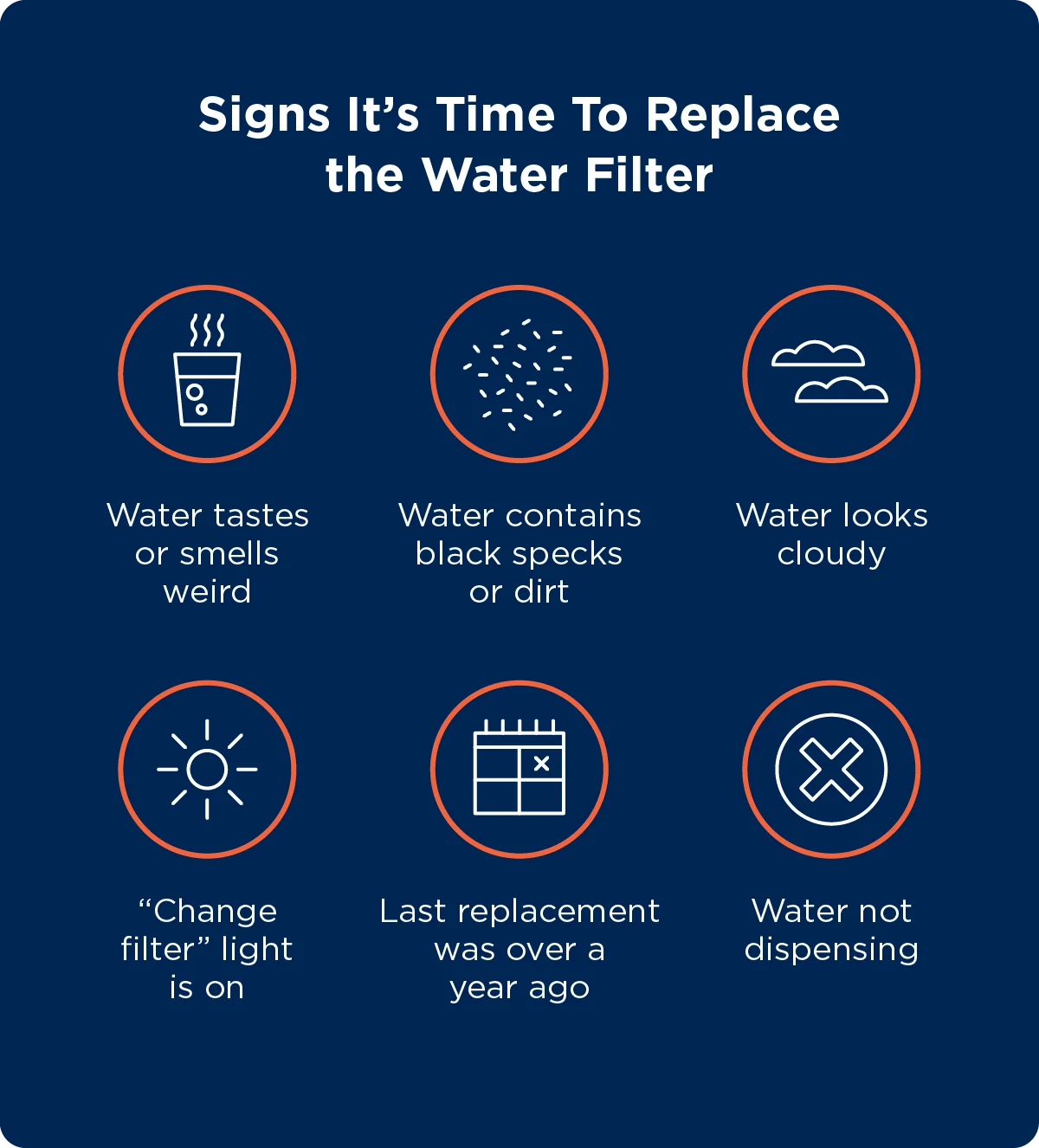
Sometimes your fridge will tell you it's time before the clock runs out. Watch for these red flags:
- Water tastes or smells off, even slightly metallic or musty
- Ice cubes look cloudy or have tiny flecks inside
- Water flow from the dispenser slows down noticeably
- The filter indicator light on your fridge turns red or flashes
- You notice sediment floating in your water glass
If any of these show up, don't wait. Swap the filter immediately.
Does Water Quality Affect Replacement Frequency?
Absolutely. If you live in an area with hard water, sediment-heavy pipes, or well water, your filter works overtime. Hard water leaves mineral deposits that clog filters faster. In regions with softer municipal water, filters often last closer to the full six months.
If you've recently moved into a new home or your water source has changed, consider replacing the filter earlier. Think of it as giving your fridge a clean slate.
How Filter Type Changes the Schedule
Not all filters are built the same. Here's a quick breakdown:
- Standard carbon filters – Replace every 6 months
- High-capacity filters – Can last 9 to 12 months depending on usage
- Reverse osmosis systems – Filter changes every 12 months, with membrane replacement every 2 years
- Inline filters for fridges without built-in dispensers – Replace annually
Always check your owner's manual for the manufacturer's exact recommendation.
How to Know When Your Refrigerator Filter Is Due
Modern refrigerators are smart. Many models have built-in indicators that track water usage and time automatically. If your fridge doesn't have one, you can do a few simple tricks to keep track.
Use the Built-in Indicator Light
Many newer LG, Samsung, and Whirlpool models come with a filter status light. It usually glows green when the filter is fresh, shifts to yellow as the six-month mark approaches, and turns red when it's time to replace it.
If you replaced your filter recently, reset it after installation. Most fridges require you to press and hold a reset button for three seconds. This resets the timer so it counts down to your next change.
Track It Manually if There's No Light
If your fridge doesn't have an indicator, set a reminder on your phone or write it on your calendar. A simple sticky note on the fridge works too. The goal is just to never forget.
You can also keep a small log near your fridge or in a home maintenance binder. I started doing this years ago, and it's saved me from more than one "why does my water taste weird?" moment.
Pay Attention to Usage Spikes
Holidays, family gatherings, or summer hydration habits can double your water consumption. A filter that normally lasts six months might tap out in four. Be proactive. If you know your usage is about to spike, replace the filter just before.
What Happens If You Don't Change Your Refrigerator Water Filter
Skipping a filter change might seem harmless, but it opens the door to several problems.
Reduced Water Quality
The biggest issue is contamination. Once a filter is past its lifespan, it can no longer trap chlorine, lead, or bacteria effectively. Those substances pass right through, straight into your glass.
A clogged filter can also harbor bacteria. The trapped contaminants create a moist environment perfect for microbial growth. That bacteria then flushes straight into your water and ice.
Strain on Your Refrigerator
A dirty filter forces the water pump to push harder. Over time, this can wear down seals and even damage the water line. Repairs for these parts can easily cost several hundred dollars, far more than the price of a new filter.
Bad Taste and Smell
If your water starts tasting a little off, the filter is usually the first suspect. Old filters release trapped particles back into the water, giving it a flat, metallic, or musty taste.
Cloudy Ice and Slow Dispensing
As filters clog, water flow drops. That means smaller ice cubes, slower dispensing, and sometimes sputtering from the water nozzle. It's annoying and easy to miss until you realize your morning water ritual now takes twice as long.

How to Change a Refrigerator Water Filter
Changing a water filter is one of the easiest maintenance tasks you can do. It takes less than five minutes and requires no tools.
Step-by-Step Replacement Guide
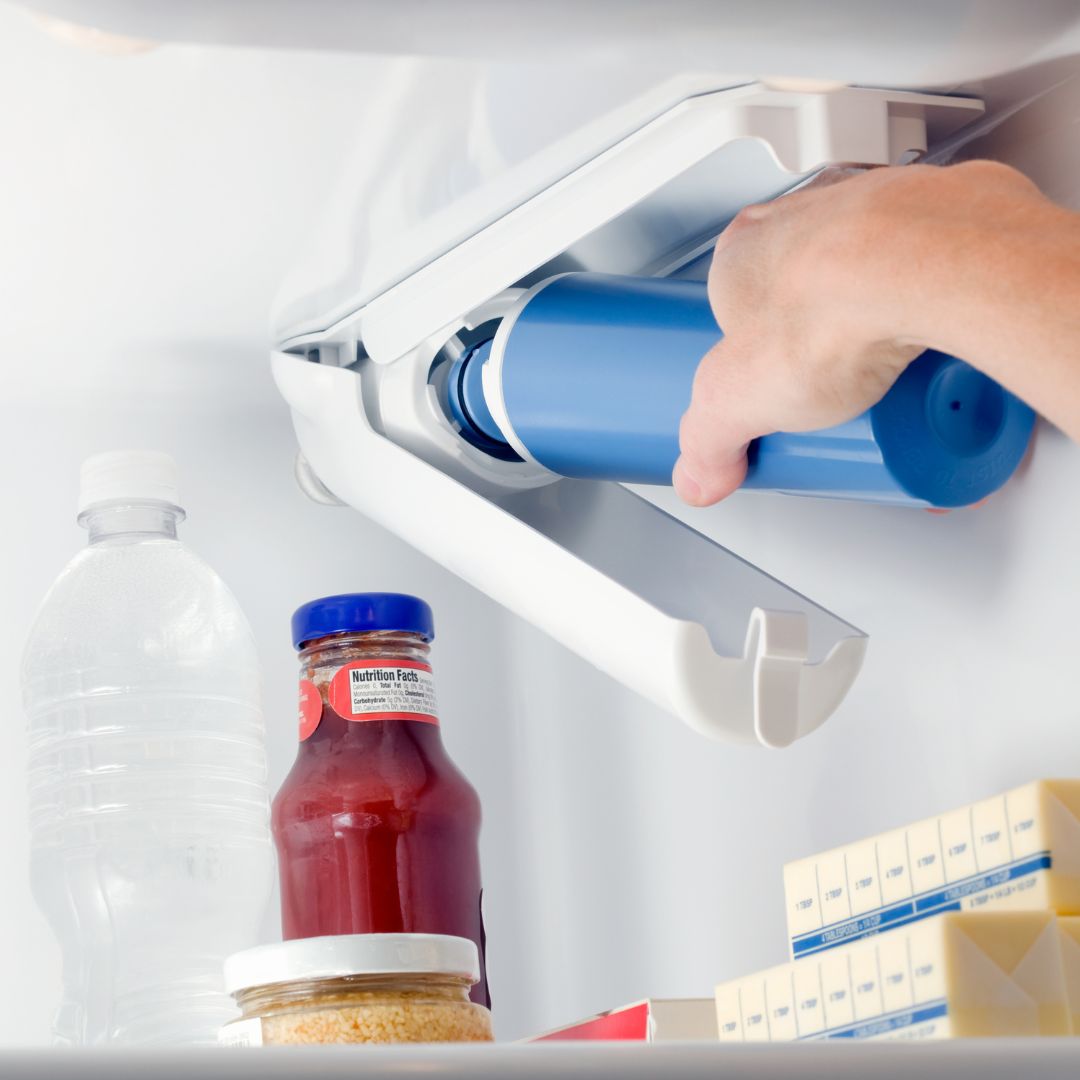
- Locate the filter. Most are in the upper right corner inside the fridge, at the base grille, or behind a small access door.
- Twist or pull the old filter out. Some models have a quarter-turn knob. Others release with a push of a button.
- Remove the plastic wrapping from the new filter. Make sure the O-rings are intact and lightly coated with food-safe lubricant if needed.
- Insert the new one. Line up the arrows or grooves and twist or push until it clicks.
- Run two to four gallons of water through the dispenser to flush out air and carbon dust.
- Reset the indicator light if your fridge has one.
That's it. Your water is back to its fresh, clean self.
Tips for a Smooth Filter Swap
Always keep a spare filter on hand. There's nothing worse than realizing your filter is expired when no stores are open. I learned this the hard way during a Sunday night ice shortage.
When flushing the new filter, don't stop at just one glass. Run a full pitcher to make sure the water runs clear. If you see black specks, those are just carbon dust. Keep flushing until the water runs clean.
Common Myths About Refrigerator Water Filters
There are a lot of myths floating around about fridge filters. Let's clear up the most common ones.
Myth: Bottled Water Is Safer Than Filtered Fridge Water
Not necessarily. Many fridge filters are certified to NSF/ANSI 42 and 53 standards, meaning they remove the same contaminants as most bottled water brands. In fact, filtered tap water is often more strictly tested than bottled.
Myth: You Only Need to Change the Filter When the Light Comes On
Indicator lights are estimates. They measure time, not water quality. If your water usage is heavy, the light may lag behind reality. Always pair the light with a manual check every few months.
Myth: All Filters Are the Same
Generic filters might be cheaper, but they often lack the certification and fine filtration of name-brand options. Always check for NSF certification before buying a third-party filter.
Myth: You Can Clean and Reuse a Filter
Nope. Once a carbon filter is spent, it's done. Cleaning it with water or vinegar won't restore its filtration power. The carbon has already absorbed all it can hold.
How to Extend the Life of Your Refrigerator Water Filter
While you can't make a filter last forever, you can stretch it a bit with a few smart habits.
Reduce Unnecessary Dispensing
Every time you press the dispenser for a few ounces, you're using up filter life. Instead, fill a pitcher once and keep it in the fridge. You'll use less filtered water overall and extend your filter's lifespan.
Keep Your Fridge Cool and Dry
High humidity can encourage bacterial growth on filters. Keep your fridge temperature between 35 and 38°F and avoid leaving the door open for long stretches.
Pre-Filter Your Water
If your home has hard water or sediment issues, consider installing a pre-filter on your main water line. It catches the big stuff before it reaches your fridge filter, which then handles the finer contaminants.
Buy in Bulk When Possible
If your fridge uses a standard filter size, buying a multi-pack saves money and ensures you always have a spare. I keep three filters on hand at any given time, one in use, one ready, and one as backup.
Choosing the Right Replacement Filter
Not every filter fits every fridge. Always check your model number before buying.
Stick With Certified Filters
Look for filters certified by NSF International. These meet strict standards for contaminant reduction. Avoid unbranded filters sold on discount sites, as they often don't meet the same safety standards.
OEM vs. Aftermarket
OEM (Original Equipment Manufacturer) filters are made by your fridge's brand. Aftermarket filters are third-party. OEM filters are guaranteed to fit and perform as expected. Aftermarket filters can be a great value, but only if they're NSF certified.
Consider Your Water Source
If you live in an area with high chlorine content, look for filters rated for chlorine reduction. If lead or mercury is a concern, choose filters certified to NSF/ANSI 53. Matching your filter to your water source ensures the best results.
Frequently Asked Questions
How do I know which filter my refrigerator takes?
Check your owner's manual or the existing filter for a part number. You can also search your fridge's model number online to find compatible filters. Most brands have a lookup tool on their websites.
Can I use a generic water filter instead of the brand name one?
Yes, as long as it's NSF certified and matches your fridge's specifications. Generic filters can save you up to 50 percent, but always verify certification before buying.
What happens if I leave the old filter in too long?
The filter will stop removing contaminants, may start releasing trapped particles, and can become a breeding ground for bacteria. It can also clog and damage your fridge's water system.
Do I need to turn off the water before changing the filter?
Not usually. Most filters can be swapped without shutting off the water supply. However, if your fridge has a dedicated shut-off valve, you can turn it off for extra safety.
Is it okay to use a fridge without a water filter?
Yes, but you'll need to bypass the filter or install a bypass plug. Without a filter, your water and ice may contain higher levels of chlorine, sediment, and other contaminants.
Keeping Your Water Fresh and Your Fridge Happy
Changing a refrigerator water filter is one of those tiny chores that pays off in big ways. Six months is the sweet spot for most households, but real life can shift that window. Keep an eye on taste, flow, and ice clarity. Trust your senses as much as the indicator light.
I've seen firsthand how a simple filter swap can restore water quality in a matter of minutes. It's the kind of small maintenance step that keeps your fridge running smoothly for years. So go ahead, set a reminder, grab a spare filter, and give your fridge the refresh it deserves. Your water, your ice, and your taste buds will thank you. And if you found this guide helpful, drop your own tips or questions in the comments below. I'd love to hear how you handle filter changes in your home.