What Happens If I Don T Change My Water Filter: 5 Big Risks
If you don’t change your water filter, contaminants can return, taste degrades, and health risks rise.
I’ve tested and installed filters in homes, offices, and cafes for years. If you’re asking what happens if i don t change my water filter, you’re in the right place. This guide explains the science, the real-world effects, and the smart way to keep your water clean, safe, and great-tasting—without wasting money.
What really happens inside a neglected filter
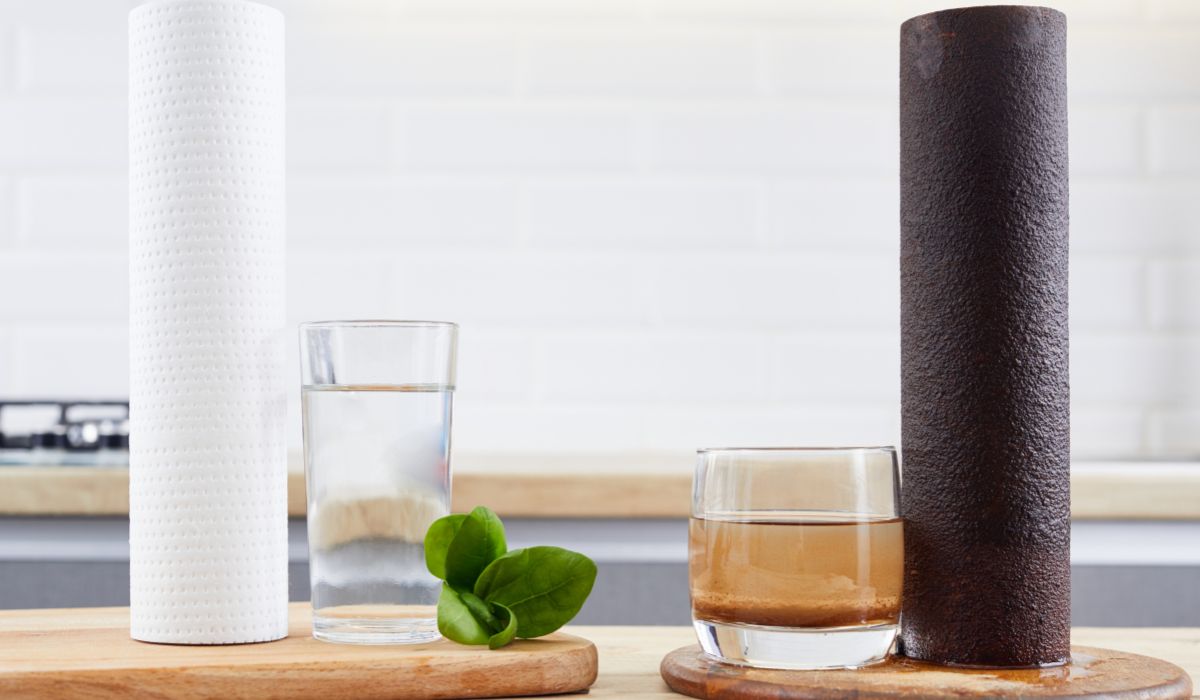
Water filters trap particles and adsorb chemicals until they hit capacity. Carbon filters pull in chlorine, tastes, and odors. Sediment filters catch sand and rust. When you push past capacity, the filter can clog or let stuff through.
Two things often follow. Flow drops as pores clog. Or water finds easy paths around the media, a process called channeling. Channeling means less contact time and poorer removal. Studies from public health agencies also note that old carbon filters can host biofilm. That is a thin layer of microbes that thrive on trapped organics.
This is the core of what happens if i don t change my water filter. It stops working as designed, and your water quality slips fast.

Health and taste risks when you push past the change interval
When chlorine and chloramine break through, water smells like a pool and tastes harsh. Volatile organic compounds can slip back. That can mean plastic or gasoline-like notes. If you have lead, asbestos, or PFAS risks in your area, expired filters can lose their rated removal.
Old filters can shed trapped particles. They can also allow microbial growth, which may cause stomach upset in sensitive people. Health agencies say filters do not make unsafe water safe by magic. They must be changed on time to meet their claims.
So, what happens if i don t change my water filter? The safety margin shrinks. Taste and odor get worse. Trust drops.

Pressure, appliances, and plumbing: the hidden costs
Clogged filters lower pressure. Your fridge dispenser slows to a drip. Your shower feels weak. Your dishwasher takes longer to fill. Pumps and valves can strain and fail early.
Sediment filters that sit too long can release sludge during pressure spikes. Carbon fines can cloud water. I once ignored a fridge filter for a few extra months. Ice turned cloudy and the motor grew noisy. A new filter fixed it in minutes, but I learned fast why change schedules matter.
If you keep asking what happens if i don t change my water filter, remember that stress on appliances can cost far more than a new cartridge.

Clear signs your water filter needs changing and simple tests
Watch for small changes. They show up before big problems.
- Taste or odor returns. Chlorine or musty notes mean the media is done.
- Flow slows. If your faucet or fridge drips, the filter is clogged.
- Cloudy ice or visible particles. Trapped fines can break free.
- Stains or rust in sinks. Sediment control is failing.
- Time and use. Follow the months or gallons on your model, whichever comes first.
Try quick checks at home.
- Use free chlorine test strips. If chlorine is back, the carbon is spent.
- Track flow with a timer and a measured jug. Falling rate means clogging.
- If you use reverse osmosis, check the rejection rate with a simple TDS meter. TDS does not show safety, but big changes can flag membrane wear.
These small steps help you answer what happens if i don t change my water filter before it gets costly.
How often to change different water filters
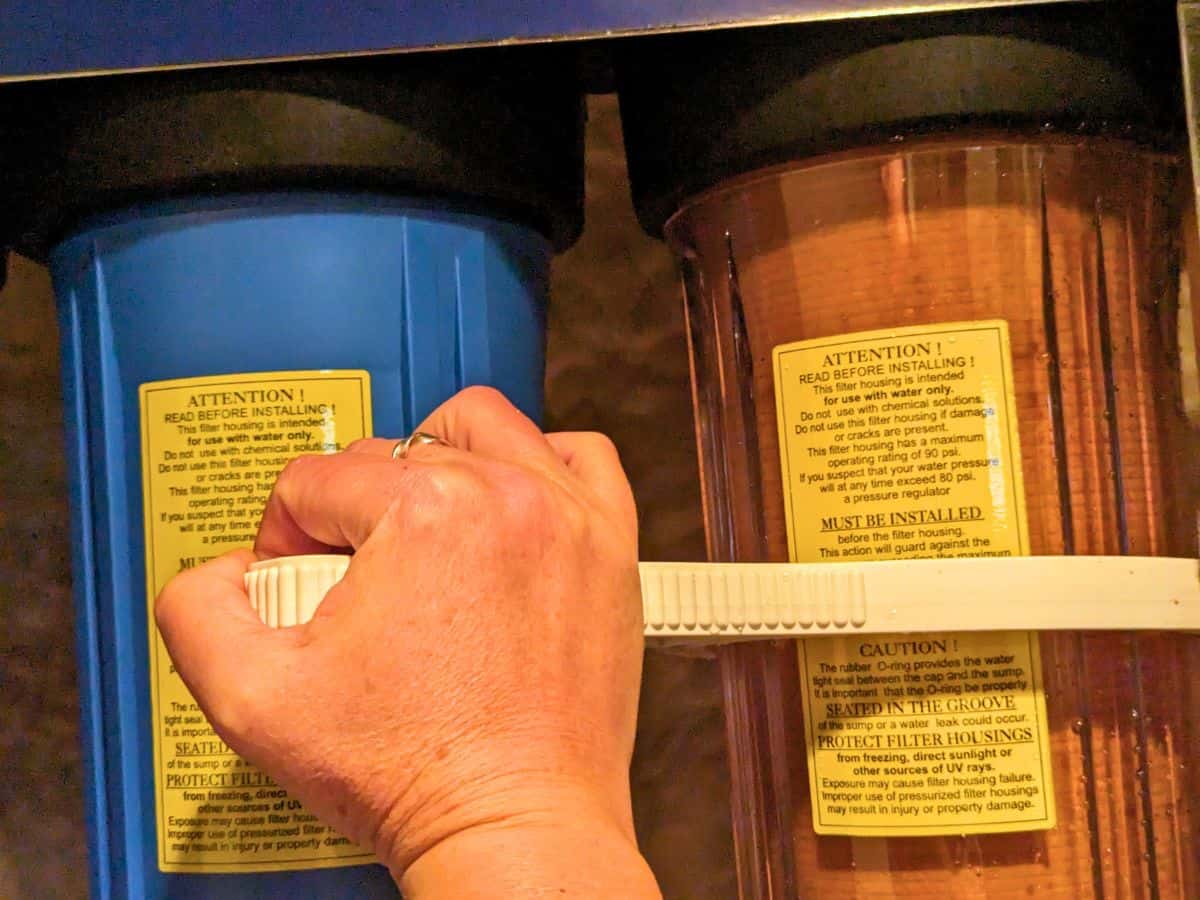
Change timing depends on water quality, use, and filter type. Hard, dirty, or well water shortens life. High use does too.
- Pitcher filters. About every 2 months or 40 gallons for many models.
- Refrigerator filters. Often every 6 months or 200–400 gallons.
- Under-sink carbon block. Commonly 6–12 months, or by gallons rated.
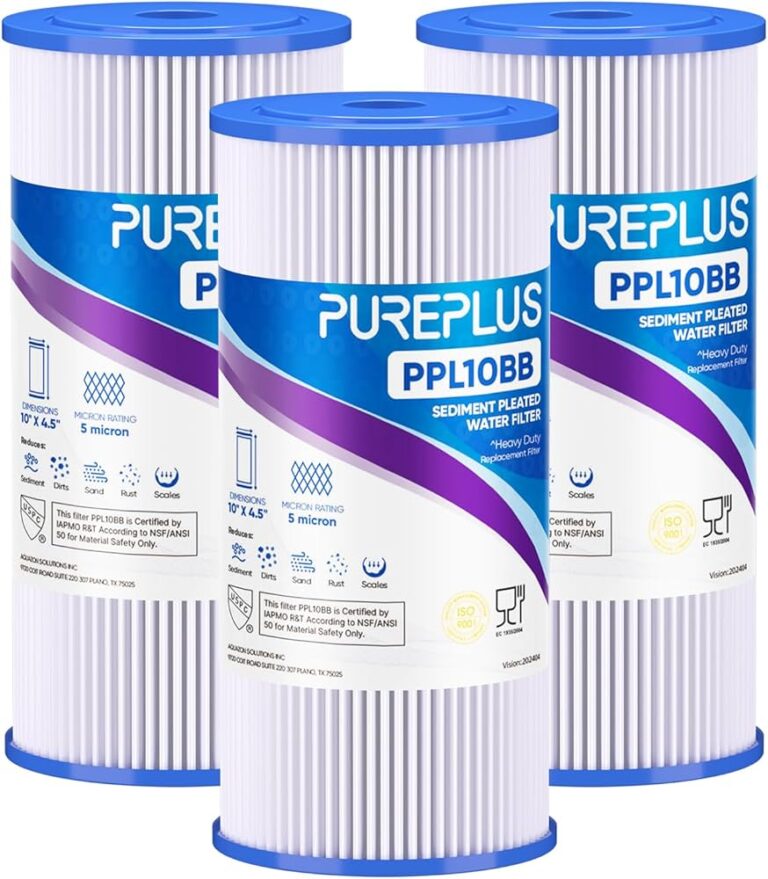
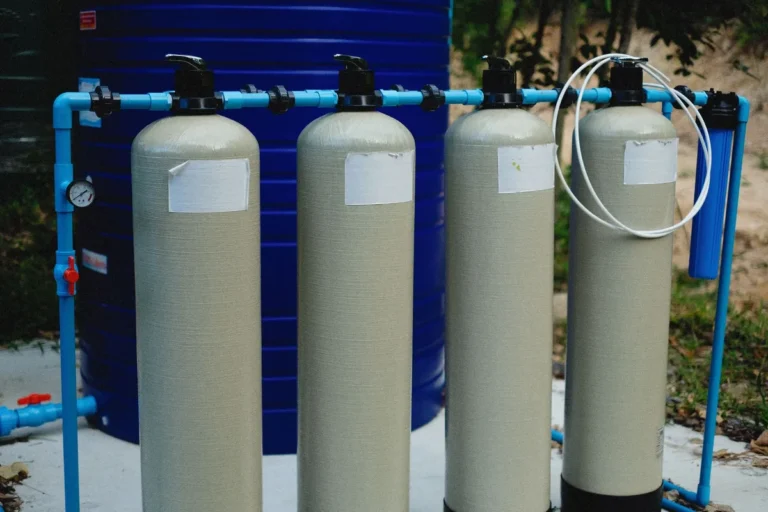
- Whole-house sediment. Inspect monthly. Change when pressure drops or the housing shows dirt.
- Whole-house carbon. Often 6–12 months for cartridges. Larger tanks vary by size and flow.
- Reverse osmosis prefilters. Around 6–12 months.
- RO membrane. About 2–5 years, based on rejection rate and water quality.
- Shower filters. About every 3–6 months, faster with high chlorine.
Manufacturers and lab standards set these ranges. This is where what happens if i don t change my water filter becomes clear: performance claims assume timely changes.

The cost math: replace on time vs deal with problems later
Replacement costs feel annoying. But the math is simple.
- Filters are predictable costs. Repairs are not.
- A $40 fridge filter twice a year is cheaper than a $300 valve or pump fix.
- Poor taste drives you to buy bottled water. That can cost more than filters in just a few months.
- Scale and sediment wear out heaters and appliances faster. That shortens service life.
When you weigh what happens if i don t change my water filter against these costs, timely swaps almost always win.

How to choose the right replacement filter and maintain it well
Buy filters that match your goals and your plumbing.
- Look for NSF/ANSI certifications. 42 covers taste and chlorine. 53 covers lead, cysts, and more health claims. 401 covers emerging contaminants like some pharmaceuticals. 58 applies to RO systems. 372 addresses lead-free materials.
- Match the exact model. Fit matters for safety and flow.
- Check micron ratings. Smaller microns catch finer particles but may reduce flow.
- OEM vs compatible. Quality compatibles can be fine if they are certified and well-reviewed.
Good care boosts results.
- Flush new filters as directed. This clears fines and air.
- Sanitize housings at each change with safe methods.
- Log dates or set a reminder. Use a phone alert or a label on the housing.
- Keep spare filters at home. Delays cause lapses.
This plan prevents the cascade of what happens if i don t change my water filter.
What happens if i don t change my water filter in common setups
Different systems fail in different ways when overdue.
- Refrigerator filters. Slow dispenser, weak ice, cloudy cubes, bad taste.
- Pitcher filters. Slow pour, earthy taste, fine black specks from carbon.
- Under-sink carbon blocks. Chlorine smell returns, channels reduce removal.
- Whole-house sediment. Brown water at start-up, pressure swings, valve wear.
- Reverse osmosis systems. Higher TDS and flat taste as the membrane ages, trickle flow if prefilters clog.
- Well water filters. Iron and sulfur odors return, orange stains, faster clogging due to biofilm.
If you ever doubt what happens if i don t change my water filter in your setup, check flow, taste, and change dates first.
Myths and facts that keep people from changing filters
- Myth: Water looks clear, so the filter is fine.
Fact: Many chemicals and microbes are invisible. Clarity is not safety. - Myth: TDS meters tell me if water is safe.
Fact: TDS does not measure chlorine, lead, PFAS, or microbes. - Myth: Filters improve water forever.
Fact: Filter media has a limit. It will clog or allow breakthrough.
Knowing these truths helps you avoid the trap behind what happens if i don t change my water filter.
Frequently Asked Questions of what happens if i don t change my water filter
How long can I go past the recommended change date?
A short delay may not ruin water, but risk rises each day. Capacity and local water quality make the real limit, so change as directed.
Can an old water filter make you sick?
It can allow contaminants back into your glass and can host biofilm. That may cause stomach issues in sensitive people.
Does TDS tell me when to change the filter?
No. TDS measures dissolved solids, not chlorine, VOCs, lead, or microbes. Use change dates, flow, and proper test strips instead.
Why does my water taste worse after changing the filter?
New filters need flushing to clear fines and air. After a few gallons, taste should improve.
Are generic filters safe to use?
They can be if they meet NSF/ANSI standards and fit well. Check for certifications, solid reviews, and clear model matching.
Conclusion
Skipping filter changes risks taste, health, pressure, and appliance life. It often costs more in the long run than a simple, on-time swap. Set reminders, buy certified replacements, and do quick checks to keep water clean and systems happy.
If this helped you see what happens if i don t change my water filter, take five minutes today to note your next change date. Want more tips like this? Subscribe, share this with a friend, or drop your question in the comments.