How Long Does a Zero Water Filter Last: Honest Review 2026
You’re wondering how long that Zero Water filter will truly last before you need to swap it out. It’s a common question because estimating filter life can feel pretty mysterious, and nobody wants to waste money on a filter that’s no longer doing its job effectively.
In our research, we find that while manufacturer specs give a starting point, your real-world experience will be shaped by several key factors. The core promise of Zero Water is exceptionally pure water, often measured by its ability to bring Total Dissolved Solids (TDS) down to 0 parts per million (ppm). As of 2026, understanding these variables is key to maximizing your filter’s performance and getting the most value.
How Long Does a Zero Water Filter Really Last?
When you ask how long a Zero Water filter lasts, the most honest answer is: it depends. While the company might suggest a filter life of around 20 gallons for their standard pitcher filters, this figure is a general benchmark. Your actual filter lifespan can be significantly shorter or longer based on a few critical elements we'll explore. Relying solely on a calendar date or a pre-set gallon count often means you'll either replace it too soon, wasting money, or too late, and drinking water that isn't as pure as you think.
The TDS Meter is Your Real Filter Lifespan Guide
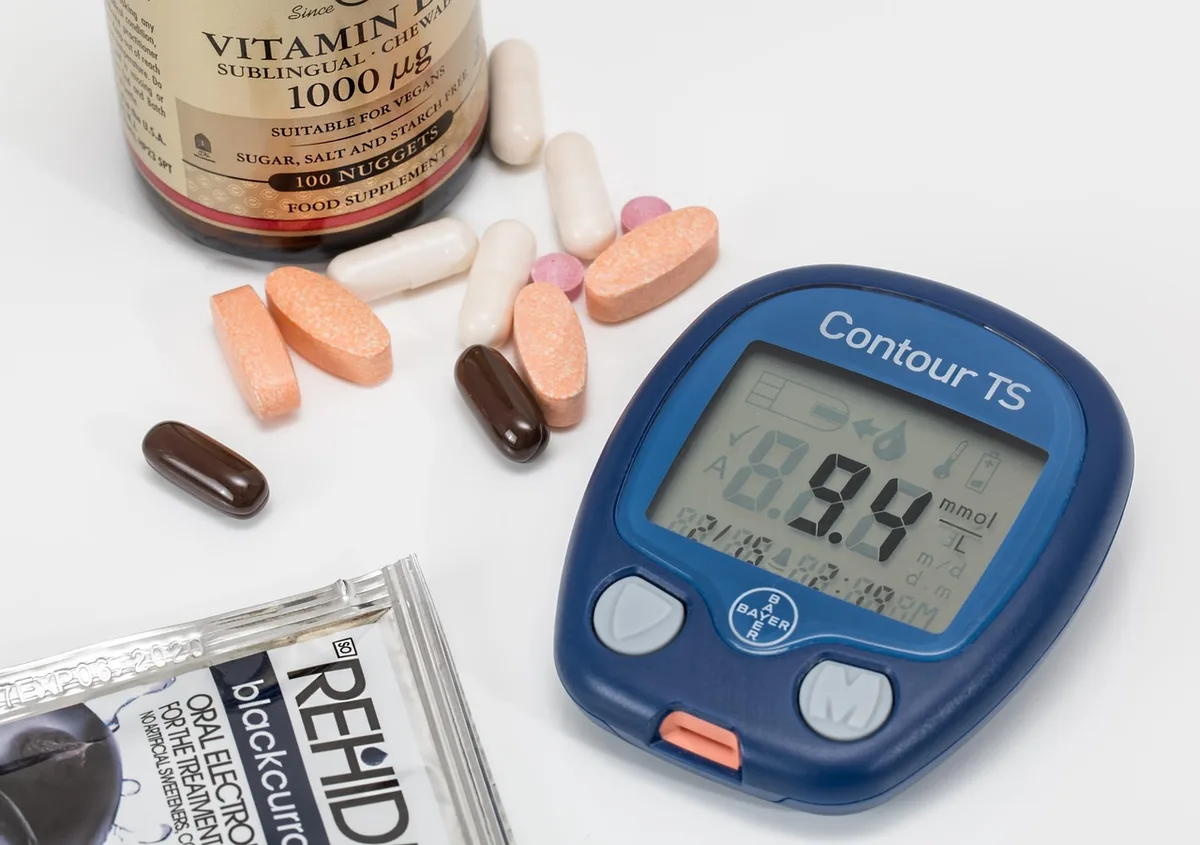
Think of the TDS meter that comes with your Zero Water pitcher as your filter's personal doctor. It’s the most accurate way to tell if your filter is still performing at its peak. TDS, which stands for Total Dissolved Solids, refers to all the inorganic and organic substances dissolved in water, things like minerals, salts, and metals. A Zero Water filter is designed to remove these, aiming to leave you with water that reads 0-1 ppm.
When that meter starts showing higher numbers, it’s a clear sign the filter is reaching its capacity and losing its effectiveness.
What Makes Your Zero Water Filter Age Faster or Slower
Several factors play a significant role in how quickly your Zero Water filter becomes exhausted. Understanding these can help you anticipate replacements and ensure you're always drinking the purest water possible. It's not just about time; it's about the work the filter is doing.
Your Tap Water's Starting TDS
This is arguably the biggest factor affecting filter life. TDS, or Total Dissolved Solids, is a measure of all the dissolved substances in your water, ranging from essential minerals to potential contaminants. If your tap water naturally has a high TDS reading (say, over 150-200 ppm), your Zero Water filter has a much larger load of impurities to capture. Each gallon you filter will use up the filter's capacity faster because it’s working harder to remove more dissolved solids.
How Much Water You're Actually Filtering
The total volume of water you run through the filter is a direct determinant of its lifespan. If you're the only one using the filtered water and only filter a pitcher or two a week, the filter will obviously last much longer. Conversely, a large family that filters water multiple times daily for drinking, cooking, and beverages will deplete the filter's capacity at a much more rapid pace. The "20-gallon estimate" from the manufacturer is based on average use, but your household's specific consumption habits will heavily influence this.
Rough Estimates: Gallons and Timeframes
While the TDS meter is your ultimate guide, having some rough estimates can help you plan. For a standard Zero Water pitcher filter, here’s what aggregate user feedback and manufacturer guidelines suggest, keeping in mind your local water quality and usage rates are the real wildcards:
- Low TDS Water (under 100 ppm) & Light Use: You might see anywhere from 40 to 60 gallons filtered. This could translate into 2 to 3 months of use for a single person or couple.
- Average TDS Water (100-200 ppm) & Moderate Use: Expect closer to the 20 to 40-gallon mark. For a small family, this often means filter changes every 1 to 2 months.
- High TDS Water (over 200 ppm) & Heavy Use: Filter capacity could drop to 10 to 20 gallons, or even less. This scenario might require filter changes every 3 to 6 weeks, especially in areas with very hard or mineral-rich tap water.
It’s crucial to remember these are just benchmarks. Your actual experience could fall outside these ranges.
Knowing When It's Actually Time to Swap: The TDS Meter Speaks
The most reliable indicator of a filter's remaining lifespan is the TDS meter included with your Zero Water system. This digital tool measures the exact concentration of dissolved solids in your filtered water, giving you real-time feedback. Simply pour a sample of your filtered water into the meter's cap and press the button.
The Ideal Reading
When your Zero Water filter is working perfectly, the TDS meter should consistently display a reading between 0 and 1 ppm. This indicates that the filter has effectively removed nearly all dissolved solids from your tap water, delivering the hallmark purity Zero Water is known for.
Watching the Trend
As the filter begins to wear down, you'll notice its effectiveness diminish. At first, you might see readings occasionally jump to 2 or 3 ppm. This is the first sign that the filter material is becoming saturated and may not be capturing as much as it used to.
The Tipping Point for Replacement
Most experts and experienced users recommend replacing the filter when the TDS meter consistently shows a reading of 5 ppm or higher. At this level, the filter is significantly past its prime. While the water is still likely cleaner than your unfiltered tap water, it's no longer meeting the stringent purity standards Zero Water aims for. You might also notice a subtle change in taste if your tap water contains components that affect flavor, though Zero Water filters are primarily focused on solids.
Common Zero Water Filter Mistakes to Avoid
It's easy to get the most out of your Zero Water filter, but a few common slip-ups can shorten its life or lead to inaccurate readings. One frequent mistake is not flushing the new filter properly before its first use. This initial flush, typically involving running a full pitcher of water through it and discarding that water, removes any loose carbon fines and prepares the filter for optimal performance.
Another error is neglecting the TDS meter. Some users might rely on a rough guess of how long the filter has been in use instead of checking the actual water purity. This can lead to using a depleted filter for weeks, defeating the purpose of investing in a high-purity system. Others might over-tighten the filter housing in their pitcher, which can potentially damage the seal and lead to leaks or inefficient filtration.
Who Is Zero Water Best For?
Zero Water filtration systems shine brightest for those who prioritize the absolute purest drinking water possible, with TDS ideally at 0-1 ppm. This makes them an excellent choice for individuals who are particularly sensitive to the taste and effects of minerals and dissolved solids in their tap water. If you're looking to eliminate as many dissolved impurities as possible, beyond basic chlorine taste reduction, Zero Water's advanced filtration is designed for that precise goal.
They're also a great fit for households that consume a significant amount of filtered water daily, whether for drinking, making coffee or tea, or cooking. While the initial cost of the filters might be higher than some basic pitcher filters, the extended lifespan in purer water conditions and the superior water quality can make it a worthwhile investment for those seeking that next level of water purity.
How to Maintain Your Zero Water System for Longevity
Keeping your Zero Water system in top shape doesn't demand a lot of effort, but a few simple maintenance steps can help your filters last longer and keep your water tasting fresh. Regularly cleaning the pitcher itself is essential. Disassemble the pitcher and wash all parts with mild soap and warm water every few weeks. This prevents any buildup that could affect the water quality or the filter's seal.
When you replace the filter, make sure to inspect the housing for any cracks or damage, as this can affect the seal and the filtration process. Always follow the manufacturer’s instructions for flushing new filters thoroughly before use. Many users also find it helpful to store their pitchers and spare filters in a cool, dark place to maintain their integrity until needed.
Understanding Your Filter's "End of Life" Indicators
The "end of life" for a Zero Water filter isn't marked by a ticking clock or a set calendar date, but by concrete performance metrics. The primary indicator, as we've discussed, is the Total Dissolved Solids (TDS) reading from the included meter. When that meter starts consistently showing readings above 5 ppm, it signifies that the filter media is saturated and can no longer effectively remove dissolved solids to the Zero Water standard of 0-1 ppm.
Beyond the TDS meter, while less common with Zero Water's technology, some users might notice a subtle change in the taste or odor of their water if the filter becomes thoroughly exhausted. However, because Zero Water focuses heavily on removing nearly all dissolved solids, taste changes are often more indicative of the filter being completely spent rather than just nearing its end. The TDS meter remains the most scientifically accurate and recommended way to determine when a filter cartridge needs replacement.