How Do You Recycle Ge Water Filter for 2026: Expert Picks
Thinking about how to recycle your GE water filter is a smart move. It’s a common question, and frankly, it’s not always as simple as tossing things in your regular recycling bin. The best approach often depends quite a bit on your specific location and what your local waste management services accept.
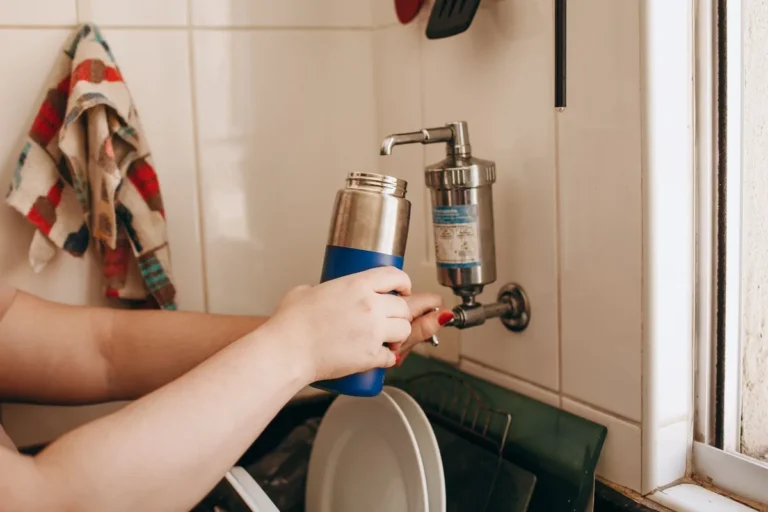
In our research, we found that most GE water filters, and similar models, are constructed with a durable plastic casing and internal filtration media like activated carbon. Per manufacturer guidance as of 2026, these components are sealed together, which can complicate standard recycling processes. Let's break down your options for responsible disposal.
What's Actually in Your GE Water Filter?
So, what makes recycling these filters a bit tricky? It really comes down to their internal makeup. Most GE water filters are constructed with two main types of materials. You've got the outer casing, typically a durable plastic, often labeled with a resin identification code.
Inside that casing is the filtration media itself. This is most commonly activated carbon, which is great at absorbing impurities from water. Some filters might also contain ion-exchange resins.
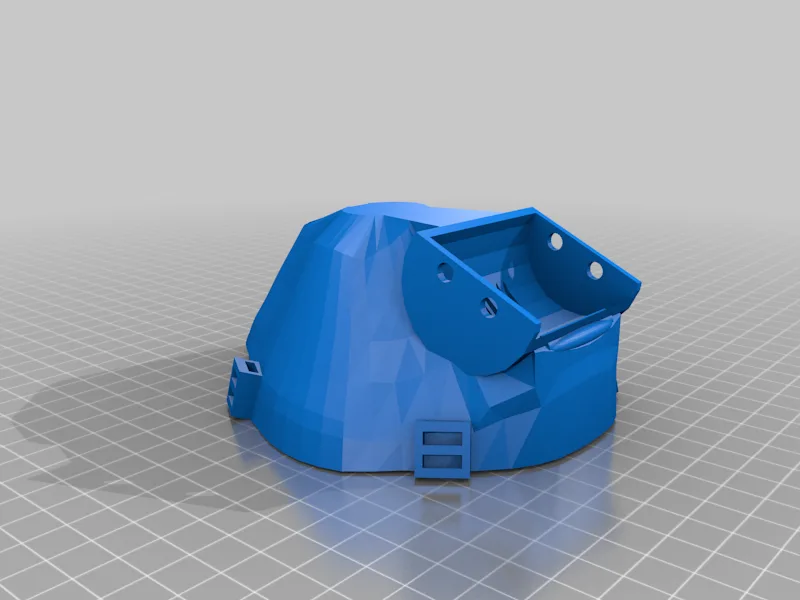
Because these components are sealed inside the plastic housing, they can’t always be easily separated by standard recycling equipment. This makes them different from, say, a simple plastic bottle or aluminum can that goes straight into the automated sorting process.
Your Recycling Action Plan: Let's Get Down to It
Figuring out the best way to handle your used GE water filter boils down to a few key steps. Think of this as a workflow designed to point you toward the most environmentally sound option available to you. We’ll start with the most direct sources and broaden out from there.
Check with GE Directly
Your first stop should always be the manufacturer. GE often provides specific guidance on product disposal for their items. Their website is the best place to check for any official take-back programs, partnerships with specialized recyclers, or specific instructions on how to prepare their filters for recycling. Sometimes, you can find detailed FAQs or even direct contact information for their sustainability or customer support teams who can give you the definitive answer for their product line.
Look Up Your Local Municipal Recycling
This step is crucial because recycling capabilities vary wildly from one town or city to the next. What's accepted in one place might be a contaminant in another.
Visit Your City's Waste Management Website
Most municipalities have a dedicated website for their waste management or recycling services. These sites are usually packed with information about what they can and cannot accept. You’ll often find downloadable guides or searchable databases. Look for sections on "specialty items," "plastics," or "household waste."
Call Your Local Recycling Center
If the website isn't clear, or if you just prefer a direct conversation, picking up the phone is a great next step. Call your local recycling center or the municipal waste authority. Ask them point-blank if they accept used water filter cartridges, and if so, what preparation is needed. They are the ultimate authority on what enters their system.
Consider Specialized Recycling Services
If your local municipal program doesn't accept GE water filters, don't despair. There are companies that specialize in recycling harder-to-process materials. A quick search online for "water filter recycling programs" or "specialty plastic recycling" might reveal services in your broader geographic area. These options sometimes come with a small fee, but they offer a great solution for materials that aren't handled by curbside pickup.
When All Else Fails: Proper Disposal
In situations where you've exhausted all recycling avenues, the next best step is to ensure proper disposal in your regular waste. This means the filter will likely end up in a landfill. However, the goal is to do this as cleanly as possible. Ensure the filter is dry and not leaking any residual water or media.
You can usually just place it in your household trash bin.
What Not To Do
While you're trying to do the right thing for the environment, it's important to avoid actions that could do more harm than good. There are a few common missteps people make when trying to recycle water filters.
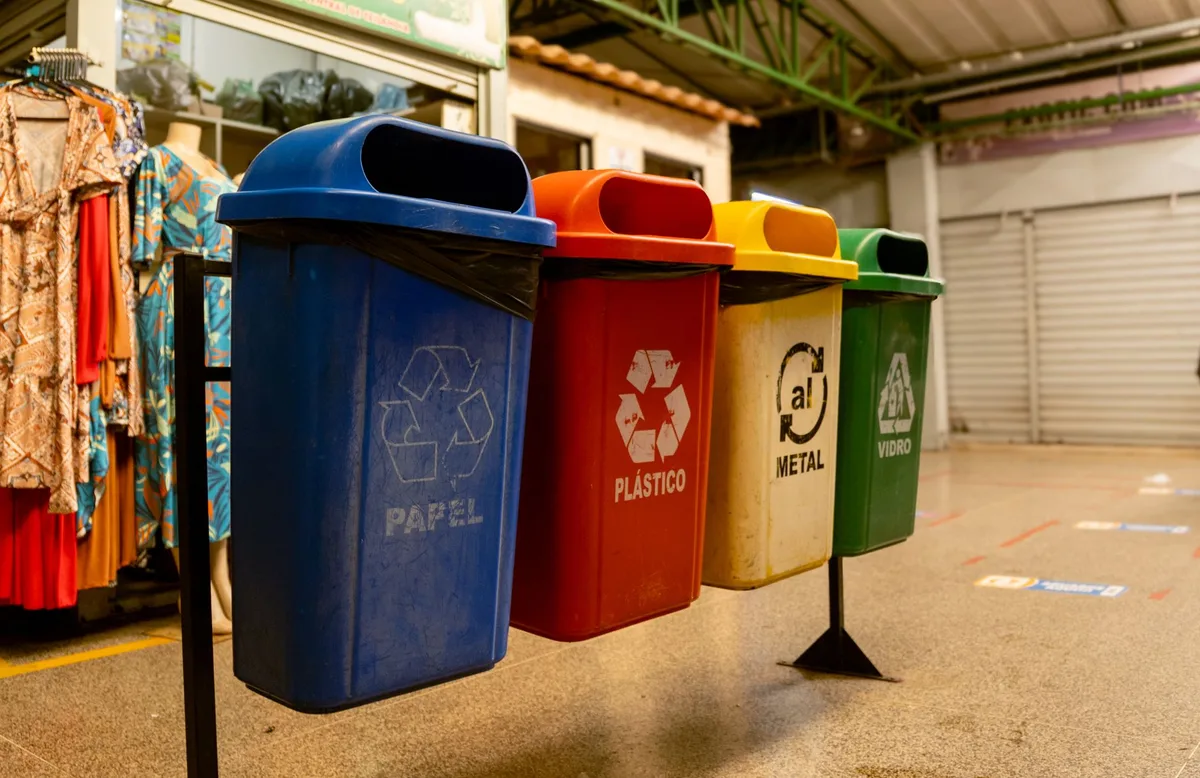
Don't Just Toss it in the Blue Bin Blindly
Many recycling facilities are equipped to handle common household items. However, they often can't process sealed units or items made from mixed materials that aren't explicitly listed as acceptable. Throwing in a GE water filter without confirming it's accepted could lead to it being sorted out as contamination, potentially being sent to landfill anyway, or even disrupting the recycling process for other items. Always check your local guidelines first.
Don't Try to Force it Apart
Attempting to crack open the plastic casing to remove the filter media is generally not recommended. These units are designed to be robust, and forcing them apart can be messy, potentially releasing fine particles, and usually isn't necessary for any recycling program that does accept them. If a program accepts the whole unit, that's what they want.