What Does A Water Filter Do In A Refrigerator: 2026 Guide
It removes chlorine, sediment, and some metals so your fridge water tastes clean.
If you’ve ever asked what does a water filter do in a refrigerator, you’re in the right place. I work with home appliances and water systems daily, and I’ve tested dozens of filters in real kitchens. In this guide, I’ll break down the science, the benefits, the limits, and the everyday tips you actually need to keep your dispenser and ice tasting great.

How a refrigerator water filter works
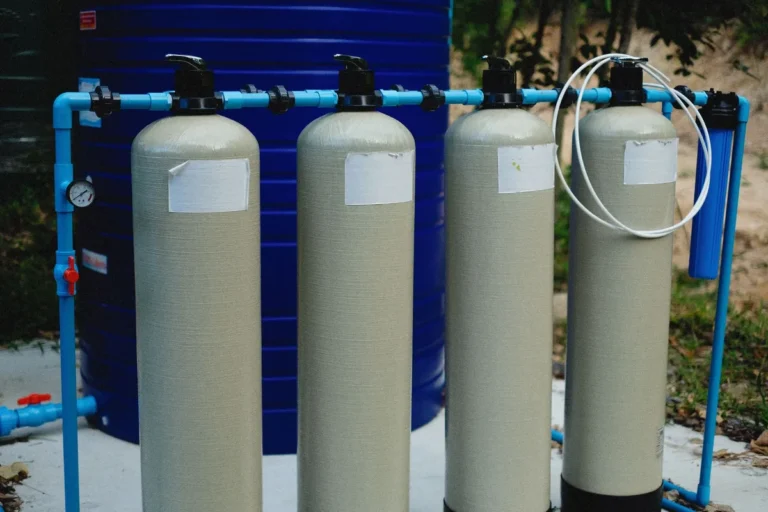
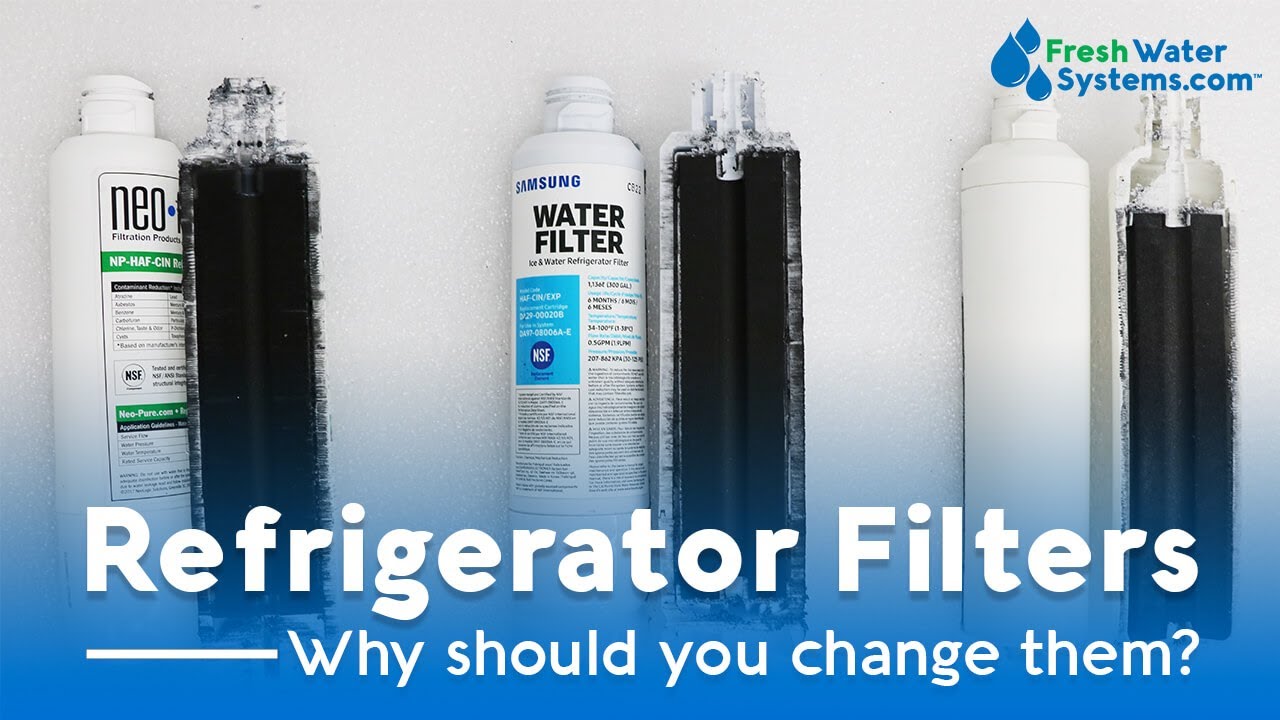
A refrigerator water filter is a small treatment system built into your fridge’s water line. Most use activated carbon plus fine screening media. Water flows through a dense maze that traps particles and adsorbs chemicals.
Here’s the simple flow:
- Sediment capture. A porous screen catches rust, sand, and micro debris.
- Chemical adsorption. Activated carbon grabs chlorine, some pesticides, and many odors.
- Optional ion exchange. Some filters swap ions to reduce metals like lead and mercury.
- Polishing step. A final layer improves clarity and taste.
If you wonder what does a water filter do in a refrigerator at the microscopic level, it slows water long enough for bad tastes and particles to stick to the media instead of reaching your glass. When that media fills up, performance drops, which is why timely replacement matters.

What does a water filter do in a refrigerator? The core jobs explained
Let’s answer it head-on: what does a water filter do in a refrigerator? It cleans up incoming tap water so your dispenser and ice are clear, fresh, and safer to drink. It also protects your fridge’s valves and ice maker from gunk.
Main jobs you can expect:
- Improve taste and smell. Reduce chlorine and earthy odors so water tastes crisp.
- Capture particles. Remove sediment that makes water cloudy and can scratch valves.
- Reduce certain contaminants. Many models reduce lead, mercury, VOCs, and cysts when certified.
- Help ice stay clear. Fewer impurities mean less cloudy, odd-smelling cubes.
- Protect the appliance. Less buildup means fewer clogs and fewer service calls.
Put simply, what does a water filter do in a refrigerator is clean, polish, and protect. It is not a cure-all, but it is a strong first line for everyday drinking water.
Certifications and what they mean
Not all filters perform the same. Certification is your best shortcut for trust and accuracy. If you ask what does a water filter do in a refrigerator, the real answer depends on these standards:
- NSF/ANSI 42. Reduces chlorine taste and odor, and improves appearance.
- NSF/ANSI 53. Reduces health-related contaminants like lead, mercury, and some cysts.
- NSF/ANSI 401. Targets emerging compounds such as some pharmaceuticals and PFAS in select models.
- NSF/ANSI/CAN 372. Confirms low lead content in materials.
Check your filter’s label or packaging. Match certifications with your water concerns. In my testing, certified filters consistently meet their claims when replaced on time.
:max_bytes(150000):strip_icc()/GettyImages-183893581-b546ff8c468a4849a9898f902474064e.jpg)
What fridge filters can and cannot do
Many people ask what does a water filter do in a refrigerator compared to full systems. Here’s a clear view.
What they do well:
- Make tap water taste better by cutting chlorine.
- Reduce common sediments and rust.
- Lower some metals and chemicals on certified models.
- Improve ice taste and clarity.
Limits to keep in mind:
- Not for unsafe water. If your water is microbiologically unsafe, use boiling or a system certified for pathogen removal.
- Not a desalination or TDS system. They don’t turn hard or salty water into pure water.
- Chloramine may persist. Some carbon filters struggle with chloramine unless designed for it.
- Fluoride is usually unaffected. Most fridge filters do not remove fluoride.
If your needs are complex, pair a fridge filter with an under-sink system or whole-home treatment.

When to replace and how to change your filter
If you wonder what does a water filter do in a refrigerator over time, the short answer is less and less as it fills up. Most fridges call for replacement every 6 months or 200–400 gallons, whichever comes first.
Signs it is time:
- Water tastes flat, metallic, or chlorinous.
- Flow slows down or your dispenser sputters.
- Ice smells or looks cloudy.
- The filter light turns on, or months have passed.
How to change it:
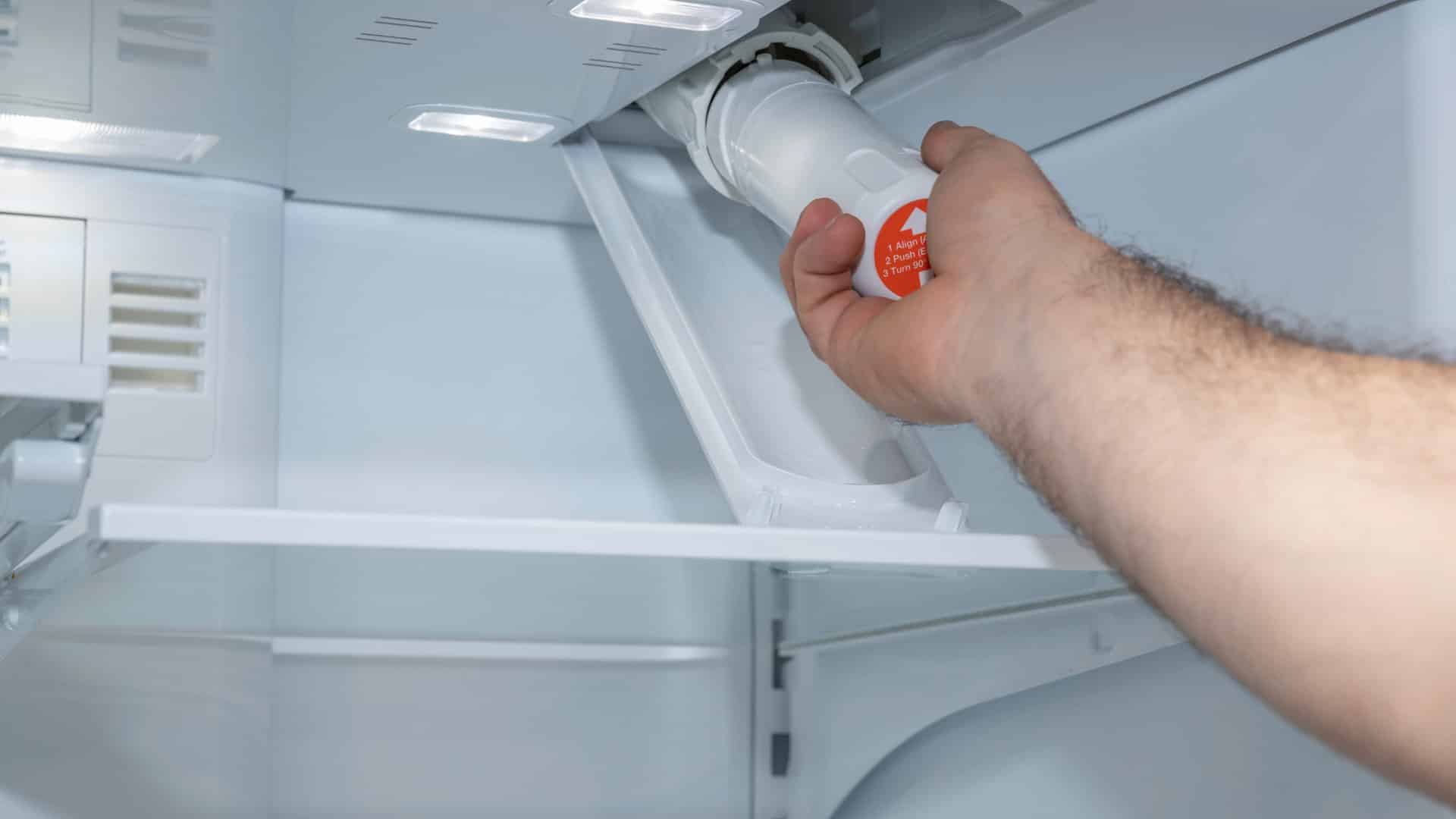
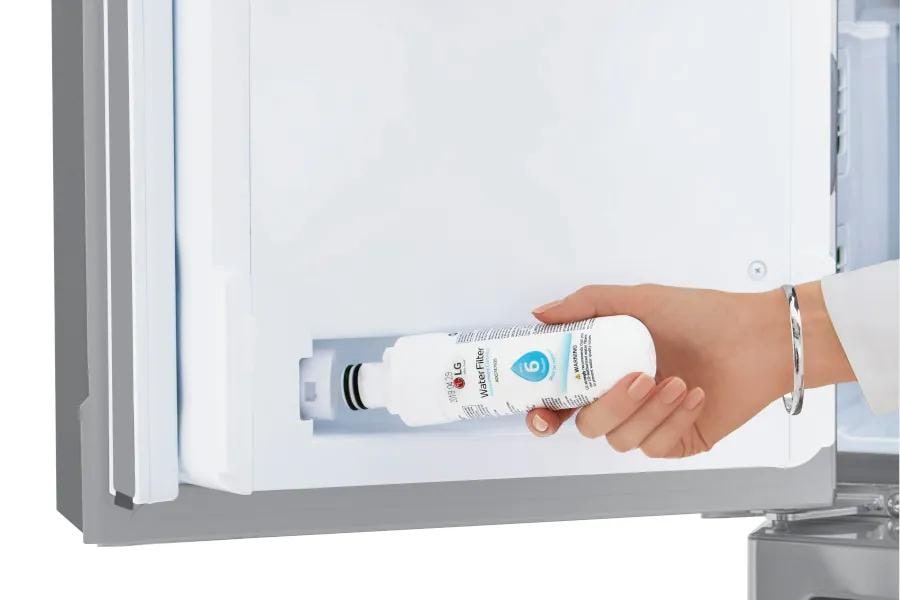
- Find the filter housing inside the fridge or base grille.
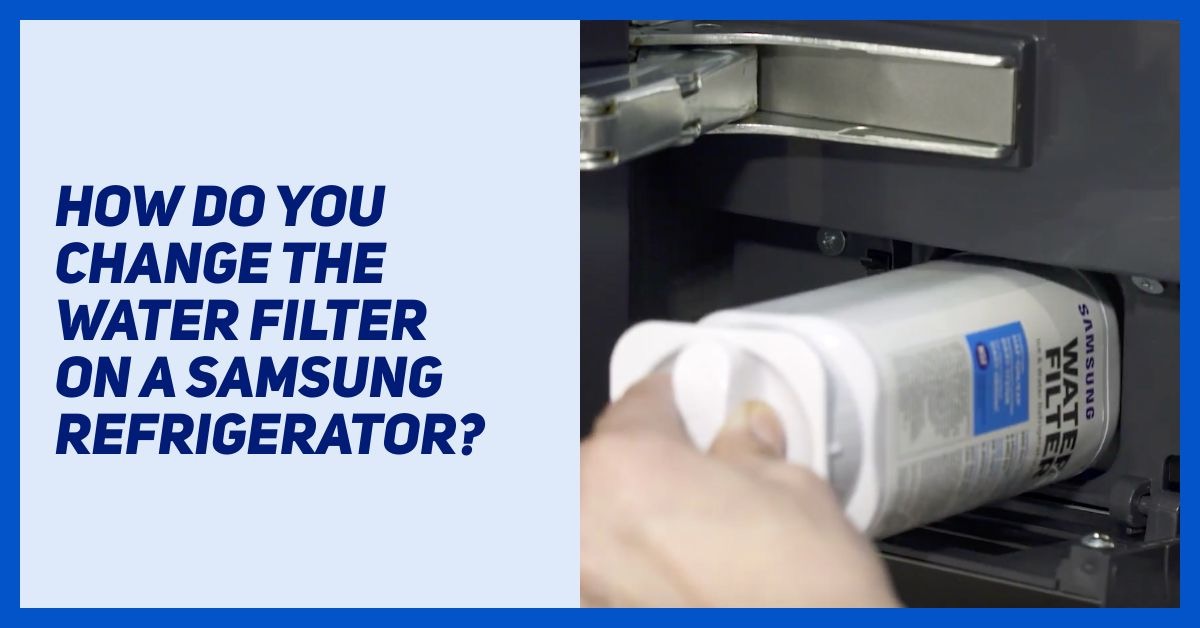
- Twist or push-button release the old filter.
- Insert the new one until it locks.
- Flush 2–4 gallons through the dispenser to clear air and carbon fines.
- Reset the filter indicator.
Real-life tips from the field
Here’s what I’ve learned installing and testing filters in homes and rentals.
- Always flush. I once skipped flushing a new filter in a rush. The first few glasses tasted dusty. A proper flush fixed it in minutes.
- Buy from known sources. Counterfeit filters are common online. They fit but may not filter. I check for secure packaging, exact labeling, and a scannable lot code.
- Track months, not just the light. Some fridges trigger the light on a timer only. Put a date sticker on the door.
- Match your water. If your city uses chloramine, pick a filter that states chloramine reduction or use an upstream filter designed for it.
- Keep a spare. When guests visit, water use spikes. A spare saves a last-minute store run.
Costs, value, and the environment
People often ask what does a water filter do in a refrigerator to your budget. Here is a simple way to think about it.
- Cost per gallon. OEM filters cost more but are reliable and certified. Even at higher prices, many come out to cents per glass.
- Aftermarket filters. Some are excellent and certified. Others are not. Always check certifications and reviews.
- Waste and recycling. One filter replaces hundreds of plastic bottles. Some brands offer take-back programs. If not, look for third-party recycling that accepts mixed plastics.
To stretch value, change on time, store spares in a cool place, and avoid unsealed or damaged packaging.
Troubleshooting common issues
If you are still asking what does a water filter do in a refrigerator when things go wrong, use these quick checks.
- Slow flow. Replace the filter, check shutoff valves, and flush more water to clear trapped air.
- Leaks. Re-seat the filter, check O-rings for tears, and wipe the housing clean before reinstalling.
- Bad taste right after change. This is usually carbon fines. Flush a few more gallons.
- No water. Make sure any bypass plug is removed and the filter is fully locked.
If problems persist, consult your manual. A kinked supply line or faulty valve can mimic a “bad filter.”
Fridge filter vs pitcher vs under-sink RO
Choosing between systems depends on your goals and water quality.
- Fridge filters. Best for taste, odor, and basic contaminant reduction with ice convenience.
- Pitcher filters. Budget-friendly and portable, but slower and smaller capacity.
- Under-sink RO. Deep reduction of salts, nitrates, and many contaminants. Higher cost, more maintenance, and a dedicated faucet.
A common setup is RO for cooking and drinking at the sink, plus the fridge filter for the dispenser and ice. When friends ask me what does a water filter do in a refrigerator compared to RO, I say it is a taste-and-convenience filter, not a purity system.
Safety, standards, and how to verify performance
You want to trust your water. Here’s how to be sure your filter delivers.
- Verify the exact filter model in your owner’s manual.
- Check the NSF/ANSI marks and claims. Match them to your needs.
- Ask your utility for a water quality report to learn about chlorine, chloramine, and metals.
- If you have lead service lines or special concerns, consider lab testing.
When you ask what does a water filter do in a refrigerator, the most reliable answer comes from certifications, your water report, and your own taste and odor checks.
Frequently Asked Questions of what does a water filter do in a refrigerator
How long do fridge water filters last?
Most last about 6 months or 200–400 gallons. Heavy use or poor water quality can shorten that timeline.
Do refrigerator filters remove lead?
Many do, but only if certified to NSF/ANSI 53 for lead reduction. Check the label for that exact claim.
Is fridge water better than tap water?
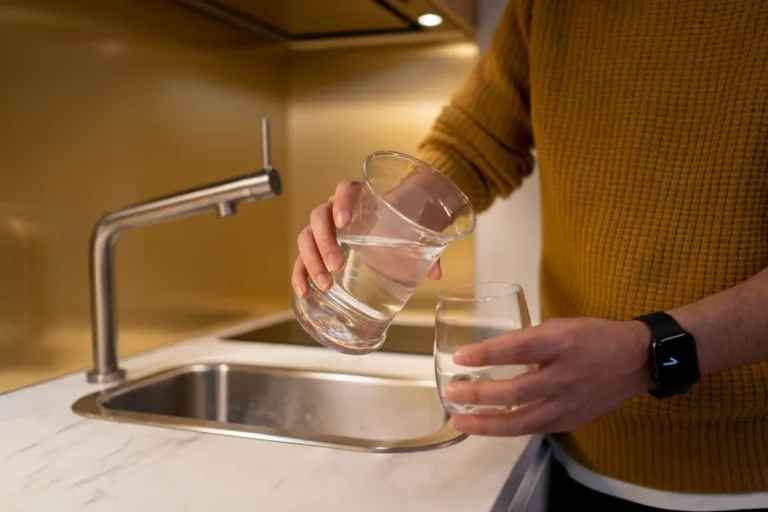
It often tastes better because chlorine and odors are reduced. Filtration can also reduce select contaminants, depending on certifications.
Why is my filtered water still cloudy?
Trapped air after a filter change can cause cloudiness. Flush several gallons; if it persists, replace the filter or check for sediment.
Can I run the fridge without a filter?
Most models allow a bypass, but taste and protection drop. Use a bypass plug only if you have another trusted filtration system.
Conclusion
A good fridge filter does three things well: it improves taste, reduces select contaminants, and protects your ice maker and dispenser. Now that you know what does a water filter do in a refrigerator, you can choose the right certified model, replace it on time, and enjoy clean, crisp water every day.
Take a moment to check your current filter’s date and certifications. If it is due, swap it, flush it, and taste the difference. Want more practical guides like this? Subscribe or leave a comment with your fridge model and questions—I’m happy to help.