How to Filter Arsenic From Water in 2026 (Real-World Picks)
Figuring out how to filter arsenic from water can feel overwhelming, especially when you're concerned about your family's health. Arsenic is a naturally occurring element, but in drinking water, it's a serious contaminant that poses significant health risks, ranging from skin issues to an increased risk of certain cancers with long-term exposure. Understanding your water quality is the absolute first step toward ensuring safety.
The U.S. Environmental Protection Agency (EPA) sets the Maximum Contaminant Level (MCL) for arsenic in public drinking water at 10 parts per billion (ppb), which is equivalent to 10 micrograms per liter (µg/L). Meeting this standard requires knowing exactly how much arsenic is present and applying the right filtration technology. This guide breaks down the science and the practical steps you need to take.
Why Arsenic in Water Matters: The Health Risks You Need to Know
Arsenic isn't something you can see, smell, or taste in your water, making it a silent threat. When water sources become contaminated, often from natural geological deposits or industrial runoff, arsenic can leach into the groundwater that supplies wells and sometimes even municipal water systems. Regular exposure to even low levels of arsenic has been linked to a troubling array of health problems.

Our research, along with extensive studies from health organizations, confirms that long-term ingestion of arsenic-contaminated water can lead to:
- Skin Lesions: Discolored patches, hardening, and even small tumors on the skin.
- Neurological Effects: Issues with nerve function and development.
- Cardiovascular Disease: Increased risk of heart problems.
- Diabetes: Potential links to the development of Type 2 diabetes.
- Cancer: A well-established increased risk of lung, bladder, and skin cancers with chronic exposure.
The severity of these health outcomes often depends on the concentration of arsenic, the duration of exposure, and individual susceptibility. This is precisely why official standards, like the EPA's MCL of 10 ppb, are so critical.
Before You Filter: The Crucial First Step – Testing Your Water
Before you spend a dime on filtration systems, the single most important thing you can do is test your water for arsenic. Without knowing the specific concentration and type of arsenic present, you're essentially guessing, and that can lead to choosing the wrong filter, wasting money, or worse, not adequately protecting your health.
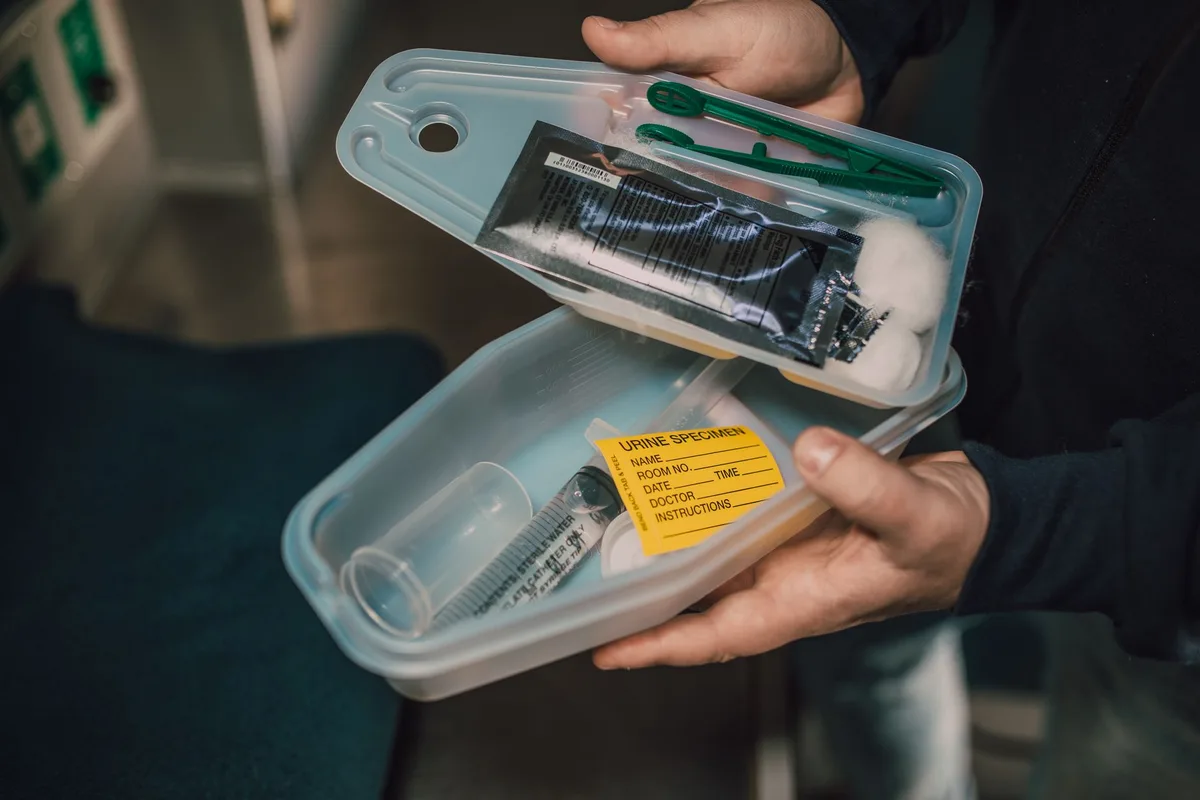
You can't rely on taste, smell, or appearance because arsenic is undetectable by these senses. Home test kits are available, but for definitive results, especially if you're on well water or suspect higher contamination, sending a sample to a state-certified laboratory is the gold standard. This ensures accuracy and compliance with official testing protocols.
How to Test for Arsenic Accurately
For reliable arsenic testing:
- Choose a Certified Lab: Look for laboratories accredited by your state's environmental agency or EPA. These labs use sophisticated equipment and follow strict procedures.
- Follow Collection Instructions Precisely: Labs will provide specific bottles and instructions for collecting your water sample. This often includes flushing your tap for a set time and filling the bottle carefully to avoid contamination.
- Use Appropriate Kits: If you opt for a home test kit, ensure it's specifically designed to measure arsenic and that the product has good reviews for accuracy. Some kits offer a mail-in service to a lab for more precise results.
- Test Regularly: If arsenic is detected, re-testing annually is advised to ensure your filtration system is working effectively and that contamination levels haven't changed.
Understanding Your Arsenic Test Results (ppb/µg/L)
Your test results will typically be reported in parts per billion (ppb) or micrograms per liter (µg/L). These units are equivalent (1 ppb = 1 µg/L).
- Below 10 ppb: Within the EPA's safe drinking water standard. Continued monitoring is recommended.
- 10, 50 ppb: Contaminated. Filtration is strongly recommended. The higher the number, the more urgent filtration becomes.
- Above 50 ppb: Significantly contaminated. Immediate action is crucial.
The type of arsenic also matters. Arsenic exists in two primary forms in water: arsenite (trivalent, As III) and arsenate (pentavalent, As V). Some filters are more effective at removing one form over the other, so knowing this distinction from your lab report can help guide your filter selection.
Arsenic Filtration Methods: What Works and What Doesn't
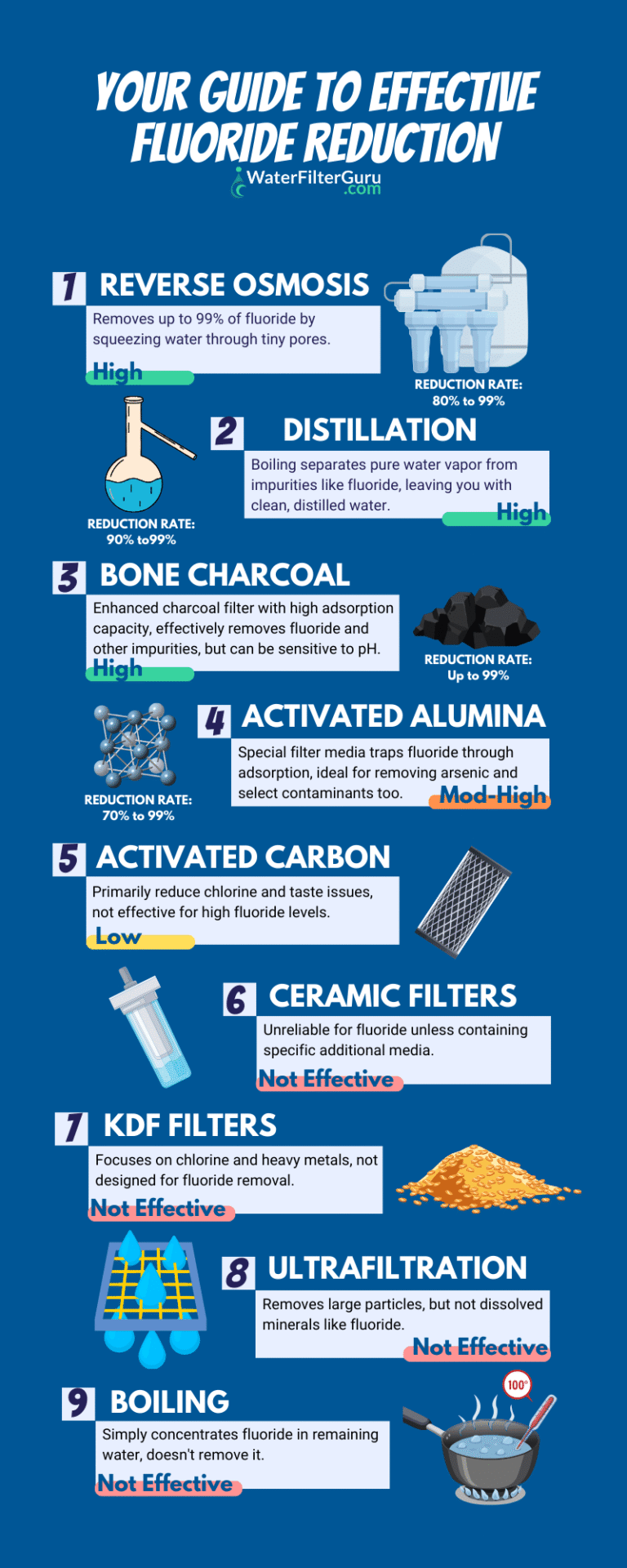
Once you know your arsenic levels, you can select a filtration method. Not all filters are created equal when it comes to arsenic. Standard activated carbon filters, commonly used for taste and odor, are generally ineffective at removing dissolved arsenic. For arsenic removal, you'll need specialized filtration technologies.
Key technologies include activated alumina, ion exchange resins, oxidizing filters, reverse osmosis, and distillation. Each has its strengths, weaknesses, and specific applications.
Activated Alumina: A Common Filter Type Explained
Activated alumina is a porous material designed to adsorb (attract and hold) certain contaminants, including arsenic, onto its surface. It's a popular choice for arsenic removal because it's relatively inexpensive and effective, particularly for arsenate (As V).
- How it Works: Water flows through a bed of activated alumina granules. Arsenate ions in the water are attracted to the alumina's surface and stick there, effectively removing them from the water.
- Effectiveness: Highly effective for arsenate. Its efficiency for arsenite (As III) can be lower, and pre-oxidation (converting As III to As V) may be necessary if your test shows significant levels of arsenite.
- Limitations: The alumina media eventually becomes saturated with arsenic and needs replacement. Its capacity can be reduced by the presence of other contaminants like silica or fluoride. It typically works best within a specific pH range.
- Common Use: Often found in whole-house (Point-of-Entry) systems or as a stage in multi-stage filters.
Ion Exchange Resins for Arsenic Removal
Ion exchange resins work on a similar principle to activated alumina, but they employ specialized resin beads that swap ions. These resins are formulated to attract and bind arsenic ions, exchanging them for less harmful ions (like chloride) that are released into the water.
- How it Works: Water passes through a tank filled with ion exchange resin beads. These beads are designed to selectively capture arsenic ions (both arsenite and arsenate, depending on the specific resin) and release harmless ions.
- Effectiveness: Can be very effective, especially for certain types of resins targeting arsenate. Some advanced resins can also handle arsenite effectively, often after a pre-oxidation step.
- Limitations: Like activated alumina, the resin capacity will eventually be reached, requiring regeneration (for some types) or replacement. The effectiveness can vary significantly with water pH and the presence of competing ions like sulfates or nitrates. Regeneration often involves salt brines, which require proper disposal.
- Common Use: Used for both whole-house and under-sink systems. Some systems might use a combination of ion exchange and other media.
Oxidizing Filters: Converting Arsenite to Arsenate
If your water test reveals a significant amount of arsenite (As III), you'll likely want a filter that can either remove it directly or convert it to arsenate (As V), which is generally easier for most arsenic filters to handle. Oxidizing filters do just that. They introduce an oxidizing agent (often air or a chemical like chlorine or ozone, though air is common in residential systems) to convert arsenite into arsenate.
- How it Works: Water is exposed to an oxidizing agent. This chemical reaction changes the charge and structure of arsenite, turning it into arsenate.
- Effectiveness: Crucial for maximizing the efficiency of downstream filters like activated alumina or certain ion exchange resins if arsenite is present.
- Limitations: The oxidation process itself doesn't remove the arsenic; it prepares it for removal by a subsequent filter stage. Requires proper maintenance to ensure the oxidizing media remains effective. Some systems might introduce slight taste or odor if not managed correctly.
- Common Use: Often integrated as a pre-treatment step in a multi-stage filtration system specifically designed for arsenic.
Reverse Osmosis (RO) Systems for Arsenic
Reverse osmosis is a highly effective method for removing a broad spectrum of contaminants, including dissolved arsenic. It uses a semi-permeable membrane to physically block even very small particles and dissolved solids, allowing only purified water to pass through.
- How it Works: Water is forced under pressure through a semi-permeable membrane. Arsenic molecules, along with other dissolved salts, metals, bacteria, and viruses, are trapped by the membrane and flushed away as wastewater.
- Effectiveness: RO systems are extremely efficient at removing both arsenite and arsenate, often achieving removal rates of 95% or higher.
- Limitations: RO systems produce wastewater (brine) containing the removed contaminants. They also require a certain water pressure to operate effectively and may reduce the water's mineral content, which some people find affects taste. Routine membrane replacement and filter changes are necessary.
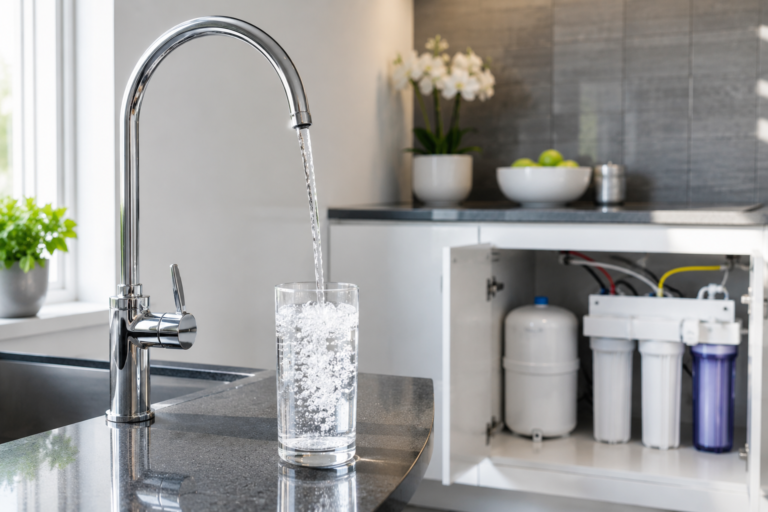
- Common Use: Primarily used as Point-of-Use (POU) systems, typically installed under the kitchen sink to provide purified water for drinking and cooking. Whole-house RO systems are available but are more complex and costly.
Water Distillation: The Purest Option?
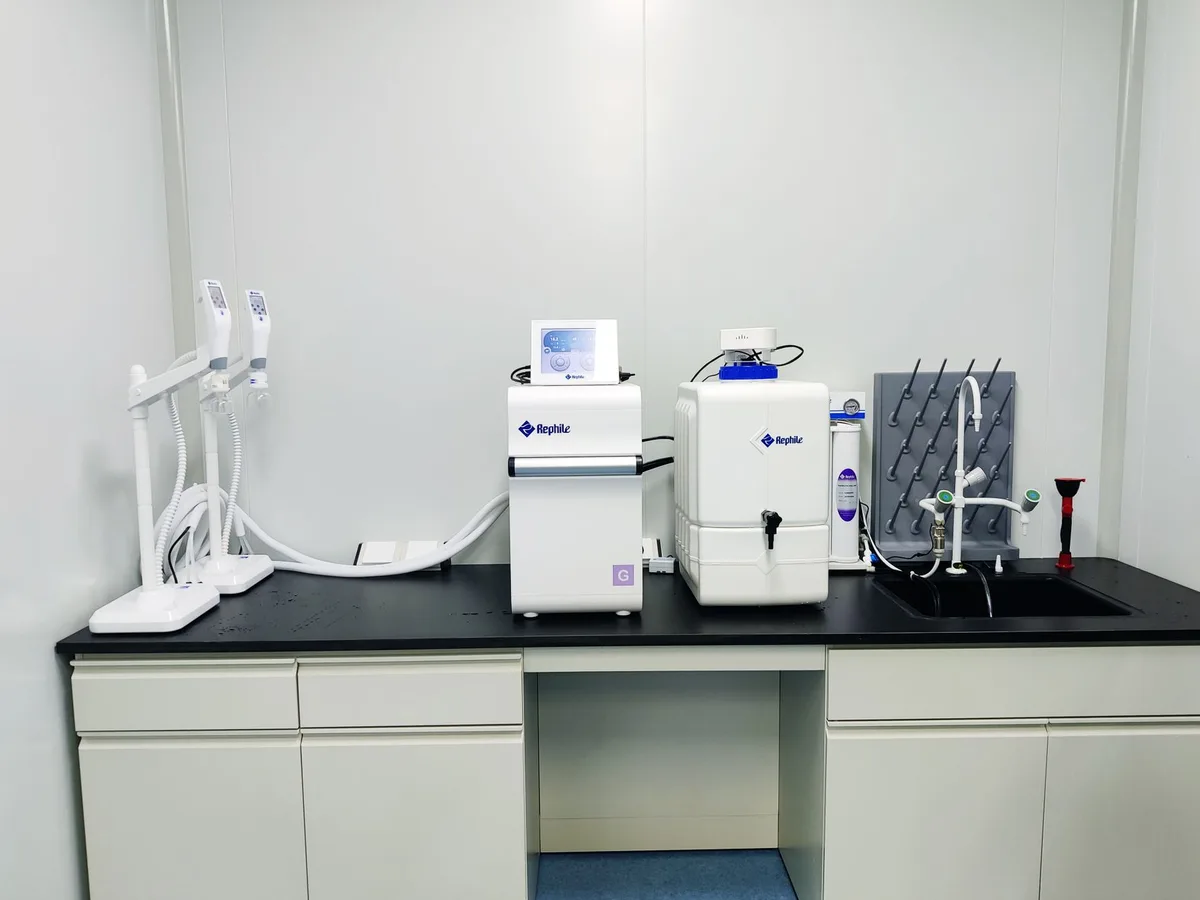
Water distillation is a thermal process that boils water and then collects the condensed steam. This method effectively separates water from virtually all contaminants, including arsenic, by leaving them behind in the boiling reservoir.
- How it Works: Water is heated to its boiling point, creating steam. The steam rises, leaving behind dissolved solids, heavy metals, and other impurities. The steam is then cooled and condensed back into liquid water in a separate chamber.
- Effectiveness: Distillation can achieve very high levels of purity, removing upwards of 99.9% of most contaminants, including arsenic.
- Limitations: Distillation is a slow process and can be energy-intensive, making it less practical for whole-house systems. It also removes beneficial minerals, similar to RO. The collected contaminants in the boiling reservoir need to be cleaned out periodically.
- Common Use: Most commonly found as countertop units for producing small batches of highly purified drinking water. Not typically used for whole-house filtration due to its speed and energy requirements.
Choosing Your System: Point-of-Entry vs. Point-of-Use
When you're faced with arsenic contamination, you have two main approaches to filtration: treating all the water entering your home (Point-of-Entry, or POE) or treating water only at specific outlets, usually for drinking and cooking (Point-of-Use, or POU). Your decision depends on your budget, the arsenic levels, and how you use your water.
Point-of-Entry (POE): Whole House Protection
A POE system is installed where the main water line enters your house. This means every faucet, shower, and appliance in your home receives treated water. It’s the most comprehensive solution for arsenic, ensuring all water used throughout your home is free from the contaminant.
- Pros:
- Protects all water sources in the house.
- Prevents arsenic exposure during showering or bathing (though dermal absorption is less of a concern than ingestion).
- Convenience of whole-house protection.
- Cons:
- Higher initial cost and installation complexity.
- Requires professional plumbing installation.
- Larger systems mean more space is needed.
- Maintenance affects all water outlets.
- Best For: Homes with higher levels of arsenic, or where complete elimination of exposure is the priority. Often requires a multi-stage approach, potentially including an oxidizer and a primary arsenic filter like activated alumina or ion exchange.
Point-of-Use (POU): For Drinking and Cooking Water
POU systems are installed at a specific tap or appliance. The most common type is an under-sink filter for the kitchen faucet, providing purified water only for drinking and cooking. Other POU systems can be installed on individual faucets.
- Pros:
- Lower upfront cost compared to POE systems.
- Easier to install, often a DIY-friendly project.
- Targeted approach saves on filter replacement frequency since only a fraction of your total water usage is treated.
- Reverse osmosis is a very popular and effective POU option for arsenic.
- Cons:
- Only treats water at the specified tap.
- Doesn't protect water used for bathing or other household needs from arsenic exposure.
- Can sometimes reduce water flow rate at the tap.
- Best For: Homes with lower to moderate arsenic levels where the primary concern is ingestion, or as a supplementary treatment to a less robust POE system.
Key Features to Look For in an Arsenic Filter
When you're comparing different arsenic filtration systems or media, keep these features in mind to ensure you get effective and long-lasting protection.
- Arsenic Removal Efficiency: Look for certifications and performance data that shows a high percentage of arsenic removal, especially at your water's specific concentration. Many filters are rated for specific ppb ranges and types of arsenic (As III vs. As V).
- Filter Lifespan: Manufacturers typically rate filters based on the gallon capacity or a time period (e.g., 6 months, 1 year). Consider how often you'll need to replace cartridges or media, as this impacts long-term cost and maintenance.
- Flow Rate: For POE systems, a sufficient flow rate is crucial so you don't experience a noticeable drop in water pressure. POE systems should ideally maintain a flow rate of 5-10 gallons per minute (GPM). POU systems can have lower flow rates but should still be adequate for your needs.
- NSF/ANSI Certification: Look for certifications from organizations like NSF International to NSF/ANSI Standard 58 (for Reverse Osmosis) or NSF/ANSI Standard 53 (for specific health effects like arsenic reduction). This certification verifies that the filter performs as claimed. As of 2026, these standards are regularly updated, so ensure you're looking at current certifications. You can often find details at the NSF International website.
- Maintenance Requirements: Some systems require periodic backwashing or regeneration (often using salt), while others simply need cartridge replacement. Understand the maintenance schedule and associated costs.
- Pre-Oxidation Capability: If your water has a significant arsenite (As III) presence, choose a system that includes or is compatible with a pre-oxidizer to convert it to arsenate (As V) for better removal.
Common Mistakes When Filtering Arsenic (And How to Avoid Them)
Even with the best intentions, homeowners can make mistakes that compromise their arsenic filtration efforts. Being aware of these pitfalls can save you money and ensure your water is truly safe.
- Skipping the Water Test: This is the number one mistake. Without knowing your arsenic levels and type, you can't choose the right technology. A filter effective for 20 ppb arsenate might be useless for 50 ppb arsenite.
- Using the Wrong Filter Type: Relying on standard activated carbon filters or sediment filters will not remove dissolved arsenic. Stick to technologies specifically designed for arsenic reduction.
- Improper Installation: Incorrectly installed systems can lead to leaks, reduced effectiveness, or bypass of unfiltered water. Follow manufacturer instructions carefully or hire a professional.
- Neglecting Maintenance: Filters have a lifespan. Overlooking scheduled cartridge replacements or media regeneration renders the system ineffective. An exhausted filter can even stop removing arsenic altogether, or in rare cases, release trapped contaminants.
- Ignoring Arsenite vs. Arsenate: Many filters are more efficient with arsenate (As V). If your water has high arsenite (As III), you might need a pre-oxidizer or a specialized filter that handles both forms equally well.
- Purchasing Overly Complex Systems: Sometimes, a simple POU RO system is all that's needed. Don't overspend on advanced POE systems if your contamination levels don't warrant it. Equally, don't underspend on a system that can't handle your specific arsenic problem.
Safety First: EPA Standards and Certifications (NSF/ANSI)
When selecting any water treatment system for health-related contaminants like arsenic, prioritizing safety and adherence to established standards is paramount. The U.S. Environmental Protection Agency (EPA) sets the legally enforceable Maximum Contaminant Level (MCL) for arsenic in drinking water at 10 ppb (10 µg/L). This is the maximum permissible level of arsenic in water delivered by public water systems.
For residential water filters, certifications from independent organizations like NSF International are crucial. These certifications mean the product has been rigorously tested to ensure it meets specific performance claims and safety standards.
- NSF/ANSI Standard 58: This standard covers systems designed for "Reverse Osmosis Systems." If a RO system claims to remove arsenic, it should be certified to meet this standard, ensuring it meets performance requirements for arsenic reduction. Visit NSF International's website to verify certifications.
- NSF/ANSI Standard 53: This standard covers "Drinking Water Treatment Units, Health Effects." Filters certified to this standard are tested to reduce specific contaminants, including arsenic. It's important to check the specific certification to ensure it covers arsenic removal from your water.
While the EPA sets the limit for public water systems, NSF/ANSI certifications provide consumers with confidence that residential treatment devices perform effectively and safely for their intended purpose. Always look for the certification mark from NSF or other accredited bodies on the product packaging or specifications.
Maintaining Your Filtration System for Long-Term Protection
Once you've invested in an arsenic filtration system, its effectiveness depends entirely on proper maintenance. Think of it like changing the oil in your car; if you don't do it, the engine can seize up. For water filters, this means replacing cartridges, regenerating media, or servicing components according to the manufacturer's recommendations.
Neglecting maintenance is one of the surest ways to end up with unsafe water again, even with a supposedly high-quality system. It can also lead to premature system failure, costing you more in the long run to repair or replace parts. Always keep a log of when maintenance is due and use genuine replacement parts to ensure optimal performance and safety.
When Do Filter Cartridges and Media Need Replacing/Regeneration?
This is the most critical maintenance question, and the answer depends heavily on your system type and water usage.
- Cartridge Filters (e.g., Activated Alumina, RO Pre/Post Filters): These are typically replaced on a schedule, often every 6-12 months, or based on a gallon capacity rating. For example, an activated alumina filter might be rated for 100,000 gallons. If your household uses 1000 gallons per month, you'd need to replace it roughly every 100 months, but other factors like water chemistry can reduce its actual lifespan.
- Ion Exchange Resins: Some ion exchange resins are disposable and replaced like cartridges. Others are "regenerable," meaning they can be restored to working capacity using a brine solution (salt water). Regeneration cycles depend on water usage and arsenic levels, often occurring monthly or every few months.
- RO Membranes: RO membranes have a lifespan of typically 2-5 years, depending on the water quality and how well the pre-filters are maintained. If pre-filters become clogged, sediment can damage the delicate RO membrane, drastically shortening its life.
- Storage Tanks (for RO): These generally don't require specific maintenance beyond periodic sanitization if recommended by the manufacturer.
How to Keep Your System Running Smoothly
- Follow Manufacturer Guidelines: This is non-negotiable. Your system's manual will detail the exact maintenance schedule, required parts, and procedures.
- Use Genuine Replacement Parts: Generic parts might fit, but they may not perform to the same standards as genuine replacements designed for your specific model. This is especially true for specialized media and RO membranes.
- Keep Records: Log all maintenance activities, including dates of replacement, regeneration, and any issues encountered. This helps you track your system's performance and predict future maintenance needs.
- Periodic Testing: Even with a maintenance schedule, it’s wise to re-test your water for arsenic every 1-2 years, especially if you're on well water or your arsenic levels were initially high. This confirms your filter is still performing effectively.
- Sanitize When Recommended: Some systems, particularly RO, may recommend periodic sanitization to prevent bacterial growth within the system. Follow these steps carefully.
When to Call the Experts: Identifying Limitations and Complex Issues
While many arsenic filtration systems are designed for straightforward installation and maintenance, there are times when you'll need to bring in a professional. Knowing when to call for help can prevent costly mistakes and ensure your system is operating at peak performance.
You should consider contacting a water treatment professional if your situation involves high arsenic levels, a complex water source, or if you're uncomfortable with the maintenance requirements. They have the expertise to diagnose subtle problems that a typical homeowner might miss and can ensure your system is calibrated correctly for your specific water chemistry.
Situations Warranting Professional Help
- Very High Arsenic Levels: If your initial test shows arsenic well above 50 ppb, or if you have multiple concerning contaminants, a professional can design a custom multi-stage treatment plan. Your water might also have other heavy metals or dissolved solids that require specialized handling.
- Difficult Water Chemistry: Water with extreme pH levels, high iron content, or significant dissolved solids might interfere with standard arsenic filtration. A professional can assess these factors and recommend appropriate pre-treatment or specialized filters.
- POE System Installation: Installing a whole-house filtration system directly impacts your home's plumbing. Incorrect installation can lead to leaks, pressure problems, or damage to your plumbing.
- System Malfunctions: If your system suddenly stops working, you notice a significant drop in water pressure, or your water test shows arsenic levels creeping back up despite regular maintenance, it’s time to call a pro. They can troubleshoot complex issues, identify component failures, and perform necessary repairs.
- Routine Servicing for Complex Systems: Some advanced POE systems, especially those involving oxidation or multiple media tanks, might require more than just simple cartridge changes. A service call ensures these complex units are checked and maintained correctly.
- Confusion About Maintenance: If you're unsure about the regeneration process for ion exchange resins or the complex maintenance of some filter media, a professional service can provide guidance or perform the service for you.
Real Scenarios: Arsenic Filtration in Action
Looking at how different families or households approach arsenic filtration can be incredibly insightful. These real-world examples highlight the practical application of the technologies and considerations we've discussed, showing that the "right" solution is often very personal.
Scenario 1: The Well Water Family
A family in rural Pennsylvania receives their water from a private well. An initial water test, prompted by a neighbor’s concern, revealed arsenic levels at 25 ppb, predominantly in the arsenate form. Given this moderate level and the need for whole-house protection, they opted for a Point-of-Entry (POE) system. This system featured an activated alumina filter specifically chosen for its effectiveness against arsenate, coupled with a sediment pre-filter.
They installed it themselves after consulting the manufacturer's guide and have a calendar reminder for annual testing and filter replacement every 9 months, based on estimated water usage.
Scenario 2: The City Dweller with High Consumption
Someone living in a suburban area on municipal water noticed occasional metallic tastes. A test revealed arsenic at 7 ppb, just under the EPA MCL but concerning enough for long-term health. This individual chose a Point-of-Use (POU) system under their kitchen sink. They selected a multi-stage reverse osmosis (RO) unit certified to NSF/ANSI Standard 58 for arsenic reduction.
This provides highly purified water for drinking and cooking, which accounts for the majority of their daily water intake. They plan to replace the RO membrane every 3 years and the pre/post-filters annually, as per the manufacturer’s specs.
Scenario 3: The Investor's Rental Property
An investor owns a rental property where the city has issued an advisory on elevated arsenic levels in certain neighborhoods, though specific testing for the property was not yet conducted. To ensure tenant safety and avoid potential liability, the investor installed a POE system as a proactive measure. They chose a system with both an oxidizer (to handle potential arsenite) and an activated alumina media tank. This POE approach offers broad protection, and the investor budgets for professional annual maintenance and testing to verify the system's ongoing performance, ensuring compliance and tenant well-being.
Frequently Asked Questions
How long does a typical arsenic filter last?
Filter lifespan varies greatly depending on the type of filter, the arsenic concentration in your water, and your household’s water usage. Cartridges and media can last anywhere from six months to several years. Reverse osmosis membranes typically last 2-5 years, while pre-filters for RO systems often need replacement annually. Always refer to your specific system's manual for manufacturer-recommended lifespans and capacities.
Can I use a standard faucet filter for arsenic?
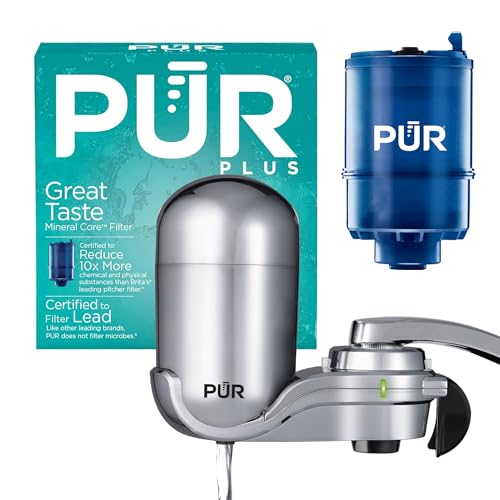
Most standard faucet filters, primarily designed for taste and odor (like those using activated carbon), are not effective for removing dissolved arsenic. You need a filter specifically designed and certified for arsenic reduction, such as those using activated alumina, ion exchange resins, or reverse osmosis.
Does arsenic removal affect my water pressure?
Whole-house (POE) systems can sometimes reduce household water pressure. The degree of reduction depends on the system design, the specific filter media, and its installation. Systems with flow rates designed for typical household demand (e.g., 5-10 GPM) generally have a minimal impact. Point-of-use (POU) systems, especially under-sink RO units, can also reduce flow at a specific tap, but often come with a storage tank to provide on-demand purified water.
What happens to the arsenic removed by the filter?
The removed arsenic is captured by the filter media (like activated alumina or ion exchange resin) or trapped by the RO membrane. When cartridges are replaced, they contain the filtered arsenic and must be disposed of properly in accordance with local regulations. If you have a regenerable ion exchange system, the arsenic is flushed out during the regeneration cycle and goes down the drain.
Is arsenic removal expensive?
The cost can range significantly. A basic POU filter might cost a few hundred dollars, while a whole-house POE system can range from $1,000 to $3,000 or more, plus installation. Ongoing costs include replacement filters or media, and in some cases, salt for regeneration. Remember to factor in the cost of regular water testing to ensure continued safety, which is often a small price for peace of mind.
Your Arsenic Filtration Decision Guide
Making the right choice for filtering arsenic from your water boils down to a few key considerations: your water test results, your budget, and your comfort level with system maintenance. There’s no single "best" filter for everyone; it’s about finding the best fit for your unique situation, ensuring safety and peace of mind.
Your journey starts with that crucial water test. Once you have accurate results indicating arsenic levels above the 10 ppb EPA MCL, you can then evaluate the filtration methods.
- Low to Moderate Arsenic (10-20 ppb): A good quality POU system, like an under-sink RO unit certified for arsenic removal, might be sufficient for your drinking and cooking water.
- Moderate to High Arsenic (20-50 ppb): You might consider a POU RO system, or a more robust POE system using activated alumina or ion exchange, especially if you want whole-house protection. Pre-oxidation might be advisable if your test shows significant arsenite.
- Very High Arsenic (>50 ppb) or Multiple Contaminants: A professionally designed POE system, potentially involving multiple stages (oxidation, specialized arsenic media, and possibly RO for drinking water), is likely necessary.
Remember to always look for NSF/ANSI certifications for any filter you choose. And never underestimate the importance of regular maintenance and testing to ensure your chosen solution continues to protect your family year after year. By following these steps, you can confidently navigate the options and secure safe drinking water for your home.