How the Water Filter Works: Honest Review 2026
Ever wonder what’s happening when you fill up your water pitcher or turn on your tap filter? It’s more than just a simple screen; complex processes are at play to make your drinking water cleaner and tastier. Understanding how the water filter works demystifies the technology behind that fresh, pure sip. You're not just getting water; you're getting water that's been through a careful purification process.
Our research indicates that most common pitcher filters, for example, often meet NSF/ANSI Standards, demonstrating their capability to reduce specific contaminants like chlorine. As of 2026, these standards remain a benchmark for water treatment device performance. This isn't a one-size-fits-all operation; different filter types employ distinct methods, from trapping particles to chemically altering impurities. Let's break down these fascinating mechanisms and what they mean for the water you drink daily.
The Big Picture: What's Really Happening Inside?
At its core, a water filter acts as a sophisticated gatekeeper. Water enters the system and must pass through various layers or media designed to selectively remove unwanted substances. These substances can range from large sediment particles to dissolved chemicals and even microscopic organisms. The effectiveness of a filter hinges entirely on the type of media it uses and how that media is structured to interact with the water flowing through it.
Mechanical Filtration: The Physical Barrier
Mechanical filtration is the most intuitive method water filters use. It’s all about creating a physical barrier with pores that are just the right size to trap solid contaminants while allowing water molecules to pass through. Think of it like a very fine sieve. The smaller the pore size, the smaller the particles the filter can remove.
This process is excellent for tackling visible debris like sediment, sand, silt, and rust. For instance, a 5-micron sediment filter will physically block particles larger than 5 micrometers. Many filters start with a mechanical stage to remove larger particles that could clog more delicate filtration media used later in the process.
Adsorption: Sticking to the Good Stuff
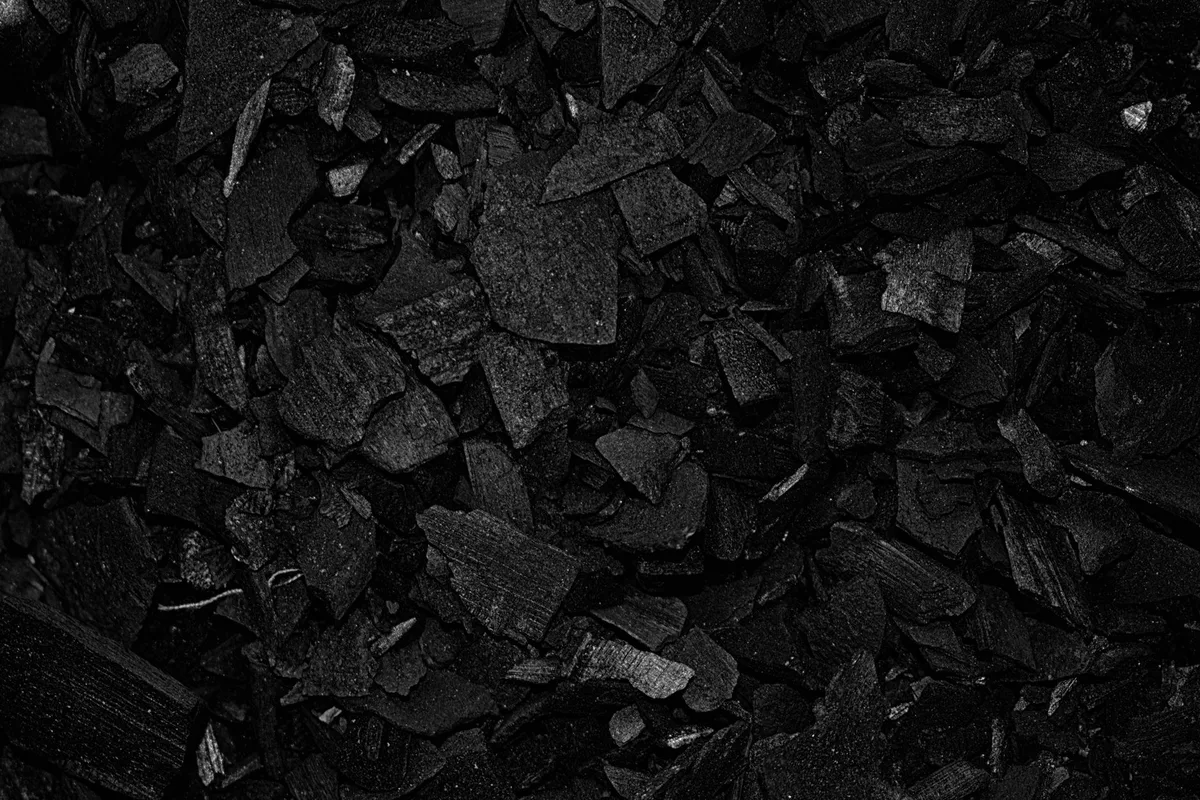
Adsorption is a process where impurities in the water stick to the surface of the filter material. The star player here is activated carbon, a form of porous carbon that has been treated to be extremely absorbent. Its structure is riddled with microscopic pores, creating a massive surface area within a small volume. When water flows through activated carbon, chemicals like chlorine, volatile organic compounds (VOCs), and certain dissolved solids are attracted to and adhere to these carbon surfaces.
This is why activated carbon filters are fantastic for improving the taste and odor of water, as chlorine is a primary culprit for unpleasant smells and flavors.
Ion Exchange: Swapping Things Around
Ion exchange is a process that's particularly effective at removing dissolved minerals, especially those that cause water hardness, like calcium and magnesium. In an ion exchange filter, tiny resin beads are used. These beads are typically coated with specific ions, often sodium or potassium. As water passes through the resin bed, the unwanted ions (like calcium and magnesium) are attracted to the resin and essentially swap places with the ions coating the beads.
This effectively removes the hardness-causing minerals from the water, making it "softer." While primarily known for water softening, ion exchange can also be tailored to remove other dissolved ions like lead or nitrates.
Reverse Osmosis: The High-Tech Sieve
Reverse osmosis (RO) is a more intensive purification method that uses pressure to push water through a semi-permeable membrane. This membrane is incredibly fine, with pores so small that they allow water molecules to pass but block virtually all other dissolved solids, minerals, salts, heavy metals, and even larger microorganisms like bacteria and viruses. RO systems typically involve multiple stages. A pre-filter usually removes sediment and chlorine first, protecting the delicate RO membrane.
After the membrane, a post-filter, often activated carbon, polishes the water, removing any residual tastes or odors. The result is highly purified water.

Key Components You'll Find Inside
Beyond the broad filtration methods, understanding the specific components gives you a clearer picture of what’s happening. These are the workhorses that perform the actual purification.
Activated Carbon: The Taste and Odor Champ
We touched on activated carbon in adsorption, but it’s worth highlighting its role. This isn't your typical charcoal briquette. Activated carbon is processed using high temperatures or chemicals to dramatically increase its porosity and surface area. Manufacturer specifications often cite surface areas in the hundreds or thousands of square meters per gram, a testament to its absorbing power.
It's the go-to for eliminating chlorine, which improves water's taste and smell, and it also captures a range of other organic contaminants like pesticides and herbicides.
Membranes: The Ultra-Fine Pore Masters
When we talk about membranes, especially in reverse osmosis systems, we're looking at some of the finest filtration available. These are thin layers of material, typically plastic polymers, with incredibly small, precisely sized pores. Imagine holes that are measured in angstroms (a tenth of a nanometer). For context, a typical human hair is about 80 to 100 micrometers wide, which is 80,000 to 100,000 nanometers.
The pores in an RO membrane can be as small as 0.0001 micrometers. This incredible precision means they can block even dissolved salts and most heavy metals, leaving behind exceptionally pure water.
Putting It All Together: Filter Types and How They Work
Now that we've covered the individual technologies, let's look at how they’re combined in the filters you commonly find. Different filter types are designed for different needs and convenience levels.
Pitcher Filters: Simple and Convenient
These are probably the most common type of filter in homes. You usually fill a reservoir at the top, and gravity pulls the water through a filter cartridge into a pitcher below. This cartridge typically combines activated carbon for taste and odor improvement with often ion exchange resin for reducing mineral hardness or specific metals like copper. Manufacturer specifications usually rate these filters for filtering a specific number of gallons, or for a set time period, before replacement is needed.
Faucet Filters: On-Demand Cleanliness
Faucet filters attach directly to your existing kitchen faucet. They offer filtered water on demand with a simple lever or button. These filters also commonly employ activated carbon to tackle chlorine and VOCs. Some models might include additional layers for sediment reduction or even specific contaminant targeting, depending on the product line.
The trade-off is that they can sometimes reduce water flow and may not fit all faucet types.
Under-Sink RO Systems: Multi-Stage Power
Under-sink Reverse Osmosis (RO) systems are more involved but offer a higher level of purification. They usually consist of multiple filter stages housed in separate cartridges. You'll typically find a sediment pre-filter, followed by one or two carbon block filters, then the RO membrane, and finally a post-carbon filter. This multi-barrier approach removes a very broad spectrum of contaminants, including dissolved solids and heavy metals, often achieving 90% or more reduction in many impurities.
These systems require a connection to your cold water line and a separate faucet for the purified water.
Whole-House Systems: Protecting All Your Water
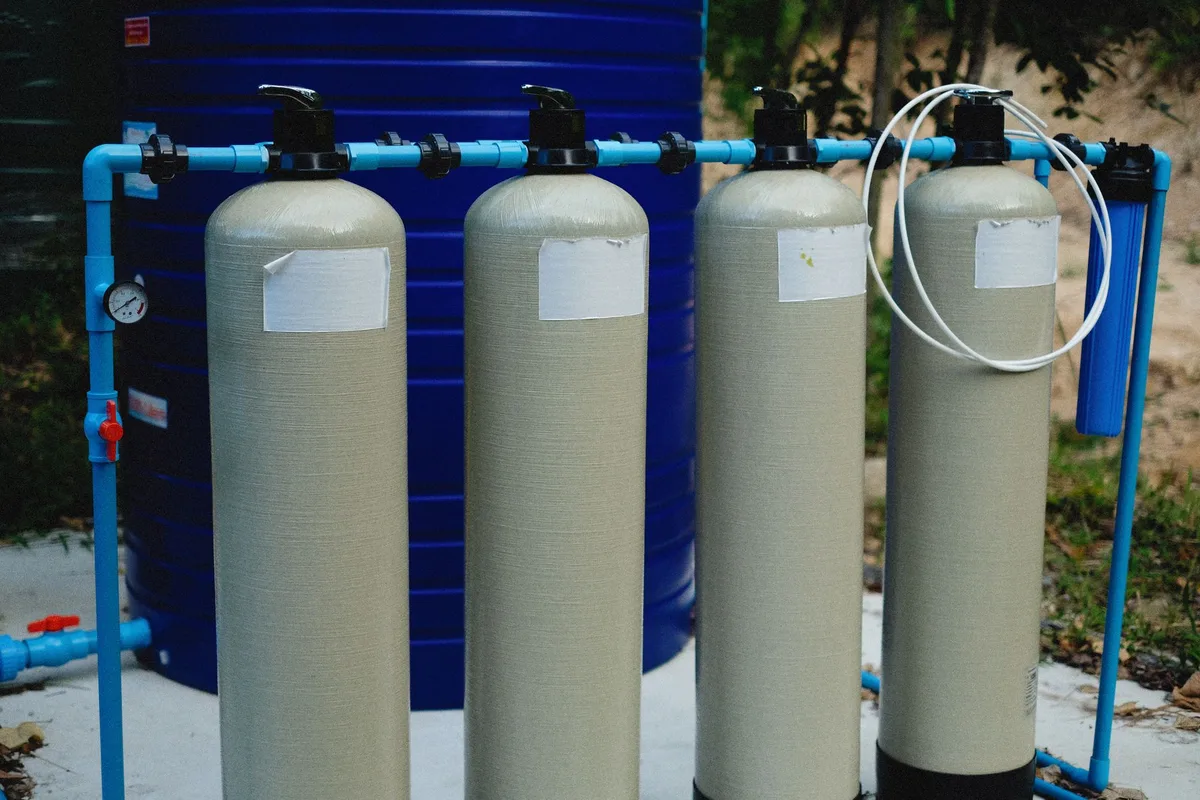
These systems are installed where the main water line enters your home, treating all the water used throughout the house. They can be configured with various media depending on your local water quality. You might find a large sediment filter to protect plumbing, followed by a massive activated carbon tank for general purification and taste improvement, or specific media for iron or sulfur removal. These systems are a significant investment, but they provide consistently treated water for all your needs, from drinking and cooking to showering and laundry.