Disadvantages Of A Whole House Water Filter: Risks & Costs
They can lower pressure, cost more over time, and miss key contaminants.
If you’re weighing what are the disadvantages of a whole house water filter, you’re doing the right homework. I help homeowners choose filtration systems, install them, and live with them. In this guide, I break down real trade-offs, common pitfalls, and smart fixes. I’ll show you what are the disadvantages of a whole house water filter with clear examples, simple terms, and data-backed tips. Read on to make a choice you won’t regret.

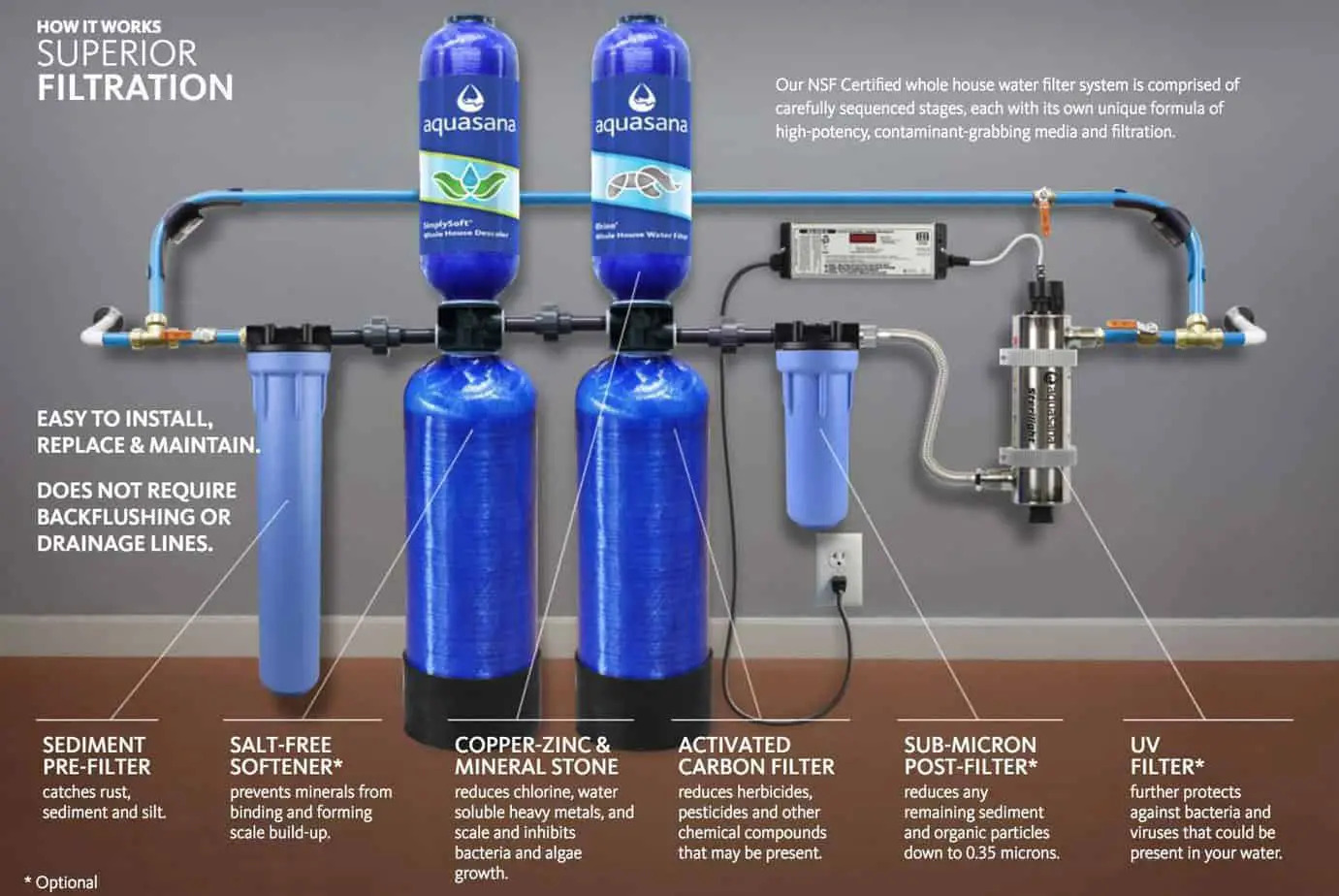
How a Whole House Water Filter Actually Works
A whole house filter is a point-of-entry system. It treats water as it enters your home. The goal is clean water at every tap.
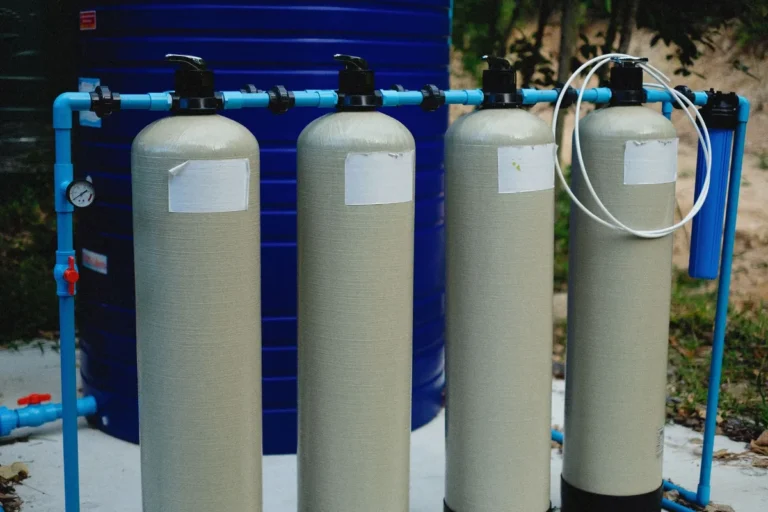
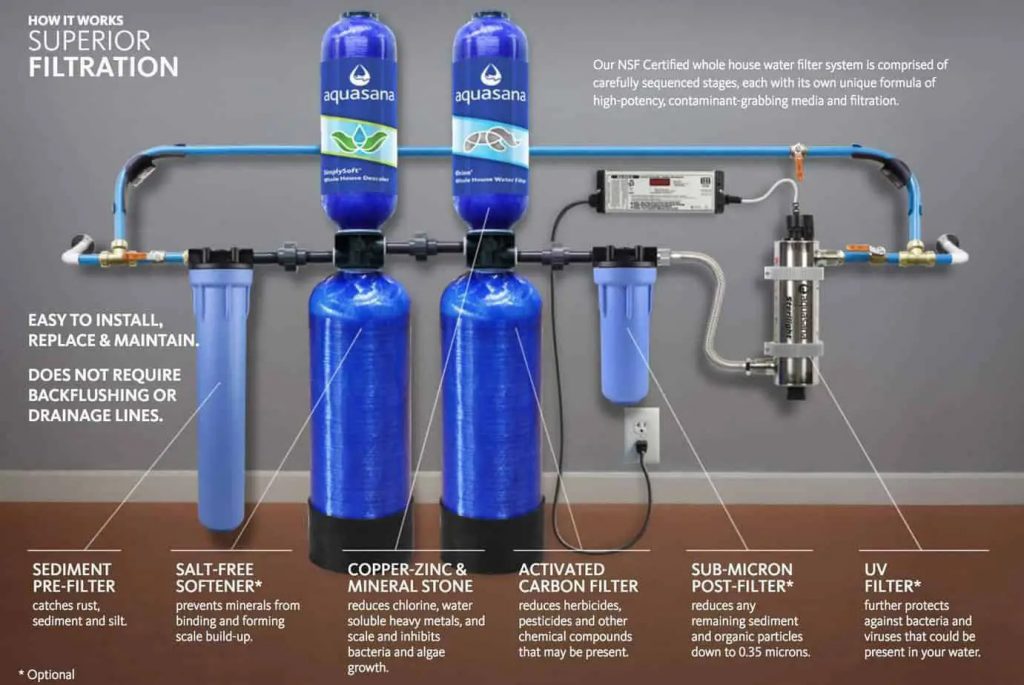
Most setups stack parts in a line. Think of it like a filter train:
- Sediment filter catches sand, rust, and silt.
- Carbon filter reduces chlorine, taste, and smell.
- Specialty media targets iron, hydrogen sulfide, or PFAS.
- UV or other disinfection options reduce microbes.
This layout helps many homes. Yet each step adds limits and cost. That is why people ask what are the disadvantages of a whole house water filter before they buy.
The Hidden Costs Most Shoppers Miss
Upfront price is only the start. Ongoing costs often surprise buyers.
What to expect:
- Cartridges and media need change. Life varies with water quality and use.
- Big carbon tanks need rebed every few years. This is not cheap.
- Backwashing systems use water and power. That adds to bills.
- Service calls, pressure tests, and leak checks cost money.
From my work, I see long-term costs pass the unit price in 3 to 5 years. This is why what are the disadvantages of a whole house water filter often begin with money and time.

The Water Pressure and Flow Trade-Off
Every filter adds resistance. You feel that in showers and while filling tubs.
Common issues:
- Pressure drop of 5 to 10 psi through a carbon tank is normal.
- Undersized systems choke flow when you run many taps.
- Clogged prefilters cause sudden drops. This feels like a trickle.
I once installed a high-end carbon unit for a big family. It was sized for 10 gallons per minute. On laundry day plus showers, they needed 14. Results were poor. We swapped in a larger tank and raised the flow rating. The fix worked, but the cost rose fast. This kind of story sums up what are the disadvantages of a whole house water filter when sizing is off.
Maintenance Burden and Failure Risks
Filters need care. When care slips, water quality and gear both suffer.
Risks to plan for:
- Bacterial growth in carbon beds if chlorine is removed. Stagnant water makes this worse.
- Channeling in media tanks if flow is low or uneven. This reduces performance.
- O-rings dry out. Housings can crack. Leaks may flood a room.
- Winter freezes can damage tanks in garages or crawl spaces.
I learned to set calendar alerts for every client. We add a bypass valve, a leak sensor, and a floor drain if code allows. Simple steps cut risk. But they add cost and time. That matters when you count what are the disadvantages of a whole house water filter in daily life.

Not a Cure-All: Contaminants They May Miss
No single filter removes everything. Many people think one tank solves it all. It does not.
Limits to know:
- Carbon does not remove hardness (calcium and magnesium). It will not stop limescale.
- Nitrates, fluoride, and sodium are not removed by carbon.
- Dissolved metals like chromium need special media or reverse osmosis.
- PFAS needs certified media. Not all “PFAS filters” meet strict cut levels.
- Microbes need UV or another disinfect step. Carbon alone is not enough.
Standards help you judge claims. NSF/ANSI 42 covers taste and odor. 53 covers health effects for many toxins. 401 covers emerging compounds like some drugs. 55 covers UV. 58 is for reverse osmosis. Check labels for certification, not just marketing. This lack of broad coverage is a core part of what are the disadvantages of a whole house water filter.

Dechlorination Can Invite Biofilm
Chlorine protects water as it travels. Carbon removes chlorine. That can make water feel soft and smell better. But it can also invite growth in pipes past the filter.
What to watch:
- Slimy film on shower heads or humidifiers.
- Musty odor in little-used guest baths.
- Growth in fridge water lines if not flushed.
This does not mean carbon is bad. It means you must pair it with sound design. A UV stage or regular hot water flushing helps. Still, it is one more part of what are the disadvantages of a whole house water filter when you remove a key disinfectant.

Plumbing, Space, and Warranty Headaches
These systems take space and need the right spot. Placement drives safety and code compliance.
Concerns I see often:
- Tight utility rooms with no drain make leaks a big risk.
- Old copper with pinholes can fail after pressure changes.
- Some home warranties exclude damage from add-on plumbing.
- Building codes may require permits, unions, and seismic straps.
I have had to move entire systems two feet to meet code near a water heater. Labor doubled. That kind of surprise feeds what are the disadvantages of a whole house water filter for busy owners.

Environmental Footprint and Waste
Whole house filters have an eco cost. It is not huge for all models, but it exists.
Key points:
- Cartridge waste adds plastic to trash streams.
- Backwashing uses tens of gallons per cycle.
- Reverse osmosis at whole house scale can waste two to four gallons per gallon made.
- Media replacement and transport add to carbon impact.
If green goals matter to you, weigh this side. For some, a point-of-use filter at the kitchen sink cuts impact and cost while giving safe drinking water. That mix often wins against what are the disadvantages of a whole house water filter across a whole home.
When a Whole House Filter Is the Wrong Tool
These systems shine for some needs. They fall short in others.
Think twice if:
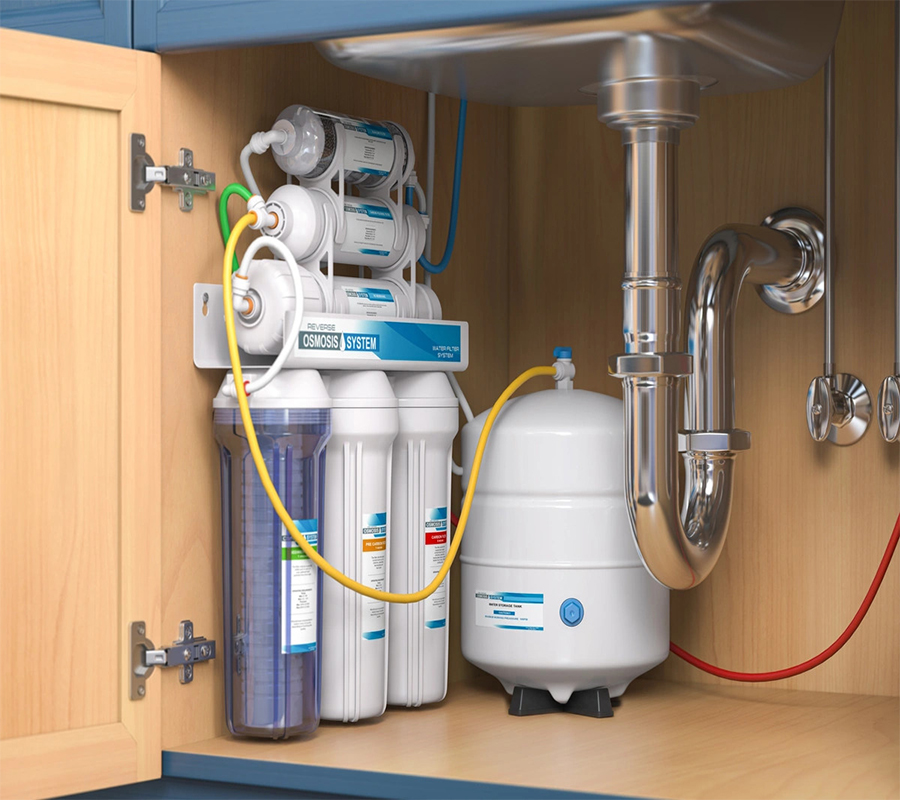
- Your main issue is drinking water only. A sink RO system may be best.
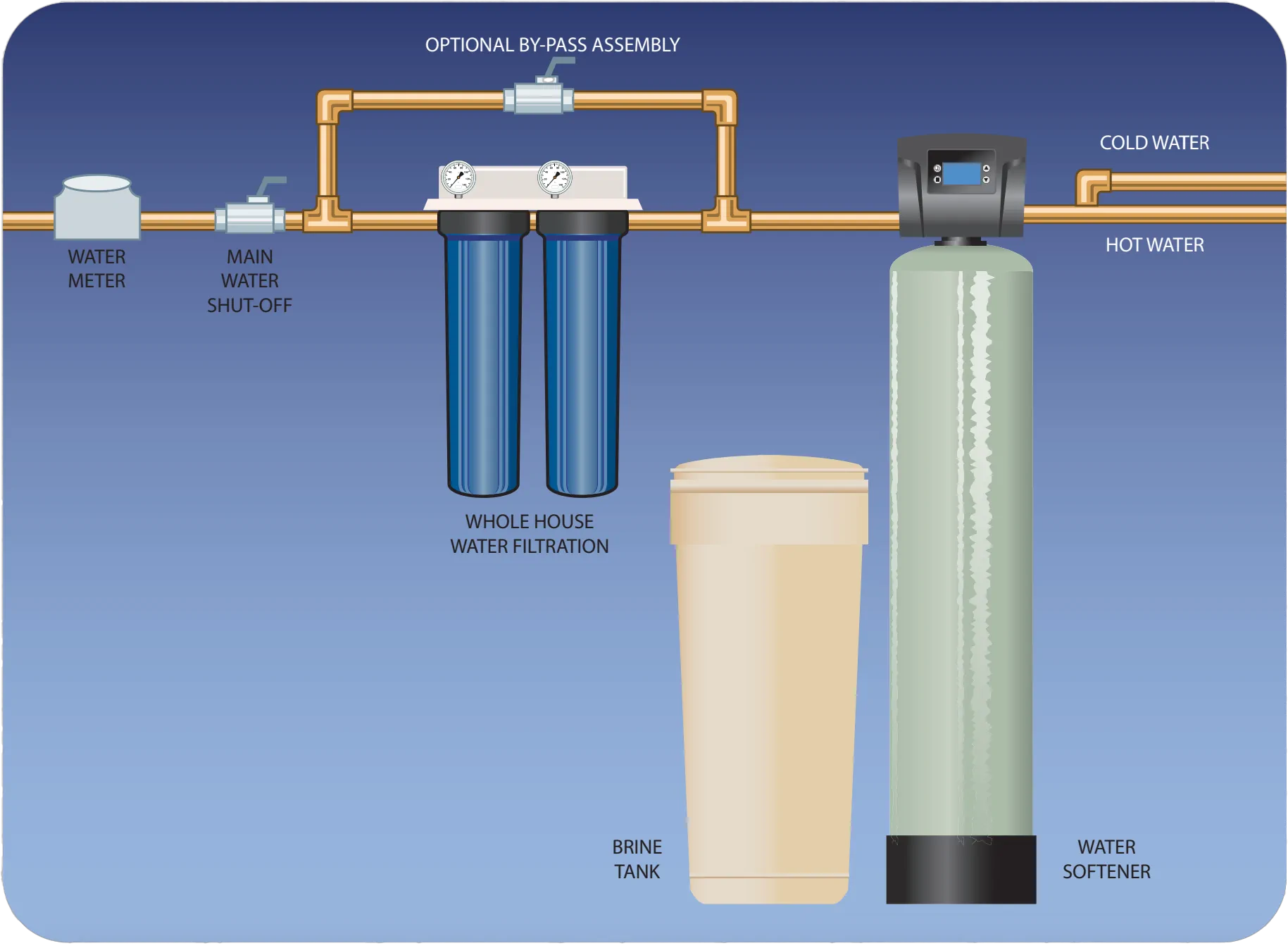
- You have severe hardness. You need a water softener, not just carbon.
- Your home has very high peak flow. Sizing will get large and costly.
- You rent or plan to move soon. You will not see payback.
This is where many start asking what are the disadvantages of a whole house water filter for their exact case. Fit matters. Use the right tool.
Safer Alternatives and Smart Add-Ons
You can mix options to target your goals and reduce risk.
Good combos:
- Point-of-use RO at the kitchen. Carbon shower filter for smell. No big tank needed.
- Sediment filter only for well water grit. Skip carbon if chlorine is your friend.
- Carbon whole house plus UV if bio risk is high.
- Properly sized softener for hardness. Add a small under-sink filter for taste.
I have set many homes with a hybrid stack. Cost stays low. Results stay high. That balance can beat what are the disadvantages of a whole house water filter when used alone.
Buyer’s Checklist to Reduce Risks
Use this quick list before you buy.
Do this first:
- Get a full lab test of your water. Do not guess.
- Map peak flow. Count showers, tubs, sprinklers, and appliances.
- Check pressure at the main. Note static and flow pressure.
- Plan space, drains, and a safe install path.
Demand proof:
- Look for NSF/ANSI certifications that match your target issues.
- Ask for pressure drop curves at your flow rate.
- Get media life in gallons and cost per change.
- Confirm warranty details and service options.
Live with it:
- Add a bypass valve and pressure gauges.
- Set alerts for filter changes by time and gallons.
- Place a leak sensor on the floor near the unit.
- Flush little-used lines each month.
This checklist will not erase what are the disadvantages of a whole house water filter. But it will shrink them and protect your home.
Frequently Asked Questions of what are the disadvantages of a whole house water filter
Do whole house filters lower water pressure?
Yes, all filters add resistance. Poor sizing or clogged cartridges can cause big drops you will feel.
Can a whole house filter remove hard water scale?
No. Carbon and sediment filters do not remove hardness. You need a water softener or conditioner.
Are these systems safe for well water?
They can be, but you need the right setup. Test for iron, manganese, sulfur, and microbes and size media and UV to match.
How often do I need to change the filters?
Sediment cartridges may need change every 1 to 3 months. Carbon tanks can last 3 to 5 years before rebed, depending on use and water quality.
Will a whole house filter remove PFAS?
Only if it is designed and certified for PFAS reduction. Check for lab validation and NSF/ANSI listings for those compounds.
Can removing chlorine cause bacteria growth?
Yes. Without chlorine, biofilm can grow in pipes and tanks. A UV stage or routine flushing helps control this.
Is a point-of-use filter better than a whole house filter?
For drinking water, often yes. A good under-sink RO can remove more health-related contaminants at a lower cost.
Conclusion
A whole house filter can boost comfort, taste, and odor. But it can also cut pressure, add upkeep, miss key toxins, and raise costs. When you look at what are the disadvantages of a whole house water filter, you see they are real but manageable with good testing, right sizing, and smart add-ons.
Take the next step. Test your water, list your goals, and price a few paths. Choose the setup that solves your top risks with the least cost and fuss. Want more practical guides like this? Subscribe, share your questions, or drop a comment with your setup and I’ll help you tune it.