How to Make a Reverse Osmosis Water Filter 2026
Understanding Why Building a DIY RO Filter is Tricky
Ever found yourself staring at that expensive store-bought water filter and thinking, "Could I actually build this myself?" The journey to understand how to make a reverse osmosis water filter often starts with that very curiosity. It’s a natural question when you’re looking to improve your home's water quality and perhaps save some money in the process.
However, our research and analysis of existing systems suggest that diving into a full DIY reverse osmosis (RO) build can be a lot more complex and risky than it initially appears. While the principles are straightforward, the execution demands precise engineering and component compatibility that’s hard to replicate at home. Standards like NSF/ANSI 58, for example, dictate rigorous performance and safety criteria for RO systems, which can be challenging to meet with cobbled-together parts.
The Reality Check: Why Buying is Often Best
When it comes to something as critical as your drinking water, reliability and safety are non-negotiable. Our research indicates that commercially manufactured RO systems undergo extensive testing and certification to meet standards like NSF/ANSI 58. This means a pre-built unit is engineered to consistently remove a high percentage of contaminants, often exceeding 90% for dissolved solids.
Attempting to replicate this performance with DIY parts can be a gamble. You might source similar-looking components, but their exact specifications, material quality, and compatibility might not align perfectly with what's needed for effective RO filtration. Without rigorous testing, you simply can't be sure your homemade system is delivering the purity you expect. This is why, as of 2026, most reliable advice steers consumers toward verified commercial products for complete RO functionality.
Reverse Osmosis: How the Magic Happens (Simplified)
Reverse osmosis is a water purification process that uses a semipermeable membrane to remove ions, unwanted molecules, and larger particles from drinking water. The fundamental concept is simple: apply pressure to the water on one side of the membrane, forcing water molecules through while leaving contaminants behind. This process is the opposite of osmosis, where water naturally moves from a less concentrated to a more concentrated solution.
In an RO system, this pressure is typically supplied by your home's water line. If your home's water pressure is below the system's minimum requirement, often around 40-60 PSI, a booster pump might be necessary to ensure proper membrane function. The speed at which water is purified is relatively slow, which is why most RO systems include a storage tank to hold a reserve of purified water for immediate use.
Core Components of a Typical RO System
A standard reverse osmosis system is built with several key components working in sequence to deliver purified water. Understanding each part helps clarify why assembling one yourself is a detailed undertaking.
The Membrane: The Heart of RO
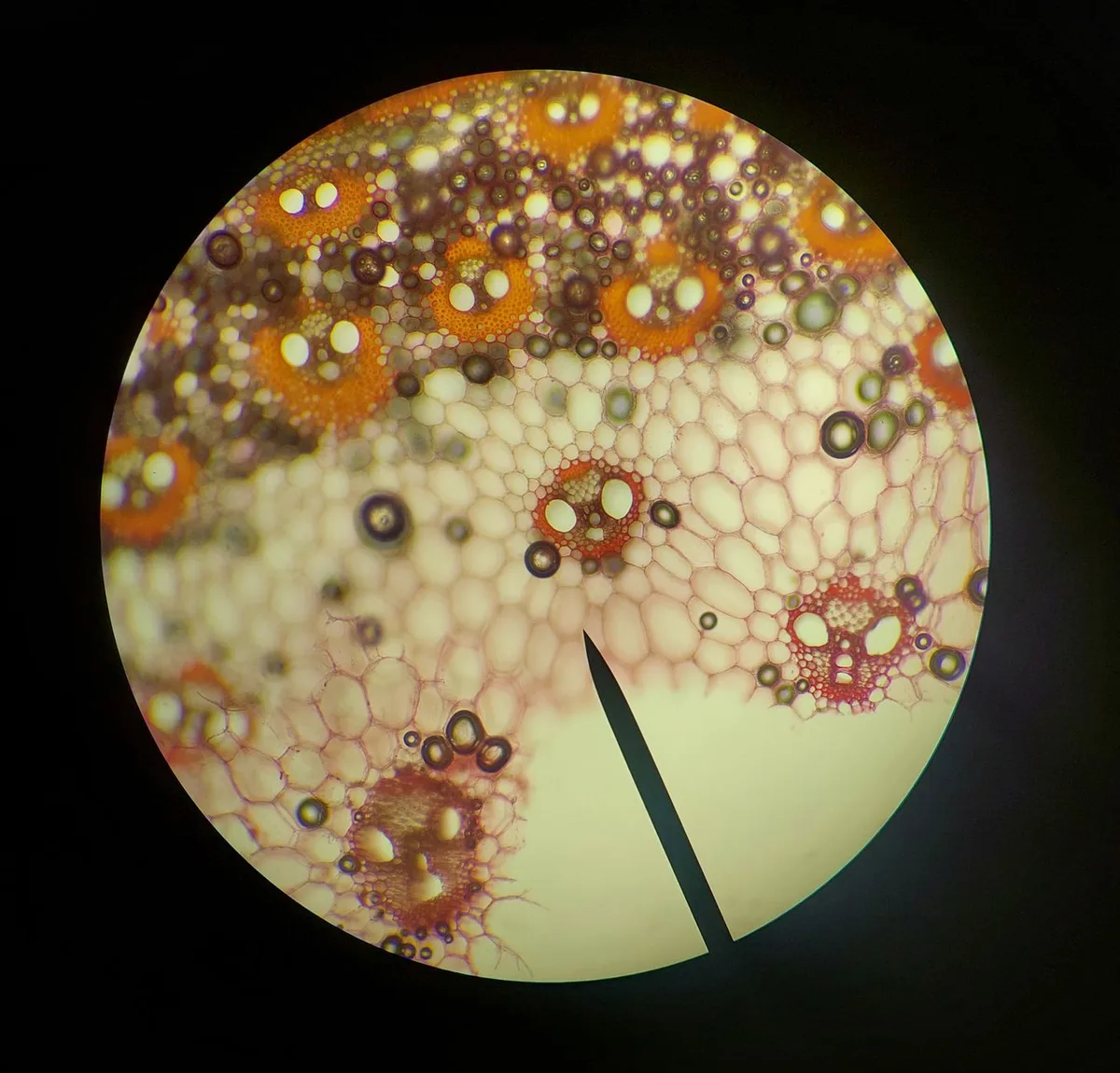
The reverse osmosis membrane is the core of the entire purification process. It's a very fine, selective barrier made from materials like thin-film composite polyamide. Its pores are so small, typically around 0.0001 microns, that they allow water molecules to pass through but block nearly all dissolved salts, minerals, bacteria, viruses, and other larger contaminants. Without the correct pressure and a properly functioning membrane, the system simply won't purify water effectively.
Pre-Filters: Your First Line of Defense
Before water even reaches the delicate RO membrane, it passes through one or more pre-filters. These are crucial for protecting the membrane from damage and clogging. A typical RO system will include at least two pre-filters.
- Sediment Filter: This filter removes larger particles like sand, silt, rust, and other suspended solids. They are usually rated in microns, with smaller micron ratings indicating finer filtration.
- Activated Carbon Filter: This filter uses activated carbon to absorb chlorine, volatile organic compounds (VOCs), pesticides, and other chemicals that can affect the taste and odor of water. It also helps protect the RO membrane from chlorine damage, as chlorine can degrade the membrane material over time.
Post-Filters: Polishing the Water
After passing through the RO membrane and often stored in a tank, the water may go through a final polishing filter, typically another activated carbon filter. This post-filter acts to remove any residual tastes or odors that might have been picked up during the storage or collection process, ensuring the water is as fresh and clean as possible before it reaches your faucet.
What You Can Realistically DIY: Simpler Filtration Projects
While building a full, multi-stage RO system is often ill-advised for DIYers due to complexity and safety concerns, there are simpler filtration projects that can be rewarding and educational. These projects allow you to learn about water flow, filter types, and basic plumbing without the high stakes of a complete drinking water system.
Building a Multi-Stage Pre-Filter System
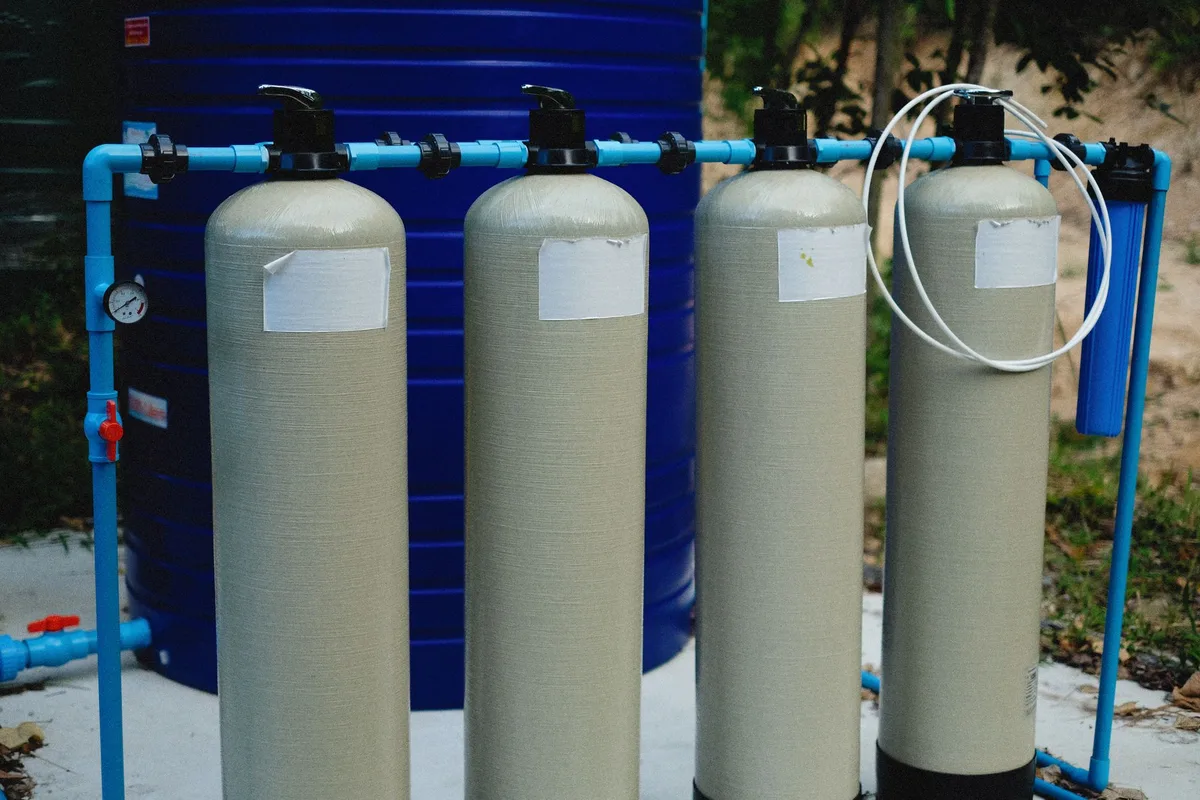
One practical DIY project is assembling a multi-stage pre-filter system. This might be useful for applications like RVs, workshops, or as an enhancement to an existing water filter. You can purchase standard filter housings and connect them in series. For instance, you could set up a sediment filter followed by a carbon block filter, using appropriate fittings and tubing to link them.
This teaches you how to manage water flow and ensure secure connections.
For these setups, you'd typically use standard plumbing fittings, like NPT (National Pipe Thread) connections or push-to-connect fittings, along with food-grade tubing. Manufacturer documentation for these components will usually provide clear instructions on assembly and sealing techniques.
RO Booster Systems: Enhancing Existing Units
Another common area for DIY involvement is in upgrading or "boosting" existing RO systems. If your home's water pressure is consistently low, it can significantly impact your RO system's performance and efficiency. In such cases, a DIYer might install an RO booster pump. This involves carefully integrating a pump into the system's plumbing to increase the water pressure feeding into the RO membrane.
This requires understanding the system's existing layout and ensuring the pump is correctly wired and plumbed according to its specifications to avoid over-pressurizing the system.
Key Challenges and Mistakes to Avoid in DIY RO Builds
Trying to build your own reverse osmosis system often leads to specific problems that can be avoided with a clearer understanding of the components and their requirements. One common pitfall is underestimating the need for consistent water pressure. If your home's water pressure is too low, the RO membrane won't receive enough force to effectively separate contaminants, leading to poor purification. Manufacturer specifications for RO membranes typically list a minimum operating pressure, often around 40-60 PSI, and deviating from this can render the system ineffective.
Another significant challenge is ensuring all connections are perfectly sealed and leak-free. RO systems operate under pressure, and even a small leak can cause water damage. Furthermore, the order in which filters are installed is critical. The pre-filters are designed to protect the RO membrane from sediment and chlorine.
If these are installed after the membrane or in the wrong sequence, the membrane can be quickly fouled and damaged, rendering the expensive component useless.
Pressure Puzzles and Seal Secrets
Ensuring the correct water pressure for your RO membrane is non-negotiable. Too little pressure means insufficient force to push water molecules through the membrane, resulting in a high concentration of contaminants in the output water. Conversely, excessive pressure can damage the membrane structure, causing premature failure. Many DIY projects overlook the need for accurate pressure monitoring, often relying on gauges that are not calibrated.
Sealing is equally vital. Standard plumbing fittings can work, but they must be installed correctly with appropriate thread seal tape or pipe dope. Gaskets within filter housings must be properly seated and free of debris to ensure a tight seal. A loose seal not only leads to leaks but can also allow unfiltered water to bypass the purification stages, compromising the entire system's integrity and safety.
Order Matters: Filter Sequencing Blunders
The sequence of filters in an RO system is not arbitrary; it's a carefully designed workflow. Sediment filters always come first, removing larger particles that could clog finer filters. Activated carbon filters follow, removing chlorine and organic compounds that can degrade the RO membrane. The RO membrane itself is the third major stage, performing the fine filtration.
Finally, a post-carbon filter polishes the water.
Building or assembling a system where these stages are out of order is a common and costly mistake. For instance, placing a carbon filter before a sediment filter means the carbon media can quickly become saturated with sediment, reducing its effectiveness and potentially clogging the system faster. This sequencing is particularly important in any DIY filtration setup aiming for true RO performance.
When to Seek Professional Help or Buy Pre-Built
Given the intricacies of RO technology, there’s a point where the cost, time, and potential risks of a DIY build outweigh the benefits. If your primary goal is reliably pure drinking water, our research consistently points to pre-built RO systems. These units come factory-assembled, tested, and often certified to meet safety and performance standards, such as those from NSF International.
Commercial systems are engineered to work harmoniously; the pressure ratings of the housings match the membrane, and the flow rates are considered. For example, a typical under-sink RO unit might produce about 50 gallons per day (GPD), a metric that reflects the membrane's capacity under standard conditions. Trying to achieve this level of performance and consistency with a DIY approach requires sourcing components that are specifically designed to work together, which can be difficult for the average consumer.
Alternative Water Filtration Methods for Your Home
If a full RO system seems too involved, or if your water quality concerns are less severe, several alternative filtration methods can improve your tap water. Each has its own strengths and is suited for different needs. Understanding these options can help you make an informed decision without necessarily building a complex system yourself.
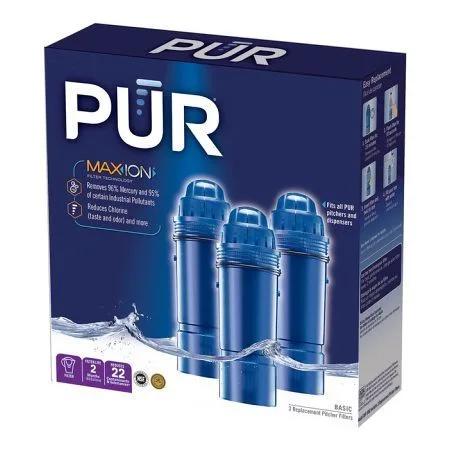
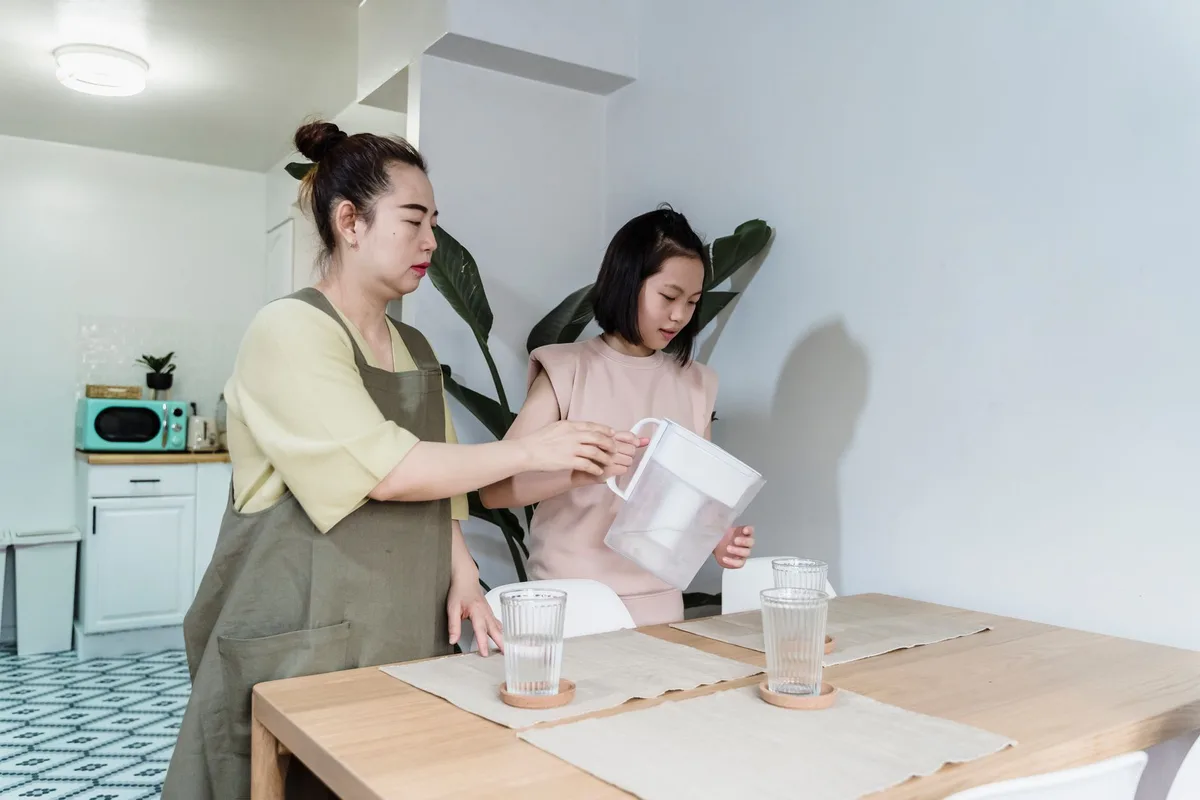
- Water Pitcher Filters: These are the simplest option, using activated carbon and sometimes ion exchange resins to reduce chlorine, sediment, and certain metals like lead. They are portable and easy to use but have limited capacity and slower filtration rates.
- Faucet Filters: Attaching directly to your kitchen faucet, these offer a more convenient way to get filtered water on demand. They typically use activated carbon to improve taste and odor and reduce common contaminants.
- Whole House Filters: Installed at the main water line, these systems filter all the water entering your home. They are effective for reducing sediment, chlorine, and other general contaminants throughout the entire house.
- Countertop Filters: These units sit on your counter and connect to your faucet. They often offer more advanced filtration than pitchers or faucet filters, sometimes including multi-stage processes similar to RO but without the same level of contaminant removal.
Each of these alternatives offers a practical solution for improving water quality, with varying levels of effectiveness for different types of contaminants. The choice often depends on your specific water issues and desired level of purification.