What Water Filter Do I Need for My Frigidaire Refrigerator
Figuring out what water filter you need for your Frigidaire refrigerator doesn't have to be a guessing game. Using the wrong one can lead to low water pressure or even damage your appliance, while the correct filter ensures you get clean, great-tasting water and ice. We've researched the common issues homeowners face and gathered insights from manufacturer specifications to help you make the right choice with confidence.
Selecting the correct replacement filter is a straightforward process once you know where to look. Most Frigidaire refrigerators utilize internal water filtration systems, often carrying NSF International certifications for contaminant reduction. By following a few key steps and understanding your model's specific needs, you'll be well on your way to enjoying fresh, filtered water.

Is Your Frigidaire Filter Causing Problems? Identifying the Need for a Change
Signs that your current refrigerator water filter needs replacing are usually pretty obvious, and ignoring them can impact both water quality and your fridge's performance. The most common indicator is a noticeable change in the taste or smell of your water and ice; if it starts tasting or smelling "off," like chlorine or metallic, the filter's active carbon is likely exhausted. Another key symptom is a significant drop in water pressure from your dispenser.
Manufacturer specifications, like those found in your Frigidaire owner's manual, typically recommend replacing the water filter every six months, or sooner if you notice diminished water flow or taste changes. Some models also feature a filter status indicator light on the dispenser panel that will alert you when it's time for a change. As of 2026, these indicators remain a primary, convenient tool for timely replacements.
Where to Find Your Frigidaire Refrigerator's Model and Filter Type
Every Frigidaire refrigerator model is designed to work with specific water filters, and there isn't a one-size-fits-all solution. The critical piece of information you need is your refrigerator's model number, which is your passport to finding the correct filter. Without this, attempting to guess can lead to buying an incompatible filter, wasting money and time.
This model number is typically found on a sticker located inside the refrigerator compartment, often on one of the side walls or near the crisper drawers. It might also be on the back of the unit or behind the kick plate at the bottom front. Once you have it, you can consult your owner's manual or the manufacturer's website to pinpoint the exact filter series recommended for your appliance.
Frigidaire Filter Series: PureSource Generations Explained
Frigidaire has developed several generations of water filtration systems, primarily under the "PureSource" branding. Knowing which PureSource generation your refrigerator uses is key to selecting the right filter. These generations differ in their design, installation method, and the types of contaminants they are certified to reduce.
The most common series are PureSource 1 (PS1), PureSource 2 (PS2), PureSource 3 (PS3), and PurePour (also sometimes referred to as PureSource Ultra). For instance, some older models might use PS1 filters that twist and lock into a housing compartment, while newer ones might feature Push-to-Lock mechanisms for PS3 or PurePour filters. Each generation has corresponding part numbers; using a filter from the wrong generation won't work correctly, if at all.
Understanding What a Frigidaire Water Filter Actually Does
At its core, a Frigidaire refrigerator water filter is designed to improve the quality of the water and ice dispensed by your appliance. It works by passing water through a porous medium, typically activated carbon, which adsorbs impurities. This process effectively reduces common contaminants that can affect taste, odor, and clarity.
These filters are certified by organizations like NSF International, which rigorously test them against specific standards. For example, NSF Standard 42 certifies filters for the aesthetic effects of drinking water, such as chlorine taste and odor, while NSF Standard 53 focuses on the reduction of specific health-related contaminants like lead, mercury, and certain volatile organic compounds (VOCs). Checking these certifications helps ensure the filter performs as advertised.
Key Filter Features: What to Look For (NSF Certifications, Filtration Tech)
When you're looking at filter options, a few key features will help you make sure you're getting what you need. First and foremost are the NSF certifications. Look for the NSF logo, usually accompanied by the specific standard number (like NSF 42 or NSF 53). This tells you the filter has been independently tested and verified to meet specific performance claims regarding contaminant removal.
Beyond certifications, the filtration technology itself is important. Most Frigidaire filters rely on activated carbon. This material is excellent at trapping chlorine, which is commonly added to municipal water supplies to kill bacteria but can impart an unpleasant taste and smell. Some advanced filters might also incorporate additional layers for sediment filtration, removing fine particles, or even specialized media for targeting specific contaminants like lead or cysts.
Step 1: Locate Your Refrigerator Model Number to Pinpoint the Filter
This is the absolute first step, and it's non-negotiable. Your refrigerator’s model number is your key ingredient for finding the correct water filter. It’s like needing a specific size screw for a particular project; using the wrong one just won't work. Every Frigidaire model, whether it's a side-by-side, top-freezer, or French door style, has a unique identification number.
You’ll usually find this number on a label inside the refrigerator cavity. Open the main door and look along the frame of one of the side walls, or check the area just above the crisper drawers. Sometimes, it’s also located on the back of the appliance or behind the bottom kick plate. Take a moment to jot it down accurately; even a slight difference in letters or numbers can mean you're looking at the wrong part.
Step 2: Match Your Frigidaire Model to the Correct Water Filter Part Number
Once you have that all-important model number, the next step is straightforward: connecting it to the right water filter part number. Frigidaire consolidates this information on their official website, and many major appliance parts retailers also offer lookup tools. You're essentially cross-referencing your fridge's ID with the filter manufacturer's database.
This process ensures you get a filter designed for your specific refrigerator's housing and water line connections. For example, a Frigidaire Model XYZ might use a filter with part number FRGRF1, while a slightly different model, perhaps Frigidaire Model XYZ-A, could require a distinct FRGRF2. Using the correct part number guarantees proper fit and function, which is crucial for effective water filtration.
Genuine Frigidaire Filters vs. Compatible Alternatives: Pros and Cons
When you search for your filter part number, you'll likely see two main categories: genuine Frigidaire-branded filters and aftermarket or compatible filters. Genuine Frigidaire filters are made by or for Frigidaire, ensuring they meet the manufacturer's exact specifications and warranty requirements. They are generally considered the safest bet for optimal performance and peace of mind.
However, compatible filters, made by third-party companies, can often be found at a lower price point. These filters are designed to fit and function like their genuine counterparts. Aggregate buyer feedback generally indicates that many compatible filters perform well, offering similar contaminant reduction as certified by NSF. Still, it's wise to research the specific compatible brand's reputation and NSF certifications.
Some warranty policies may also be voided if a non-genuine part is used.
Step 3: Installing Your New Frigidaire Refrigerator Water Filter
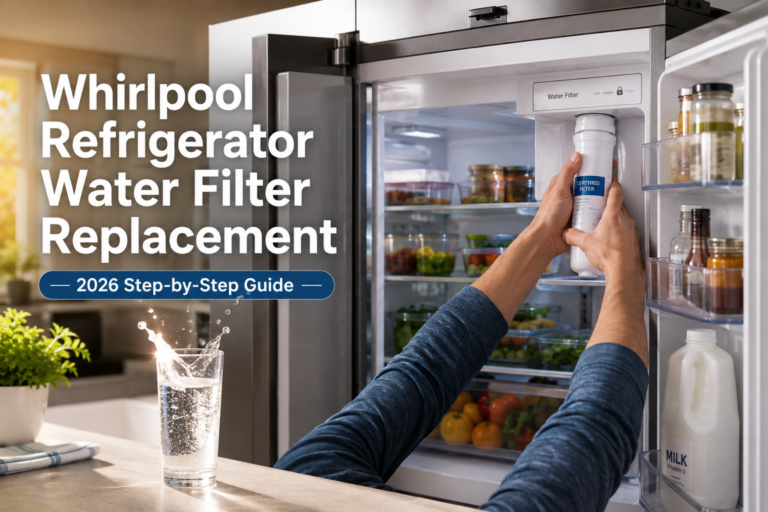
After you've identified and purchased the correct filter, it's time for installation. The exact process varies slightly depending on your Frigidaire model and the specific filter generation (like PureSource 1, 2, or 3), but the general steps are quite consistent. Most filters are located inside the refrigerator compartment, often behind a housing cover that pops open or twists off.
First, locate the old filter. You might need to gently twist it counter-clockwise to unlock it from its housing. Once removed, discard the old filter responsibly. Before inserting the new one, it's a good practice to run a bit of water from the dispenser to flush out any loose carbon fines from the system.
Then, align the new filter according to the markings or instructions on its body and push and twist it clockwise until it locks securely into place.

Common Mistakes When Installing and Replacing Your Filter
One of the most frequent mistakes people make is using the wrong filter. As we’ve discussed, this is why confirming your model number and filter part number is so critical. If the filter isn't the correct one, it might not seal properly, leading to leaks or a complete failure to filter water.
Another common error is forgetting to prime the new filter. After installation, you typically need to dispense several gallons of water through the filter to flush out any air pockets and loose carbon particles. Manufacturer instructions often recommend dispensing about 2-3 gallons or until the water runs clear. Skipping this step can result in cloudy water or a sputtering dispenser.
Lastly, not resetting the filter indicator light after replacement means you might miss the reminder for your next change.
How Often Should You Replace Your Frigidaire Water Filter?
The general consensus from manufacturers, including Frigidaire, is to replace your refrigerator water filter every six months. This interval is based on an average household's water consumption and the filter's capacity to effectively remove contaminants over time. Even if your water still tastes fine and flows well, the filter's activated carbon media can become saturated, reducing its ability to capture new impurities.
However, this six-month guideline is a benchmark, not a hard rule for every situation. Houses with higher water usage, or those in areas with particularly hard or sediment-heavy water, might find their filters need replacement sooner. Conversely, households with very low water usage may find the filter remains effective for a bit longer, though the carbon's adsorption capabilities still degrade over time, regardless of flow.
Your refrigerator's filter indicator light is designed to help you track this. When it illuminates or changes color, it’s a clear signal that the filter has reached a certain usage threshold and it’s time for a change. Ignoring these indicators means you risk compromising water quality and potentially increasing stress on your refrigerator's water system.
Getting the Best Taste and Performance from Your Filtered Water
Achieving the best taste and performance from your Frigidaire's filtered water system involves a few key practices beyond just changing the filter. After installing a new filter, remember to properly prime it. This involves running water through the dispenser for several minutes, often about 2-3 gallons or until the water runs clear. This step removes air from the system and flushes out any carbon dust that might be present in a new filter.
Pay attention to the water pressure from your dispenser. If it drops significantly after a few months or if the water seems cloudy or has an off-taste, these are indicators that the filter's media is exhausted. Also, ensure you are using a filter certified for your specific model's requirements and that you are aware of the contaminants it's designed to reduce, such as chlorine or lead.
Caring for Your Filtered Water System Long-Term
Long-term care for your Frigidaire's water filtration system really boils down to consistent maintenance and being aware of your water quality. Beyond the scheduled six-month filter replacement, it’s a good idea to periodically check the water line connections leading to your refrigerator. Ensure they are secure and free from any leaks or kinks, which can affect water flow and pressure.
If you live in an area prone to freezing temperatures, take precautions to prevent the water line from freezing, as this can damage the line and the filter housing. Also, familiarize yourself with what specific contaminants your chosen filter is certified to remove. This way, you ensure the filter is addressing any particular water quality concerns you might have in your home.
Why Is My Frigidaire Dispenser Flowing Slowly After Filter Change?
A slow water flow from your Frigidaire dispenser after installing a new filter is usually due to a couple of common issues, but it's often resolved with a bit of patience. The most frequent culprit is air trapped in the lines during installation. As mentioned, priming the filter by dispensing water for a few minutes helps push this air out and restore normal flow.
Another possibility is that the new filter hasn't fully seated into its housing. If it's not perfectly aligned or twisted completely into place, it can restrict water flow. Gently twist the filter a little further, or ensure it's fully pushed into the receptacle. If the problem persists after a full day or two of use, double-check that you have the correct filter model for your refrigerator, as an incorrect part could indeed cause flow issues.
What Contaminants Does My Frigidaire Refrigerator Water Filter Remove?
The specific contaminants your Frigidaire refrigerator water filter removes depend entirely on its NSF International certification. Most standard Frigidaire filters are certified under NSF/ANSI Standard 42, which means they are tested and verified to reduce substances that affect the aesthetic qualities of drinking water, such as chlorine, which is responsible for taste and odor. This certification ensures your water tastes and smells fresh.
For reduction of health-related contaminants, you'll need a filter certified under NSF/ANSI Standard 53. These filters go beyond aesthetic improvements and are proven to reduce specific harmful contaminants like lead, mercury, asbestos, cysts, and certain volatile organic compounds (VOCs). Always check the filter packaging or the manufacturer's specifications to confirm which NSF standards your filter meets, ensuring it addresses your specific water quality concerns.