Water Filter Faucet vs Pitcher: Which Is Better?


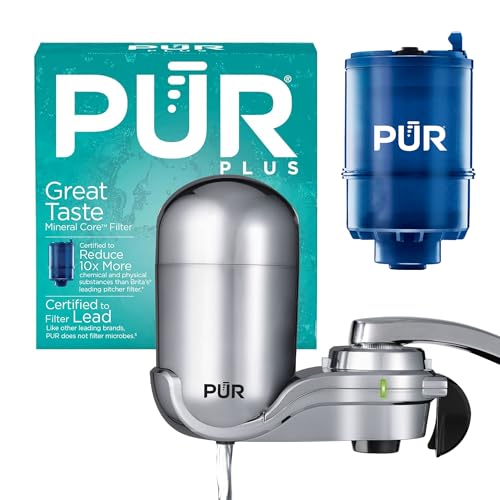
Is PUR Faucet Filter Good?
Yes, for most people who want filtered water right from the kitchen tap. In my water filter faucet vs pitcher test, the faucet model felt more natural for busy mornings. I could turn on the tap, fill a glass, and move on. There was no pitcher to refill or chill.
I also liked it when cooking. Filling a pot or bottle was simple because I did not have to wait for a pitcher reservoir to drain. That small time saving adds up. The main catch is fit. A faucet filter needs a compatible faucet, and the filter must be changed on schedule. If you rent, have a pull-out or specialty faucet, or want cold water ready in the fridge, a pitcher can make more sense.
What Makes It Stand Out / Key Features
- Direct tap accessFiltered water comes from the faucet, so there is no need to fill and store a separate container.
- Fast daily useIt suits quick tasks such as filling a glass, bottle, coffee maker, or cooking pot.
- Activated carbon filtrationThe filter uses carbon-based filtration to reduce certain taste and odor compounds and other contaminants listed for the specific filter.
- Filter change indicatorA built-in indicator helps remind users when the filter needs attention.
- Easy accessThe filter stays near the sink, which makes filtered water easy to reach throughout the day.
- Space savingIt does not take up refrigerator shelf space like a large water pitcher.
My Recommendation
Consider it if you drink lots of water, cook often, and want filtered water without waiting. It is especially handy for busy kitchens and people who dislike refilling pitchers.
| Best For | Why |
|---|---|
| Heavy water users | You can get filtered water straight from the tap. |
| Busy households | There is no pitcher to refill and store. |
| Small kitchens | It keeps refrigerator and counter space free. |
Is Brita Filter Pitcher Good?
Yes, if you want a simple filter with almost no setup. In my water filter faucet vs pitcher comparison, the pitcher felt like the easier starting point. I could fill it, let the water pass through the filter, and place it in the fridge. That made cold filtered water ready for later.
I found the pitcher especially useful when I wanted a cold glass after a long day. It also worked well in a rental where I did not want to change the faucet. The tradeoff was patience. A pitcher holds a limited amount of water, so heavy use means more refills. If everyone in the home drinks filtered water all day, that small task can become a daily chore.
What Makes It Stand Out / Key Features
- Simple setupThe pitcher needs no faucet installation, which makes it useful for renters and temporary homes.
- Fridge storageFiltered water can be chilled in the refrigerator and served cold.
- Carbon filtrationCompatible filters use carbon-based filtration to improve taste and reduce certain listed impurities.
- Portable designThe pitcher can be moved from the kitchen to a table, office, or other convenient spot.
- Low entry costA pitcher is usually a simple way to start filtering drinking water without installing a larger system.
- Filter replacement reminderMany Brita pitchers include a filter-life indicator or reminder system, depending on the model.
My Recommendation
Choose it if you want a low-effort option, need cold filtered water, or rent your home. It is also a good fit for light to moderate daily water use.
| Best For | Why |
|---|---|
| Renters | There is no faucet installation or permanent change. |
| Cold water fans | Filtered water can sit ready in the refrigerator. |
| Light to moderate use | A pitcher can supply enough water without taking up much space. |
water filter faucet vs pitcher: Side-by-Side Test
The water filter faucet vs pitcher debate gets easier when you look at daily tasks. Neither option wins every category. One feels like part of the sink. The other feels like a small appliance in the fridge.
I would focus on how you use water, not just the price on the box. A cheap filter that becomes a chore may not feel cheap after months of use.
Speed: Which One Wins?
When I need water fast, direct filtration has a clear practical benefit.
| Feature | Product 1 | Product 2 |
|---|---|---|
| Ready when needed | Yes | No, water must pass through first |
| Large container filling | Easy | Can require several fills |
| Morning use | Very convenient | Needs enough water stored |
⭐ Product A – 9/10 | Product B – 7/10
The faucet filter has the edge when speed matters.
Setup: Which Is Easier?
A pitcher keeps setup simple, while a faucet filter asks you to check faucet compatibility.
| Feature | Product 1 | Product 2 |
|---|---|---|
| Installation | Requires faucet attachment | No installation |
| Faucet compatibility | Important | Not needed |
| Moving homes | Requires removal | Easy to move |
⭐ Product A – 7/10 | Product B – 10/10
The pitcher has the edge for simple setup.
Daily Convenience: Which One Fits?
Convenience is where your routine matters most.
| Feature | Product 1 | Product 2 |
|---|---|---|
| Refilling | No separate reservoir | Required |
| Drinking water | On demand | Best when prefiltered |
| Cooking | Very convenient | May require multiple fills |
⭐ Product A – 9/10 | Product B – 7/10
The faucet filter has the edge for busy daily routines.
Cold Water: Which Is Better?
If you love cold water, a pitcher has one simple trick that the faucet cannot match.
| Feature | Product 1 | Product 2 |
|---|---|---|
| Fridge ready | Not by itself | Yes |
| Cold serving | Requires separate chilling | Easy |
| Stored supply | No | Yes |
⭐ Product A – 7/10 | Product B – 9/10
The pitcher has the edge for cold, ready-to-drink water.
Space: Which Saves Room?
Both save space in different ways, but the space they use is not the same.
| Feature | Product 1 | Product 2 |
|---|---|---|
| Counter footprint | Very small | Usually none when stored |
| Fridge space | Not required | Required for chilled water |
| Storage | Attached to faucet | Needs a storage spot |
⭐ Product A – 9/10 | Product B – 7/10
The faucet filter has the edge if refrigerator space is tight.
Cost: What Should You Expect?
The real cost includes the device, replacement filters, and how much water you use.
| Feature | Product 1 | Product 2 |
|---|---|---|
| Starting cost | Usually moderate | Usually low to moderate |
| Replacement filters | Ongoing cost | Ongoing cost |
| High-volume use | Convenient but may use filters faster | May require frequent refills and filters |
⭐ Product A – 8/10 | Product B – 8/10
Cost depends more on your water use and filter schedule than the device alone.
Maintenance: Which Takes Less Work?
Both need care, but the chores are different.
| Feature | Product 1 | Product 2 |
|---|---|---|
| Filter replacement | Required | Required |
| Container cleaning | Minimal | Pitcher should be cleaned |
| Daily refill | Not needed | Often needed |
⭐ Product A – 9/10 | Product B – 7/10
The faucet filter has the edge for less daily handling.
Final Verdict: Which Should You Buy?
The water filter faucet vs pitcher choice depends on your routine. Choose the faucet filter if you want fast access, use lots of filtered water, and want to avoid pitcher refills. Choose the pitcher if you rent, want simple setup, or prefer cold water ready in the fridge.
For my daily routine, the faucet filter is more convenient because filtered water is always there when I turn on the tap. Still, the pitcher remains a practical choice for smaller households and anyone who values low setup over speed.