How to Dispose of a Refrigerator Water Filter: Honest Revies 2026
When you’re looking to get rid of an old refrigerator water filter, it’s easy to wonder where it should go. Understanding how to properly dispose of a refrigerator water filter involves a few practical steps dependent on your local resources. These filters, often made with plastic casings and filtering materials like activated carbon, aren't always simple to toss in the regular recycling bin.
In our research, we found that standard disposal recommendations vary significantly from region to region. While some municipalities may offer specialized recycling, many treat these filters as regular household waste. As of 2026, there isn't a universal recycling standard for these components, so a personalized approach is key.
What's In Your Fridge Filter and How to Dispose of It
You've probably got one or more used refrigerator water filters sitting around, and the question of how to dispose of a refrigerator water filter is a common one. It’s great that you’re thinking about it! These filters often contain a blend of plastic housing and filtration media, such as activated carbon, and their disposal isn't always straightforward.
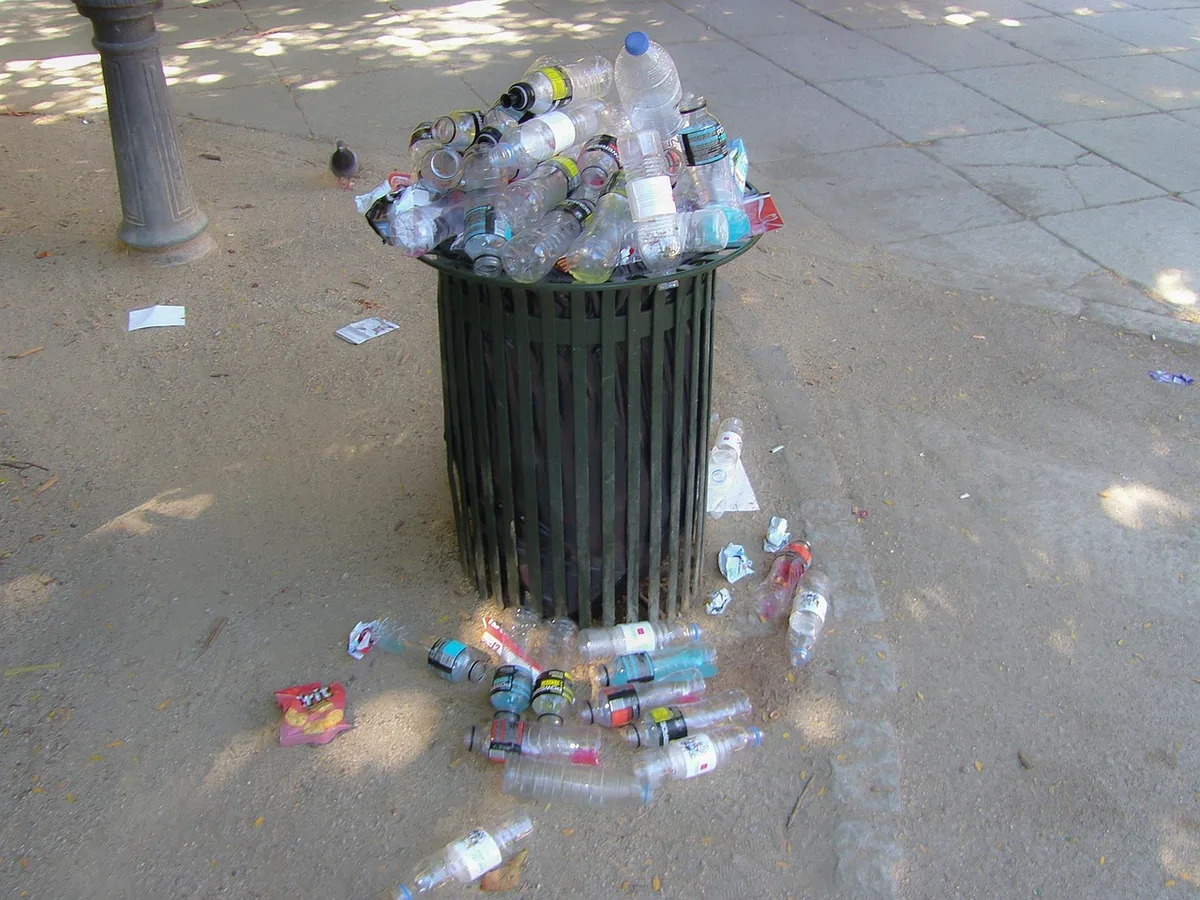
They represent a small but growing stream of household waste that benefits from a little extra thought. Unlike simple plastic bottles, these filters have a more complex construction, meaning they often can’t go into your standard curbside pickup. Figuring out the right way to handle them is more about local infrastructure and manufacturer guidance than a single, definitive rule.
Step 1: Check Your Filter's Manual for Clues
The first and most important thing you can do is consult the documentation that came with your refrigerator or the filter itself. Many manufacturers include specific instructions on how to prepare and dispose of their water filters. This is often your best bet for accurate, product-specific guidance.

These manuals or the filter’s original packaging might detail recommended disposal methods. Some brands even offer mail-back recycling programs for their used filters, though these might involve shipping costs. If you can’t find your physical manual, a quick search on the refrigerator or filter manufacturer’s official website will usually yield the information you need. Look for sections on maintenance, replacement parts, or product care.
Step 2: Decoding Your Local Recycling Options
Once you have any initial product-specific advice, the next critical step is to understand what your local waste management services accept. What’s recyclable or acceptable in one town might be trash in another. This phase is all about connecting the filter’s materials with your community’s disposal capabilities.
Your local waste management system is your primary authority on what you can and cannot put in your bins. Their guidelines are designed for the specific infrastructure and capabilities available in your area for processing different types of waste. Skipping this step can lead to materials ending up in landfills when they might have had a better disposal route.
What to Ask Your Waste Management Service
When you contact your local waste management service, be specific about what you’re asking. Many people assume all plastics are universally recyclable, but a refrigerator water filter is a composite product. It’s not just a plastic bottle; it includes layers of filtration media like activated carbon and often rubber seals.
Here’s what to ask:
- "Do you accept used refrigerator water filters in your curbside recycling program?"
- "Are there specific drop-off locations for small appliance parts or mixed-material household items?"
- "Does your municipality have any specialized programs for recycling water filters or appliance components?"
- "If not recyclable, is there a specific way these should be bagged or prepared for regular trash pickup?"
Having clear answers to these questions will greatly simplify the disposal process.
How to Use Your Municipality's Website
Most cities and counties provide comprehensive information about waste and recycling services on their official government websites. This is often the quickest way to get information without needing to make a phone call. Navigate to the section dedicated to waste management, recycling, or public works.
Look for:
- A searchable database or list of accepted recyclables.
- Information on hazardous waste or special collection days.
- Downloadable guides or PDFs detailing waste sorting guidelines.
- Contact information for the waste management department if you need further clarification.
The goal is to find official guidance that applies directly to your address.
Step 3: Making Your Disposal Decision
After gathering information from the filter manufacturer and your local waste management services, you're ready to make a decision. The best disposal method will depend entirely on the findings from your research. This workflow ensures you're not just guessing, but following a practical plan.
If you discover your local program accepts the filters, that’s the ideal scenario. If not, you’ll need to consider alternative options, which often means treating them as non-recyclable waste or exploring manufacturer-specific programs.
When Your Town Has Specific Recycling for Filters
If your research indicates that your municipality does accept refrigerator water filters through a specific recycling program, congratulations! This is the most environmentally friendly option. You'll need to follow their exact instructions to ensure the filters can actually be processed.
This typically involves:
- Ensuring the filter is drained: Most filters contain some residual water. Make sure it's as dry as possible.
- Removing any loose parts: If anything can be easily detached, check if those components should be separated or kept together.
- Placing it in the designated bin: This might be your regular recycling bin, or a separate bin for specific items if your town has one.
Always check the specific preparation steps outlined by your local waste management for optimal recycling outcomes.
What to Do When There's No Local Program
If your local waste management service does not have a specific recycling program for refrigerator water filters, and a manufacturer mail-back program isn’t feasible, your primary option left is often regular household trash. This outcome is less than ideal from an environmental standpoint, but it’s sometimes the only practical choice available.
In this situation, it's still a good idea to:
- Drain the filter thoroughly: Remove as much water as possible.
- Consider bagging it: Placing the filter in a small plastic bag before putting it in your trash can can help contain any lingering moisture or debris.
- Seal the trash bin: Ensure your regular trash bin is properly sealed to prevent anything from escaping.
While this isn't a recycling solution, being thorough in draining and sealing helps minimize any localized impact. We aim for recycling when possible, but sometimes, responsible disposal within existing municipal systems is the only realistic path.
Avoiding Common Filter Disposal Mistakes
When figuring out how to dispose of a refrigerator water filter, there are a few common pitfalls people fall into. The most frequent mistake is assuming all filters can go into regular household recycling without checking local guidelines first. This is a problem because these filters are often made of mixed materials that standard recycling facilities aren't equipped to handle.
Another error is simply tossing the filter in the trash without attempting to drain it. While not a critical safety issue, a full filter can add unnecessary weight and moisture to your trash, potentially leading to leaks. Always try to empty as much water as possible before disposal, regardless of the method.
Key mistakes to sidestep include:
- Assuming universal recycling: Don't assume your filter is recyclable everywhere. Always verify with local authorities.
- Not draining the filter: This can lead to excess water in trash bins or potential leaks.
- Ignoring manufacturer instructions: They often have the most specific guidance for their products.
- Overlooking mail-back programs: Some brands do offer responsible disposal options via mail.
- Mixing materials incorrectly: If you're attempting to separate parts, ensure you're following specific instructions for component disposal.
Who Needs to Think About Filter Disposal?
Anyone who owns a refrigerator with an in-line water filter or an ice maker that uses filtered water needs to consider this topic. This includes a vast number of households. Refrigerators from major brands equipped with these systems are commonplace in modern kitchens.
This isn't a niche concern limited to certain types of homes; if your fridge dispenses filtered water or makes ice from a filtered source, you'll eventually face this question. The frequency with which you need to dispose of a filter depends on the unit and how much water you use, but replacements typically range from every six months to a year.
Consider these user groups:
- Homeowners: Installing and maintaining appliances falls under their responsibility.
- Renters: Often responsible for appliance maintenance unless specified otherwise in the lease.
- Appliance Repair Technicians: Professionals who replace filters regularly should be aware of best practices.
- Environmentally Conscious Consumers: Individuals actively looking to reduce their waste stream and make sustainable choices.
Manufacturer Programs: A Potential Mail-Back Option
Beyond local recycling, some companies offer dedicated programs for their used refrigerator water filters. These programs are a growing trend as manufacturers become more aware of the lifecycle of their products. They can be an excellent alternative if your local services don't accept the filters or if you prefer a more formalized recycling route.
These mail-back programs typically involve sending a prepaid shipping label or providing instructions for shipping the used filter directly to a recycling facility contracted by the manufacturer. The filter materials, such as activated carbon and plastic, can then be processed for reuse or proper disposal. While this might involve a small cost for shipping, it ensures the filter is handled responsibly.
To find out if a program exists for your specific filter:
- Check the filter packaging: Look for any mention of recycling or return programs.
- Visit the manufacturer's official website: Search for "recycling," "sustainability," or "product disposal" in their support or FAQ sections.
- Contact customer service: If online information is scarce, reach out to the manufacturer directly.
These programs are becoming more common, especially with leading appliance and filter brands. Whirlpool is one such brand that offers resources for responsible product end-of-life.
Resources for Responsible Filter Disposal
Navigating the best way to dispose of a refrigerator water filter ultimately leads back to a few key sources of information. Relying on official guidance is crucial, as it’s tailored to specific regulations and capabilities. Remember that what's true for one household or region might not apply to another; therefore, checking these resources for your specific situation is paramount.
When you're seeking reliable advice, always prioritize information from official channels. This ensures you're not acting on outdated or generalized advice that could lead to improper disposal. Being informed is the first step toward making a responsible choice for how to dispose of your used refrigerator water filter.
Key resources to consult include:
- Appliance Manufacturer's Website: Their official site for product-specific instructions.
- Filter Manufacturer's Website: If you purchased a third-party filter, check their dedicated domain.
- Your Local Municipality's Waste Management Department: Search for "[Your City/County] Waste Management" or "Recycling Services."
- Official Government Environmental Agencies: For broader guidance on waste reduction.
These channels provide the most accurate and actionable information tailored to your needs and location.