How Much Does A Whole House Water Filter Cost: 2026 Pricing Guide
A whole house water filter typically costs between $300 and $3,500, depending on the system type, filtration capacity, and installation complexity.
If you've ever wondered whether the water coming out of every tap in your home is truly as clean as it should be, you're not alone. After helping dozens of homeowners upgrade their plumbing setups, I can tell you this: a whole house water filter is one of the smartest investments you can make for your family's health and your home's longevity. But before you buy, you need a clear picture of what you're actually paying for and why prices vary so much. Let's break it all down together.

What Is a Whole House Water Filter
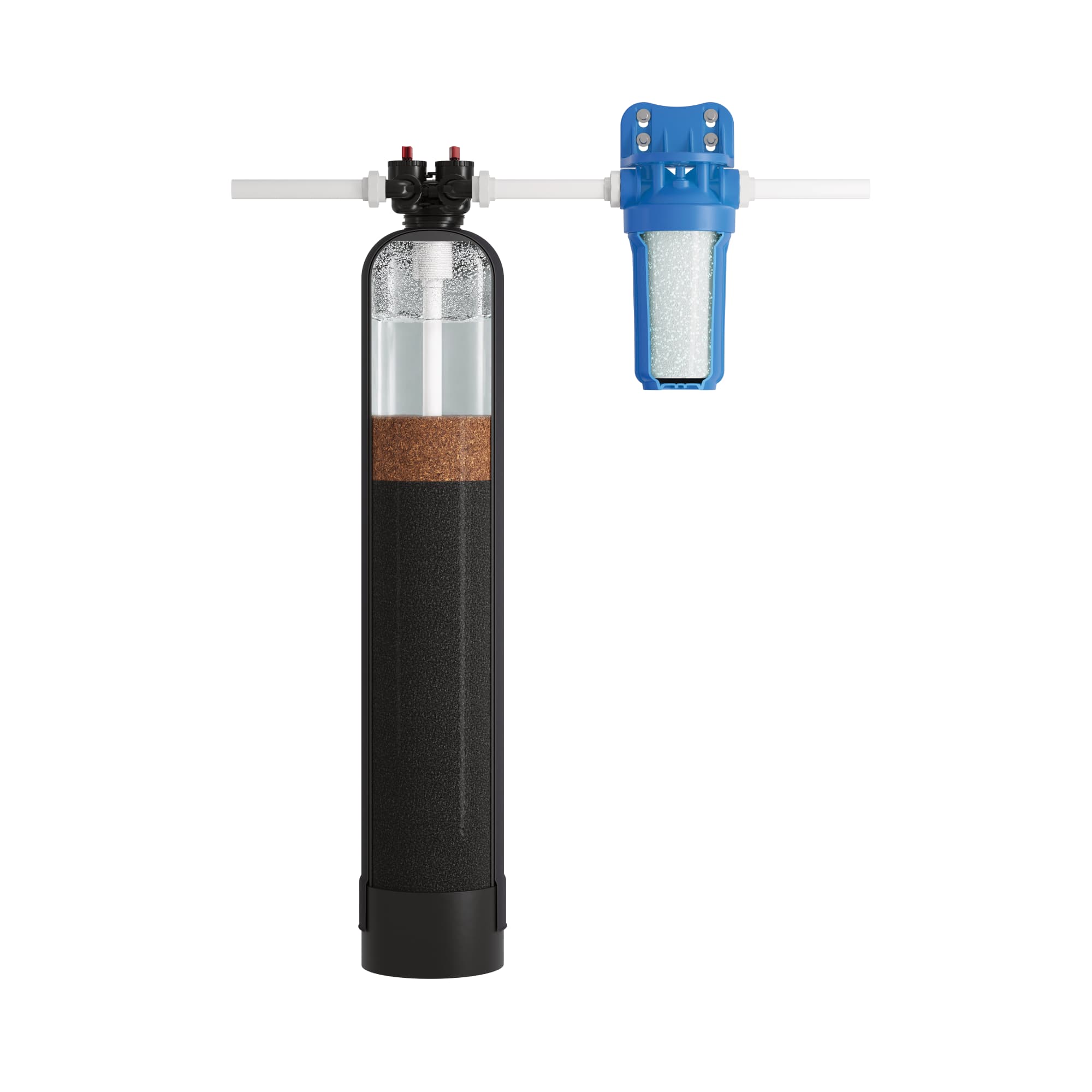
A whole house water filter is a point-of-entry filtration system that treats water at the moment it enters your home. Unlike a pitcher filter or an under-sink unit, this system cleans every drop of water before it reaches your faucets, showerheads, washing machine, and water heater.
Think of it as a security checkpoint for your entire plumbing system. Contaminants like sediment, chlorine, chloramines, heavy metals, and even some bacteria get trapped or neutralized before they can travel through your pipes.
I've installed these in homes with well water and city water, and the difference in everyday life is noticeable almost immediately. Softer skin after showers, better-tasting coffee, cleaner dishes, and longer-lasting appliances all start with cleaner water at the source.
Average Whole House Water Filter Cost Breakdown
The cost of a whole house water filter system isn't just one number. It includes the unit itself, installation, and sometimes extra plumbing work. Here's a realistic breakdown based on what homeowners typically pay.
- Basic sediment and carbon systems: $300 to $900
- Multi-stage systems with iron and sulfur removal: $900 to $2,000
- Advanced systems with UV sterilization or reverse osmosis: $2,000 to $3,500
- Professional installation labor: $200 to $1,000
- Annual filter replacements: $100 to $300 per year
When I helped a friend pick out a system last year, we landed on a mid-range unit for around $1,400 installed. Two years later, she still tells me it was one of the best home upgrades she ever made.
Factors That Affect the Price
Not every home needs the same kind of filtration, and that's exactly why prices swing so widely. Here are the biggest factors that influence what you'll pay.
Water Source
City water usually contains chlorine and sometimes trace amounts of contaminants, which a basic carbon filter can handle. Well water, on the other hand, often needs extra filtration for iron, sulfur, manganese, and bacteria, which raises the price.
Contaminant Levels
A simple water test can reveal what's actually in your water. If your test shows high levels of specific contaminants like lead or arsenic, you'll need a more advanced system, which costs more.
Flow Rate and Household Size
A larger family needs a system with a higher gallons-per-minute (GPM) rating. Higher flow capacity usually means a bigger, more expensive unit.
Filter Type and Stages
Single-stage filters are cheap but limited. Multi-stage systems with sediment pre-filters, carbon filters, and post-filters cost more but give you much cleaner water.
Installation Complexity
If your home has an accessible main water line and plenty of space, installation is quick and affordable. If the plumber needs to reroute pipes or work in a tight crawl space, labor costs climb.
Types of Whole House Water Filters and Their Costs
Each filter type targets different problems, and understanding the differences helps you avoid overpaying for features you don't need.
Sediment Filters
These are the simplest and cheapest option. They catch sand, dirt, and rust particles. Expect to pay between $50 and $300 for the unit alone.
Carbon Filters
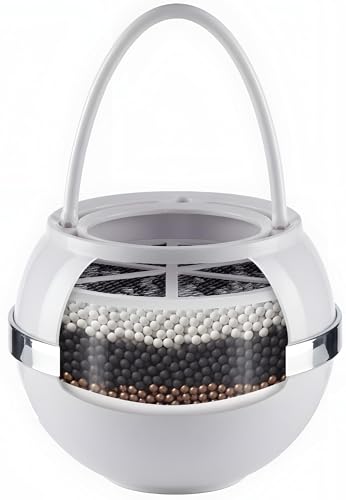
Activated carbon filters are fantastic at removing chlorine, bad odors, and some organic compounds. Most mid-range whole house setups use carbon as a core stage. Prices range from $200 to $1,200.
Iron and Sulfur Filters
If you have well water with a metallic smell or reddish staining, you need an iron filter. These oxidize iron and sulfur and trap them. Expect to pay $500 to $2,000.
Reverse Osmosis Systems
A whole house reverse osmosis system is rare because it produces a lot of wastewater and requires large storage tanks. Prices start around $1,500 and can exceed $4,000.
UV Sterilization Systems
UV filters don't remove contaminants but kill bacteria and viruses with light. They're often added as a final stage. Costs range from $300 to $1,000 for the unit.
Water Softeners
Technically not filters, but often installed alongside them. Water softeners remove calcium and magnesium to prevent scale buildup. Prices run from $500 to $2,500.
Installation Costs You Shouldn't Overlook
Even the best filter won't work well if it's installed poorly. Professional installation usually costs $200 to $1,000, but here are the details.
- Simple install on accessible main line: $200 to $400
- Install in tight spaces or crawlspaces: $400 to $700
- Install requiring new plumbing or electrical for UV: $700 to $1,000
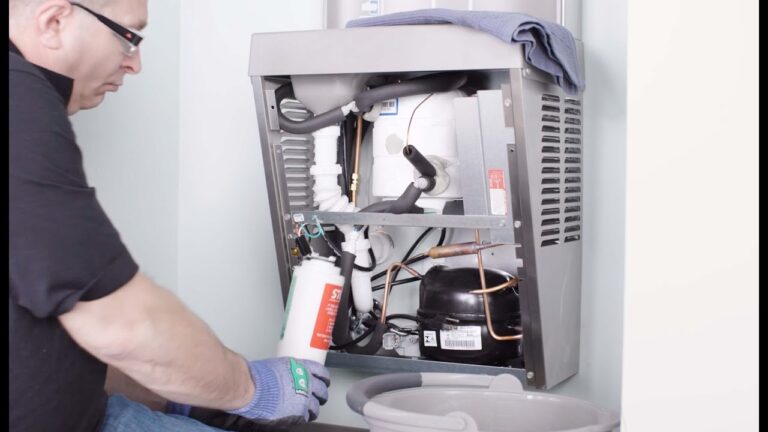
If you're handy with plumbing and your local codes allow it, you might save money with a DIY install. But in my experience, a licensed plumber ensures everything is up to code and properly sealed. One small leak can cause thousands in water damage, so this isn't the place to cut corners.
Ongoing Maintenance and Replacement Costs
Buying the system is just step one. Filters wear out and need replacing on a regular schedule.
- Sediment pre-filters: every 3 to 6 months, $20 to $50
- Carbon filters: every 6 to 12 months, $50 to $150
- Iron and sulfur media: every 5 to 10 years, $300 to $800
- UV bulbs: every 12 months, $60 to $120
- Reverse osmosis membranes: every 2 to 4 years, $200 to $500
Budget around $100 to $300 per year for basic maintenance. Some systems cost more to maintain, but most homeowners find the trade-off worth it for consistently clean water.
Whole House Water Filter vs. Other Filtration Options
You might be wondering whether you really need a whole house system or if a simpler option will do.
- Pitcher filters: cheap but slow and only treat drinking water
- Faucet-mounted filters: convenient but limited capacity
- Under-sink filters: great for drinking water but miss showers and appliances
- Whole house filters: treat every drop of water that enters your home
If your main concern is drinking water, an under-sink system might be enough. But if you want softer skin, cleaner laundry, longer-lasting water heaters, and safer shower water, a whole house filter is the way to go.
Is a Whole House Water Filter Worth the Investment
In my professional opinion, yes, especially if you have well water or live in an older home with aging pipes. The benefits add up quickly.
- Healthier skin and hair from chlorine-free shower water
- Better-tasting drinking water from every tap
- Longer appliance life because there's less scale and sediment
- Cleaner laundry and dishes with no mineral spots
- Peace of mind knowing your family isn't exposed to harmful contaminants
The upfront cost might feel steep, but when you spread it out over 10 to 15 years of use, most homeowners spend less than $1 per day on better water for their entire household.
How to Choose the Right System for Your Home
Picking a system isn't about buying the most expensive one. It's about matching your water quality with the right filtration.
- Get a water quality test first to know exactly what you're dealing with
- Match the filter type to your main contaminants
- Choose a flow rate that handles your household's peak water use
- Check for certifications from NSF or WQA for verified performance
- Read reviews and pick a brand with a strong warranty
When I helped my neighbor choose hers, we started with a free water test from her local utility. That single step saved her hundreds of dollars by helping us skip filters she didn't need.
Common Mistakes to Avoid
I see homeowners make the same handful of mistakes year after year. Here are the ones to watch out for.
- Buying the wrong filter for the wrong problem
- Skipping the water test and guessing
- Undersizing the system for household demand
- Trying to DIY a complex install and creating leaks
- Forgetting about annual maintenance costs
Avoid these, and your system will work well for years to come.
Frequently Asked Questions of How Much Does a Whole House Water Filter Cost
How long does a whole house water filter last?
Most systems last 10 to 15 years with proper maintenance. Individual filters inside the system need replacing more often, usually every 6 to 12 months for carbon and sediment filters.
Can I install a whole house water filter myself?
If you have solid plumbing experience, you can install a basic system yourself. However, complex systems with UV lights or multiple stages often require a licensed plumber to ensure proper setup and code compliance.
Do whole house water filters remove bacteria?
Standard carbon filters do not remove all bacteria. If bacteria is a concern, add a UV sterilization stage or choose a system designed for microbiological contaminants.
How often do filters need changing?
Sediment and carbon filters typically need replacement every 6 to 12 months. Specialty media like iron filters and reverse osmosis membranes last longer but still require periodic replacement.
Is a whole house filter better than a reverse osmosis system?
It depends on your needs. Reverse osmosis is excellent for drinking water but wasteful for whole-house use. A multi-stage whole house filter is better for general water treatment across your entire home.
Conclusion
A whole house water filter is more than just a home upgrade. It's a long-term investment in your family's health, your home's plumbing, and your daily comfort. Prices range from $300 for basic systems to $3,500 for advanced multi-stage setups, with installation adding another $200 to $1,000. The exact cost depends on your water source, contamination levels, household size, and the system type you choose.
Start by testing your water, then match your filter to your real needs rather than chasing the most expensive option. With the right system and a little routine maintenance, you'll enjoy cleaner, safer water from every tap for years to come. Have questions about your specific setup or want help comparing models? Drop a comment below and I'll help you find the perfect fit for your home.