How to Make City Water Better With Out Filter System in 2026
So, you're wondering how to make city water better without a filter system. It’s a common question, and thankfully, you don’t always need fancy equipment to get a cleaner, fresher taste right from your tap. Many municipal water supplies are perfectly safe but can have lingering flavors or odors that aren't exactly appealing for drinking.
Our research indicates that for many common taste and odor issues, simple adjustments and letting the water sit can resolve the problem. For example, as of 2026, the EPA sets guidelines for acceptable levels of chlorine, typically between 0.2 and 2.0 parts per million, which can still impact palatability for some individuals. Let's explore some straightforward methods to improve your water.
What's Up With Your City Water?
If your tap water tastes or smells a bit off, you’re not alone. It's usually one of a few culprits, and they often have easy fixes. The most frequent offender is chlorine, which water treatment facilities use to kill harmful bacteria and viruses. While essential for public health, it can leave a distinct chemical smell and taste that some people find unpleasant.
Other possibilities include:
- Minerals: High mineral content, like calcium and magnesium, can sometimes impart a slightly metallic or "hard" taste.
- Older Pipes: In some areas, particularly with older homes, water may pick up trace amounts of metals or sediment as it travels through the plumbing from the main line to your faucet.
- Algae Blooms: Less common, but in warmer months, natural algae blooms in reservoirs can sometimes cause an "earthy" or "musty" odor.
Understanding what's causing the issue is the first step in finding the right, filter-free solution.
Quick Fixes for Bad Tasting or Smelling Tap Water
When your tap water isn't quite hitting the spot, and you're trying to avoid installing a whole new system, a few simple tricks can go a long way. These methods focus on naturally altering or dissipating the elements that affect taste and smell without any complex setup.
Think of these as nature's way of clarifying things. They’re easy to implement, cost next to nothing, and can make a noticeable difference. We’ll cover the most common issues and how to tackle them one by one.
The Chlorine Countdown: Simple Ways to Degas Your Water
Chlorine is fantastic for making sure your water is safe to drink on its journey from the treatment plant to your home. However, that same disinfectant can leave a strong, unappetizing smell and taste. The good news is that chlorine is a volatile compound, meaning it naturally breaks down and escapes into the air when exposed.
Letting it Sit: The Patient Approach
This is hands-down one of the easiest and most effective ways to reduce chlorine. When you fill a pitcher or container with tap water and leave it out, the chlorine gas in the water slowly escapes into the surrounding air. It’s a passive process.
- How it works: Chlorine molecules are less tightly bound in the water and will naturally migrate to the air if there’s an opportunity.
- How long: For best results, let water sit for at least 24 hours. You might notice the smell dissipating much sooner, but a full day usually does the trick.
- What to use: Any clean, wide-mouthed pitcher or container works well. A loose-fitting lid or cover is fine, but don’t seal it tightly, as you want the gas to have a way out.
Give it a Swirl: Speeding Up the Escape
If waiting 24 hours isn't ideal, you can significantly speed up the process by increasing the water’s exposure to air. This is a form of aeration.
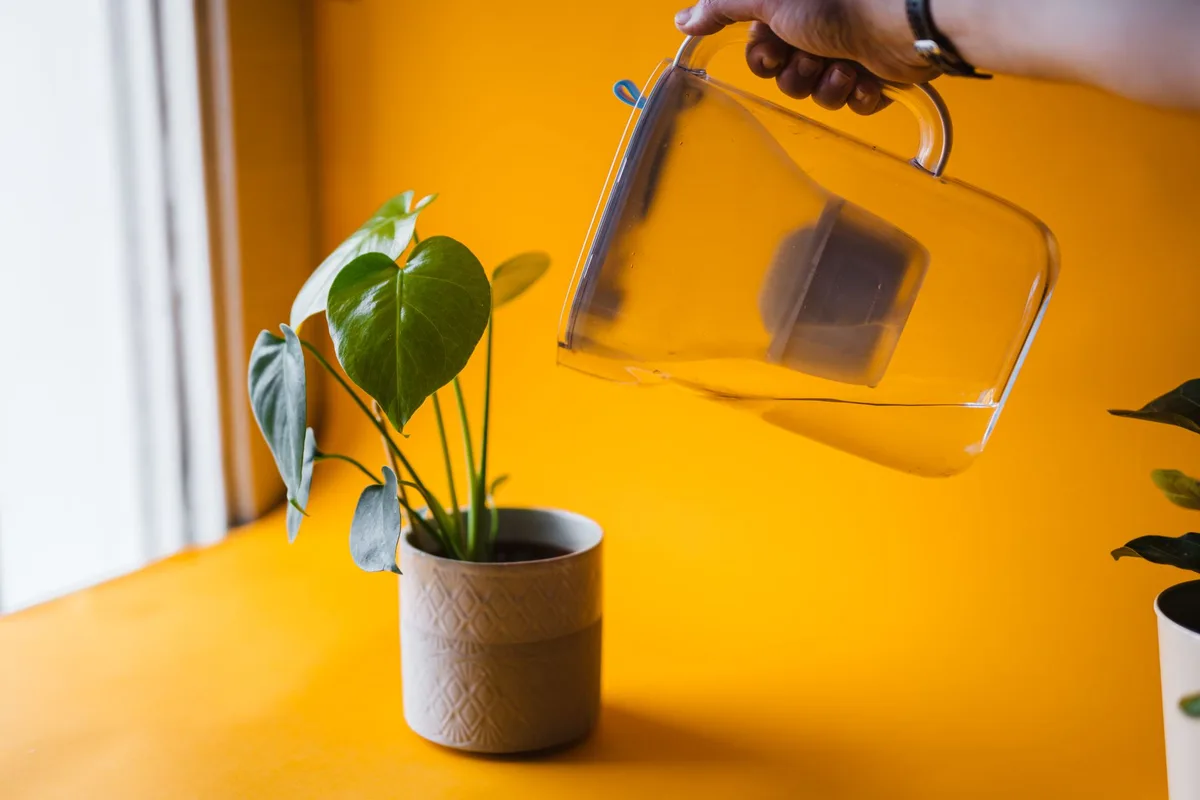
- The technique: Pour the water from one clean container to another several times. Each pour introduces more surface area and allows more chlorine to escape.
- How many pours? Aim for at least five to ten vigorous pours. You'll notice less of a smell with each transfer.
- Think: Imagine shaking a soda bottle to get the fizz out faster. It’s a similar principle for letting gases escape from water.
Temperature Matters: Why Cold Water Holds Smells
It might seem counterintuitive, but cold water can actually hold onto smells and tastes more tenaciously than warm or room-temperature water. This is because the solubility of gases like chlorine decreases as temperature rises.
- The science: Warmer water allows dissolved gases to escape more readily.
- Practical application: If you notice a strong chlorine smell or taste, letting the water come to room temperature for a bit, or gently warming it, can help it degas faster before you even start pouring it back and forth. Then, you can chill it to your preferred drinking temperature.
Beyond Chlorine: Tackling Other Off-Notes and Tastes
While chlorine is the most common culprit for unpleasant tap water taste and odor, it’s not the only one. Sometimes you might encounter a slightly metallic tang, an earthy note, or water that just tastes generally "flat." Fortunately, there are simple, non-filtration-based methods to address these too.
These techniques often involve adjusting the water's chemistry slightly or using natural elements to mask or neutralize unwanted flavors, much like you might add a pinch of salt to enhance sweetness in cooking.
Baking Soda for Balance
For water that has a slightly acidic or metallic taste, a small amount of baking soda can be a surprisingly effective, budget-friendly solution. Baking soda, or sodium bicarbonate, is alkaline and can help to neutralize acids, thus balancing the pH of the water.
- The method: Add about a quarter teaspoon of baking soda to one quart (about a liter) of water. Stir it well until it dissolves completely.
- Why it helps: This small addition can buffer the water, reducing that sharp metallic edge and making it taste smoother. It's also completely safe for consumption in these small quantities.
- Give it time: Let the water stand for a few minutes after mixing to allow the baking soda to fully interact with the water’s components.

Lemon's Refreshing Touch
Sometimes, the best defense is a good addition. If your water has a lingering taste or odor that just won't quit, or if you simply want to add a bit of zest, a squeeze of fresh lemon or lime is a tried-and-true method.
- Flavor masking: The bright, fresh flavor of citrus can effectively mask minor off-tastes and odors, making the water more palatable.
- Natural infusion: This is a simple, natural way to "infuse" your water with flavor without adding sugars or artificial ingredients.
- Added bonus: You get a dose of vitamin C!
Seeing is Believing: What to Do About Cloudy Water or Sediment
If your water looks cloudy or you spot small particles floating around, it can be a bit unsettling. However, not all cloudiness or sediment means your water is unsafe. Often, it's just a sign of mineral content or temporary issues that can be observed and, in many cases, managed without advanced filtration.
We'll look at how to tell if it's something to worry about and what simple observations can tell you.
Let it Settle: Is It Just Minerals?
Cloudy water that clears up when left to stand is frequently due to dissolved minerals, most commonly calcium and magnesium. These minerals can form tiny bubbles or remain suspended, giving the water a milky appearance. This is often referred to as "white water" or "cloudy water" due to dissolved gases, which is harmless and disappears over time as the gases dissipate.
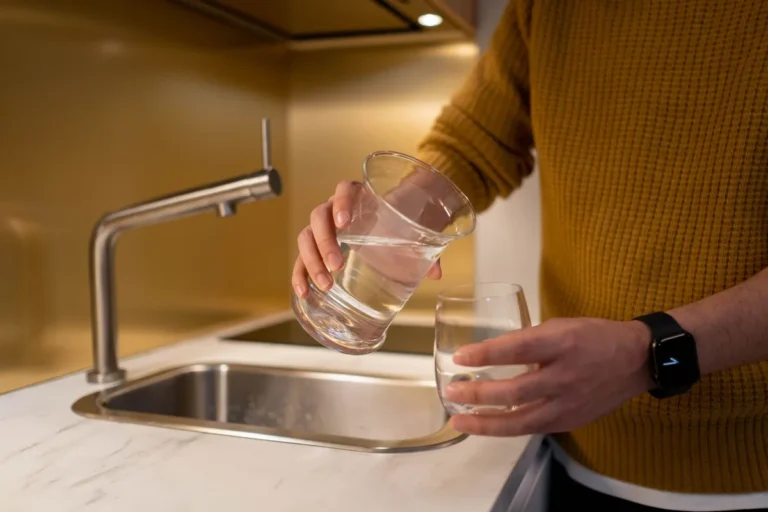
- The observation: Fill a clear glass with the cloudy water. If the cloudiness slowly rises and disappears from the bottom up over a minute or two, it’s likely just dissolved air.
- Mineral sediment: If particles settle to the bottom of the glass after several minutes, it could be mineral sediment. This is generally harmless but can affect taste and appearance.
- Temperature effect: Water can appear cloudier when it’s very cold, especially when freshly drawn from a tap. This is often due to tiny air bubbles causing the cloudiness.
Faucet Health: Cleaning Your Aerators
Sometimes, the issue isn't with the municipal water supply itself but with what's happening right at your faucet. The aerator, that small screen piece at the tip of your faucet, can accumulate debris over time. This can range from tiny bits of rust and minerals to small particles that can make your water appear cloudy or even introduce unwanted tastes.
- How to clean: Unscrew the aerator from the end of your faucet. You might need pliers with a cloth to protect the finish, but often they come off by hand.
- Inspection and rinse: Once removed, hold it over a sink and run water through it. You’ll often see particles wash out. If it looks very dirty, you can soak it in a mixture of white vinegar and water for an hour or two to break down mineral buildup, then rinse thoroughly.
- Reassembly: Screw the clean aerator back onto the faucet.
When to Hold Back and Call in the Pros
While there are many simple, non-filter fixes for common tap water complaints, it's crucial to know when to pause and seek expert advice. Some water issues, if left unaddressed, can pose health risks or indicate deeper problems within your plumbing or the municipal supply.
Being able to distinguish between an aesthetic annoyance and a genuine safety concern is key to protecting yourself and your household.
Red Flags for Serious Water Issues
Certain signs in your water mean you should move beyond simple home remedies and investigate further, possibly involving professional testing or consulting your local water authority.
- Persistent, strong odors: If you’re regularly experiencing odors like rotten eggs (sulfur), a strong chemical smell that doesn't fade after degassing, or any other distinctly foul or unnatural smell, it’s a sign to look deeper.
- Visible discoloration: If your water is consistently brown, yellow, red, or has visible slime or oily sheens, it's not ideal. While sometimes related to iron or manganese (which can stain but are often safe in low levels), it can also indicate issues with pipes or infrastructure.
- Unusual tastes: Beyond chlorine or slight mineral notes, if your water has a consistently bitter, soapy, or unidentifiable bad taste that doesn’t improve with degassing or sitting, it warrants more attention.
- Foreign objects: Seeing actual debris, rust flakes, or anything solid floating in the water that doesn't settle quickly or rinse away is a clear indicator of a problem.
When to Get Your Water Tested
If you observe any of the red flags above, or if you have specific concerns about your local water quality (e.g., known issues with lead pipes in your area, proximity to industrial sites), getting your water tested by a certified laboratory is the most reliable way to understand what’s in it.
This is especially important if you have young children, are pregnant, or have individuals with compromised immune systems in your household, as they can be more sensitive to contaminants. Many areas have local health departments that can guide you on how to get your water tested or provide reports on municipal water quality.
Decision Guide: Is a Filter System Really Necessary?
When it comes down to it, deciding whether you truly need a filter system for your city water often depends on your specific concerns and tolerances. Many people find that the simple, non-filter methods discussed here are more than enough to make their tap water enjoyable. However, for certain issues, filtration might offer a more robust or convenient solution.
This guide helps you weigh your options based on common water problems and desired outcomes. We’ll look at when the easy fixes are sufficient and when you might consider investing in a filtration system.
Filtered vs. Non-Filtered: What's the Difference?
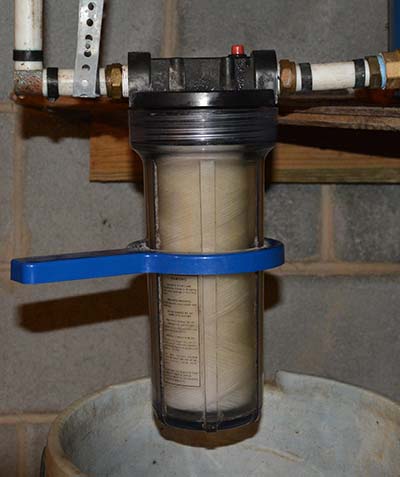
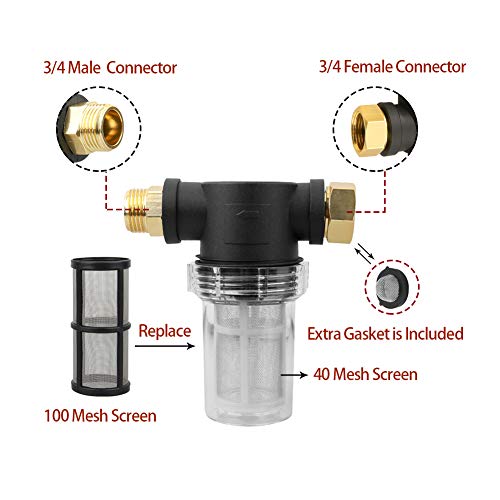
The core distinction lies in how the water quality is improved. Non-filter methods typically rely on physical processes like evaporation, aeration, or chemical neutralization to reduce taste and odor compounds. Filtration systems, on the other hand, use physical barriers (like membranes or activated carbon) or chemical processes (like ion exchange) to physically remove impurities from the water.
Non-Filter Methods:
- Mechanism: Degassing, aeration, pH adjustment, masking.
- Effectiveness: Best for volatile compounds (like chlorine), minor pH imbalances, or masking certain tastes.
- Cost: Very low to negligible.
- Maintenance: Minimal, mostly cleaning containers.
Filtration Systems:
- Mechanism: Physical removal of particles, adsorption of chemicals, ion exchange.
- Effectiveness: Can remove a wider range of contaminants, including sediment, heavy metals, dissolved solids, and specific chemicals, depending on the filter type.
- Cost: Higher initial cost, ongoing filter replacement costs.
- Maintenance: Regular filter changes are critical for performance and to prevent bacterial growth.
It's important to note that the effectiveness of any filtration system is highly dependent on the specific filter media used and its ability to target the exact contaminants present in your water.
When Non-Filter Fixes Are Likely Enough
If your primary issues are a noticeable chlorine smell or taste, or if your water just tastes a bit "flat," the methods we've covered are usually your best bet. Letting water sit for 24 hours is an incredibly effective way to reduce chlorine to a point where it's undetectable for most people.
- Chlorine Dominance: If you primarily detect chlorine, degassing is the solution.
- Minor Taste Quirks: If the water tastes slightly metallic or is just not inspiring, a pinch of baking soda or a squeeze of lemon can often resolve it.
- Appearance Issues: Minor cloudiness or sediment that settles out is typically not a health concern and can often be managed by letting the water stand or cleaning faucet aerators.
These approaches are convenient, inexpensive, and require no technical skill. For a large portion of households, this is where the water improvement journey ends satisfactorily.
When You Might Need a Filter System
A filter system becomes a more compelling option when your concerns go beyond simple taste and odor, or when the non-filter methods aren't quite cutting it. If you've tried degassing and other tricks, and the water still tastes unpleasantly, or if you're worried about specific contaminants, this is where filtration shines.
- Persistent Contaminants: Concerns about lead, pesticides, herbicides, or high levels of dissolved solids (TDS) that don't dissipate naturally.
- Very Hard Water: If you have extremely hard water causing significant scale buildup on appliances and fixtures, advanced filtration might be more effective than simple pH balancing.
- Specific Health Worries: If water testing reveals levels of contaminants that pose health risks, a filter designed to remove those specific substances is often recommended.
- Convenience: For consistent, immediate improvement without the daily ritual of degassing or mixing, a fitted filter system offers a hands-off approach.
The United States Environmental Protection Agency (EPA) provides guidance on drinking water standards, and if your local water report indicates levels approaching or exceeding these standards for certain contaminants, filtration becomes a more critical consideration.
Alternatives to Whole-House Systems
It's worth remembering that "filter system" doesn't always mean a complex whole-house installation. There are more manageable options if you're not ready for a major plumbing project.
- Pitcher Filters: These are portable and sit on your countertop or in your fridge. They often use activated carbon to reduce chlorine and some other impurities. They require regular filter changes.
- Faucet Filters: These attach directly to your faucet and provide filtered water on demand. They are relatively easy to install but also require periodic filter replacements.
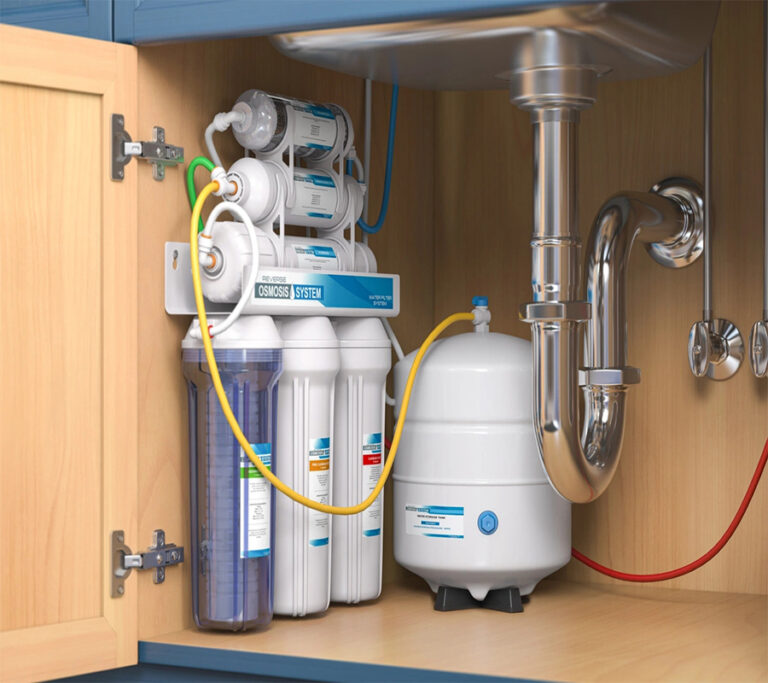
- Under-Sink Filters: Installed beneath your kitchen sink, these systems typically offer more advanced filtration than pitchers or faucet attachments, often with a dedicated faucet for drinking water. They require more involved installation but offer greater volume and potentially better filtration.
Each of these provides a level of filtration that goes beyond simple degassing or chemical adjustments, targeting specific impurities.
Making the Final Choice
Ultimately, the decision hinges on what you're trying to achieve. If you're primarily bothered by chlorine smell and taste, start with the simple, zero-cost methods. If those work for you, you've successfully improved your water without buying anything extra. If you have more significant concerns, or if the simpler methods don't yield the results you need, then exploring filter options, from pitchers to under-sink units, is a logical next step.
Always refer to your local water quality reports and consider professional testing for any serious concerns.