How to Filter Out Fluoride From Tap Water 2026: Expert Picks
So you've been wondering how to filter out fluoride from your tap water? It's a great question, especially as more people look to take control of what's in their drinking supply. Many common water filters do a good job with things like chlorine or sediment, but fluoride requires a more specialized approach.
Our research shows that specific filtration technologies are needed to effectively reduce fluoride levels. For instance, manufacturer specifications for certified reverse osmosis systems often cite removal rates exceeding 90% for fluoride, meeting stringent NSF/ANSI standards. Figuring out the best method involves understanding these technologies and matching them to your needs.
How Different Filters Tackle Fluoride: The Science Bit
When it comes to filtering out fluoride from your tap water, it's not a one-size-fits-all situation. Different filtration methods target contaminants in unique ways, and their effectiveness against fluoride varies significantly. Understanding these mechanisms is key to making an informed choice.
Reverse Osmosis: The Serious Cleaner
For many, a Reverse Osmosis (RO) system stands out as a highly effective solution for removing fluoride. These systems work by pushing water under pressure through a semi-permeable membrane. This membrane acts like an incredibly fine sieve, blocking larger molecules, including fluoride ions, while allowing water molecules to pass through.
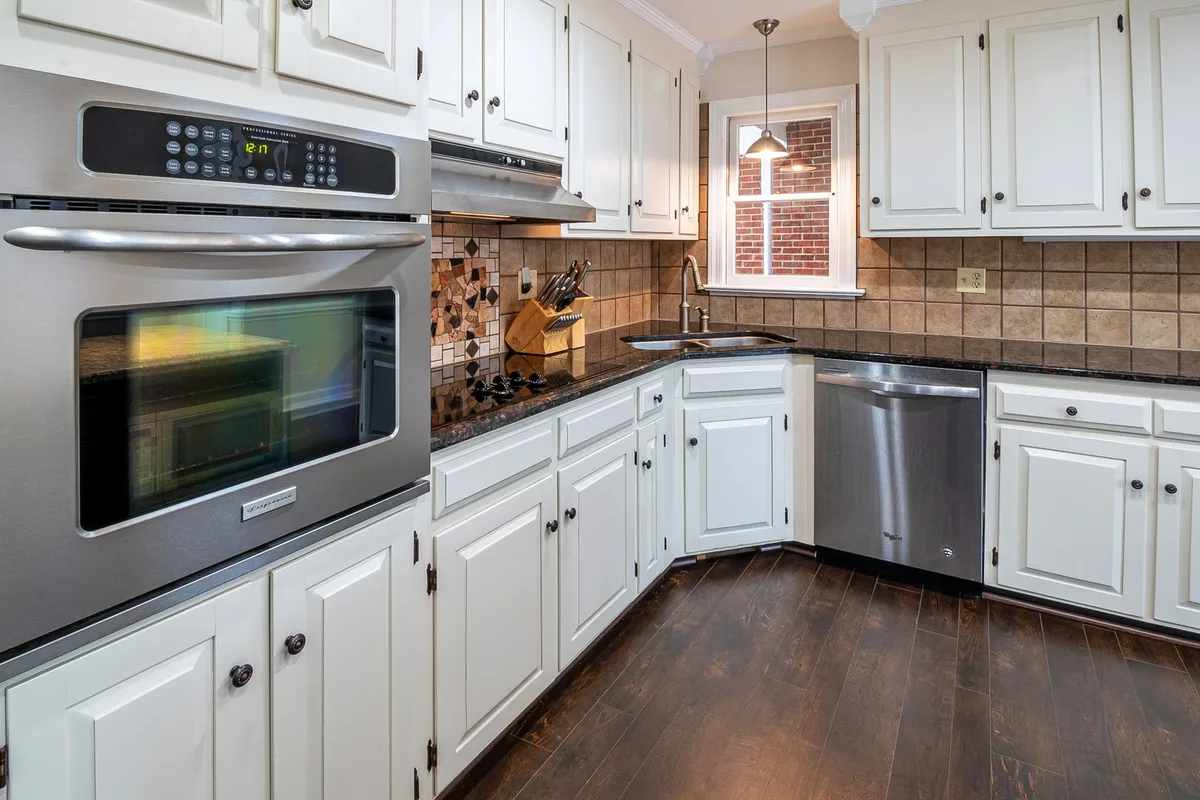
This process is robust, and aggregate reviews from users and technical data confirm that RO systems can reduce fluoride levels by 90% or more. They also remove a broad spectrum of other contaminants like heavy metals, dissolved solids, and certain microorganisms, offering comprehensive purification. While very effective, RO systems typically involve multiple stages, with the RO membrane itself being the primary component for fluoride reduction.
Activated Alumina: The Targeted Approach
Activated alumina is a more specialized filter media specifically known for its ability to adsorb fluoride. Adsorption is a surface phenomenon where molecules adhere to the surface of the filter material. Activated alumina has a high surface area, making it very efficient at "catching" fluoride ions from water.

You'll often find activated alumina used as a specific filter cartridge within a larger multi-stage filtration system, or sometimes as a standalone filter unit. Its primary advantage is its targeted effectiveness against fluoride. However, the efficiency of activated alumina can be influenced by the water's pH level, and like all filters, it has a finite capacity and requires regular replacement to maintain its performance.
Distillation: The Purest Path
Distillation is an age-old purification method that involves boiling water and collecting the steam. As water turns into steam, it leaves behind virtually all dissolved solids, minerals, and contaminants, including fluoride, which have higher boiling points. The steam is then cooled, condensing back into pure water.
This method is exceptionally effective for producing very clean water. Manufacturers of distillation units often highlight their ability to remove a wide range of impurities, making them a strong option if your primary goal is maximum purification. However, distillation is a slower process than other methods, requires electricity to heat the water, and, like RO, it removes beneficial minerals from the water.
What Other Filters Don't Do Well for Fluoride
You've probably seen water filter pitchers or faucet attachments all over the place. While these are fantastic for improving the taste of your water by removing chlorine or sediment, they generally fall short when it comes to tackling fluoride. Most rely on activated carbon, which is brilliant for adsorbing organic compounds and chlorine, but its pore structure isn't small enough or chemically suited to effectively bind with fluoride ions.
Think of it like this: activated carbon is great for catching larger debris, but fluoride particles are like tiny pebbles that can easily slip through. For significant fluoride reduction, you need a filter with a much finer membrane or a specific chemical affinity for fluoride, like those found in reverse osmosis or activated alumina systems.
Your Fluoride Filtration Decision Tree: Choosing Your System
Picking the right way to filter fluoride from your tap water depends on what matters most to you. It's not just about what can work, but what will work best for your situation. We can break this down by looking at a few key questions you might be asking yourself.
- What's your budget and how much water do you need filtered? If your budget is tight and you only need a pitcher or a few gallons a day, a full under-sink RO system might be overkill. For higher volumes or whole-home solutions, the initial investment in RO or a multi-stage system usually makes more sense in the long run due to efficiency.
- What's your main goal: maximum purity or targeted fluoride removal? If you're aiming for the cleanest possible water, removing fluoride, heavy metals, and a wide array of other things, RO or distillation are top contenders. If your focus is specifically on fluoride, an activated alumina cartridge might be sufficient and more cost-effective.
- How much effort are you willing to put into maintenance? ALL filtration systems require upkeep, but the frequency and type of maintenance differ. RO systems need regular filter and membrane replacements, and distillation units need periodic descaling. Activated alumina cartridges also have a lifespan that needs to be monitored.
Practical Steps: Setting Up Your Filtration
Getting your chosen fluoride filter system up and running is the next crucial step. The process varies depending on the type of system you've selected. For under-sink reverse osmosis units, this often involves connecting to your cold water line, installing a separate faucet for the filtered water, and mounting the storage tank. Manufacturer specifications usually provide detailed installation guides.
Activated alumina cartridges are typically simpler, often fitting into existing pitcher filters, faucet attachments, or multi-stage whole-house systems. Replacing an old cartridge with a new one is usually straightforward, though you'll want to check compatibility with your specific system. Distillation units are generally plug-and-play, requiring only a power source and a water supply, and then a collection vessel for the purified water.
Essential Maintenance for Your Filter System
To ensure your system continues to effectively filter out fluoride and other contaminants, regular maintenance is non-negotiable. Neglecting this can lead to reduced performance, potential health risks, and ultimately, a system that isn't doing its job. Manufacturer documentation for RO systems, for example, commonly recommends replacing sediment and carbon pre-filters every 6-12 months, and the RO membrane itself typically lasts 2-5 years, depending on water quality and usage.
Activated alumina filters have a defined lifespan based on the volume of water treated or a set timeframe (often 6-12 months). Once they reach capacity, their ability to adsorb fluoride diminishes significantly. Distillation units, while perhaps seeming low maintenance, do require regular cleaning to remove mineral buildup that can affect efficiency and hygiene.
How long do filter cartridges typically last?
The lifespan of filter cartridges varies widely. Standard activated carbon filters might last anywhere from 2 to 6 months, depending on water usage and quality. For fluoride-specific filtration like activated alumina, manufacturer specifications often indicate a service life based on gallons filtered, which can range from a few hundred to a few thousand gallons, or a calendar period such as 6 or 12 months. RO membranes are usually rated for 2-5 years.
How to Know If It's Working: Testing Your Water
The ultimate proof that your filtration system is effectively removing fluoride is through independent water testing. While manufacturers provide performance data, testing your tap water before and after installation gives you personalized, concrete results. You can use home testing kits, which offer a general indication, or send a sample to a certified laboratory for more precise measurement.
Laboratory analysis can quantify the exact parts per million (ppm) or milligrams per liter (mg/L) of fluoride remaining in your water. This data is crucial for verifying that your system meets your desired reduction goals, especially if you have specific health concerns or are aiming for particularly low fluoride levels. It's also a good practice to test periodically over time to ensure the filter is still performing optimally.
Common Mistakes to Avoid When Filtering Fluoride
When you're looking to filter out fluoride, a few common pitfalls can undermine your efforts. One of the most frequent mistakes is assuming that any water filter will do the job. As we've discussed, standard pitcher or faucet filters often lack the capability to significantly reduce fluoride.
Another error is neglecting the maintenance schedule. Filters have a finite lifespan. Once an activated alumina filter is spent, or an RO membrane is clogged, it stops being effective and can even start to release previously captured contaminants. Overlooking replacement leads to a false sense of security, meaning you're still drinking water with higher fluoride levels than you intended.
What Are the Costs Involved?
The financial commitment for filtering fluoride can vary significantly based on the chosen method. Basic activated alumina replacement cartridges for pitchers or faucet attachments might cost anywhere from $15 to $50, with replacements needed every 6-12 months. These are generally the most budget-friendly entry points.
More comprehensive solutions, like under-sink reverse osmosis systems, represent a larger upfront investment, typically ranging from $200 to $1000 or more, plus potential installation fees which can add another $100-$300. Ongoing costs for RO systems include replacing pre-filters (every 6-12 months, $20-$50) and eventually the RO membrane (every 2-5 years, $50-$150). Distillation units themselves can range from $100 for small countertop models to over $1000 for larger, commercial-grade units, with ongoing electricity costs and periodic descaling needs. As of 2026, these price ranges reflect general market trends.