How to Clean Big Berkey Water Filter (2026) — Buyer’s Guide
Keeping your Big Berkey water filter running efficiently means knowing how to clean its filter elements properly. A well-maintained system delivers purer water and lasts longer, avoiding common issues like slow flow rates. Our research shows that consistent cleaning is key to unlocking the full potential of these filtration units.
Regular upkeep also helps prevent unwanted buildup that can affect water quality. Manufacturer specifications generally recommend a cleaning cycle every six months, or as needed based on local water conditions. Following these guidelines ensures you're getting the most from your investment.
Why Bother Cleaning Your Big Berkey Filters?
Cleaning your Big Berkey filters isn't just about appearances; it's about maintaining optimal performance and ensuring the water you drink is as pure as possible. Over time, as the filter elements work to remove impurities from your water, tiny particles, sediment, minerals, and other contaminants, can accumulate on the porous ceramic surface. This accumulation is often referred to as fouling.
When these pores get clogged, your filter's ability to let water through is significantly reduced. This results in that frustratingly slow drip, drip, drip you might experience. Manufacturer data indicates that a fouled filter's flow rate can decrease by as much as 50% or more, directly impacting how quickly you can get clean water. Beyond flow rate, this buildup can potentially harbor bacteria or mold if left unchecked, compromising the very purity you rely on your Berkey for.

When Should You Clean Your Berkey Elements?
Deciding when to clean your Berkey filter elements boils down to a few key indicators. The most common and obvious sign is a noticeable slowdown in your water's flow rate. If you've gone from filling the upper chamber to waiting for drips to finishing within minutes, to now waiting a considerably longer time, it’s a strong signal that the filter pores are becoming obstructed.
Another indicator is visual. Take a moment to inspect the surface of your Black Berkey elements. Do you see any discoloration, such as brown or reddish streaks, or a general grimy film that wasn't there before? These are telltale signs of buildup that cleaning can address.
Beyond these direct observations, a good proactive maintenance schedule is recommended. Based on manufacturer guidance and aggregate user feedback, cleaning your filters approximately every six months, or even with each water change in the main chamber if you have particularly hard water, is a sensible practice. This regular attention prevents buildup from becoming severe and restores performance before it significantly impacts your water supply.
Gathering Your Cleaning Supplies
Before you roll up your sleeves to give your Big Berkey filters some attention, it’s smart to have your supplies ready. This ensures the cleaning process flows smoothly and you’re not left scrambling for a tool or item mid-task. You won't need anything overly specialized; most of what you need is likely already in your kitchen.
Here’s a rundown of what’s typically helpful:
- Clean Towels or Paper Towels
- Non-Abrasive Scrubber (soft sponge or clean dish brush)
- Mild Dish Soap (use sparingly, mostly for stubborn grime)
- White Vinegar or Food-Grade Citric Acid (for mineral deposits)
- Clean Tap Water
Having these items at the ready will make the entire cleaning process much more efficient.
The Cleaning Process: Step-by-Step
Getting your Big Berkey filters clean is a manageable process that primarily involves gentle scrubbing and thorough rinsing. The goal is to remove surface contaminants without damaging the filter's delicate ceramic material. This isn't a deep, chemical flush; it's more like a focused, gentle exfoliation for your filters.
Inspect and Rinse First
Start by carefully removing the filter elements from your Big Berkey system. Gently unscrew them from the upper chamber. Once removed, give them a visual inspection. Are they just lightly dusty, or do they appear to have a significant amount of sediment clinging to them?
For filters that only show light accumulation, a simple rinse under cool, running tap water might be all that's needed. While rinsing, use your hands to gently rub away any loose debris from the filter's exterior.

The Gentle Scrub
If a simple rinse doesn't seem to do the trick, it's time for a light scrub. Dampen your soft sponge or new, clean dish brush. Gently work it over the surface of the filter elements. Focus your efforts on any areas that appear discolored or have visible particles.
The key here is to be gentle; you are aiming to remove surface grime, not to wear away the ceramic. After scrubbing, rinse the elements thoroughly under cool running water again to wash away any loosened particles.
Tackling Tougher Stains (If Needed)
Sometimes, especially in areas with hard water, you might encounter mineral deposits that leave stubborn brown or reddish stains on the ceramic. While these stains don't usually impact filter performance, they can be unsightly. If you encounter these, you have a few options.
- White Vinegar Solution: Mix equal parts white vinegar and water. You can either soak the filter elements in this solution for a few hours, or use a sponge dipped in the solution to gently scrub the stained areas.
- Citric Acid Solution: Food-grade citric acid is highly effective for mineral buildup. Mix a solution according to product directions, usually a tablespoon or two per quart of water. Soak or gently scrub the elements with this solution.
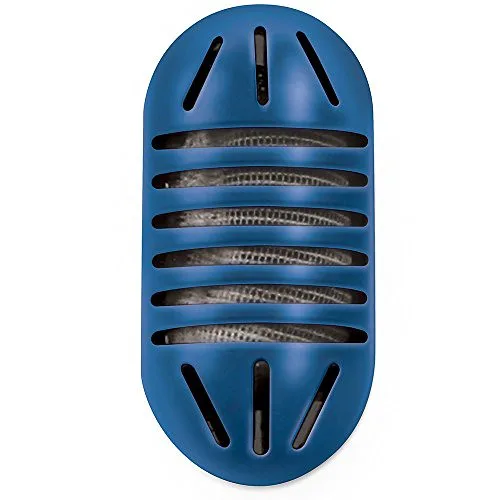
- Mild Dish Soap (Last Resort): If mineral stains are persistent and vinegar or citric acid aren't quite cutting it, you can use a tiny dab of mild dish soap. Be extremely sparing. Scrub gently. The critical follow-up step if you use soap is extensive rinsing to ensure no residue remains, as even a trace can impact the taste of your water.
Rinse, Rinse, and Rinse Again!
This step is absolutely vital, especially if you opted to use vinegar, citric acid, or soap for cleaning. You must ensure that any cleaning agents used are completely and thoroughly washed away from the filter elements. Continue to rinse the filters under cool, running water until you are completely confident that there is no lingering scent or residue from the cleaning solution. Pay attention to all surfaces and crevices.
Drying is Key
This is arguably the most critical stage to get right post-cleaning, as improper drying can undo your efforts and lead to new problems. Ensuring the filter elements are bone dry before reassembly or storage is paramount to preventing mold or mildew growth.
The safest and most effective method is air drying. Place the cleaned filter elements on a clean, dry towel in a well-ventilated area of your home. Allow them to air dry completely. Depending on your ambient humidity and air circulation, this process can take anywhere from 12 to 24 hours.
While it might seem like a long wait, this thorough drying is the best way to guarantee the filter material is free from moisture that could encourage unwanted growth. Avoid using direct heat sources like ovens or hair dryers, as these can potentially damage the ceramic material of the filter elements.
Expert Tips for Berkey Filter Care
Beyond the basic cleaning steps, a few expert tips can help you maintain your Big Berkey filters for peak performance and longevity. One crucial aspect is understanding the filter element itself. The Black Berkey filter elements are designed with a microporous structure, often stated as having pore sizes down to 0.5 microns absolute, which is effective at trapping bacteria and sediment.
This intricate structure means that aggressive scrubbing or using harsh chemicals can inadvertently damage these pores, reducing their filtering capability. Always err on the side of gentleness. For instance, if you're dealing with a particularly stubborn clog, instead of reapplying more force, consider a longer soak time in your cleaning solution. Some sources suggest that if water flow is severely restricted, it might indicate deeper internal fouling that simple surface cleaning can't fully rectify.
Common Mistakes to Avoid When Cleaning
When cleaning your Big Berkey elements, a few common missteps can reduce their effectiveness or even damage them. A major one is using abrasive materials. Scouring pads, steel wool, or stiff brushes can scratch and wear down the ceramic surface, creating micro-fissures that not only look bad but can compromise the filter's ability to trap finer particles.
Another frequent error is insufficient drying. If you reassemble the Berkey system with filter elements that are still damp, you create an ideal breeding ground for bacteria and mold. This can contaminate your clean water supply and render the filter ineffective or even harmful. Always ensure elements are completely dry to the touch, inside and out, before putting them back into service or storing them.
Finally, over-reliance on soap is a mistake. While mild soap can help with greasy buildup, it's notoriously difficult to rinse completely from the porous ceramic. Any residual soap can impart a soapy taste to your water. If you must use soap, ensure it's a very small amount and follow with an extended rinsing period, ideally letting them air dry for 24 hours afterward to be certain of removal.
When It Might Be Time for New Filters
While cleaning can significantly extend the life and restore the performance of your Big Berkey filter elements, they aren't designed to last forever. Knowing when to replace them is as important as knowing how to clean them. A primary indicator is if, after a thorough cleaning and re-priming, your water flow rate remains significantly slow.
If you’ve followed the cleaning steps meticulously, including proper drying, and the filters still struggle to pass water at a reasonable pace, it suggests that the internal structure may be permanently fouled or damaged. Another sign is any visible damage to the filter elements themselves. Cracks, chips, or significant pitting on the ceramic surface are deal-breakers. For safety and performance, such damaged elements should be replaced immediately by new ones.
While manufacturer claims for filter life vary, many report up to 6,000 gallons per pair of Black Berkey elements under typical use, and as of 2026, replacement becomes necessary well before permanent damage occurs if maintained properly.