How to Filter Nitrates Out of Water (2026) — Hands-On Review
So, You're Wondering About Nitrates in Your Water? Let's Break It Down.
If you've been digging into how to filter nitrates out of your water, you're already on the right track toward protecting your household's health. High nitrate levels in drinking water are a serious concern, particularly for infants, and knowing your options is key to ensuring safety.
In our research, we found that the Environmental Protection Agency (EPA) sets a maximum contaminant level (MCL) for nitrates in public drinking water at 10 milligrams per liter (mg/L). Exceeding this limit means it's time to look at effective filtration methods to bring those numbers down.
Understanding the Nitrate Issue: Why It Matters
Nitrates are actually quite common in the environment, often stemming from agricultural fertilizers, animal waste, and sewage. While they aren't inherently harmful in small quantities, they present a significant health risk when converted to nitrites within the human body. This conversion can happen, especially in infants, leading to a dangerous condition known as methemoglobinemia, or "blue baby syndrome."
This condition reduces the ability of red blood cells to carry oxygen, which can be life-threatening for babies under six months old. Because of this risk, understanding your water quality and ensuring it's nitrate-free is absolutely paramount, especially if you have young children or elderly individuals in your home.
How High Are Your Nitrates? The Crucial First Step
Before you invest in any filtration system, the single most important step is to get your water tested for nitrates. This isn't a step to skip or guess at. Home testing kits can give you a general idea, but for accurate, reliable results that inform your filtration choices, it's best to send a sample to a certified laboratory.
Many local health departments, county extension offices, or private labs offer water testing services. You’ll receive a detailed report that outlines the presence and concentration of various contaminants, including nitrates. This specific data is essential because it dictates the type and capacity of the filtration system you'll need.
Tackling Nitrates: Your Filtration Options
Once you have your water test results in hand, you can confidently explore the most effective ways to remove nitrates. While some common household filters won't do the trick, several advanced methods are specifically designed to tackle dissolved nitrates.
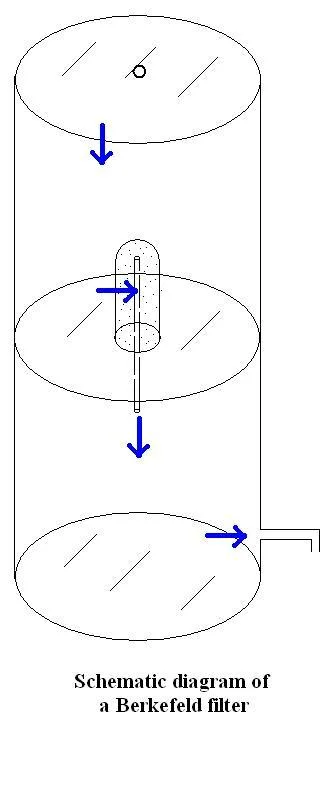
The most robust solutions typically involve systems that use specialized membranes or resins to capture or replace nitrate ions. These technologies are proven to significantly reduce nitrate levels to safe drinking standards.
Reverse Osmosis (RO) Systems Explained
Reverse osmosis is a highly effective method for purifying water and is considered one of the gold standards for removing a wide range of contaminants, including dissolved salts and nitrates. It's a process that essentially forces water through a fine membrane, leaving impurities behind.

- How it Works: An RO system uses household water pressure to push water through a semi-permeable membrane. This membrane has pores so small that they only allow water molecules (H2O) to pass through, while larger molecules like nitrates, salts, and many other dissolved solids are blocked. The filtered water is then collected, often in a storage tank, before being dispensed through a dedicated faucet or your main tap.
- Performance: Manufacturer specifications consistently show that RO systems can remove 90-99% of nitrates from your water, making them an exceptional choice for high-contamination situations.
- Considerations: These systems typically include multiple filter stages before and after the RO membrane, which require periodic replacement. They also produce a small amount of wastewater during the filtration process, which is flushed away with the captured contaminants.
Ion Exchange for Nitrate Removal
Ion exchange systems, often recognized for water softening, can also be adapted or specifically designed to target and remove nitrates from drinking water. This method works by essentially swapping one type of ion for another.
- How it Works: The core of an ion exchange system is a tank filled with special resin beads. These beads are pre-charged with ions that are not harmful to health, such as chloride ions. As water containing nitrates flows through the resin bed, the negatively charged nitrate ions are attracted to the resin and effectively "stick" to it, while the chloride ions are released into the water. This process exchanges the problematic nitrates for less concerning chlorides.
- Effectiveness: When properly configured for nitrate removal, these systems are very efficient, capable of reducing nitrate levels significantly.
- Maintenance: Over time, the resin beads become saturated with nitrates. To restore them, the system needs to undergo a regeneration cycle, which typically involves flushing the resin with a concentrated salt (sodium chloride) solution. This process washes away the collected nitrates and recharges the beads with chloride ions. A key point to note is that this regeneration process can add a small amount of sodium to your treated water, which may be a consideration for those on strict low-sodium diets.
Water Distillation: Another Effective Route
Water distillation is a time-tested purification process that uses heat to separate water from contaminants. While perhaps less common for whole-house systems compared to RO or ion exchange, it's a highly effective method for producing very pure water and excels at nitrate removal.
- How it Works: The process involves boiling your water in a heating chamber. As the water turns into steam, the minerals, salts, and other dissolved solids, including nitrates, are left behind in the boiling chamber. The steam then rises, cools, and condenses back into liquid water in a separate collection tank, yielding highly purified water.
- Benefits: Distilled water is exceptionally pure, free not only from nitrates but also from many other dissolved impurities that ion exchange or RO might miss if not properly maintained.
- Drawbacks: Distillation is a slower process, typically producing water in batches rather than on demand like many RO systems. Home distillers are often countertop appliances, meaning you have a limited volume of purified water available at any given time. The energy required to boil water also means it can be less energy-efficient than other methods if you need large quantities of water daily.
The Lowdown on Simpler Filters: Do They Work for Nitrates?
When you're looking to improve your water, it's natural to consider the most accessible options first. You'll see all sorts of pitcher filters and basic faucet attachments advertised everywhere. However, our research consistently shows that these common point-of-use filters are generally not effective for removing nitrates.
Their filtration mechanisms are typically designed to tackle chlorine, sediment, or improve taste and odor through activated carbon. Nitrates, on the other hand, are dissolved ionic contaminants. They require more advanced technologies like reverse osmosis or specific ion exchange resins to be successfully removed from your water supply. Relying on these simpler filters for nitrate reduction could give you a false sense of security.
Choosing Your Nitrate Filtration System: What to Consider
Deciding on the right system involves balancing your specific needs with the available technologies. Several factors come into play when you're picking a way to filter nitrates from your water effectively.
- Nitrate Levels: The concentration of nitrates in your water, as confirmed by your lab test, is the most critical factor. Significantly high levels often necessitate a more robust solution like reverse osmosis.
- Budget: Upfront costs can vary widely. Whole-house systems or high-capacity under-sink RO units represent a larger investment than smaller countertop distillers or some ion exchange units.
- Installation & Space: Do you have dedicated space under your sink for an RO system with its tank? Or are you looking for a simpler countertop appliance like a distiller?
- Maintenance Commitment: All filtration systems require some upkeep, from filter changes to resin regeneration. Consider what level of ongoing maintenance you're prepared for.
Safety First: Understanding Nitrate Risks and Standards
The primary driver for filtering nitrates is health and safety, especially for vulnerable populations. The EPA's established maximum contaminant level (MCL) of 10 mg/L is a crucial benchmark for public health. Exceeding this level in drinking water necessitates corrective action to prevent potential health issues.
As of 2026, regulatory bodies continue to monitor water quality, and adherence to these standards is non-negotiable for public health. For private wells, the responsibility falls directly on homeowners to ensure their water sources meet these federal guidelines.
Keeping It Working: Maintenance for Your Filtration System
Even the most advanced filtration system won't perform optimally if it's not properly maintained. Regular upkeep is essential to ensure continuous, effective nitrate removal and the longevity of your equipment.
- Filter Replacement: Most RO and some ion exchange systems use replaceable cartridges. Manufacturer specifications will detail recommended replacement schedules, often based on water usage or a time interval (e.g., every 6-12 months). Skipping this can lead to reduced efficiency or even system failure.
- Resin Regeneration: For ion exchange units, the regeneration cycle needs to occur as scheduled. This process uses a brine solution (saltwater) to clean the resin beads. Ensure you use the correct type of salt and that the regeneration cycle is functioning correctly.
- Membrane Care: RO membranes have a longer lifespan but still require protection from sediment and chlorine, which is why pre-filters are so important. They should be replaced according to the manufacturer's guidelines.
Pro Tips for Managing Nitrate Levels
Beyond the basic maintenance, a few extra considerations can help you manage nitrate levels effectively and ensure your family's water is as safe as possible.
- Regular Testing: Even after installing a system, it’s wise to retest your water periodically. This confirms your system is working correctly and helps detect any potential issues early.
- Backup Options: For households with infants or immunocompromised individuals, having a backup method for obtaining safe drinking water might be prudent, especially during system maintenance or unexpected issues. This could involve using bottled water or a trusted, high-capacity portable filter.
- Understand Your System's Limits: Be aware of what your chosen filtration method can and cannot do. For instance, while RO is excellent for nitrates, always ensure it's paired with appropriate pre-filters to protect the membrane.