How Often to Change Water Filter Cartridge: Expert Picks
Ever wonder if that water filter cartridge tucked away in your pitcher or under your sink is still doing its job, or if it's just pretending? Knowing how often to change water filter cartridge is crucial for ensuring the water you drink is actually clean and healthy. Too soon, and you waste money; too late, and you could be drinking water that's worse than unfiltered.
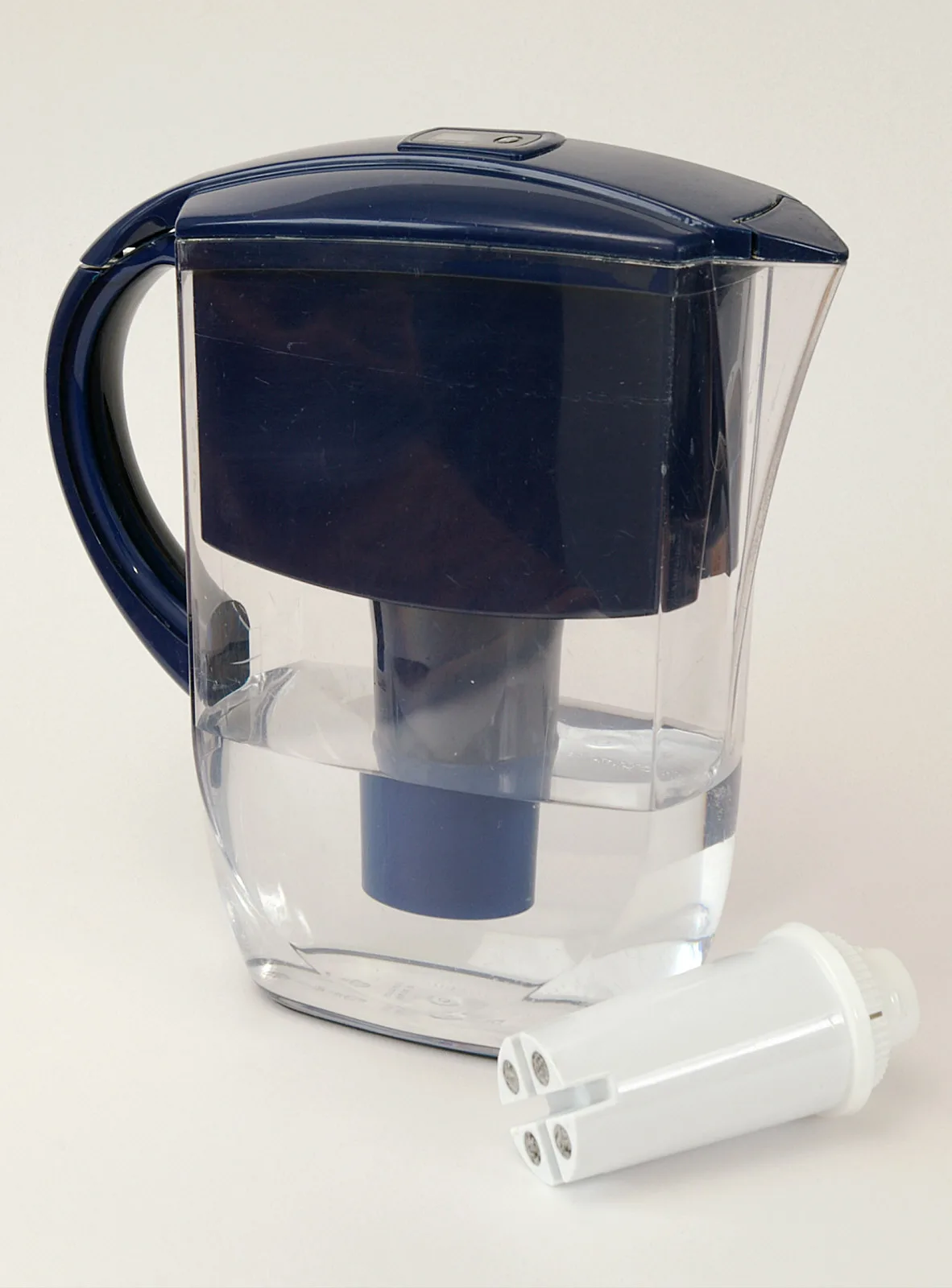
Manufacturer specifications often provide a baseline for replacement, typically ranging from 2 months to a year depending on the model. However, these are just guidelines. Your actual usage patterns and local water quality can significantly shorten or lengthen that lifespan. We'll break down exactly what you need to consider to find your personal filter replacement schedule.
Your Filter's Job: What's It Actually Doing?
At its core, a water filter cartridge acts like a bouncer for your water, selectively letting good stuff through and stopping unwanted guests from making it to your glass. These systems are designed to tackle a variety of impurities. The most common type, activated carbon filters, use a porous material that adsorbs contaminants like chlorine, which is responsible for that common "tap water" taste and smell.
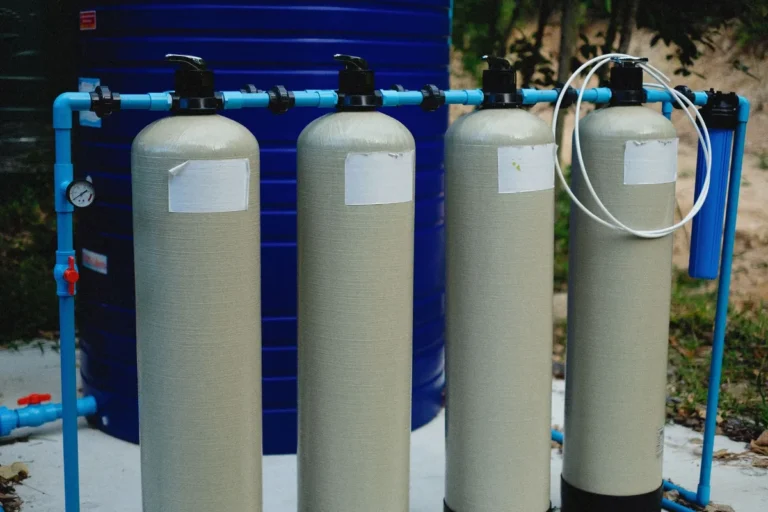
Other filters go further. Sediment filters catch physical particles like rust, sand, and dirt. Specialty cartridges might target specific issues like lead, heavy metals, microbes, or dissolved solids, often using different media like ion-exchange resins or ultrafiltration membranes. Essentially, the filter media inside the cartridge is designed to trap these contaminants, gradually becoming saturated or clogged as more water passes through it.
Key Factors That Decide Your Filter's Lifespan
Figuring out your ideal filter change frequency isn't about guesswork; it's about understanding a few key variables that influence how hard your filter is working. Think of it as tailoring the maintenance to your specific machine.
Usage: How Much Water is Flowing Through?
This is probably the biggest driver of how quickly your filter needs replacing. If you’ve got a bustling family of five, constantly making coffee, filling up water bottles, and running the dishwasher, you're putting a lot more water volume through your filter system than a single person who only drinks a glass or two a day. For reference, a typical faucet filter might be rated for around 100 gallons, while refrigerator filters often aim for 300-500 gallons. Heavy usage will hit that gallon limit much faster.
Filter Type: What's Inside That Cartridge?
Not all filter cartridges are created equal, and their "job" dictates their lifespan too. A simple sediment filter, designed only to catch physical particles, will clog based on the amount of sediment in your water. An activated carbon filter, on the other hand, has a finite capacity for adsorbing chemicals like chlorine. Once the carbon's adsorption sites are filled, it can no longer remove those contaminants effectively.
Specialty filters, like those designed to remove specific contaminants such as lead or PFAS, may have even more precise limitations and require more diligent adherence to their stated capacity to ensure they remain effective.
Your Water's Starting Point: Quality Matters
The source water flowing into your filter plays a massive role. Are you in a region known for hard water, which can lead to scale buildup and potentially stress some filter components faster? Is your municipality dealing with aging pipes that might occasionally release sediment or rust? Or perhaps you're on well water where natural mineral content or the risk of microbial contamination is higher?
Our research indicates that areas with higher levels of dissolved solids, sediment, or chlorine will cause filters to become saturated or clogged more rapidly compared to areas with already clean, treated municipal water. For instance, if your tap water appears cloudy or has a noticeable odor before filtering, your cartridge will work overtime and likely need replacing sooner than the manufacturer's "average" recommendation.
Signs Your Water Filter is Telling You It's Time to Go
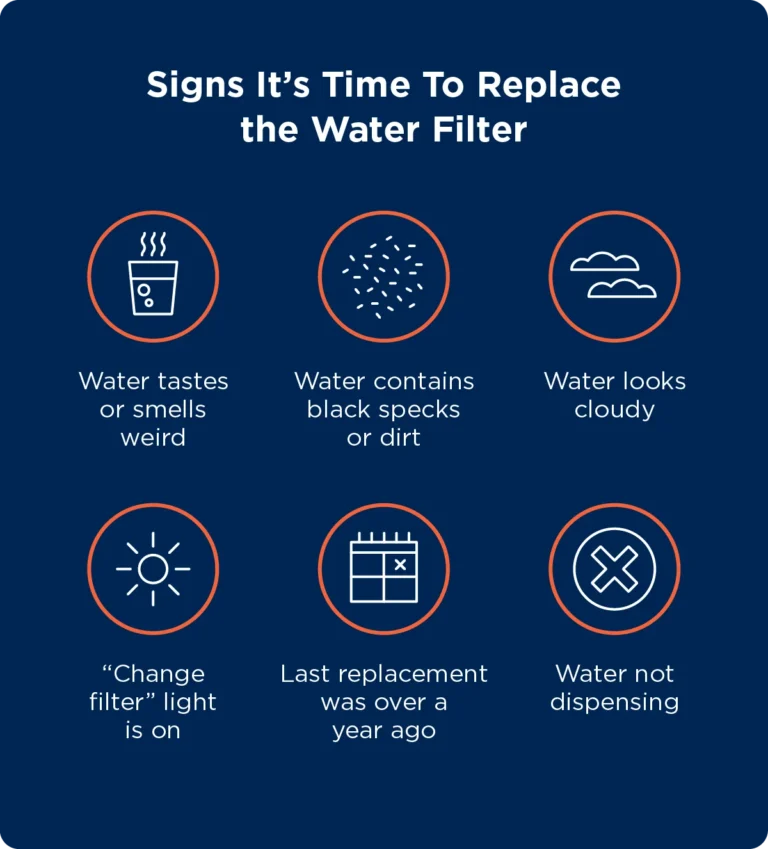
Your water filter won't usually just stop working; it'll give you clues that it's time for a swap. Paying attention to these signals is key to not letting your filter become ineffective or, worse, a source of contamination itself.
Taste and Odor: The Earliest Warnings
This is often the most noticeable sign. If that fresh, clean taste you loved from your filtered water starts to fade, or if you begin to detect that familiar "tap water" smell or taste of chlorine, it's a strong indicator that your filter's activated carbon is exhausted. The carbon media's pores are saturated, meaning it can no longer adsorb the compounds responsible for taste and odor. This usually happens well before any significant reduction in flow rate.
Slow Flow: When the Clog Starts to Show
If you've ever noticed your faucet's output dwindling, your pitcher taking ages to drip water through, or your refrigerator dispenser slowing to a trickle, it’s likely a sign of a clogged filter. This happens when sediment filters or the pre-filters in multi-stage systems have trapped a significant amount of particulate matter. The physical blockage restricts water flow. While this might seem like a sign the filter is "working hard," it means the filter is reaching its capacity for removing sediment and needs replacement before it drastically reduces water pressure or stops filtering altogether.
Visible Changes: Cloudy Water is a Red Flag
See that cloudiness or particulate matter reappearing in your water after it's gone through the filter? That’s a pretty direct signal. If your filter is supposed to remove sediment and you start seeing it again, the filter’s physical barrier is overwhelmed or failing. This can happen if the filter media is breaking down, or if it's simply become so clogged that larger particles are now passing through.
For systems that should produce clear water, this is a definite indicator for immediate replacement.
Manufacturer Guidelines: Your Baseline for Replacement
Every water filter manufacturer provides recommendations on when to replace their cartridges. These are usually based on extensive testing under specific conditions and metrics. You'll typically see guidance based on either a time period (like every 6 months) or a water volume (such as every 100 gallons). For instance, many standard refrigerator filters are rated for approximately 6 months or 300 gallons.
It's crucial to check your specific filter's manual or packaging for these details. This guideline serves as your starting point, the minimum expected performance before the filter's lifespan is considered over. Adhering to these recommendations helps ensure you're getting the intended filtration performance as of 2026.
When to Change Your Filter Sooner Than Recommended
While manufacturer guidelines are important, they often assume average conditions. If your situation is anything but average, you'll likely need to replace your filter more frequently to maintain optimal performance and safety.
For Busy Households and High Water Use
If your household uses a lot of water, think multiple people, constant coffee brewing, or frequent water bottle refills, your filter cartridge will reach its rated capacity much faster than the suggested monthly timeframe. For example, if a filter is rated for 100 gallons and your family uses 10 gallons a day, you'll hit that limit in just 10 days, not the typical 2-3 months suggested. In these high-usage scenarios, it's wise to halve the manufacturer’s time recommendation or track your actual water consumption more closely and replace the filter as soon as you reach its gallon limit.
Dealing with Tougher Water Conditions
Water quality isn't uniform everywhere. If you know your local water has high levels of sediment, mineral content, or specific contaminants that your filter is designed to address, plan on changing your cartridges more often. For example, if you live in an area prone to high turbidity after heavy rains, your sediment filter might clog significantly faster. Similarly, if your municipality recently announced issues with taste and odor due to algal blooms, don't wait for your own filter to show signs; a proactive replacement might be warranted.
When You Might Stretch It (But Be Careful!)
While it's tempting to delay cartridge replacement to save a few bucks, there are specific situations where you might be able to extend the life of your filter slightly beyond the strictest interpretation of the manufacturer's guidelines. This requires careful observation and understanding of your filter's performance. It's not about ignoring maintenance, but rather about making an informed call based on real-time feedback from your system.
For Lighter Water Consumption
If you live alone or in a smaller household with very moderate water usage, your filter cartridge might not hit its rated capacity as quickly. For example, if a refrigerator filter is rated for 300 gallons, and you're only using about 1-2 gallons per day on average, you might get closer to the 6-month mark, or even slightly beyond, before the gallons are used up. However, even with lower usage, activated carbon filters can degrade over time due to oxidation or become less effective at adsorption as their pores fill with trace contaminants. It’s still wise to aim for replacement within 9-12 months at the absolute longest if usage is very low, to prevent potential issues like bacteria growth in stagnant filter media.
Common Filter Replacement Mistakes to Avoid
People often make a few common blunders when it comes to replacing their water filter cartridges, which can lead to subpar water quality or even damage to the system. Avoiding these pitfalls is key to getting the most out of your filtration investment and ensuring you're always drinking clean water.
Using the Wrong Replacement Cartridge: This is more common than you'd think. Not all cartridges are interchangeable, even within the same brand. Using an incorrect model can lead to leaks, reduced filtration efficiency, or even damage to your filter housing. Always double-check your system's model number against the compatible cartridge specifications. Manufacturer websites are excellent for confirming the correct part number.
Not Flushing a New Filter: Many new cartridges, especially activated carbon ones, need to be flushed with a specific amount of water (often as much as 2-3 gallons) before use. This is to remove any loose carbon fines or manufacturing residues that could otherwise end up in your fresh water. Skipping this step can result in cloudy water or an unpleasant taste initially.
Ignoring the Schedule Entirely: Relying solely on visual cues or taste without any regard for the manufacturer's recommended replacement schedule or gallon capacity is a risky game. By the time you notice a significant difference, the filter may have already been performing poorly for some time, potentially allowing contaminants to pass through.
Your Personal Filter Replacement Schedule: A Decision Guide
So, how do you nail down the perfect schedule for your home? It boils down to a few simple questions. First, what does your filter's manual say? Always start with that gallon capacity or time recommendation.
Then, honest assessment of your usage is vital. Are you a one-person household or a busy family of five? Do you cook a lot or only drink a few glasses of water a day? Next, consider your local water quality.
Is it known for being particularly hard, prone to sediment, or having a strong chlorine smell?
By combining the manufacturer's baseline with these real-world factors, you can create your own informed replacement calendar. Generally, if you're a heavy user or have poor water quality, aim for the lower end of the recommended timeframe or capacity. If you're a light user with good water quality, you might lean towards the higher end, but always keep an eye on performance.
Manufacturer Documentation: Your Ultimate Resource
When it comes to the specifics of your water filter's performance and maintenance, there's no better source than the company that made it. The documentation provided with your filter system, whether it's a user manual, installation guide, or even the information printed on the cartridge packaging, contains the most accurate and specific details relevant to your particular model.
This documentation will clearly outline the recommended replacement interval, often stating it in both months and gallons. It will also detail any specific installation procedures, such as the initial flushing requirements for new cartridges. For specialized filters, like those designed to reduce lead or specific chemicals, the manufacturer's documentation will often include performance data or certifications, such as NSF/ANSI standards, confirming their capabilities and expected lifespan in reducing those targeted contaminants. Checking this information is the most reliable way to ensure you're using and maintaining your filter correctly.