How to Filter Well Water: Honest Review 2026
If you've ever turned on the tap in a home not connected to a municipal water supply, you've likely wondered about the quality of what's coming out. Figuring out how to filter well water effectively is essential for your home's health and longevity. It’s not just about taste; it’s about safeguarding your family and your plumbing from unseen contaminants.
Our research indicates that untreated well water can harbor a variety of substances, from simple minerals to more concerning biological agents. For instance, aggregate user reviews and manufacturer specifications confirm that many whole-house water filter systems are designed to remove chlorine, sediment, and volatile organic compounds (VOCs), which are common issues addressed by filters meeting NSF/ANSI 42 standards. Understanding your specific needs is the first step before exploring any filtration solution.
Why Filtering Your Well Water Matters
Untreated well water can present a host of issues that impact daily life and the integrity of your home. These problems range from aesthetic annoyances like bad tastes and odors to potentially serious health risks and damage to your plumbing. Minerals, sediments, and even microorganisms can find their way into your water supply, requiring proactive treatment.
Ignoring these potential problems can lead to significant costs down the line. Scale buildup from hard water, for example, can reduce the efficiency of water heaters and appliances, while iron can leave stubborn stains on fixtures and laundry. Dealing with these issues proactively through filtration not only improves your water's quality but also protects your investment in your home and its systems.
Understanding What's In Your Well Water: The First Crucial Step
Before you even think about buying a filter, the absolute first thing you need to do is get your well water tested. This isn't a suggestion; it's a non-negotiable step for effectively filtering well water. Without knowing what you're dealing with, you're essentially guessing, and that can lead to wasted money on the wrong equipment or, worse, leaving harmful contaminants in your water.
Getting a Professional Water Test
This is about more than just a simple DIY kit, though those can be a starting point. A comprehensive water test involves sending a sample to a certified laboratory. They can identify a wide spectrum of potential issues, from common minerals and metals like iron, manganese, and lead to bacteria like E. coli, nitrates from agricultural runoff, and even more complex chemicals.

The results from a professional lab will give you precise readings in parts per million (PPM) or other relevant units. This data is critical for selecting the right filter or treatment system. Without it, you can't know if you need a simple sediment filter or a more robust system to tackle dissolved solids or biological contaminants.
Common Well Water Contaminants
Well water can be affected by its surrounding environment. Depending on your local geology and potential sources of pollution, you might find:
- Sediment and Turbidity: Sand, silt, and clay particles that make water cloudy.
- Hardness Minerals: Calcium and magnesium that cause scale buildup and reduce soap lathering.
- Iron and Manganese: Metals that cause staining, metallic taste, and can support bacterial growth.
- Nitrates: Often from agricultural fertilizers or septic systems, posing a health risk, especially to infants.
- Bacteria and Viruses: Including E. coli, coliform bacteria, and others that can cause illness.
- Volatile Organic Compounds (VOCs): Chemicals from industrial solvents or fuels.
- pH Imbalances: Water that is too acidic can corrode pipes, while alkaline water can lead to scale.
Each contaminant requires a specific approach to filtration or treatment. For example, a filter that excels at removing sediment won't do much for bacteria, and a UV sterilizer won't address hard water issues. Your water test results are the blueprint for your solution.
Choosing the Right Filtration Approach for Your Well
Once you have your water test results in hand, you can start looking at systems. The first major decision is usually between a whole-house system and a point-of-use system. Each has its place, and understanding the pros and cons for your specific situation is key to getting the best results.
Whole-House Filtration vs. Point-of-Use Systems
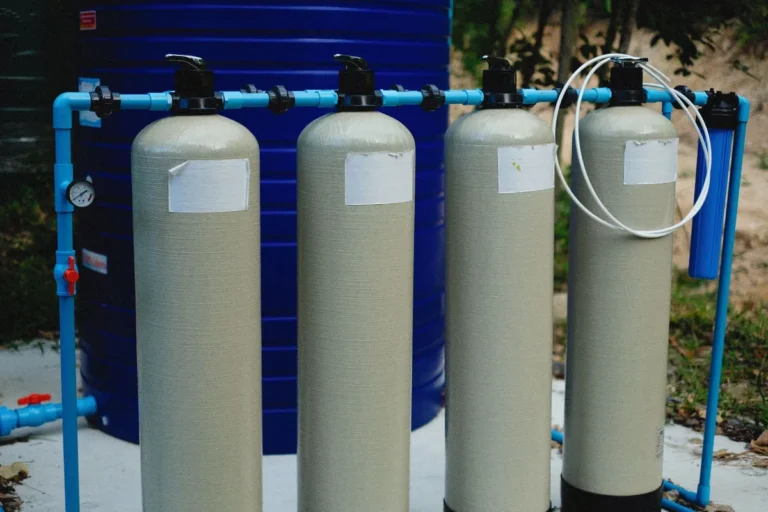
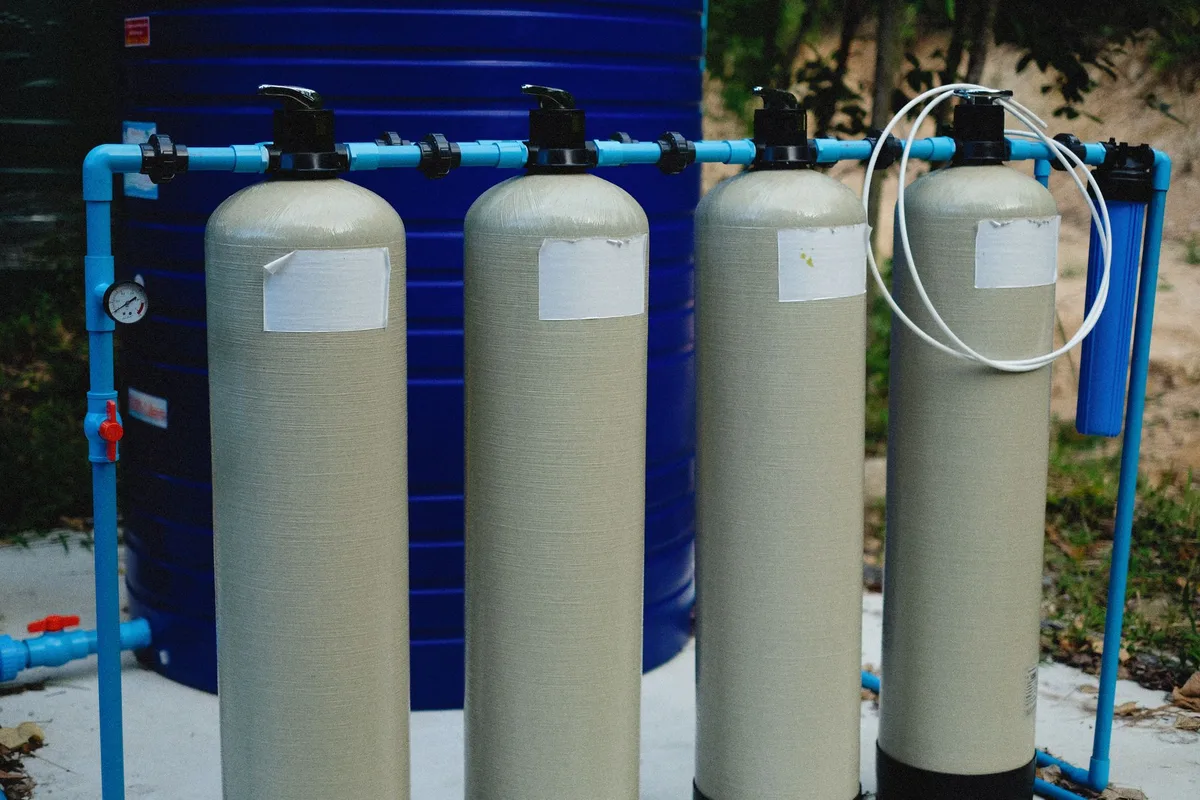
A whole-house water filter, also known as a point-of-entry (POE) system, is installed where your main water line enters your home. This means every tap, shower, and appliance gets treated water. This is typically the preferred option for well water because it addresses all potential sources of contamination for your entire household.
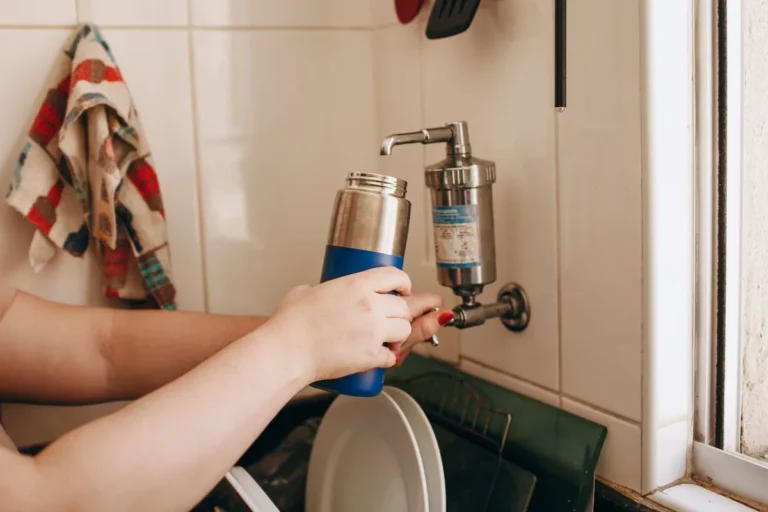
Point-of-use (POU) filters, on the other hand, are installed at a single tap, like under your kitchen sink for drinking water or on a showerhead. While they can be effective for specific needs, they won't protect your plumbing or provide treated water for laundry, dishwashers, or other uses. For well water, POU systems are often used as a secondary layer of treatment after a main POE system, or as a more budget-friendly solution if only drinking water quality is the immediate concern.
When You Need a Water Softener vs. a Filter
It's common to think of water softeners and filters as interchangeable, but they serve different primary purposes. A water softener specifically targets "hardness" minerals, primarily calcium and magnesium. It works through an ion exchange process to remove these dissolved minerals, preventing scale buildup in pipes, appliances, and fixtures.
A water filter, broadly speaking, aims to remove a wider range of contaminants. This can include sediment, chlorine, VOCs, heavy metals, and even bacteria, depending on the filter type. While some filters might offer minor improvements in water perceived as "hard," they are not designed for the same scale-prevention capabilities as a dedicated water softener. If your water test shows high levels of calcium and magnesium (high GPG, grains per gallon), a water softener is likely in your future, often used in conjunction with other filtration methods.
Key Filtration Technologies Explained
The world of water filtration can seem complex, but it boils down to a few core technologies, each designed to tackle specific types of contaminants. Understanding these basic principles will help you make an informed decision about the best system for your well water.
Sediment Filters: Tackling Particulates
Sediment filters are usually the first line of defense in a well water treatment system. Their job is straightforward: to trap solid particles like sand, silt, rust, and dirt before they can enter other parts of your filtration system or your home's plumbing. These filters are rated by their micron size, indicating the smallest particle they can physically remove. A common starting point for well water is a 5-micron sediment filter.
Without a sediment filter, larger particles can clog and damage more sensitive filtration media, like activated carbon or RO membranes, significantly reducing their lifespan and effectiveness. They are typically made of pleated paper, spun polypropylene, or ceramic material.
Activated Carbon Filters: For Taste, Odor, and Chemicals
Activated carbon filters are workhorses in water treatment, renowned for their ability to adsorb (not absorb) a wide range of common contaminants. This process involves chemicals sticking to the porous surface of the carbon. They are particularly effective at improving the taste and odor of water by removing chlorine (though less common in wells), VOCs, pesticides, and herbicides.

These filters come in two main forms: granular activated carbon (GAC) and carbon block. Carbon block filters generally offer finer filtration and more consistent performance than GAC. It’s important to note that activated carbon is not effective at removing dissolved minerals (like those causing hardness) or inorganic contaminants such as nitrates or heavy metals, unless specifically designed for those purposes.
Specialty Filters: Iron, Sulfur, and More
Beyond general-purpose filters, there are specialized media designed to target specific problematic substances often found in well water.
- Iron Filters: These systems are crucial if your water test shows high iron levels, which can cause rust-colored stains and a metallic taste. They often use oxidation and filtration to remove dissolved iron (ferrous) and precipitate it out in a solid form.
- Sulfur Filters: For that characteristic "rotten egg" smell, sulfur filters (often using a media like Birm or Katalox Light) oxidize hydrogen sulfide gas into solid sulfur particles that can then be filtered out.
- Nitrate Filters: Typically use ion exchange resins to remove nitrates, which are a serious health concern, particularly for infants.
Choosing the right specialty filter depends entirely on what your water test reveals. A single-filter solution rarely addresses all well water issues.
Reverse Osmosis (RO) Systems: For Comprehensive Purity
Reverse osmosis (RO) goes a step further than typical filters by forcing water through a semi-permeable membrane under pressure. This process is remarkably effective at removing a very broad spectrum of contaminants, including dissolved salts, minerals, heavy metals like lead and arsenic, nitrates, and even some microorganisms. Many RO systems include pre-filters (sediment and carbon) and a post-filter to polish the water.
When you see an RO system, it often looks like a multi-stage process. The pre-filters protect the delicate RO membrane, which is the heart of the system. Post-filters then remove any lingering tastes or odors before the water reaches your tap, typically via a dedicated faucet. Because RO removes most minerals, including beneficial ones, it can result in water that tastes very "flat" to some people.
UV Sterilizers: Eliminating Microbes
Ultraviolet (UV) sterilizers are not filters in the traditional sense; they don't remove particles or dissolved substances. Instead, they use UV light to inactivate bacteria, viruses, protozoa, and other pathogens in the water. This is a critical safety measure, especially if your water test indicates the presence of microbial contamination.
A UV sterilizer is typically installed after other filtration stages to ensure the water is clear enough for the UV light to pass through effectively. The UV lamp is housed in a quartz sleeve within a stainless steel chamber. As water flows through the chamber, it's exposed to UV-C light, which damages the DNA of microorganisms, rendering them harmless.
Step-by-Step: Setting Up Your Well Water Filtration
Getting your well water filtered isn't a one-size-fits-all situation, but there's a logical sequence of steps to get the right system in place. It all starts with understanding what you're treating and then selecting the appropriate technology.
Assessing Your Water Test Results
This is the crucial first step, as we've discussed. Armed with that lab report, you'll look for specific contaminant levels. For instance, if your iron is above 0.3 PPM, you'll need an iron filter. If your hardness is over 7 GPG, you’ll need a water softener or a specialized ion exchange resin.
You'll also note levels of sediment, VOCs, and any microbial presence.
This assessment is where you'll decide if a single-stage filter, a multi-stage system, or a combination of units (like a sediment filter followed by an iron filter and then a carbon filter) is necessary.
Sizing Your Filtration System
Proper sizing ensures your system can handle your household's water usage without becoming a bottleneck or failing prematurely. For whole-house systems, sizing is often based on the maximum flow rate your home might require at any given time. This is measured in gallons per minute (GPM). Peak usage often occurs when multiple water sources are running simultaneously, think showers, flushing toilets, and a washing machine.
Manufacturer specifications will typically state the recommended GPM for a given filter or system. It’s usually advisable to choose a system with a capacity slightly higher than your home's peak demand to ensure consistent performance. For water softeners, sizing is based on the total daily water usage and the water's hardness level, measured in grains.
Installation Essentials
Installing a POE filtration system involves working with your home's main water line. This typically means cutting into the pipe and installing unions to allow for easy removal of the filter housing or tank for maintenance. You'll need to ensure you have adequate space for the unit, as well as access to a drain if your system requires backwashing (like many water softeners and some iron filters).
Most systems come with installation instructions, but if you're not comfortable with plumbing or working with shut-off valves and pipe connections, it’s best to hire a qualified professional. Improper installation can lead to leaks, reduced water pressure, or system malfunction.
Ongoing Maintenance: Filter Changes and Servicing
No filtration system is maintenance-free. Sediment filters, carbon filters, and RO membrane cartridges need regular replacement. Sediment and carbon filters might last anywhere from 3 to 12 months, depending on the volume of water treated and the level of contaminants. RO membranes typically last 2-5 years.
Water softeners require periodic replenishment of salt (for salt-based ion exchange systems) and occasional servicing to ensure the valve and resin bed are functioning correctly. UV lamps also have a limited lifespan, typically around 9,000 hours (about one year of continuous use), and need to be replaced to maintain their germicidal effectiveness. Neglecting maintenance can lead to system failure, reduced performance, and reintroduction of contaminants.
Common Pitfalls and How to Avoid Them
Navigating the world of well water filtration can have its tricky spots. Avoiding common mistakes ensures you get the most effective treatment for your money and that your water is safe and clean.
Relying on Guesswork, Not Testing
As we’ve hammered home, not testing your water is the biggest mistake you can make. Imagine buying a specialized iron filter when your main problem is bacteria. You'd be treating the wrong issue, wasting money, and potentially leaving your water unsafe. Always start with a professional water test.
Overlooking Specific Contaminants
Even if your water seems clear and tastes fine, look at your test results closely. High levels of minerals, even if not immediately noticeable by taste or smell, can cause long-term damage to appliances and pipes. Likewise, microscopic contaminants like certain bacteria or heavy metals pose health risks without obvious symptoms.
Improper System Sizing
Installing a filter that's too small for your household's needs means it will get overloaded quickly. This leads to reduced effectiveness, frequent premature replacements, and potentially insufficient filtration. On the flip side, an oversized system might be unnecessarily expensive.
Neglecting Regular Maintenance
This ties back to the importance of ongoing care. When you skip scheduled filter replacements or salt refills for your softener, you're essentially letting the system fail. This not only renders the filtration ineffective but can also cause backflow issues or damage to the filter media itself. Consistent maintenance is non-negotiable for reliable well water treatment.
Safety and Compliance for Well Water
Ensuring your well water is safe involves understanding regulatory guidelines and potential risks. While private well owners are primarily responsible for their water quality, awareness of external standards provides a benchmark for safety. As of 2026, regulatory bodies continue to emphasize the importance of water testing and treatment.
Understanding EPA Guidelines
The U.S. Environmental Protection Agency (EPA) sets Maximum Contaminant Levels (MCLs) for public water systems. While these regulations don't directly apply to private wells, they serve as excellent health-based guidelines for what levels of contaminants are considered safe. For instance, the EPA's MCL for lead is 0.015 Parts Per Million (PPM), and for E. coli bacteria, it's effectively zero.
When your well water test results come back, compare them against these EPA MCLs. If your levels exceed these benchmarks, it indicates a need for treatment. Remember, higher contaminant levels in well water can sometimes be linked to local geology or agricultural practices.
When to Call the Experts
While DIY installation is possible for some simpler filtration setups, certain situations warrant professional help. If your water test reveals complex contamination issues, such as high levels of multiple chemicals or persistent bacterial problems, consult a certified water treatment specialist. They can help you design a tailored system and ensure it's installed correctly.
Likewise, if you're uncomfortable with plumbing work or unsure about sizing and system integration, hiring a professional significantly reduces the risk of errors that could compromise your water quality or damage your home.
Investing in Your Well Water System: Costs and Lifespan
The initial investment in a well water filtration system can vary widely, from a few hundred dollars for basic POE sediment filters to several thousand for advanced multi-stage whole-house systems or complex RO units. The total cost depends on the complexity of filtration needed, the number of stages involved, and the system's capacity.
Beyond the upfront purchase price and installation, factor in ongoing expenses. These include replacement filters, salt for water softeners, and potential servicing. Sediment filters might cost $20-$50 and need replacement every 3-6 months, while activated carbon filters could range from $30-$100 and last 6-12 months. RO membranes typically cost $50-$150 and last 2-5 years, with pre- and post-filters needing more frequent changes.
A UV lamp replacement can cost $100-$300 annually. These ongoing costs, spread over a system's lifespan (often 10-20 years for main components), are part of the overall investment in safe, clean water.