How to Clean Berkey Water Filter in 2026 (Ranked & Reviewed)
Keeping your tap water tasting fresh and pure hinges on the health of your filtration system. If you've found yourself searching "how to clean berkey water filter," you're likely noticing a slowdown in your system or a change in water taste. Those essential black elements do a lot of work, and over time, they'll need a little attention to keep them performing at their peak.
Manufacturer specifications confirm that regular cleaning of Berkey critical components, particularly the ceramic or other porous filter elements, is essential for maintaining optimal flow rates and purification efficacy. As of 2026, these maintenance practices remain core to the longevity and performance of gravity-fed water filters, ensuring consistent output of clean drinking water.
Why You Need to Clean Your Berkey Water Filter Elements
You might be wondering if a little gunk is really that big of a deal. For your Berkey system, the answer is a definite yes. Those distinctive black filter elements are designed with incredibly fine pores to physically trap contaminants. Think of them like microscopic sieves.

Over time, as water passes through, sediment, mineral deposits, and other microscopic particles can get lodged in these pores. This clogging isn't just unsightly; it directly impacts the filter's ability to let water through and, more importantly, its capacity to remove impurities effectively. It's like trying to breathe through a cloth mask that's been worn for weeks, airflow is restricted, and its filtering power is compromised.
The Simple Berkey Element Cleaning Process
Let’s break down the straightforward maintenance that keeps your Berkey humming along. It’s not a complicated technical job, and you don’t need specialized tools. The aim is to gently remove the build-up without damaging the delicate filtering surface of the elements.
What You'll Need for the Job
Gathering the right supplies beforehand makes the whole process smoother. You'll be surprised at how basic the requirements are.
- Soft Cloth or Sponge: A non-abrasive scrub pad or a soft cloth is your primary tool. Avoid anything harsh that could scratch or damage the filter elements.
- Clean Running Water: Tap water is perfectly fine for the cleaning and rinsing stages.
- Your Berkey Elements: Of course, you’ll need the components you’re cleaning!
Step 1: Taking Your Berkey Apart
Before you can clean the elements, you need to get to them. This involves a careful disassembly of your Berkey system.
- Empty Chambers: Ensure both the upper and lower chambers of your Berkey system are completely empty of water.
- Separate Chambers: Gently lift the upper chamber off the lower chamber.
- Remove Elements: Carefully unscrew or slide out the black filter elements from the upper chamber. They might be a bit snug, so a gentle but firm twist or pull is usually sufficient. Handle them with care to avoid dropping them.
Step 2: Gently Scrubbing the Black Elements
This is the core of the cleaning process. Here, you're manually dislodging the visible contaminants that have accumulated on the surface of the Berkey elements.
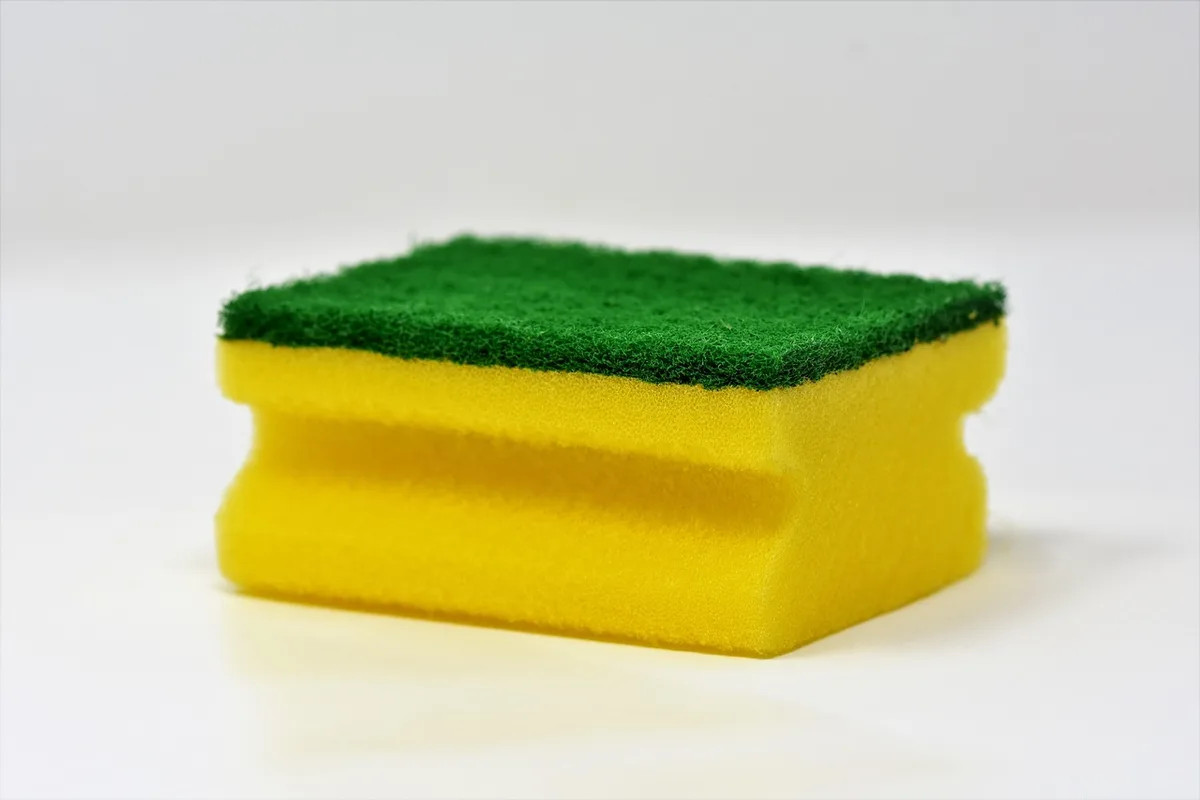
Using your soft cloth or non-abrasive scrub pad, gently rub the exterior surface of each black element under running water. You're not trying to apply heavy pressure or scrub away the material itself; the goal is simply to loosen and remove any sediment, mineral deposits, or organic film that has attached itself to the ceramic. Focus on the entire surface area where water flows in.
Step 3: Rinsing Away the Grime
Once you've scrubbed each element, a thorough rinse is crucial to flush away all the loosened debris.
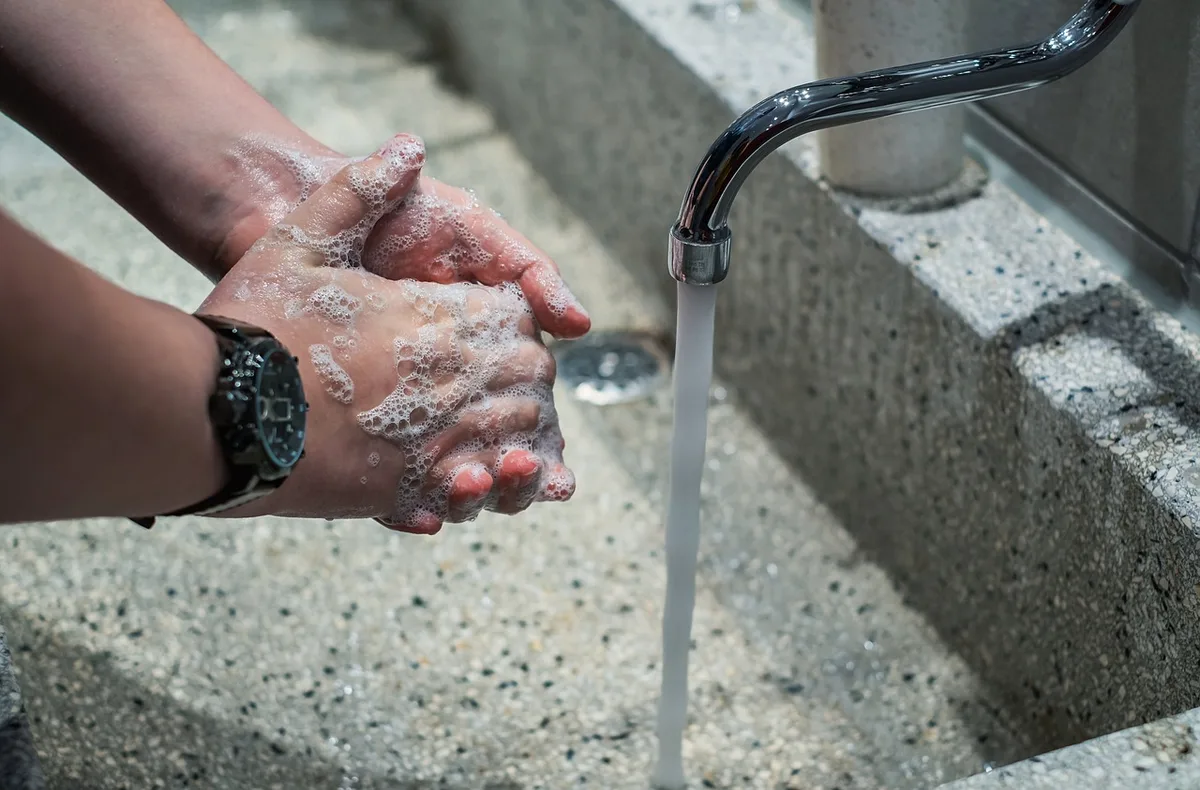
Hold each cleaned element under a stream of clean running water. Continue rinsing until you can no longer see any visible particles washing away. Make sure no residual grit remains attached to the filter surface. This step ensures that when you reassemble the system, you're not reintroducing the very things you just removed.
Step 4: Putting Your Berkey Back Together
With clean elements, it’s time to reassemble your Berkey water filtration system and get it ready for use again.
- Reinstall Elements: Carefully screw or slide the now-clean filter elements back into their positions in the upper chamber. Ensure they are seated snugly and correctly.
- Rejoin Chambers: Place the upper chamber back onto the lower chamber.
- Prime if Necessary: Depending on model and how long the elements have been out of use and dried, a priming process might be required. Refer to your specific Berkey model's manual for detailed priming instructions. For many standard cleanings where elements aren't left to dry for extended periods, priming may not be needed.
Essential Berkey Cleaning Don'ts: Mistakes to Avoid
While cleaning your Berkey filters is straightforward, there are a few critical errors that can actually harm your system or compromise the water quality. Avoiding these pitfalls is just as important as knowing the cleaning steps themselves.
- Never Use Soap or Detergents: This is perhaps the most critical rule. Soaps and detergents contain chemicals that can soak into the porous filter material and be extremely difficult to wash out completely. They can then leach into your purified water, affecting its taste and, more importantly, potentially introducing unwanted substances into the water you drink. Stick strictly to water and gentle mechanical scrubbing.
- Don't Use Abrasive Scrubbers: While you need to scrub, using overly harsh materials like steel wool or stiff wire brushes can scratch and damage the surface of the Berkey elements. This can create micro-cracks or alter the texture of the ceramic, which may reduce its filtering efficiency or even create new pathways for unfiltered water to pass through. A soft Scotch-Brite pad (non-scratch) or a soft cloth is your best bet.
- Avoid Over-Scrubbing: You're removing surface gunk, not trying to polish the element to a mirror shine. Excessive force or prolonged, aggressive scrubbing can wear down the filter material over time. Gentle, consistent action is key.
- Don't Forget the Washers/Gaskets: If your elements use rubber washers or gaskets, check them for wear and tear during the cleaning process. Damaged seals can lead to leaks and affect the system's efficiency. Consider replacing them if they appear cracked or flattened.
- Don't Ignore Flow Rate Reduction: If your water flow slows significantly, it's usually a sign that your filters need cleaning. Ignoring this symptom will eventually lead to diminished purification as the filter becomes overwhelmed.
How Often Should You Really Clean Your Berkey Filters?
The frequency of cleaning your Berkey water filter elements isn't set in stone by a calendar date. Instead, it's dictated by the quality of your source water and how heavily you use your system. It’s more about observing the system’s performance than following a strict schedule.
General Guidelines:
- Visual Cues: The most obvious indicator is a noticeable reduction in the water flow rate from the upper chamber to the lower chamber. If it seems to be taking much longer for the upper chamber to drain, it's time to clean.
- Water Source: If you're using water that is known to be high in sediment (e.g., well water, water after heavy rains), you may need to clean your elements more frequently, perhaps every few weeks. For cleaner municipal water, you might go months between cleanings.
- Usage Volume: A household that uses a lot of filtered water will naturally clog filters faster than a single person using just a few glasses a day.
- Manufacturer Recommendations: While not a strict schedule, many Berkey manuals suggest inspecting the elements periodically and cleaning them when flow rate drops. Aggregate user feedback often points to cleaning roughly every 3-6 months for typical home use with decent quality water.
Essentially, it's a responsive maintenance task. Pay attention to your Berkey’s performance, and it will tell you when it needs a little TLC.