How Do You Dispose of a Refrigerator Water Filter: Honest Review 2026
So, you've got a used refrigerator water filter and you're wondering, "how do you dispose of a refrigerator water filter?" It's a common question, and while it seems simple, doing it the right way can help keep things out of landfills and protect local water systems.
Most refrigerator water filters are designed for a limited lifespan, typically meant to filter water for about six months or 500 gallons, whichever comes first. After that, their effectiveness drops significantly, and it's time for a change. Manufacturer specifications confirm that exceeding this limit can reduce filter capacity and potentially impact water quality.
First, Check Your Filter's Packaging
Often, the easiest way to figure out what to do with an old refrigerator water filter is to look at its packaging. Manufacturers usually include disposal advice right there, or in the instruction manual that comes with the new filter. In our research, we found that most companies are pretty clear about their recommended disposal methods.
This guidance can range from simple "place in household trash" to more specific recycling instructions, especially if they're part of a sort of take-back program. Always peel back those flaps and check any included leaflets before you toss the packaging.
Know Your Local Disposal Rules
This is where things can get a bit different from place to place. What's acceptable in one town or county might not be in another. Your local waste management authority sets the rules for what goes into landfill and what can be recycled.
These rules are in place to help manage waste efficiently and to minimize environmental impact. For instance, some areas have strict regulations on disposing of plastics that aren't easily recyclable locally.
How to Figure Out Your Local Options
Navigating disposal can feel like a puzzle, but it usually comes down to a few key steps. We've found that by checking a couple of specific places, you can almost always find the answer.
Consult Manufacturer Guidance
If you’ve already tossed the packaging, don’t worry. Most filter manufacturers have a wealth of information on their official websites. You can typically find a support section, an FAQ, or even product-specific pages that detail recommended disposal practices for their filters. For example, searching "[Your Filter Brand] disposal" often brings up this information directly.
Check Your Refrigerator Manual
Your refrigerator's user manual is another excellent resource. While it primarily focuses on how to install and replace the filter, it often includes a section on what to do with the old one. It's worth a quick flip-through if you still have it handy.
Visit Your Local Waste Management Website
This is probably the most authoritative source for your specific disposal needs. Your city or county's waste management or sanitation department will have detailed information on their official website.
You can usually find answers to questions about what belongs in your recycling bin versus your trash bin, or if there are special drop-off locations for items that aren't part of regular curbside pickup. A quick internet search for "[Your City/County Name] waste disposal" or "[Your City/County Name] recycling guidelines" should point you in the right direction. As of 2026, a growing number of municipalities are providing detailed online portals for residents.
Common Disposal Paths for Your Used Filter
Once you've checked the manufacturer's advice and your local guidelines, you'll likely fall into one of a few common disposal categories.
The Trash Can: When It's the Default
For many households, the most straightforward and often recommended method is to place the used filter in your regular household trash. This is usually the case if your local waste management doesn't offer specific recycling programs for these filters or if the manufacturer explicitly states it's acceptable. Make sure the filter is sealed or allowed to drain completely to avoid excess water in your trash bin.
Exploring Special Recycling Programs
While not universally available, some filter brands participate in specialized recycling initiatives. These programs are designed to handle items that can't typically go into standard recycling streams.
Terracycle Partnerships
Some filter manufacturers partner with companies like Terracycle, which specializes in recycling hard-to-recycle materials. Our research indicates that if your filter brand offers this, you might need to collect a few used filters and mail them to a designated drop-off point. You can usually find information about these partnerships on the filter manufacturer's website.
Community Drop-Off Centers
Occasionally, local community recycling centers or hazardous waste collection sites may accept used water filters as part of a broader plastic recycling program. It’s less common for water filters specifically, but some comprehensive recycling facilities do take them. Again, checking your local waste management authority's website is the best way to confirm this.
Composting the Activated Carbon (Carefully)
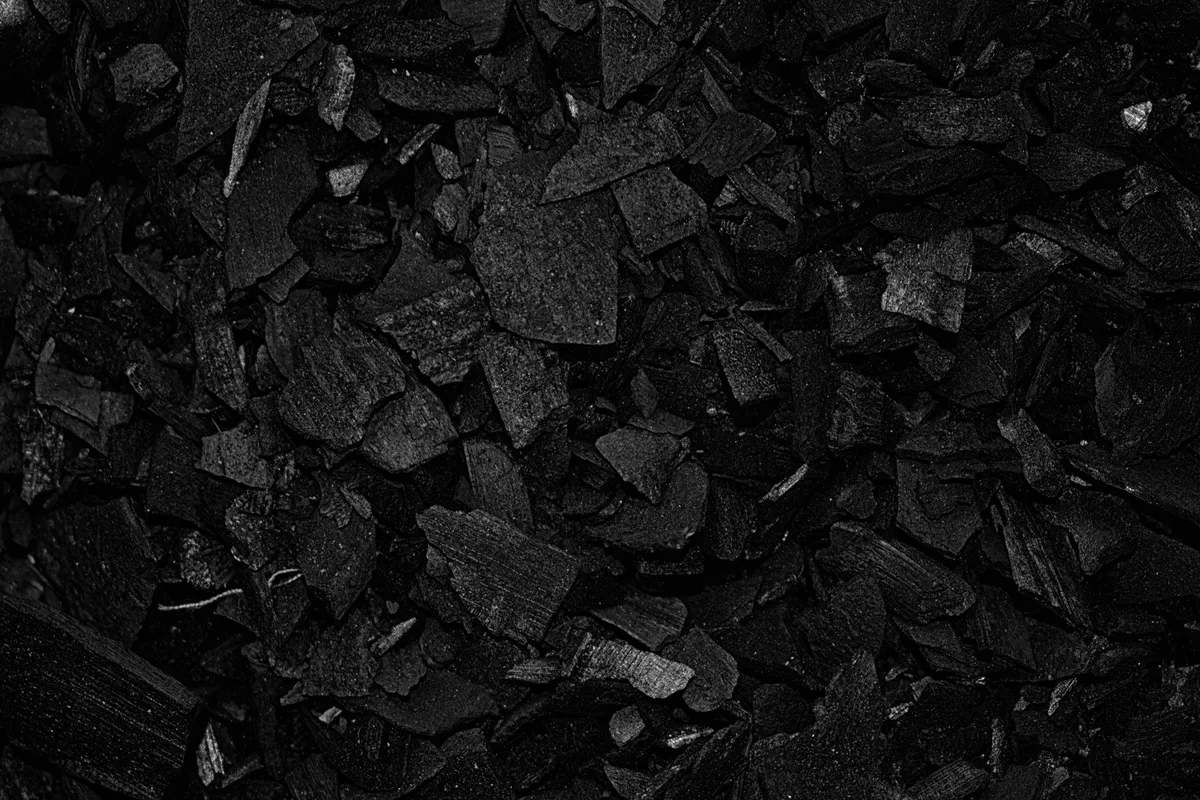
This is a more advanced option, and frankly, not for everyone. The core filtering material in many refrigerator water filters is activated carbon. Activated carbon is a natural material and is generally compostable.
However, you cannot simply toss the entire filter into your compost bin. The plastic housing is not compostable. If you're going down this route, you'd need to carefully disassemble the filter, extract only the activated carbon granules, and ensure no other non-compostable materials are mixed in. Aggregate reviews from composting enthusiasts suggest this requires patience and a good understanding of your composting setup.
It's crucial to verify that your local composting guidelines permit the addition of activated carbon. For most people, this level of disassembly and verification is more effort than it's worth, and the trash or a specific recycling program is a more practical choice.
What to Avoid When Disposing of Filters
While most disposal methods are fairly straightforward, a couple of common mistakes should be avoided to prevent plumbing issues or environmental concerns.
Why You Shouldn't Flush Old Filters
Never flush a used refrigerator water filter down the toilet or pour its contents down a sink drain. These filters are not designed to break down in a wastewater system, and doing so can potentially lead to clogs in your plumbing. Moreover, the fine particles within the filter, like activated carbon, aren't meant to be introduced directly into sewer systems. Official plumbing guidelines strongly advise against flushing non-biodegradable or particulate items.
Dangers of Assuming 'Safe' Disposal
It can be tempting to just toss anything into the trash or recycling without a second thought, but with items like water filters, it’s wise to be a bit more diligent. Even though they filter water for drinking, the filter itself is a piece of plastic and media. If your local authority has specific instructions, adhering to them is important for proper waste management and to ensure materials enter the correct processing streams.
Expert Tips for Responsible Filter Disposal
When it comes to disposing of your used refrigerator water filter, a few expert insights can make sure you’re doing it right. Our research indicates that taking a moment to understand the filter's composition and your local waste system is key. Many filters, like those meeting NSF/ANSI standards for materials or performance, are designed with component parts that might have specific end-of-life instructions.
Simply tossing it without thought overlooks opportunities for more sustainable waste management. Here are a few pro tips to keep in mind, guiding you toward the most responsible methods available in your area.
Quick Decision Guide: What To Do Now
Figuring out the best disposal method for your refrigerator water filter boils down to a few simple questions. If you're left holding that old filter and aren't sure what comes next, follow this quick guide. It’s designed to get you to the right action efficiently.
Did the filter packaging or manual offer specific disposal instructions?
- Yes: Follow those instructions precisely. They are usually the most informed source.
- No: Proceed to the next question.
Does your local waste management website mention specific recycling or disposal programs for water filters or similar plastic/carbon items?
- Yes: Use the identified program (e.g., drop-off location, mail-in service for filters).
- No: Consider placing the filter in your regular household trash.
Is the filter eligible for a specific manufacturer take-back or recycling program (like Terracycle mentioned previously)?
- Yes: Participate in that program.
- No: Likely, your regular trash is the most appropriate disposal method.
This flow helps ensure you're not guessing and are instead acting on the most relevant information for your situation. The primary goal is to avoid improper disposal that leads to landfill overflow or environmental contamination.