What Does Pur Water Filter Remove (2026) — Worth Your Money
If you've ever wondered exactly what contaminants are lurking in your tap water, you're not alone. Many people reach for a filter to improve taste, odor, or specific health concerns. Understanding what a PUR water filter effectively tackles is key to making an informed decision for your home's water.
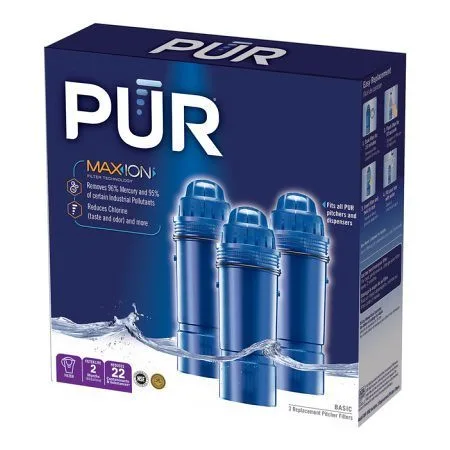
Our research indicates that PUR filters are designed to reduce several common impurities you might find in municipal or well water. For instance, they often meet NSF/ANSI Standard 53 for lead reduction, meaning they've been independently tested to significantly lower lead levels, a critical factor for many households.
Understanding Common PUR Filter Contaminants
PUR offers various filtration systems, from pitchers to faucet attachments, and their effectiveness often hinges on the specific model and its certified performance. However, there are several core contaminants that most PUR filters are designed to reduce, aiming to make your tap water more palatable and safer.
Chlorine Taste and Odor: Fresher Water, Better Taste
One of the most immediate benefits people notice from a PUR filter is the improvement in taste and smell. Chlorine is a common disinfectant used in public water supplies to kill harmful bacteria, but it can leave a distinct chemical taste and smell that many find unpleasant. PUR filters use activated carbon to adsorb, or trap, these chlorine molecules. This process significantly reduces the chlorine content, leaving your water tasting clean and neutral.
Lead Reduction: A Critical Health Concern
Lead can be a serious health hazard, especially for children and pregnant individuals. It often leaches into water from older plumbing materials like lead pipes or solder. Many PUR filters are specifically certified to reduce lead by a substantial amount, often meeting stringent standards set by organizations like NSF International. Per NSF/ANSI 53 testing, these filters can lower lead concentrations to levels considered safe for drinking water.

Heavy Metals & Other Impurities Caught
Beyond lead, PUR filters can also help reduce other potentially harmful heavy metals, such as mercury and cadmium, which can enter water systems through industrial pollution or natural deposits. The activated carbon and specialized media within these filters work to capture a range of dissolved contaminants. While the exact list of reduced heavy metals can vary by filter model, this broad-spectrum reduction is a significant advantage for improving overall water quality.
Microplastics: A Growing Concern Addressed
Microplastics, tiny fragments of plastic smaller than 5 millimeters, are an emerging concern in water sources worldwide. Research is continuously exploring the presence and impact of these particles. Some PUR faucet filters, for example, have been tested and shown to reduce microplastics. This capability addresses a developing health and environmental issue, providing an additional layer of reassurance for consumers.
Pesticide Reduction: Addressing Agricultural Runoff
Depending on your geographic location and local water sources, pesticides from agricultural runoff can sometimes find their way into drinking water supplies. PUR filters are often certified to reduce certain common pesticides. This feature is particularly relevant for those living in or downstream from agricultural areas, helping to mitigate potential exposure to these chemical contaminants.
What PUR Filters Don't Typically Remove
While PUR filters excel at reducing a range of common contaminants, it's crucial to understand their limitations to have realistic expectations. They are not designed to be a one-size-fits-all solution for every water impurity.
Dissolved Solids and Minerals: What's Left Behind
If your goal is ultra-pure water with absolutely no dissolved minerals, a standard PUR filter might not be what you need. These filters are not designed to significantly reduce dissolved solids (TDS), which include beneficial minerals like calcium and magnesium, as well as salts. Removing TDS typically requires more advanced systems like reverse osmosis, which can strip almost everything out of the water, often leaving it tasting flat. PUR filters aim for contaminant reduction, not complete demineralization.
Viruses and Bacteria: When You Need More
Standard PUR pitcher and faucet filters are generally not certified to remove viruses and bacteria. While the initial disinfection of tap water by municipalities aims to kill microbes, and chlorine reduction by the filter can play a minor role in maintaining that, these filters are not designed for microbial sterilization. If you are concerned about potential microbial contamination in your water supply, you would need a filter specifically designed for virus and bacteria removal, often featuring much finer pore sizes or UV purification technology.
How PUR Filters Work: The Science Behind the Clean
PUR water filters achieve their contaminant reduction through a combination of filtration media and physical processes. Most commonly, these systems employ activated carbon, which has a porous structure that provides a massive surface area for trapping impurities. As water flows through the filter, contaminants like chlorine and certain organic compounds get adsorbed onto the carbon’s surface.
Filter Media and Technologies
Beyond activated carbon, many PUR filters also include ion-exchange resins. These resins are designed to attract and hold specific dissolved ions. For instance, they are particularly effective at swapping out lead ions from the water and binding them to the resin, thereby significantly reducing lead levels. This multi-stage filtration approach allows PUR to tackle a broader range of contaminants more effectively than a single-stage filter might.
Key Performance Metrics: Understanding Certifications and Lifespan
When choosing a water filter, understanding its performance metrics is just as important as knowing what it can remove. Certifications provide independent verification of a filter's claims, and adhering to replacement schedules ensures it continues to function as intended.
NSF/ANSI Standards Explained
Manufacturers often seek certification from organizations like NSF International (NSF) and the American National Standards Institute (ANSI) to validate their product's performance. Primarily, PUR filters are tested against standards such as NSF/ANSI 53, which sets the requirements for health effects, focusing on the reduction of specific contaminants like lead, mercury, and certain volatile organic compounds (VOCs). Another relevant standard is NSF/ANSI 42, which pertains to the aesthetic effects of water treatment, mainly taste and odor reduction, including chlorine.

As of 2026, these certifications remain a critical benchmark for consumers looking for dependable water filtration. Always check the product packaging or the manufacturer's documentation for the specific NSF/ANSI standards a particular PUR filter has been certified for.
Choosing the Right Filter Lifespan
Every PUR filter cartridge has a finite lifespan, typically measured in gallons filtered or months of use, whichever comes first. Manufacturer specifications will state this limit clearly, for example, a filter might be rated for 40 gallons or three months. Exceeding this limit means the filter media can become saturated, reducing its ability to capture contaminants and potentially leading to less effective filtration. Replacing your filter on schedule is vital for maintaining the stated performance.
When and For Whom is a PUR Filter Best?
PUR water filters are a popular choice for many households, but they're particularly well-suited for specific situations and user needs. Identifying these use cases helps you determine if a PUR system aligns with your water quality goals.
Ideal Use Cases for PUR Filters
These filters shine when your primary concerns are improving the taste and smell of tap water, particularly those affected by chlorine. If you're in an older home or a region with known lead contamination issues, a PUR filter certified for lead reduction offers significant peace of mind. They are also a convenient option for those who want to reduce their reliance on bottled water for everyday drinking and cooking, providing filtered water directly from the tap or pitcher.
Who Should Consider a PUR Filter?
A PUR filter is an excellent starting point for individuals and families looking for a straightforward, effective way to enhance their everyday drinking water. They are a solid choice for renters who can't modify plumbing or homeowners seeking a less invasive filtration solution than under-sink or whole-house systems. If your main concerns are aesthetic, like chlorine taste, or health-related, like lead reduction, a PUR filter typically meets those needs efficiently.
Common Mistakes and Misconceptions About PUR Filters
Even with a reliable brand like PUR, users can sometimes fall into common traps that diminish the effectiveness of their filtration system. Understanding these potential missteps can help you get the most value and performance from your filter.
Overestimating Removal Capabilities
A frequent mistake is assuming that a PUR filter can tackle every single contaminant found in water. As discussed, while they reduce chlorine, lead, and some other metals, they are not designed to remove viruses, bacteria, or all dissolved solids. Relying on a PUR filter for microbial safety if your water source is questionable, for instance, would be a critical oversight. Always cross-reference filter capabilities with your specific water quality concerns and local water reports.
Forgetting Filter Replacement Schedules
Perhaps the most common error is failing to replace the filter cartridge at the recommended interval. Filters are not "forever" solutions; their media gets exhausted. Once a filter reaches its capacity, it stops effectively removing contaminants and can even stop filtering altogether, or in rare cases, release trapped substances back into the water. Adhering to the gallon or time limit specified by the manufacturer ensures your PUR filter continues to perform as certified.
Alternatives to PUR If Your Needs Differ
While PUR filters offer excellent performance for many common water issues, they aren't always the best fit for every situation. If your water quality reports highlight different concerns or you have more specialized needs, exploring alternative filtration methods might be necessary.
When to Consider Other Filtration Methods
If your primary concern is significantly reducing Total Dissolved Solids (TDS), then a reverse osmosis (RO) system would be a more appropriate choice. RO systems force water through a semi-permeable membrane, removing a much higher percentage of dissolved substances, including minerals and salts. For microbial contamination, look for filters specifically certified for bacteria and virus removal, which often involve much finer filtration levels or UV sterilization. If you're dealing with very hard water (high in calcium and magnesium) and want to prevent scale buildup in appliances, a water softener might be a better investment than a standard PUR filter.
These alternatives often involve more complex installation and a higher cost but are tailored to address more specific or severe water quality challenges.