How Often Should You Change Water Filter Brita: 2026 Guide
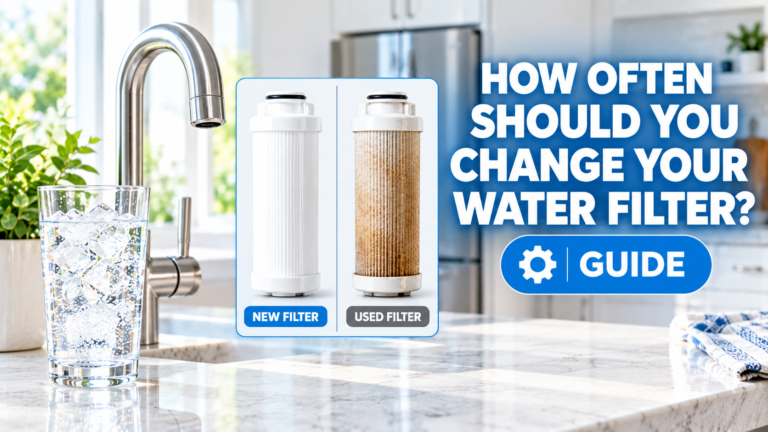
You should change your Brita water filter every 40 gallons or roughly every two months, depending on your household's water usage and the model you own.
That simple answer can save you from drinking water that isn't as fresh or clean as you think. Knowing when to swap out your Brita filter isn't just about following a schedule. It's about making sure every glass you pour is worth the trust you place in your pitcher. I've been using Brita filters for years, and I've learned that a forgotten filter is like a silent saboteur. It quietly stops doing its job while you assume everything's fine. Let me walk you through everything you need to know so you never have to wonder again.

Understanding Brita Filter Replacement Schedules
Brita filters don't last forever. Each one has a specific lifespan based on how much water it can clean before it loses effectiveness. Most standard Brita pitcher filters are designed to handle around 40 gallons of water. That's roughly two months for an average household.
But your situation might be different. If you have a larger family or drink a lot of water daily, you could hit that 40-gallon mark much faster. On the flip side, if you live alone and only use your pitcher occasionally, your filter might last closer to three months.
The key is understanding that filter life isn't just about time. It's about volume. Brita themselves recommend replacing filters every 40 gallons or every two months, whichever comes first. This dual guideline exists because filters degrade both through use and through time sitting in water.
Here's what affects your filter's lifespan:
- Household size
- Daily drinking habits
- Initial water quality in your area
- Type of Brita filter you use
- Whether you keep the pitcher refrigerated
Signs Your Brita Filter Needs Changing
Sometimes your filter will tell you when it's time. You just need to know what to look for.
Change in Water Taste
The most obvious sign is flavor. Fresh Brita filters produce clean, crisp water. As filters age, you might notice your water taking on a slightly flat or stale taste. Some people even report a metallic flavor. If your water doesn't taste as fresh as it used to, that's your filter waving a white flag.
Slower Water Flow
Have you noticed your water taking forever to drip through? A clogged filter is a tired filter. When the activated carbon and ion-exchange resin inside get saturated with contaminants, water struggles to pass through. This is a clear physical signal that replacement time has come.
Visible Discoloration or Particles
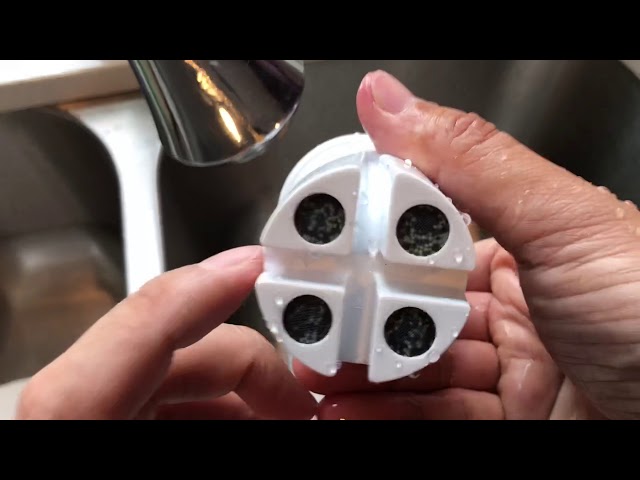
Take a peek at your filter. If you see dark patches or particles in the water after filtering, that's not normal. Old filters can start breaking apart or releasing trapped materials back into your water. This is a definite sign to swap it out immediately.
Filter Indicator Light
Many newer Brita pitchers come with built-in electronic indicators. These small devices track time and usage to tell you exactly when to change your filter. If your indicator is flashing or has changed color, trust it. It's doing the math so you don't have to.
Odor in the Filtered Water
Water should have no smell after filtering. If you detect any musty, earthy, or chemical odors, your filter has likely reached its capacity. The carbon that removes chlorine and other odor-causing compounds is no longer working effectively.
Different Brita Filter Types and Their Lifespans
Not all Brita filters are created equal. Different models have different lifespans based on their technology and capacity.
Standard Brita Pitcher Filters
These are your classic blue or white filters. They're designed to last for 40 gallons. For most people using about 1.5 gallons per day, that's about 27 days, or roughly one month. However, Brita officially recommends two months because many people don't use that much water daily.
Brita Longlast Filters
These are the marathon runners of the Brita family. They last for 120 gallons, which means about six months for the average user. They're more expensive upfront but actually cost less per gallon filtered. If you want fewer filter changes, these are your best bet.
Brita Stream Filters
Designed for Brita stream pitchers, these typically last about 40 gallons or two months. They're similar to standard filters but optimized for faster pouring.
Brita Bottle Filters
If you use a Brita water bottle, those filters usually need replacing every 40 gallons or roughly every two months. Some bottle filters last up to 100 gallons, so always check your specific model.
Brita Faucet Filters
These attach directly to your tap and typically need replacement every 100 gallons or about four months. They're convenient but more expensive to maintain.
Why Changing Your Brita Filter on Time Matters
You might think using a filter longer saves money. Actually, it can cost you more in the long run.
Health Implications
Old filters don't just stop working. They can become breeding grounds for bacteria. Once the carbon and other filtering materials are saturated, they can release trapped contaminants back into your water. This is called desorption, and it's the opposite of what you want from a filter.
Water Quality Decline
A filter past its prime isn't removing what it should. Chlorine, lead, copper, and mercury can pass through an exhausted filter. You might as well be drinking unfiltered tap water, which defeats the entire purpose.
Filter Performance Issues
As filters age, they can develop channels where water flows through without being properly filtered. This means you're getting water that bypassed the cleaning process entirely. The filter might look fine, but it's not doing its job.
Taste and Smell Problems
An old filter can make your water taste worse than unfiltered tap water. This happens when trapped materials start breaking down or when bacteria begin growing in the filter media.
How to Track Your Brita Filter Life
Staying on top of filter changes doesn't have to be complicated. Here are some practical ways to remember.
Use the Brita App or Indicator
If your pitcher has an indicator, use it. These devices are remarkably accurate and take the guesswork out of replacement timing.
Set Phone Reminders
This is what I do personally. Set a recurring reminder every 60 days. When it goes off, change your filter. Simple, effective, and impossible to forget.
Mark Your Calendar
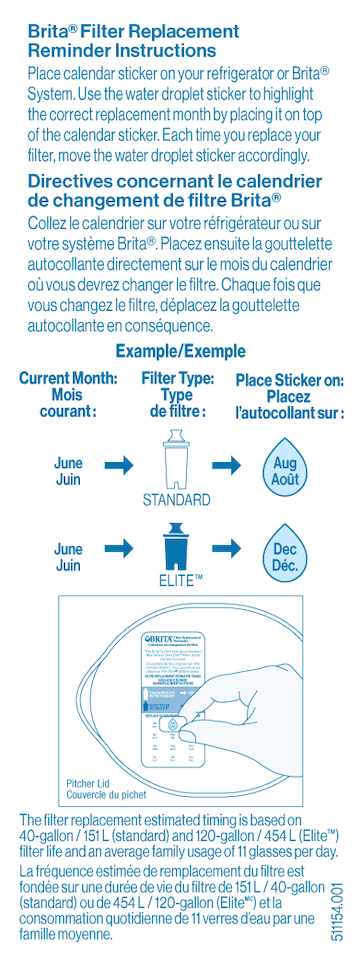
Old school but reliable. Put a sticker on your Brita pitcher with the date you installed the new filter. When that date approaches, you'll know it's time.
Keep Spare Filters
Buy filters in advance. Having extras on hand means you'll never delay a needed change. I keep two spare Longlast filters at all times. When one goes in, the empty package reminds me when the next one is due.
Note Your Water Usage
If you go through water quickly, track it. Some people mark their filter or keep a small log. This is especially helpful if you have a large family or use filtered water for cooking.
Common Mistakes People Make with Brita Filters
Through years of experience and conversations with other users, I've noticed some recurring mistakes.
Waiting Too Long
The most common mistake is simply forgetting. People install a filter and then assume it's working forever. Filters have limits. Ignoring those limits means you're not getting filtered water at all.
Using Expired Filters After Storage
Filters have shelf lives too. If you buy filters in bulk, check them. Brita filters can degrade while sitting in your cupboard, especially in humid conditions.
Not Pre-Soaking New Filters
Many people skip this step. New Brita filters need to be soaked in cold water for 15 minutes before first use. This activates the carbon and removes any loose particles. If you skip this, your first few glasses might taste like carbon dust.
Ignoring the Pitcher Cleanliness
Your filter is only part of the equation. If your pitcher is dirty, your water will be too. Clean your pitcher every time you change the filter. A quick wash with mild soap and water keeps everything fresh.
Using Hot Water
Never run hot water through your Brita filter. Hot water can damage the filtering media and release trapped materials. Always use cold water for best results and filter longevity.
My Personal Experience with Brita Filter Changes
I've been using Brita pitchers for over a decade now. Early on, I made the mistake of assuming my filter was fine because the water looked clean. Then I noticed my coffee started tasting weird and my ice cubes had a strange odor. That was my filter telling me it was time.
Now I have a system. Every first Sunday of the month, I check my Brita. If the filter has been in for more than two months, it gets replaced. I also switched to Longlast filters, which means I only have to remember every six months instead of every two.
The difference in water quality is noticeable. Fresh filters make water taste crisp and clean. Old filters make it taste like you're drinking from a swimming pool. Once you experience the difference, you'll never want to go back.
Tips for Making Your Brita Filter Last Longer
While you should never extend a filter past its recommended lifespan, you can maximize each filter's effectiveness.
Store Filters Properly
Keep spare filters in a cool, dry place. Avoid humid areas like under the sink. Heat and moisture can degrade filter components.
Don't Let the Pitcher Sit Empty
If your pitcher runs dry, refill it promptly. Letting the filter sit dry for extended periods can reduce its effectiveness.
Keep the Pitcher Refrigerated
Cold temperatures slow bacterial growth in the filter. If you don't use your filtered water quickly, refrigerate it.
Replace the Filter on Schedule
This sounds counterintuitive in a section about making filters last, but it's the best tip. Following the recommended schedule ensures you always have a working filter. Sticking to the schedule means you're not trying to stretch a filter that's already past its prime.
Environmental Considerations
Changing your filter regularly is actually better for the environment. Here's why.
Less Wasted Water
An old filter can develop clogs that slow water flow. This leads to people leaving pitchers running longer or wasting water that doesn't filter properly.
Better for Recycling Programs
Brita has a filter recycling program through TerraCycle. Used filters can be recycled instead of going to landfills. Regular filter changes mean you're participating in this program consistently.
Reduced Plastic Bottle Use
A working Brita filter reduces your need for bottled water. This is one of the best environmental benefits. An old filter that doesn't work properly might drive you back to buying bottled water.
What Happens If You Don't Change Your Brita Filter
I touched on this earlier, but it's worth expanding. Skipping filter changes has real consequences.
Bacterial Growth
Old filters can harbor bacteria. Once the carbon is saturated, it can't inhibit microbial growth anymore. Your filter becomes a petri dish instead of a cleaning device.
Reduced Contaminant Removal
An exhausted filter removes fewer contaminants. Studies show that filters past their lifespan can remove as little as 10% of certain contaminants compared to fresh filters.
Possible Health Risks
While Brita filters aren't designed to remove all contaminants, they do reduce specific ones. An old filter means you're exposed to more chlorine, lead, and other substances than you think.
Bad Taste and Smell
Your water will simply taste worse. This might seem minor, but if it drives you to drink less water, it becomes a health issue.
When to Replace Your Brita Pitcher Entirely
Filters aren't the only consideration. Your pitcher itself needs attention.
Cracks or Damage
If your pitcher is cracked or damaged, replace it. Bacteria can hide in cracks and contaminate your water no matter how fresh your filter is.
Cloudy Plastic
Over time, plastic pitchers can become cloudy or stained. This is cosmetic, but it can also indicate buildup of minerals or bacteria. Consider replacing the pitcher.
Old Age
If your pitcher is more than five years old, it might be time for an upgrade. Newer models have better filtration and indicator features.
FAQ
How do I know which Brita filter I have?
Check your filter packaging or look at the filter itself. Brita filters are clearly labeled. The most common are the blue Standard filters, white Longlast filters, and the specific Stream filters. Your pitcher manual will also tell you which filters are compatible.
Can I use a Brita filter past the two-month mark if it still works?
You can, but you shouldn't. Filters lose effectiveness gradually. Even if water still flows through, it might not be removing contaminants properly. Stick to the recommended schedule for best results.
Do Brita filters need to be refrigerated?
The filters themselves don't need refrigeration, but keeping your filled pitcher in the fridge extends the life of your filtered water. Filters stored in a hot environment can degrade faster.
Is it bad to drink water from an old Brita filter?
It's not ideal. An old filter may not remove contaminants effectively and could harbor bacteria. It's better to drink tap water than water from an expired filter.
Can Brita filters make you sick?
Properly maintained Brita filters don't make people sick. However, neglected filters can grow bacteria that might cause illness. Always follow the recommended replacement schedule.
Conclusion
Changing your Brita filter every 40 gallons or two months keeps your water clean, safe, and great-tasting. Your filter works hard to remove chlorine, lead, and other contaminants, but it can only do its job for so long. Pay attention to changes in taste, flow rate, and smell. These are your filter's ways of communicating with you.
I've learned through experience that the small effort of regular filter changes pays off in better-tasting water and peace of mind. Set a reminder, buy spare filters, and trust the process. Your body will thank you for every fresh, clean glass.
Ready to upgrade your water game? Check your Brita filter today and mark your calendar for the next replacement. If you found this helpful, share it with someone who might be wondering the same thing. And if you have questions or your own tips, drop them in the comments below.