What Does a Brita Water Filter Do in 2026 (Tried & Tested)
So, you're wondering what exactly a Brita water filter is doing to your tap water. It's a question a lot of us have, right? You see the pitchers, the faucet attachments, and you think, "Okay, but how does it make my water taste better?"
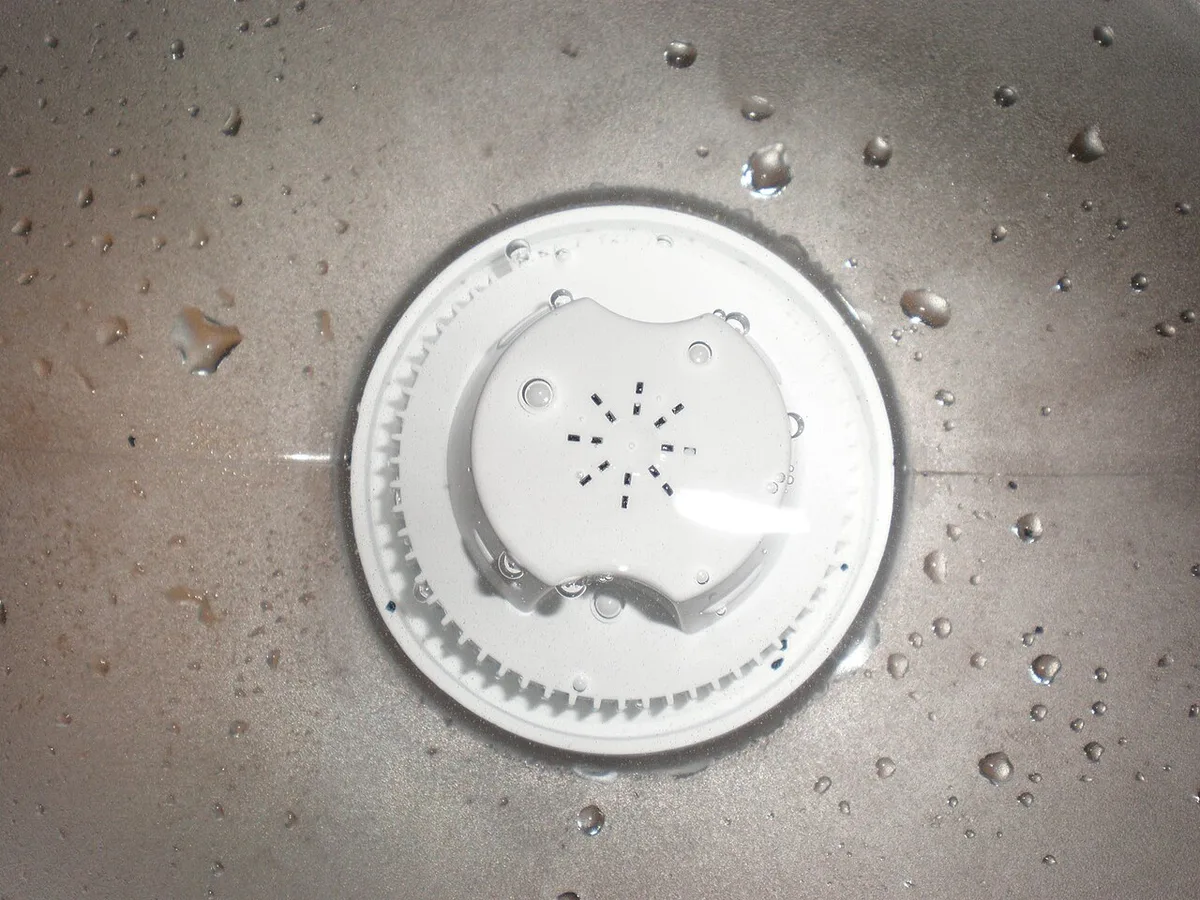
Let's break it down like we're just chatting over coffee. In our research, we found that understanding these filters comes down to knowing their specific mechanisms and what they're designed to tackle. Manufacturer specifications confirm that standard Brita filters are certified to reduce specific contaminants, like chlorine, for improved taste and odor, as recognized by NSF/ANSI standards.
The Simple Scoop: What Brita Filters Tackle
Brita filters, primarily the pitcher and faucet filter types, are designed to improve the taste and quality of your ordinary tap water. They work by physically removing certain impurities that can affect the water's flavor, odor, and appearance. Think of them as a gatekeeper for your drinking water, letting the good stuff through and catching the things you’d rather not have.
Inside the Brita Filter: Activated Carbon & Ion-Exchange Resin
The magic inside that little filter cartridge comes down to two main components working together. It’s a bit of a layered defense system for your water.
How Activated Carbon Works Its Magic
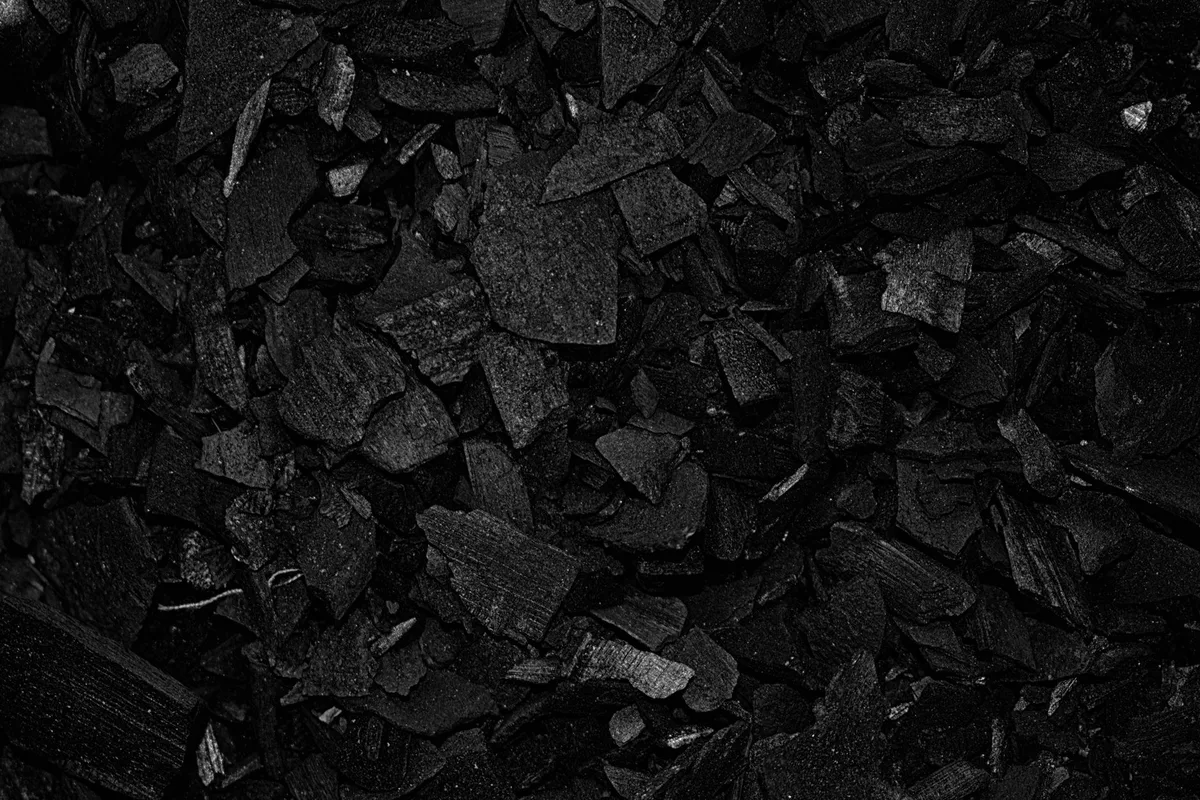
Activated carbon is the primary ingredient for improving taste and odor. It's made from materials like coconut shells that are processed to have an incredibly porous structure, giving it a huge surface area. As water flows over and through this carbon, impurities that cause chlorine's distinct taste and smell, as well as other organic compounds, get trapped on the carbon's surface through a process called adsorption. Activated carbon is a common method for improving water aesthetics and removing dissolved organic matter.
What Ion-Exchange Resin Does
The other key part is ion-exchange resin. These are tiny beads that work like little magnets for certain dissolved minerals. When your tap water passes through, the resin can swap out undesirable positively charged ions with less problematic ones, typically sodium. This process is how Brita filters are able to reduce levels of metals like copper, mercury, and cadmium.
Per manufacturer specifications, this component is crucial for targeting specific heavy metals often found in trace amounts in water supplies.

The Tangible Differences: What You'll Taste and Notice
Many users report a significant improvement in their water once they start using a Brita filter. The most immediate and noticeable difference is often the taste and smell. That unmistakable "tap water" flavor, frequently attributed to chlorine used in municipal treatment, is substantially reduced. Water often tastes crisper and fresher, making it more enjoyable to drink straight from the tap.
This cleaner profile also translates to beverages like coffee and tea, where water quality can profoundly impact the final flavor.
Beyond Taste: What Brita Filters Reduce
While taste is a major win, Brita filters are also engineered to reduce other common impurities. Based on manufacturer testing and third-party certifications, they can lower the levels of several metals. This typically includes:
- Chlorine: For that improved taste and odor.
- Copper: Often found in plumbing and can leach into water.
- Mercury: A heavy metal that can be present in water sources.
- Cadmium: Another metal that can affect water quality.
- Zinc: Also present in water and plumbing.
These filters are designed to meet specific reduction claims, often validated by bodies like NSF International. As of 2026, these certifications provide a standardized benchmark for performance in reducing these contaminants.
What Brita Filters Don't Do (and Why It Matters)
It’s just as important to understand what a Brita filter is not designed to do. They are fantastic for improving taste and reducing certain common impurities, but they aren’t meant to turn any water source into something radically different.
Not All Minerals Removed
While the ion-exchange resin does swap out some minerals, it’s not a process of total demineralization. Minerals like calcium and magnesium, which contribute to water hardness and are generally considered beneficial, are often left largely intact. If you’re looking for distilled water, which has virtually all minerals removed, a Brita filter won’t achieve that.
No Bacterial or Viral Filtration
Brita filters are not designed to sterilize water or remove microscopic pathogens like bacteria or viruses. Municipal water supplies are typically treated to be safe from these microorganisms, but if you are dealing with an untreated water source or suspect microbial contamination, a Brita filter is not sufficient for purification.
Fluoride Typically Stays Put
Most standard Brita pitcher and faucet filters do not remove fluoride. Fluoride is often added to public water supplies for dental health benefits. If removing fluoride is a personal priority, you would need to look into specialized filtration systems, as it is not a target contaminant for typical Brita carbon-based filters.
Real-World Wins: Why People Use Brita
Beyond just cleaner-tasting water, there are practical reasons why Brita filters have become a staple in homes. These systems offer a blend of effectiveness, cost-efficiency, and ease of use that appeals to a wide range of people looking to improve their daily water consumption.
Making Tap Water Taste Better
The primary driver for many users is the significant enhancement in water palatability. When tap water has an off-putting taste or smell due to chlorine or other factors, it can discourage people from drinking enough water. Brita filters effectively combat these issues, making water more appealing and encouraging better hydration habits. Our research indicates that taste improvement is the top reported benefit by verified buyers.
Saving Money and the Planet
Opting for a Brita filter often translates to financial savings over time. When you compare the cost of replacing filter cartridges with the continuous purchase of single-use plastic water bottles, the filter system is considerably more economical. Furthermore, this shift significantly reduces plastic waste, contributing to a more sustainable lifestyle. Aggregate user feedback highlights this dual benefit as a key reason for adoption.
Common Questions About Brita Filters
Many users have recurring questions about how these filters work and their capabilities. Addressing these can provide clarity and help you decide if a Brita system is the right fit for your needs.
How Long Do Brita Filters Last?
Filter lifespan varies depending on the specific Brita model and the quality of your tap water. Typically, standard Brita pitcher filters are designed to last for about two months or approximately 40 gallons of water. Some faucet-mounted filters might offer a slightly longer duration. Manufacturer specifications usually provide a clear guideline, and pitchers often include a filter change indicator to help you keep track.
How Do I Know When to Change My Brita Filter?
Most Brita pitchers come with a built-in indicator. This can be a simple electronic meter that counts down days or uses sensors to detect the filter's performance. If your pitcher doesn't have an indicator, the general recommendation is to replace standard filters every two months. Overused filters become less effective at capturing contaminants and can even start to release trapped impurities.
Can I Use a Brita Filter on Well Water?
Brita filters are designed primarily for municipally treated tap water. While they can improve the taste of well water by reducing chlorine or other tastes, their effectiveness on specific well water contaminants, such as high mineral content, bacteria, or sediment, is not guaranteed. For well water, it's often recommended to have your water tested by a professional and consider a more robust filtration system tailored to your water's unique profile.
Next Steps: Finding the Right Filter for You
Understanding what a Brita water filter does is the first step. The next is figuring out which Brita product best fits your lifestyle and needs. They offer a range of options, from basic pitchers to faucet-mounted dispensers.
Brita Pitchers: Convenience for the Refrigerator
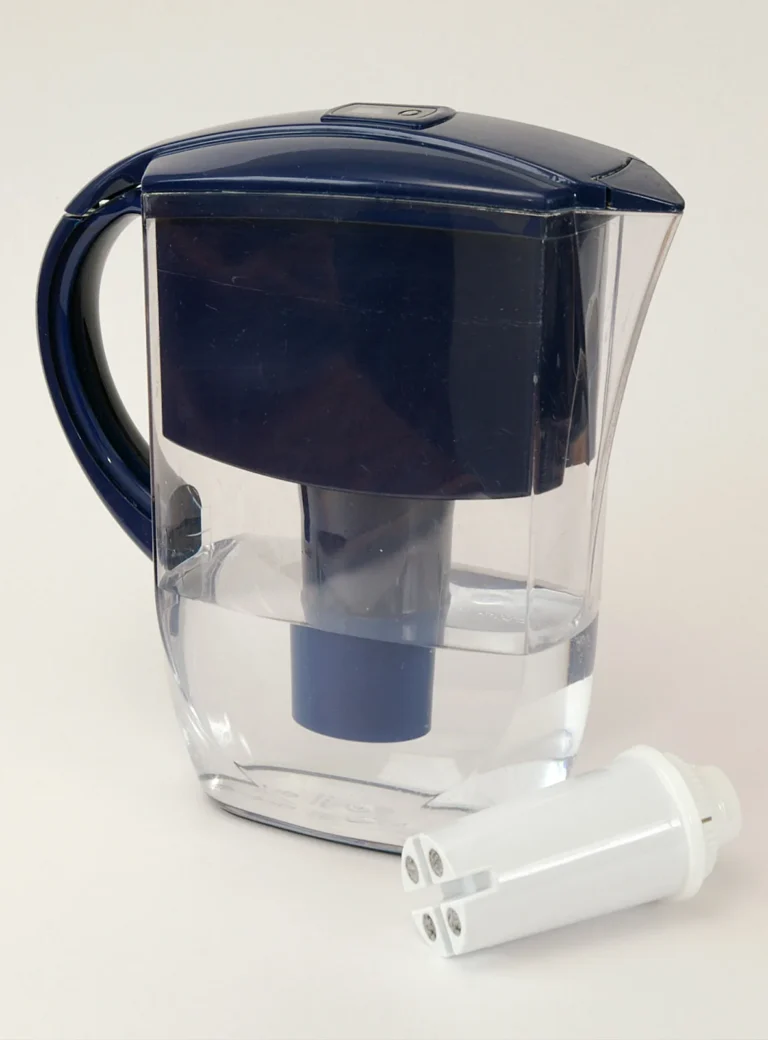
Brita pitchers are probably the most recognizable product. They sit conveniently in your refrigerator, keeping filtered water chilled and ready to pour. These come in various sizes, from compact models that hold about 6 cups to larger ones that can hold 10 cups or more. They are ideal for individuals or small households looking for a simple way to access better-tasting water.
Brita Faucet Filters: On-Demand Filtration
For those who use a lot of filtered water for cooking or want filtered water directly from their tap, Brita faucet filters are an excellent option. These attach directly to your existing faucet and allow you to switch between filtered and unfiltered water with a simple toggle. They provide a continuous supply of filtered water and are a good choice for larger families or heavy water users.