How Often Do You Change Water Filter In Fridge: 2026 Guide
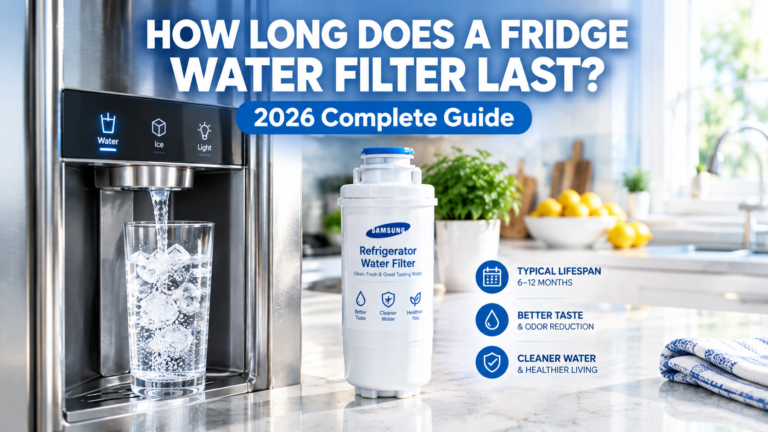
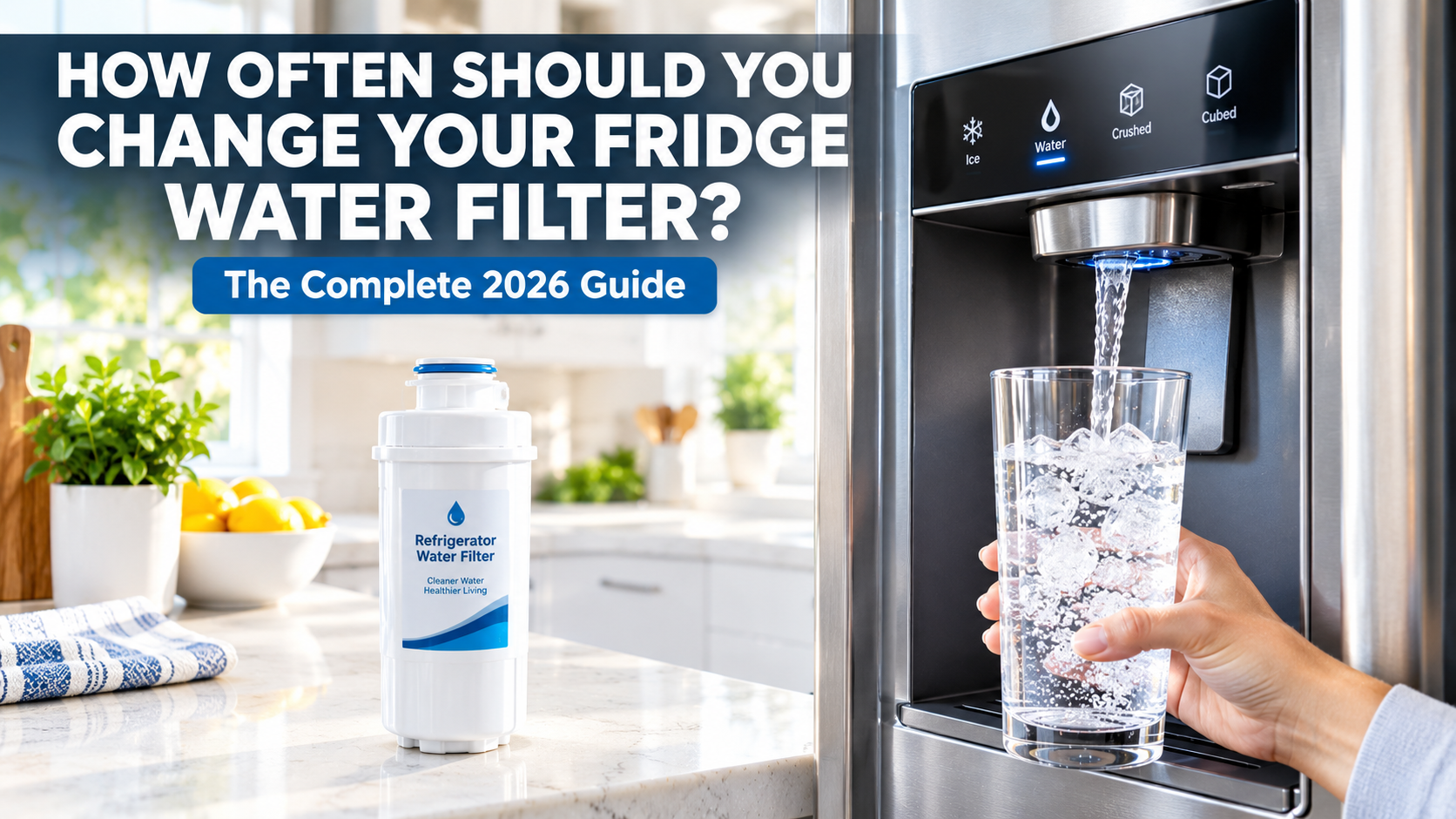
You should change your fridge water filter every 6 months or after filtering around 300 gallons of water to keep your drinking water clean, fresh, and safe.
That little filter tucked inside your refrigerator works harder than most people realize. Every glass of ice water, every pitcher you fill, every steamy pot of pasta starts with water that passes through that small but mighty component. Over time, it catches chlorine, sediment, lead, and other unwanted guests. But here is the thing, it does not last forever, and forgetting to swap it out can quietly change the taste, smell, and even safety of your water. I have tested dozens of fridge filters over the years, replaced them in my own kitchen more times than I can count, and helped friends troubleshoot cloudy ice and funky-tasting water. Let me walk you through everything you need to know so your fridge keeps delivering the crisp, clean water your family deserves.
Why Changing Your Fridge Water Filter Matters More Than You Think
A refrigerator water filter is not just a nice-to-have accessory. It is the silent guardian of your family's hydration. Most modern fridges use activated carbon filters, sometimes combined with sediment layers or reverse osmosis membranes, to trap contaminants before water reaches your glass or ice maker.
When the filter works properly, it removes or reduces chlorine, lead, mercury, cysts, asbestos, benzene, and many other impurities that can affect both health and taste. It also helps reduce unpleasant odors and cloudy ice. But here is what happens when you forget to replace it. The filter becomes clogged. Water flow slows down. Ice cubes come out smaller or cloudy. And worst of all, trapped bacteria can start to colonize the old filter media, which means you might actually be making your water worse than tap water straight from the city supply.
Think of it like changing the oil in your car. You can go a little past the recommended interval and probably be fine, but eventually the engine suffers. Your fridge filter works the same way. It is doing a tough job, and it needs a fresh start every so often to keep performing.
How Often Should You Replace a Refrigerator Water Filter
The standard recommendation across almost every major refrigerator brand is every 6 months. Some manufacturers suggest a range between 4 to 6 months, while others stretch it to 12 months depending on the model and usage.
Here is what most major brands recommend:
- Samsung: every 6 months or 300 gallons
- LG: every 6 months or 200 gallons
- Whirlpool: every 6 months
- GE: every 6 months
- KitchenAid: every 6 months
- Frigidaire: every 6 months or 300 gallons
That said, the "every 6 months" rule is a general guideline based on average household water usage of about 1 to 2 gallons per day. Your home might fall outside that average. If you have a large family or drink water constantly, your filter may wear out faster. If you live alone and rarely use the water dispenser, it might last a bit longer, but waiting too long is never a good idea.
Signs Your Fridge Water Filter Needs Changing Right Now
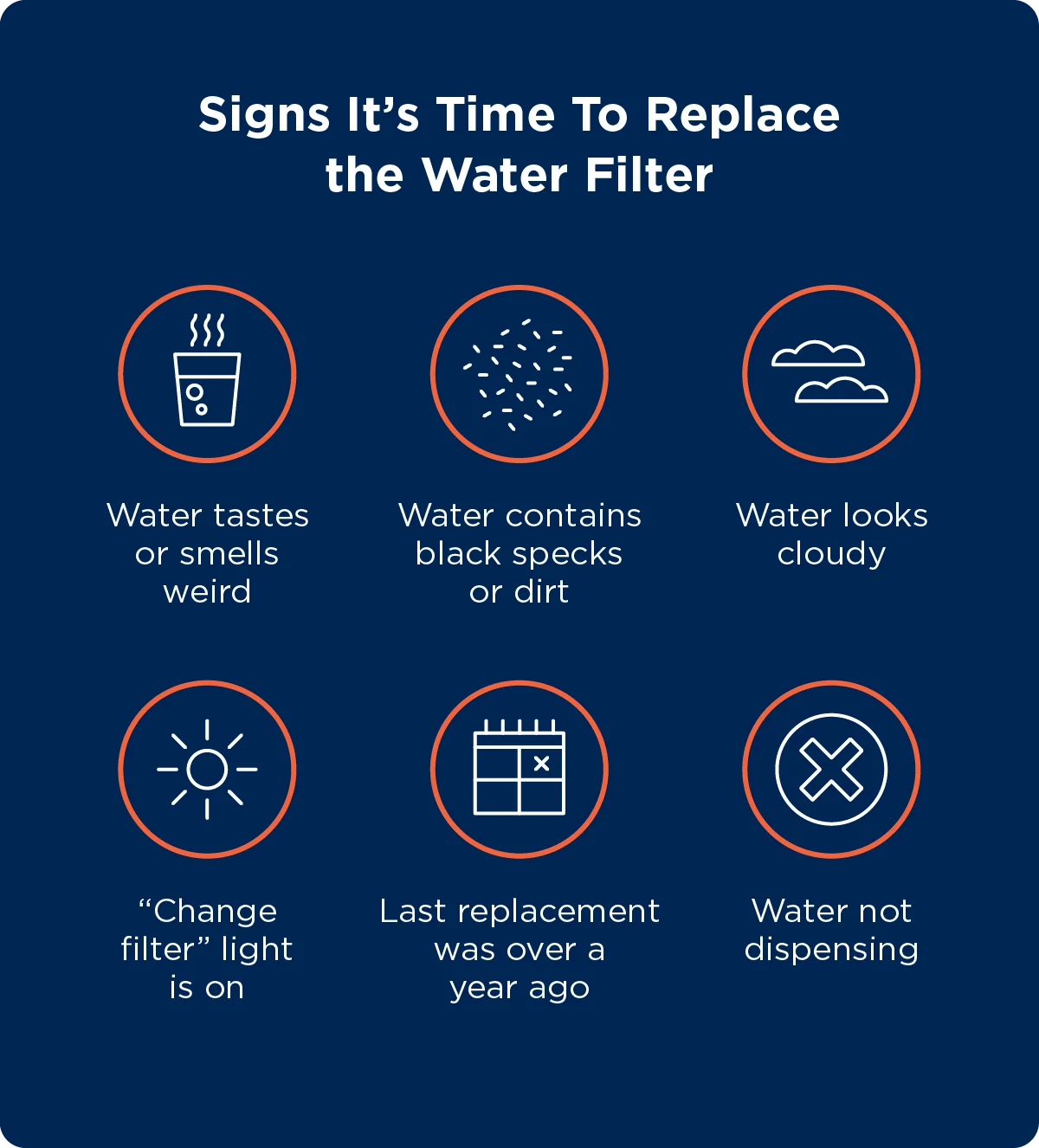
Even if you forget to mark your calendar, your fridge will usually give you clues. Here are the most common warning signs I have seen in my own kitchen and in homes I have worked on:
- Water tastes different: a flat, metallic, or faintly chlorine-like flavor
- Ice cubes look cloudy or have small white particles floating in them
- Water dispenser runs slower than usual, sometimes barely a trickle
- Filter indicator light turns on (most modern fridges have one)
- Strange odors coming from the water or ice
- Ice cubes are smaller than usual, which means the filter is restricting flow
If you notice any of these, do not wait. Swap the filter immediately.
Factors That Affect How Often You Should Change Your Fridge Filter
Not all households are created equal. The lifespan of your fridge water filter depends on several real-world factors:
- Water quality: If your tap water has high sediment, hard minerals, or chlorine levels, the filter will clog faster.
- Household size: A family of six drinking water all day will wear out a filter much faster than a single person.
- Usage habits: Frequent filling of large pitchers and constant ice production accelerates filter wear.
- Filter type: Basic carbon filters usually last 6 months. More advanced filters with multiple stages or reverse osmosis may have different intervals.
- Age of plumbing: Older homes with corroded pipes can send extra sediment through the filter.
I once helped a friend who swore she changed her filter "just six months ago." Turns out she had moved into an older home with galvanized pipes, and her filter was visibly brown after only three months. The pipes were the culprit. So your home environment matters more than the clock alone.
How to Change Your Fridge Water Filter Step by Step
Changing a refrigerator water filter is one of the easiest home maintenance tasks. Most people can do it in under five minutes with no tools required. Here is the basic process:
- Locate the filter. It is usually inside the fridge on the left or right wall, at the back of the base grille, or on the water line behind the fridge.
- Twist or pull the old filter out. Some twist clockwise, some push a button and pull, and some have a quarter-turn release.
- Remove the cap or cover from the old filter if your model transfers it to the new one.
- Slide in the new filter in the same position.
- Twist or push until it locks in place.
- Run 2 to 4 gallons of water through the dispenser to flush out air and loose carbon particles.
- Reset the filter indicator light if your fridge has one. Usually you hold the reset button for 3 to 5 seconds.
That is it. No plumber needed, no tools, no stress.
Common Mistakes People Make With Fridge Water Filters
I have made some of these mistakes myself, so learn from my blunders:
- Forgetting to flush the new filter before drinking. That first glass of water often tastes like black dust. Always run a few gallons first.
- Buying cheap off-brand filters that do not meet NSF standards. They might fit, but they rarely filter as well.
- Ignoring the filter light because it is annoying. That little orange or red light is your friend.
- Resetting the indicator without actually changing the filter. I have seen people do this to silence the light. Do not be that person.
- Installing the filter backward. It seems obvious, but it happens more than you think.
How to Know Which Filter to Buy for Your Fridge
Every fridge brand uses specific filter models. The easiest way to find the right one is to look at your existing filter. It usually has a model number printed on it. Common filter models include:
- Samsung: HAF-CIN, DA29-00020B
- LG: LT1000P, ADQ74793501
- Whirlpool: EveryDrop EDR1RXD1, W10295370
- GE: RPWFE, MWF
- Frigidaire: PureSource Ultra, WF3CB
You can also check your fridge's manual, look inside the filter compartment for a label, or search your model number online. Always look for filters certified by NSF International, which tests filters against standards like NSF/ANSI 42 (taste and chlorine reduction) and NSF/ANSI 53 (contaminant reduction).
Should You Use a Generic or Brand Name Fridge Filter
This is one of the most common questions I get. Honestly, it depends. Name-brand filters almost always meet strict performance standards and last their full rated lifespan. Off-brand filters can be hit or miss. Some are excellent and made by the same manufacturers. Others cut corners on carbon quality and can let contaminants slip through.
If you go generic, look for NSF certification on the packaging. If you want peace of mind, stick with the brand your fridge manufacturer recommends. I personally alternate between OEM and high-quality third-party filters that have independent lab testing, and I have noticed no difference in water taste or filter life.
How to Remember When to Change Your Filter
Set it and forget it is the worst approach with fridge filters. Here are simple tricks I use and recommend:
- Set a recurring calendar reminder every 6 months
- Write the install date on the new filter with a marker
- Take a photo of the filter with your phone on install day
- Pair filter changes with daylight saving time changes
- Subscribe to auto-delivery services that ship new filters on schedule
The daylight saving time trick is my favorite. When you change your clocks, change your filter. Two birds, one stone.
What Happens if You Never Change Your Fridge Water Filter
Let me paint a realistic picture. I have opened up neglected fridge filters during home inspections and appliance repairs, and the results are always the same. They look terrible. Dark brown, slimy, and sometimes smelling like rotten eggs. That is not what you want flowing into your drinking water.
Beyond the gross factor, here is what can happen if you ignore filter replacement:
- Bacterial growth in the filter media
- Reduced water flow and pressure
- Bad-tasting water and ice
- Potential buildup of contaminants that were supposed to be filtered out
- Strain on your fridge's water pump and ice maker
In extreme cases, a clogged filter can cause the water line to freeze or the ice maker to stop working entirely. Replacing a $30 to $60 filter is much cheaper than calling a repair technician for a broken ice maker.
FAQ
How do I know if my fridge water filter is bad?
If your water tastes off, ice is cloudy, or flow has slowed down, your filter is likely past its prime. Most fridges also have an indicator light that turns on when it is time to replace the filter.
Can I use my fridge without a water filter?
Technically yes, but most manufacturers recommend against it. Without a filter, sediment and contaminants can enter the water system and ice maker, potentially causing clogs or damage over time.
Do new fridge filters need to be flushed?
Yes, always flush a new filter by running 2 to 4 gallons of water through it before drinking. This removes loose carbon dust and air pockets.
Are expensive fridge filters worth it?
In most cases, yes. Premium filters typically use higher-grade carbon and last longer. However, mid-range filters from reputable brands can also perform well if they are NSF-certified.
How long do fridge water filters last if not used?
Even if you barely use your water dispenser, the filter can still degrade over time. Manufacturers recommend replacing it at least every 12 months regardless of usage to prevent bacterial growth in the filter media.
Conclusion
Changing your fridge water filter is one of those small habits that makes a huge difference in your daily life. Fresh, clean water straight from your fridge is one of life's quiet luxuries, and it only takes a few minutes and a small investment to maintain it. Mark your calendar, watch for the warning signs, and do not ignore that little indicator light. Your water, your ice, and your fridge will all thank you. If you have never changed your filter before, today is a great day to start. Go check it now, and if it has been more than six months, replace it today. Your taste buds will notice the difference immediately.