How to Clean Water Filter: Honest Review 2026
Got questions about tackling that water filter cleaning task? You're in the right place. Keeping your filter clean is a vital part of ensuring you're drinking pure, fresh-tasting water, and it's often less complicated than you might think.
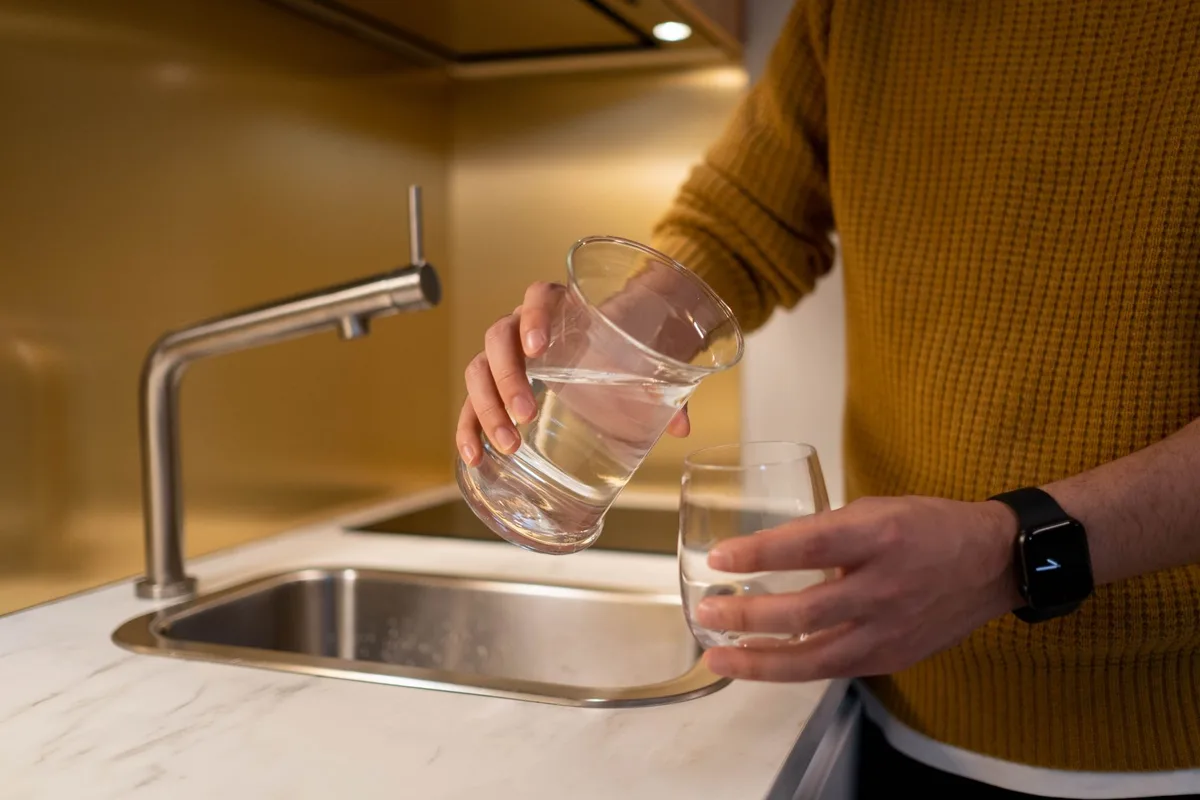
The process can vary quite a bit depending on the type of filter you have, but knowing the basics can save you time and ensure your filter works its best. Manufacturer specifications often recommend cleaning intervals of every 1-2 months for pitcher filters, while faucet filters might have different routines based on usage.
Why Cleaning Your Water Filter Matters
This isn't just about appearances; it's about performance and health. If you've ever noticed a dull taste in your water or a slower flow rate than usual, your filter might be telling you it needs attention. A dirty filter can become a breeding ground for bacteria, reducing its effectiveness in removing contaminants like chlorine, lead, or sediment. For instance, a clogged sediment pre-filter in a whole-house system can significantly reduce water pressure throughout your home.
Proper cleaning, or timely replacement, helps maintain water quality and ensures your filter meets its intended performance standards.
First: Identify Your Water Filter Type
Before you grab a sponge, you absolutely need to know what kind of water filter you're dealing with. This isn't a one-size-fits-all job. The way you clean a simple pitcher filter is vastly different from the process for a faucet-mounted unit or a whole-house system. Understanding your filter's design is the first and most crucial step to cleaning it effectively and safely.
Pitcher Water Filters: Simple Cleaning Steps
These are the most common types for home use, often found chilling in the fridge. Their cleaning is generally straightforward.
- Empty and Disassemble: Start by pouring out any remaining water from the pitcher. Then, carefully separate the pitcher body, the water reservoir that holds the unfiltered water, and the filter cartridge itself. Most components simply lift out or twist apart.
- Wash the Pitcher Components: The main pitcher body and reservoir are typically made of durable plastic. Wash these parts with warm, soapy water. Many pitcher models are also top-rack dishwasher safe. Always check your manufacturer's manual for confirmation before putting them in a dishwasher.
- Clean the Filter Housing: The area where the filter cartridge sits can sometimes accumulate mineral deposits or residue. Wipe this down with a damp cloth or a soft sponge. Avoid abrasive cleaners or scrub brushes, as they can scratch the plastic.
- Prepare and Insert New Filter: For most pitcher filters, the cartridge itself is designed for replacement, not cleaning. However, before you insert a new filter, it's standard practice to rinse it thoroughly under cold running water for about 15-30 seconds. This helps to remove any loose carbon fines and prime the filter for use. Always follow the specific instructions provided with your replacement cartridge.
- Reassemble and Refill: Once everything is clean and dry, put the pitcher back together. Insert the freshly rinsed filter, fill the reservoir with water, and place it in the refrigerator.
Faucet Water Filters: What You Need to Know
Faucet filters offer convenience, delivering filtered water directly from your tap. Their cleaning routine involves a bit more caution due to their connection to your plumbing.
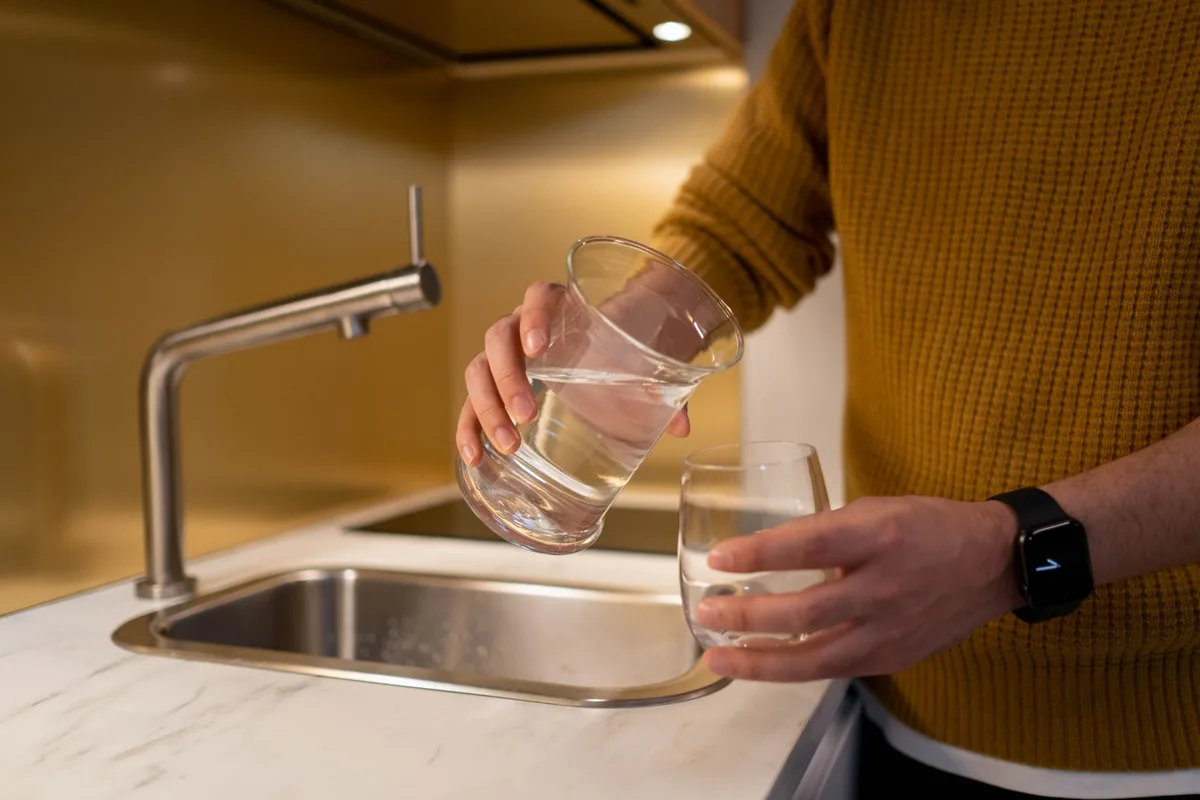
- Turn Off Water Supply: This is non-negotiable. Locate the shut-off valve for your kitchen sink faucet, which is usually under the sink. Turn it clockwise until it stops. If you're unsure which valve controls your faucet, turn off the main water supply to your home.
- Detach the Filter Unit: The filter unit typically screws directly onto the end of your faucet spout. Unscrew it carefully. Have a towel or a small bowl ready, as a little residual water might drip out.
- Disassemble the Housing: Many faucet filter systems consist of a main filter housing that contains the replaceable cartridge. Unscrew the housing according to the manufacturer's instructions.
- Clean the Housing Components: Wash the filter housing and any other non-filter parts with warm, soapy water. A soft brush can be useful for scrubbing the inside of the housing, paying attention to any visible residue or mineral buildup.
- Inspect the Filter Cartridge: Here’s a critical point: most faucet filter cartridges are not designed to be cleaned. They are meant to be replaced when they become clogged or reach their rated capacity. If you see significant sediment or the flow rate has dropped drastically, it’s time for a new cartridge. Trying to clean these sealed cartridges can damage the internal filtration media. Check your specific model's manual to confirm if any part of the cartridge itself can be maintained.
- Reassemble and Restore Water: Once the housing is clean and dry, insert a new or clean cartridge (if applicable). Screw the filter unit back onto the faucet securely. Slowly turn the water supply back on, checking diligently for any leaks around the connection points.
Under-Sink & Whole-House Filters: When to Call a Pro
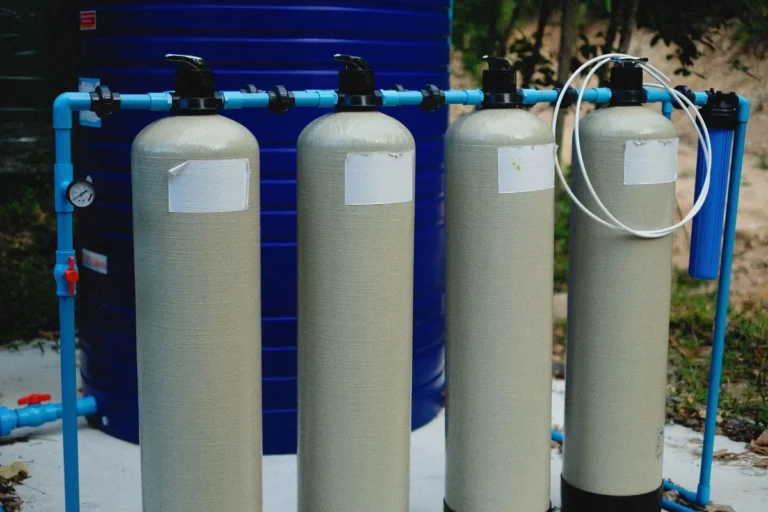
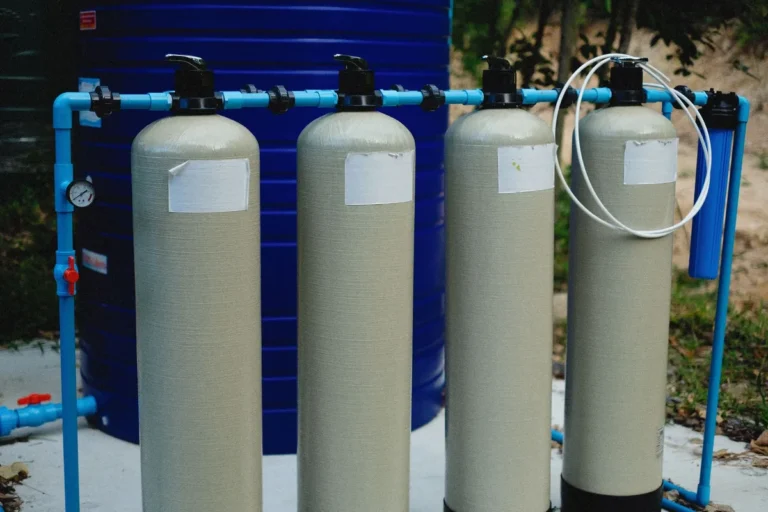
These systems, installed out of sight, are typically more robust and handle higher volumes of water. Cleaning them is less of a DIY task for the average homeowner and more of an expert job. Manufacturer specifications for under-sink or whole-house systems often detail replacement schedules ranging from 6 months to over a year, depending on filter type and water usage.
Understanding the Housing and Filter
These filters usually sit within larger, more substantial housings. Cleaning often means carefully unscrewing these housings, which can be heavy and contain a significant amount of water. The actual filter element inside is frequently a "replace, don't clean" item, similar to faucet filters but often on a larger scale. If your system uses a reusable sediment filter (more common in whole-house setups than advanced drinking water filters), you'd follow specific, often more physically demanding, cleaning instructions for that individual filter element.
Potential Risks and Why Expertise Matters
Attempting to service these systems without complete understanding can lead to several problems. You might encounter significant water leaks that can cause considerable water damage to cabinetry and floors. Incorrectly reassembling seals can compromise the filter's integrity, potentially allowing unfiltered water into your home's supply. For under-sink and especially whole-house systems, our research indicates it's often best to rely on a qualified plumber or water treatment specialist.
They have the tools, knowledge, and experience to service these systems safely and effectively, ensuring your water remains clean and your home protected. If you’re unsure at any point, don't hesitate to seek professional help.
General Tips for Filter Care
Regardless of your filter type, a few universal tips can help keep your system in good working order. Think of these as the general best practices that apply across the board.
- Read Your Manual: Seriously, this is the golden rule. Your filter's manufacturer knows its product best. The manual will tell you exactly how often to clean or replace, what materials are safe to use, and any specific procedures you must follow. If you can't find the physical manual, search online for your filter's model number, most manufacturers provide digital copies.
- Gentle Does It: Most water filters are designed to remove impurities, not withstand harsh chemicals or abrasive scrubbing. Stick to mild dish soap and warm water for cleaning reusable parts. Harsh cleaners can break down plastic components or leave behind residues that could contaminate your water.
- Rinse Thoroughly: After any cleaning of reusable parts or when installing a new cartridge, a thorough rinse is key. This removes any leftover soap suds, dust, or loose carbon particles.
- Listen to Your Water: Changes in taste, odor, or flow rate are your filter's way of signaling that it needs attention. Don't ignore these signs.
What NOT to Do: Common Cleaning Mistakes
We've all been tempted to take shortcuts, but when it comes to water filters, some common mistakes can actually do more harm than good. Avoiding these will help your filter perform as it should and keep your water safe.
- Using Harsh Chemicals: Bleach, ammonia-based cleaners, or abrasive scrubbing pads can damage filter membranes and plastic housings. They can also leave behind chemical residues that are difficult to rinse away completely, potentially affecting your water's taste and safety.
- Over-Cleaning Reusable Components: While housings might need a wipe-down, trying to "deep clean" a filter cartridge that's meant to be disposable is usually counterproductive. This can disrupt the filter media and reduce its effectiveness, or even introduce new contaminants.
- Ignoring Replacement Schedules: Many filters, especially for pitchers and faucet units, have a set lifespan, typically between 2-6 months or a specific gallon limit. Manufacturer specifications, like those from NSF International standards, provide guidelines based on pollutant reduction. Missing these replacements means the filter is no longer effectively removing the contaminants it was designed for.
- Not Turning Off the Water: For faucet and whole-house filters, failing to shut off the water supply before disassembly is a recipe for flooding. Always ensure the water is completely off at the source before you start.
Is My Filter Truly Cleanable?
Here’s a question that comes up a lot: can you really clean any part of your water filter? The short answer is, it depends entirely on the filter's design and its intended use. For pitcher filters, the plastic pitcher body and reservoir are definitely washable. Some faucet filter housings can also be cleaned.
However, the actual filter element, the part doing the heavy lifting of trapping contaminants, is usually designed for replacement. This is especially true for the activated carbon or ion-exchange resins used in most drinking water filters. These materials are non-regenerative and become clogged or exhausted over time. Always consult your filter's specific manual to distinguish between washable components and irreplaceable cartridges.
What Does a "Clogged" Filter Look Like?
A clogged filter doesn't always have a visible "clog" in the way a drain might. Instead, our research shows the primary indicators are functional: a drastically reduced water flow rate from your faucet or pitcher, and sometimes, the return of off-tastes or odors that the filter used to remove. For system types like sediment filters, you might see visible layers of trapped sediment on the filter media if it's a reusable type.
For most consumer-grade filters, especially those that are cartridges, the "clogging" is internal and invisible, meaning the filter material itself is saturated with trapped particles and chemicals. As of 2026, most cartridge-based filters are rated for a specific gallon capacity or a lifespan of 2-6 months, whichever comes first.
How to Identify Your Filter's Model Number
Knowing your filter's specific model number is crucial for finding the right cleaning instructions or replacement parts. You'll usually find this information stamped directly onto the filter housing itself, often in small print. It might appear as a series of letters and numbers, like "PFM350W" or "AquaPure 7 Stage."
If it's not on the housing, check any original packaging or receipts if you still have them. Many manufacturers also etch the model number onto the filter cartridge itself. If all else fails, compare the visual appearance of your filter with models on the manufacturer's official website; often, prominent models are easier to identify and find support for.
Benefits of Regular Filter Maintenance
Staying on top of your water filter's maintenance, whether it's cleaning or replacing, pays off in several ways. The most immediate benefit is consistently better-tasting and odor-free water. This also means your filter is effectively doing its job, removing impurities like chlorine, lead, and other contaminants that can affect your health.
Moreover, regular upkeep can prevent issues like reduced water pressure, especially in faucet or whole-house systems. By ensuring your filter isn't excessively clogged, you maintain optimal water flow and prolong the life of your plumbing by preventing strain. It's a small effort that contributes significantly to a healthier home environment.