How to Filter Lead From Water in 2026 (That Actually Work)
When lead contamination is detected in your drinking water, understanding how to filter lead from water becomes a top priority for your family's health. It’s a concern that affects many households, especially those with older plumbing systems.
Our research indicates that without proper filtration, lead can pose significant health risks. Fortunately, certified filtration systems can effectively reduce lead levels. For instance, according to NSF/ANSI Standard 53, filters must demonstrate the ability to reduce lead to 10 parts per billion (ppb) or lower to earn this certification. Let's explore how you can ensure the water you drink is safe.
Do You Actually Have Lead? The Crucial First Step.
Before you even think about buying a filter, the most critical action you can take is testing your water. You can't effectively address a problem you haven't confirmed exists. Different levels of lead require tailored solutions, and some filtration methods are more effective than others depending on the contamination concentration. Testing is your absolute baseline.
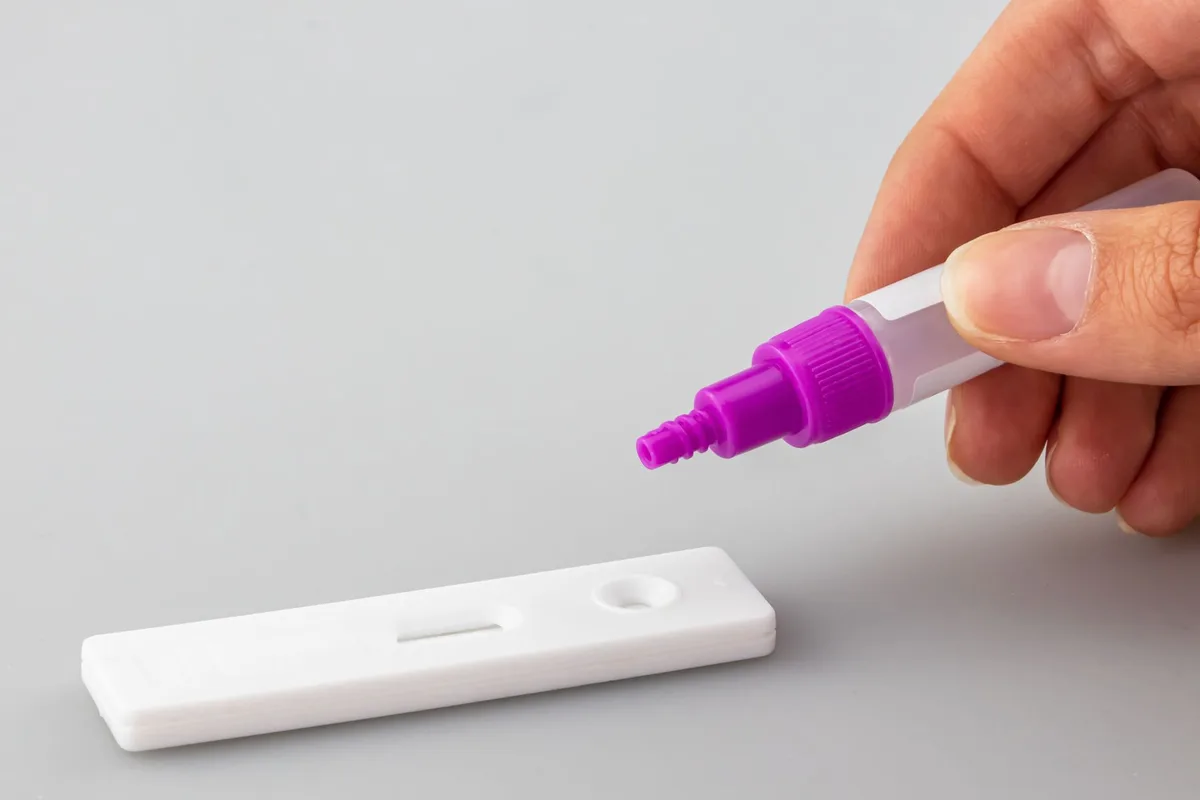
- How to Test Your Water:
- Contact Your Local Water Utility: Many municipalities offer free testing services or can provide you with a test kit and instructions on collecting a sample. This is often the most reliable first step.
- Purchase a DIY Test Kit: You can find lead-specific test kits at most large hardware stores or online retailers. Ensure the kit explicitly states it detects lead and follow the instructions precisely for accurate readings.
- Use a Certified Laboratory: For the highest level of accuracy, send a water sample to a state-certified laboratory. Your local health department can usually recommend accredited labs in your area. This method provides detailed analytical results.
Understanding Lead in Your Water
Lead is a toxic metal that can enter your drinking water from various sources, primarily related to plumbing and infrastructure. Because it's colorless, odorless, and tasteless, you can't detect its presence without testing. This makes proactive testing and understanding potential sources essential.
Where Does Lead Come From?
The primary source of lead in drinking water is typically from the pipes and plumbing materials that carry water from the service line to your tap.
- Old Plumbing Materials: Lead was commonly used in plumbing solder until it was banned in 1986 in the United States. Lead can also be found in brass or chrome-plated brass faucets and fixtures.
- Service Lines: The service line is the pipe connecting your home's plumbing to the public water main. Older service lines, particularly those made of lead or those with lead components, are a significant source of contamination.
- Corrosion: When water is slightly acidic or has low mineral content, it can corrode lead pipes and solder, causing lead to leach into the water. This leaching is more likely to occur when water has been sitting in the pipes for extended periods.
The Health Risks You Need to Know
Exposure to lead, even at low levels, can have serious health consequences, particularly for infants, young children, and pregnant women. Our research confirms that lead is a neurotoxin and can cause developmental problems.
- Children: Lead exposure in children can lead to lower IQ, behavioral problems, learning difficulties, and slowed growth.
- Adults: In adults, lead can cause increased blood pressure, kidney problems, reproductive issues, and cardiovascular effects. It can also contribute to decreased fertility in men and women.
- Pregnant Women: Lead exposure during pregnancy can result in premature birth, low birth weight, and developmental harm to the baby.
Filtration: Your Best Defense Against Lead
Once lead is confirmed in your water supply, filtration becomes the most practical and effective solution for reducing exposure through drinking and cooking. Various types of filters are designed to capture lead particles and ions, making your tap water safer.
- How Water Filters Work for Lead: Water filters work by passing water through a media designed to trap or chemically neutralize contaminants. For lead, this typically involves materials that physically adsorb lead particles or use ion exchange to replace lead ions. The effectiveness depends on the filter’s design, the specific media used, and whether it has been certified for lead reduction.
Activated Carbon Filters for Lead
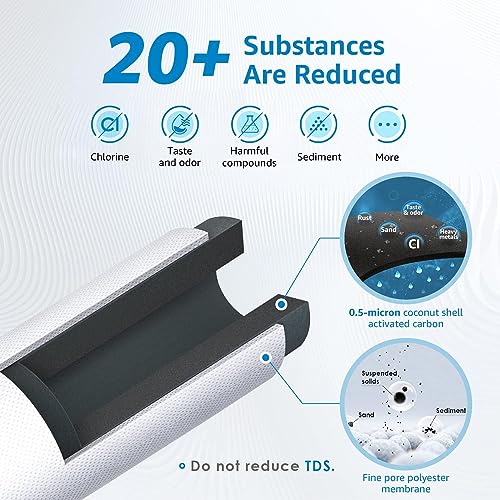
Activated carbon filters are among the most common types of water treatment devices found in homes. They utilize a special form of carbon that has been processed to be extremely porous, giving it a very large surface area.
- How They Function: As water flows through the activated carbon, lead particles and other contaminants bind to the surface of the carbon. This process is known as adsorption.
- Lead Reduction Efficacy: Many activated carbon filters are certified to reduce lead, but it’s crucial to check the product specifications and certifications, such as NSF/ANSI Standard 53, to confirm this capability. The filter's design and the density of the carbon block play a role in its lead-filtering performance.
- Lifespan and Maintenance: These filters have a finite capacity. Once the carbon is saturated with lead and other contaminants, it can no longer effectively filter them, and the filter will need to be replaced. Adherence to replacement schedules is paramount for continued protection.
Reverse Osmosis (RO) Systems for Lead
Reverse Osmosis systems offer a more comprehensive approach to water purification and are highly effective at removing lead. These systems use a multi-stage process that goes beyond simple adsorption.
- The Multi-Stage Process: Typically, an RO system first uses a sediment filter to remove larger particles, followed by an activated carbon pre-filter. The heart of the system is a semipermeable membrane that forces water through under pressure, leaving behind most dissolved solids, including lead. A final activated carbon post-filter polishes the water.
- Superior Lead Removal: Due to the fine pore size of the RO membrane, these systems can reduce lead levels significantly, often to below detectable limits. NSF/ANSI Standard 58 specifically addresses RO systems and their performance in removing contaminants like lead.
- Considerations: RO systems are generally more expensive to purchase and install than simple pitchers or faucet filters. They can also produce wastewater during the filtration process and may require a storage tank and a dedicated faucet.
Water Distillation Systems for Lead
Water distillation is a purification method that mimics the natural water cycle by boiling water and then condensing the steam back into liquid form. This process is extremely effective at removing a wide array of contaminants.
- The Distillation Mechanism: When water is heated to its boiling point, impurities like lead, which have much higher boiling points than water, are left behind. The resulting steam is then collected and cooled, condensing into pure water.
- High Efficacy for Lead: Because lead does not vaporize at water's boiling point, distillation effectively separates it from the purified water. This method is considered one of the most thorough ways to remove heavy metals.
- Practicalities: Distillers are typically slower than other filtration methods and require electricity to operate. They also remove beneficial minerals from the water, which some users prefer to reintroduce. Unlike RO, distillation produces very little wastewater.
Choosing the Right Filter: What to Look For
Selecting the best filter for lead removal involves understanding what makes a filter effective and reliable. It's not just about the type of filter, but also about how it's certified and maintained. Our research points to key indicators that help consumers make informed decisions.
Decoding Certifications: NSF/ANSI Standards Explained
When you're looking at water filters, paying attention to certifications is your most reliable way to ensure performance. Organizations like NSF International independently test and certify products to meet specific health and safety standards. For lead removal, two standards are particularly important.
- NSF/ANSI Standard 53: This is the go-to standard for filters designed to reduce specific health-related contaminants like lead. Manufacturers must prove their filters can reduce lead concentrations to 10 parts per billion (ppb) or lower to earn this certification. It's often listed as "NSF/ANSI 53 certified for lead reduction."
- NSF/ANSI Standard 58: This standard specifically applies to Reverse Osmosis (RO) systems. It also includes stringent requirements for lead reduction, ensuring that certified RO units effectively remove lead from your water.
- Checking the Label: Always look for the NSF certification mark on the product packaging or the manufacturer's website. Don't just assume; verify that the specific contaminant lead is listed as being reduced. As of 2026, these standards remain the benchmark for consumer confidence.
Filter Lifespan and Replacement Schedules
Even the most effective filter is only as good as its maintenance. Filters have a limited capacity, meaning they can only capture a certain amount of lead before they become saturated and ineffective. Sticking to replacement schedules is non-negotiable for continued lead protection.
- Manufacturer Recommendations: Always follow the lifespan recommendations provided by the filter manufacturer. This will be stated in terms of gallons filtered or months of use, whichever comes first.
- Impact of Usage: Your actual usage can affect lifespan. If your household uses a lot of water, you might reach the gallon limit sooner. Conversely, light usage might mean you exceed the time limit before hitting the gallon mark.
- Consequences of Neglect: Using an exhausted filter can be worse than using no filter at all. Once saturated, a filter can no longer trap lead and might even release previously captured contaminants back into your water. This oversight is a common mistake that compromises your safety.
Step-by-Step: Getting Lead Out of Your Water
Tackling lead contamination in your water doesn't have to be complicated. By following a clear, sequential process, you can effectively identify and address the issue to ensure your household has access to safe drinking water.
1. Test Your Water
As we've emphasized, the absolute first step is to confirm the presence and level of lead. Invest in a reliable water testing kit or contact a certified laboratory. Accurate results are the foundation for all subsequent decisions.
2. Select Your Filtration Method
Based on your test results and household needs, choose a filtration system that is certified to reduce lead. Consider the type of filter, its certifications (like NSF/ANSI 53 or 58), and its capacity and lifespan. For higher lead levels or whole-house protection, an under-sink RO system or a whole-house filter might be more appropriate than a simple pitcher.
3. Install and Maintain Your Filter
Proper installation is key to ensuring your filter performs as intended. Follow the manufacturer's instructions carefully. Once installed, create a system for tracking filter life and replacing cartridges promptly. A simple calendar reminder or a connected smart home device can help you stay on schedule.
Simple Actions to Minimize Lead Exposure Today
While you're in the process of choosing and installing a long-term filtration solution, there are immediate steps you can take to reduce your exposure to lead in drinking water. These practices are simple yet effective in flushing out lead that may have leached into the water while it sits in your pipes.
Flush Your Pipes First
If your water has been sitting unused in your pipes for more than six hours (such as overnight or during a workday), it's a good idea to run the cold water faucet for about one to two minutes before using it for drinking or cooking. This process flushes out the stagnant water where lead is most likely to accumulate.
- Where to Flush: Use the tap that you most commonly use for drinking water. If you have a separate line for filtered water, flush that line too.
- Don't Waste It: The flushed water can be used for watering plants, washing dishes, or flushing toilets, so it doesn't need to go down the drain unused.
Always Use Cold Water
Hot water has a greater capacity to dissolve lead from plumbing materials than cold water. Therefore, it's crucial to always use cold water for drinking, preparing infant formula, cooking, and making beverages like tea or coffee. Using cold water significantly reduces the potential for lead to leach into your beverages.
Common Mistakes to Avoid When Filtering Lead
When you're dealing with something as critical as lead in your drinking water, making a mistake can have serious repercussions. Many people inadvertently undermine their efforts to filter lead due to a few common oversights. Becoming aware of these pitfalls can help you avoid them.
- Assuming All Filters Work: Not all filters are created equal, and many generic water filters only address taste and odor, not heavy metals like lead. Always check for specific lead reduction certifications.
- Ignoring Replacement Schedules: This is perhaps the most critical mistake. An exhausted filter can become a source of contamination itself. Diligently following the manufacturer’s recommended replacement intervals (both time and gallon limits) is essential.
- Improper Installation: Incorrectly installed filters, especially under-sink or whole-house systems, may not seal properly, allowing unfiltered water to bypass the filtration media. Always follow the installation manual precisely.
- Using Hot Water: As mentioned, always use cold water for consumption or cooking preparation. Using hot water after installing a filter doesn't negate the risk of leaching from your pipes before the water even reaches the filter.