How Often to Change Whole House Water Filter: No-BS Picks

Figuring out how often to change your whole house water filter isn't about guesswork; it's about understanding a few key factors that directly impact its performance and lifespan. While many manufacturers offer a general guideline, what works for one home might be too soon or too late for another.
In our research, we've found that most whole house water filter cartridges are designed to last between 6 to 12 months under typical conditions. However, depending on your specific water source, usage habits, and the type of filter installed, this interval can vary significantly. The goal is to maintain optimal water quality without unnecessarily replacing filters too frequently or risking a drop in performance.
Your Filter's Lifespan: It's Not One-Size-Fits-All
The idea that a whole house water filter cartridge has a set expiration date is a common misconception. While manufacturers do provide recommended change intervals, these are usually based on average conditions. For example, many activated carbon filters are rated for a specific gallon capacity or a time frame like 6 to 12 months as published in product specifications. If your household uses less water or your water source is exceptionally clean, you might get longer life.
Conversely, if you're dealing with challenging water conditions or high demand, you'll likely need to swap it out sooner. Understanding these variables is the first step to knowing when your filter truly needs attention.
The Biggest Factor: Understanding Your Water Quality
Your water source is the single most significant determinant of how often you'll need to change your whole house water filter. The stuff your filter has to remove directly affects how quickly it gets clogged or saturated.
Municipal Water vs. Well Water
Municipal water supplies are generally treated and tested, meaning they often have fewer contaminants and less sediment compared to untreated well water. This can translate to longer filter life, often in the 6-12 month range. However, even municipal water can have varying levels of chlorine or mineral content that speed up filter wear.
Well water, on the other hand, is much more unpredictable. It can contain high levels of sediment, iron, manganese, or other natural minerals. These contaminants can rapidly clog filters.
Signs Your Water Quality Demands More Frequent Changes
- Visible Sediment: If your tap water has visible particles, even before filtering, your filter is working overtime.
- Strong Odors/Tastes: Persistent chlorine smells or metallic tastes indicate the filter media is being overwhelmed.
- Hard Water Stains: While not always directly filtered by generic cartridges, heavy mineral content can shorten the life of some filter types. If you notice new or increased hard water stains, it’s a sign your water has changed.
- Water Testing Results: If you have your water tested and find new contaminants or elevated levels of existing ones, adjust your filter schedule accordingly.
Usage Matters: How Your Household Impacts Filter Life
The sheer volume of water passing through your whole house water filter directly dictates how quickly it reaches its capacity or becomes clogged. Think of it like a sponge: the more water it absorbs, the faster it gets saturated.
High-Volume Households
A large family with multiple bathrooms, frequent laundry cycles, and significant outdoor water use will push much more water through the filter daily. For a household of four or more people, or one with particularly heavy usage patterns, it's wise to lean towards the shorter end of the recommended filter change intervals, potentially every 3-6 months, especially if also dealing with moderate water quality issues.
Low-Volume Households
Conversely, a single person or a couple using less water will naturally extend the life of their filter cartridge. If you're in a smaller household and your municipal water quality is generally good, you might find that you can comfortably go 9-12 months, or even slightly longer, between filter changes. It's still crucial to monitor for signs of reduced performance, but the frequency of replacement will likely be less often.
Filter Type: Not All Cartridges Are Created Equal
The specific type of filter cartridge you're using plays a critical role in its lifespan and how often it needs to be replaced. Different filter media are designed to tackle different contaminants, and their effectiveness and capacity vary.
- Sediment Filters: These primarily catch physical particles like sand, silt, and rust. Their lifespan is directly tied to the amount of sediment in your water. High-sediment water can clog these filters in as little as a month or two.
- Activated Carbon Filters: These are excellent for removing chlorine, volatile organic compounds (VOCs), and improving taste and odor. Their capacity for adsorbing these substances is finite. Once the carbon is saturated, it can no longer effectively remove these contaminants.
- Specialty Filters: Filters designed for specific issues like iron, manganese, or heavy metals have a capacity determined by how much of that particular contaminant they can capture. Their lifespan will depend heavily on the concentration of that contaminant in your water.
Always check the manufacturer's specifications for your particular filter cartridge model. They often provide a rated capacity in gallons or a recommended time frame, which serves as a helpful benchmark.
Spotting the Signs: When Your Filter is Begging for a Change
While a calendar reminder is helpful, your filter will often give you direct signals that it's time for a replacement. Paying attention to these signs can prevent issues before they escalate.
Reduced Water Pressure? It's Likely Your Filter
One of the most common and noticeable indicators that your whole house water filter needs changing is a significant drop in water pressure throughout your home. As sediment and other debris collect within the filter media, they create a blockage, restricting water flow.
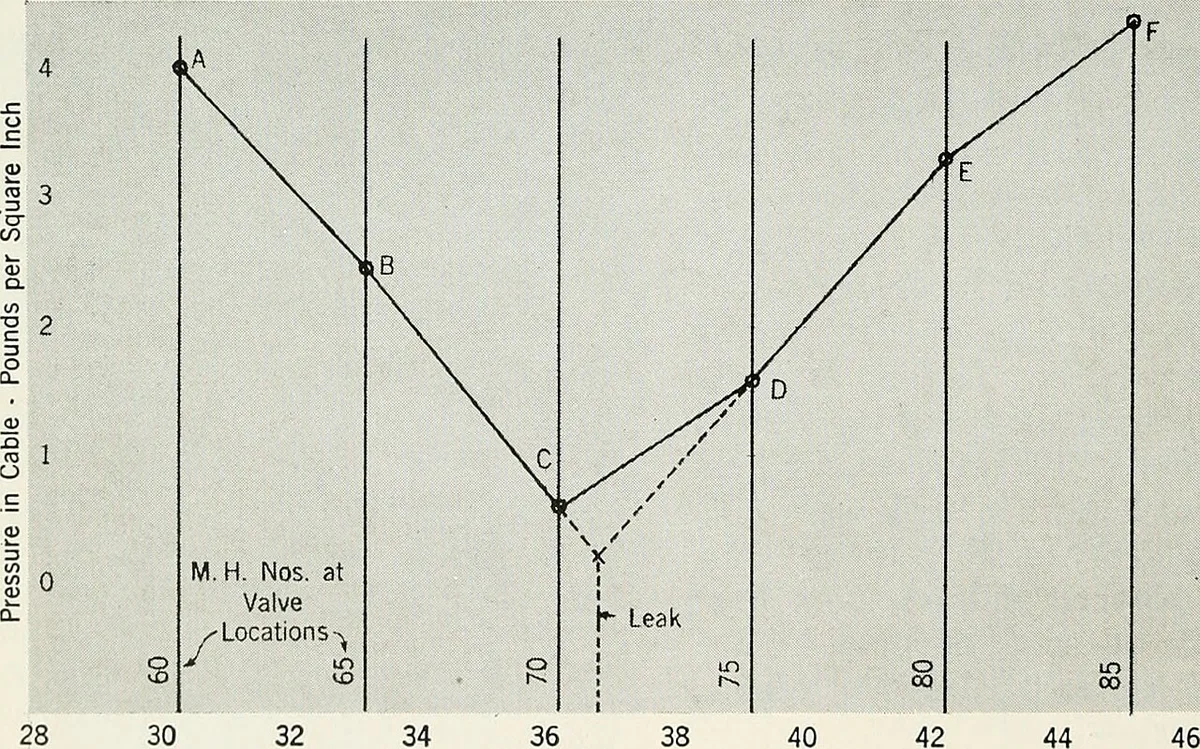
You might notice this most at your faucets, showerheads, or even impacting your appliances like dishwashers and washing machines. If the pressure seems lower than usual, especially when hot water is running, a clogged filter is a prime suspect. This restriction not only causes inconvenience but can also put unnecessary strain on your plumbing system.
Taste and Odor Creeping Back In?
If you installed a whole house water filter primarily to remove chlorine taste and odor, or other unpleasant smells, then any return of these characteristics is a clear signal. The activated carbon or other adsorptive media within the filter becomes saturated over time, meaning it can no longer effectively trap the offending compounds. If your water starts to smell or taste less fresh than it did when the filter was new, it's almost certainly time for a replacement cartridge.
Making the Decision: Your Filter Change Workflow
Deciding when to swap out your whole house water filter isn't a race against time. It's a smart process that uses a few key inputs to tell you exactly what's needed. By combining information about your water, how you use it, and the filter itself, you can make the most informed decision. This workflow helps prevent guesswork and ensures you're always getting the best possible water quality.
Step 1: Assess Your Water Quality
First, figure out what you're dealing with. If you're on a municipal supply, checking local water quality reports can be a great starting point, though they might not reflect your specific home's situation perfectly. For well water, a recent water test is essential to identify specific contaminants like sediment, iron, or hardness levels. These results directly influence how hard your filter has to work.
Step 2: Consider Your Household Usage
Next, evaluate how many people live in your home and what their typical water consumption habits are. A busy household with teenagers showering and doing laundry multiple times a week will push significantly more water through the filter than a single retiree. Think about daily showers, dishwashing, laundry cycles, and any outdoor watering.
Step 3: Identify Your Filter Type
What kind of cartridge is currently in your system? Is it a basic sediment filter designed to catch particles, or an activated carbon filter meant to improve taste and odor? Specialized filters target specific contaminants. Knowing your filter's primary function will help you understand what it's designed to remove and how its capacity might be reached.
Step 4: Factor in Manufacturer Recommendations
While not the final word, manufacturer specifications offer a crucial baseline. They often provide data on the filter's rated capacity (in gallons) or a suggested replacement time frame, usually between 6 to 12 months. Use this as a reference point, but always adjust based on your specific circumstances identified in the previous steps.
Step 5: Watch for the Warning Signs
Don't rely solely on dates or numbers. Your senses and simple observation are powerful tools. If you notice a drop in water pressure, a change in taste or odor, or visible cloudiness returning to your water, these are direct cues that your filter might be spent, regardless of what the calendar says.
Common Mistakes to Avoid When Tracking Filter Life
People often fall into a few common traps when managing their whole house water filter replacements, which can lead to either wasted money or reduced water quality. One frequent mistake is simply going by a fixed schedule, like changing the filter exactly every six months, without considering actual usage or water conditions. This can lead to premature replacement of a perfectly good filter, costing you money unnecessarily.
Another oversight is ignoring the system's performance. If you notice a significant dip in water pressure or a return of unwanted tastes and odors, it's easy to dismiss it as a temporary issue. However, these are often clear indicators that the filter is clogged or exhausted. Waiting too long can not only result in poor water quality but also potentially strain your plumbing system.
Finally, failing to note the type of filter being used can lead to applying the wrong lifespan expectation. A sediment filter in a dusty environment will clog much faster than a carbon filter in a typically clean water supply.
Pro Tips for Seamless Filter Maintenance
Making filter changes a routine, rather than a chore, boils down to a few simple strategies. First, keep a small logbook or use a digital note. Record the date of each filter replacement and the type of cartridge used. This simple act provides a historical record that helps you track your specific household's typical filter life based on real-world performance.
Next, consider purchasing filter cartridges in multi-packs. This not only saves you money per unit but also ensures you have replacements on hand when needed, preventing delays. Many manufacturers offer subscription services that can automate deliveries based on your estimated usage, ensuring you never run out. Lastly, familiarize yourself with the replacement process.
Knowing how to safely shut off the water and change the cartridge can make the task much quicker and less daunting, reinforcing good maintenance habits.