How Often Do You Change Refrigerator Water Filter: Honest Review 2026
When you're reaching for a glass of water or filling up a pitcher, you want it to taste clean, right? That little filter in your refrigerator is working overtime to make that happen, but it can't do it forever. Figuring out exactly how often do you change refrigerator water filter isn't a one-size-fits-all answer; it's a decision that depends heavily on your household and your water.
Manufacturer specifications often suggest replacing your refrigerator water filter every six months. This average lifespan considers typical usage patterns and water quality. However, by understanding a few key variables, you can tailor this to your specific needs and ensure you're always getting the best water possible in 2026 and beyond.
Why Your Fridge Water Filter Needs a Schedule
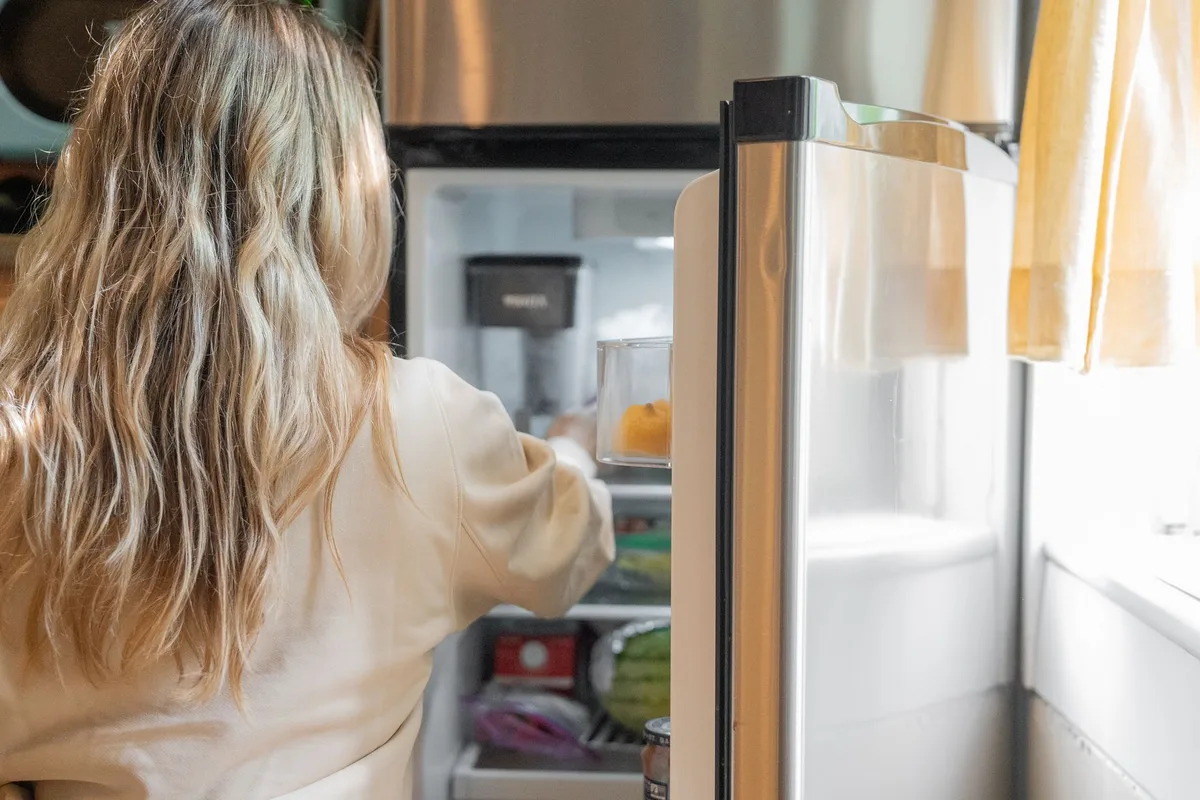
Your refrigerator's water filter is a critical component for delivering clean, great-tasting water and ice. It's designed to capture common impurities like chlorine, sediment, and sometimes even heavier metals. Over time, the filter material becomes saturated with these trapped contaminants. When this happens, its ability to filter effectively diminishes, and it can even start to impact the taste and odor of your water.
A consistent replacement schedule is key to maximizing the filter's performance and ensuring the water dispensed from your fridge is always at its best. It’s a simple maintenance task that has a significant impact on everyday home comfort and health.
The "It Depends" Factors: What Really Matters
There isn't a single calendar date that works for every refrigerator filter. Instead, its lifespan is influenced by two primary factors: how much water your household uses and the quality of your tap water. Think of it like oil changes for your car; a high-performance vehicle driven daily needs them more often than one used for occasional trips.
The filter itself has a defined capacity, often rated in gallons. Once that capacity is reached, its effectiveness significantly drops. So, even if six months haven't passed, if you're a heavy user, you might hit that capacity limit sooner.
Your Household's Water Habits: Usage Matters
The amount of water your household consumes directly impacts how quickly your refrigerator's water filter gets used up. If you have many people in your home, or if your family frequently fills large water bottles, uses the ice maker constantly, or prepares a lot of food and drinks that require water, your filter is working overtime.
Consider these usage levels:
- Low Usage: One or two people, minimal water bottle filling, moderate ice production. A filter might last the full six months, or even slightly longer.
- Medium Usage: A small family where water and ice are used daily for drinking and cooking. The standard six months is usually a good benchmark.
- High Usage: Large families, frequent entertaining, high demand for filtered water and ice. You might need to replace your filter every four months or even sooner.
Manufacturer specifications often indicate a filter's capacity in gallons. For instance, many common refrigerator filters are rated for around 300 gallons of water. A high-usage household might reach this limit much faster than a low-usage one.
Judging Your Local Water Quality
The quality of your tap water plays a huge role in how hard your refrigerator filter has to work and, consequently, how long it lasts. Tap water quality can vary significantly by region and even by season. If your water is already treated and tastes or smells clean, your filter won’t clog as quickly.
If your tap water has a strong chlorine odor, noticeable sediment, or a mineral taste, your filter will be working harder to remove these impurities. In areas with harder water, or water that’s treated more heavily, you might find your filter becoming less effective well before the six-month mark. You can often find reports on your local water quality from your municipality's water department website.
The Manufacturer's Rule of Thumb vs. Reality
Most refrigerator manufacturers recommend replacing the water filter every six months. This recommendation is a general guideline based on average usage and widely available water quality. It’s a good starting point and a simple reminder to keep your system maintained.
However, this six-month period is often a maximum. If your household usage is high or your water quality is poor, you might need to change the filter much sooner. Conversely, if you have very low usage and extremely pure water, you might not need a replacement at the six-month mark, though it’s still generally advisable for optimal performance and to ensure you’re not ingesting any accumulated backlog of contaminants.
Signs Your Filter Is Ready for Retirement
Beyond the calendar, your senses can tell you a lot about your filter's status. The most obvious sign is a change in the taste or odor of your water or ice. If your once-crisp water starts tasting a bit off, chemical-like, or just generally less fresh, it’s a strong indicator that the filter is saturated and can no longer effectively remove impurities.
Another clue can be a noticeable drop in water pressure from your dispenser. A clogged filter restricts water flow. If you have to wait longer for your glass to fill or the ice dispenses more slowly, the filter is likely the culprit.
Many refrigerators also feature an indicator light that turns yellow or red to signal it's time for a change. While a helpful reminder, don't rely on this light exclusively, especially if you suspect high usage or poor water quality.
Keeping Your Filter Working Its Best: Maintenance Tips
To get the most out of your refrigerator water filter, a few simple maintenance practices can help. First and foremost, adhere to a consistent replacement schedule, whether that's the recommended six months or a more frequent interval based on your usage and water quality. Sticking to a calendar or marking it on a home maintenance chart can be very useful.
If your refrigerator has a filter indicator light, use it as a prompt to check your water quality or assess your usage. Don't wait for the light to turn red if you've already noticed a decline in taste or flow. Always use the correct replacement filter model specified by your refrigerator manufacturer to ensure proper fit and filtration performance. Using an incorrect filter can lead to leaks and ineffective filtering.