How to Clean Katadyn Water Filter 2026: That Actually Work

Giving your Katadyn water filter a good scrub-down is key to reliable hydration on the go. When that water flow slows to a trickle, it’s usually a sign that sediment and other organic matter have started to clog the filter element. Keeping your filter clean ensures that it continues to effectively remove bacteria and protozoa from your water supply, which is crucial for preventing waterborne illnesses.
Manufacturer specifications confirm that regular maintenance, including cleaning, can significantly extend the operational life of your filter. For instance, certain Katadyn models are rated for thousands of liters, but this is contingent on proper care. As of 2026, adhering to cleaning protocols remains the most effective way to guarantee performance and safety from your water filter.
When to Give Your Katadyn Filter a Clean
The most obvious signal that your Katadyn water filter needs attention is a noticeable decrease in water flow. If it used to pour water out quickly and now it’s a slow drip, that’s your cue. This slowdown happens because the tiny pores in the filter element are becoming blocked by sediment, algae, silt, or other microscopic particles found in your water source.
Spotting the Signs of a Clogged Filter
Beyond just slow flow, you might notice that the water tastes "off" or has a cloudy appearance even after filtering, though this is less common with Katadyn's primary filtration mechanisms for bacteria and protozoa. Aggregates of user feedback consistently point to flow rate reduction as the primary indicator. If you're filtering water from a particularly silty river or a pond with a lot of organic material, you’ll likely need to clean your filter more frequently, perhaps even daily during extended trips.
What You'll Need for Cleaning
You don't need a complex setup to clean most Katadyn filters; the essentials are readily available, and often some come included with the filter itself. Having these items on hand makes maintenance quick and easy, whether you're at home or out in the field.
- Your Katadyn filter
- A soft brush (an old toothbrush or specialized cleaning brush works well)
- Clean water for rinsing
- A small bowl or container (optional, for holding parts)
Cleaning Your Katadyn Filter: A Step-by-Step Guide
The process for cleaning the core filtering component, the filter element, is straightforward. Following these steps ensures you remove the buildup that inhibits efficient water flow and maintains the filter's performance.

Carefully Disassembling Your Filter
First, you'll need to take your Katadyn filter apart to access the filter element. The exact disassembly process varies slightly between models, so it's always best to consult your specific filter’s manual. Generally, this involves unscrewing the outer housing or cannister to release the central filter unit.
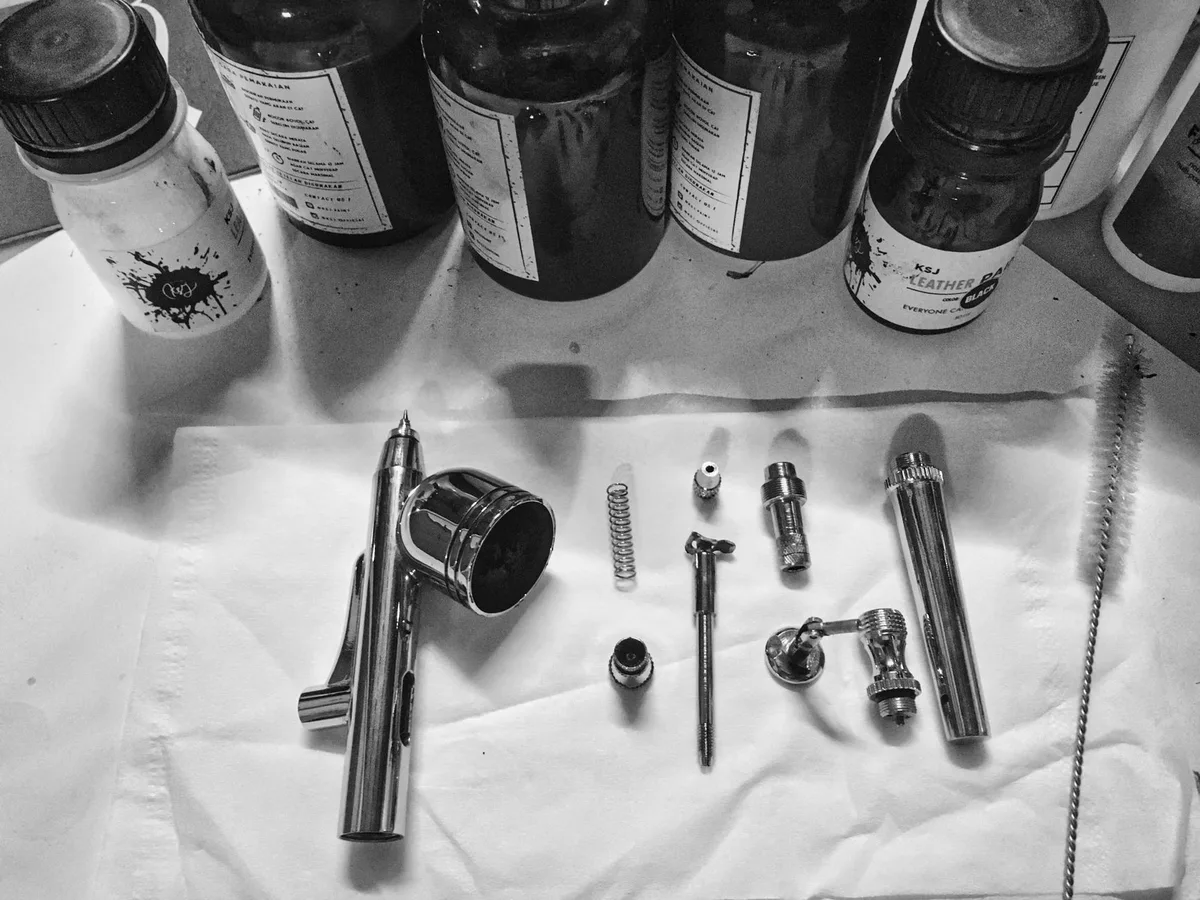
The key is to be gentle and avoid forcing any parts. You're aiming to remove the filter element itself without damaging its delicate structure or its seals. Keep track of any small O-rings or gaskets so you can reassemble it correctly.
Gently Brushing the Filter Element
Once you have the filter element free, use your soft brush to scrub its outer surface. Focus on removing any visible sediment, slime, or organic matter clinging to it. For pleated filters, brushing along the direction of the pleats can be more effective. With ceramic elements, a light scrub is usually sufficient to dislodge surface debris.
Flushing and Rinsing for a Clean Element
After brushing, thoroughly rinse the filter element with clean water. The most effective method is to run clean water backwards through the element, from the filtered (outlet) side to the unfiltered (inlet) side. This helps to dislodge and flush away any remaining particles that the brushing may have loosened. You can use a faucet with low pressure or a water bottle to create a directed stream for this purpose.
Cleaning the Filter Housing
While the filter element is air-drying or being rinsed, take a moment to clean the inside of the filter housing and any other components you removed. A simple rinse with clean water is usually all that’s needed to remove any residual gunk. Ensure no debris is left behind before you begin reassembly.
Special Considerations for Ceramic Elements
If your Katadyn filter uses a ceramic element, the cleaning process is fundamentally the same, but it requires a bit more delicacy. Ceramic is robust for filtering, but it can be brittle and susceptible to cracking if dropped or subjected to excessive force. Always use a soft brush and a gentle touch when scrubbing, and avoid any harsh scrubbing motions that could damage the ceramic surface. Manufacturer specifications often highlight that ceramic elements can be cleaned multiple times before needing replacement, provided they are handled with care and never allowed to freeze.
Essential Maintenance for Longevity
Proper maintenance goes beyond just cleaning. Ensuring your filter is stored and handled correctly between uses is just as crucial for its lifespan and for the purity of the water it delivers. These practices prevent long-term damage and contamination.
Drying Your Filter Properly
After cleaning and rinsing, it's vital to let the entire filter element air dry completely before storing it. If you pack away a damp filter, you risk encouraging the growth of mold, mildew, and bacteria within the filter housing and element. Proper drying prevents these unwanted guests from contaminating your water sources on future trips.
Protecting Your Filter from Freezing
Water expands when it freezes, and this expansion can cause irreversible damage to your filter element. Even hairline cracks, invisible to the naked eye, can compromise a filter's ability to trap microscopic pathogens like bacteria and protozoa. If there's any chance of your filter being exposed to freezing temperatures, it's imperative to pack it away or bring it into a warm environment to prevent damage. This is a critical safety and performance consideration.
Checking Seals Before Reassembly
Before putting your filter back together, take a moment to inspect any rubber gaskets, O-rings, or seals. Ensure they are clean, free of debris, and properly seated. A worn or misplaced seal can allow unfiltered water to bypass the element, leading to contaminated drinking water. Replacing a damaged seal is a simple fix that can prevent a major problem.
Knowing When It's Time for a New Filter Element
Filters don't last forever, and even with diligent cleaning, there comes a point when an element needs to be replaced. Your Katadyn filter's lifespan is usually measured in liters filtered. Manufacturer specifications for typical models often list a capacity ranging from 1,000 to 2,000 liters, depending on the water quality and maintenance routine.
If you've thoroughly cleaned your filter element multiple times and the water flow rate hasn't improved significantly or is still annoyingly slow, it's a strong sign the filter is reaching its end-of-life capacity. Another critical factor is any potential damage. If your filter has been dropped hard, or if you suspect it has frozen and subsequently thawed, it's wise to replace the element immediately for safety.
Is My Filter Still Good?
Here's a quick rundown of when a replacement is likely needed:
- Reduced Flow After Cleaning: If cleaning fails to restore adequate water flow, the pores are likely permanently clogged or degraded.
- Visible Damage: Cracks, chips, or significant wear on the element itself indicate it's compromised.
- Suspected Freezing: If the filter was exposed to freezing temperatures, assume damage unless absolutely certain it was protected.
- Exceeding Capacity: If you've been keeping track and have filtered close to the stated liter capacity, it's time for a new one.
Common Mistakes to Avoid During Cleaning
While cleaning a Katadyn filter is generally straightforward, a few common mistakes can lead to premature wear, reduced effectiveness, or even damage. Being aware of these pitfalls can help you keep your filter performing optimally for longer.
Forcing Parts During Disassembly
One of the most common errors is applying too much force when taking the filter apart. Components are designed to fit snugly, but forcing them can easily lead to stripped threads or cracked plastic housings. Always ensure you’re turning parts in the correct direction and that they aren't catching on anything.
Using Abrasive Cleaners or Stiff Brushes
Harsh chemicals or stiff-bristled brushes can damage the delicate filter media, whether it's ceramic or a specialized pleated material. These can scratch or wear away the material that does the actual filtering of bacteria and protozoa. Stick to plain water and a soft brush specifically designed for cleaning filters.
Not Drying the Filter Properly
As covered in the maintenance section, leaving a filter element damp is a recipe for mold and mildew growth. This not only makes your filter unpleasant to use but can also create health risks. Always ensure the element is completely dry before storing it for any extended period.
Quick Answer: How to Clean Katadyn Water Filter
To clean a Katadyn water filter, you typically need to disassemble it, gently brush the exterior of the filter element to remove sediment, and then rinse the element thoroughly with clean water, ideally by flushing from the outlet side backwards. After cleaning, ensure the entire filter component is completely dried before storage.
This process addresses the primary issue of flow rate reduction caused by clogged pores. The focus is on removing physical debris without damaging the filter media itself. Proper cleaning, combined with adherence to manufacturer guidelines, is essential for maintaining the filter's efficiency and ensuring safe drinking water in the field.
Expert Tips for Maximizing Filter Life
Experienced users and manufacturer recommendations often emphasize a few key practices that go beyond the basic cleaning routine. These habits can significantly prolong the useful life of your Katadyn filter and ensure consistent performance on every trip. Thinking proactively about your filter's use can save you hassle and money in the long run.
One crucial tip is to pre-filter very turbid water before it even reaches your main Katadyn filter. If you're drawing water from a pond thick with sediment, running it through a bandana, a simple cloth filter, or a dedicated pre-filter first can remove the bulk of the larger particles. This significantly reduces the load on your primary filter element, meaning less frequent intensive cleaning and a longer overall lifespan.
Pre-Filtering Murky Water
If your water source is visibly dirty, consider this approach:
- Collect Water: Gather water into a separate container.
- Pre-Filter: Pour the water through a cloth or a dedicated pre-filter unit.
- Filter with Katadyn: Use your Katadyn filter on the pre-filtered water.
This simple step can dramatically increase the time between full cleanings and protect your main filtration element from premature clogging.
When Filter Maintenance Isn't Enough
Sometimes, even with the best cleaning and maintenance practices, a filter element will eventually stop performing as expected. This is not a failure of the filter itself, but rather the natural limit of its lifespan. When you've reached this point, it's time to consider a replacement element to ensure you're always drinking safe water.
If you have followed all cleaning and storage instructions, but your filter consistently delivers a very slow flow rate, or if you suspect damage from freezing or impact, then replacing the element is the safest and most effective course of action. Trying to force water through a compromised filter is a risk not worth taking when your health is on the line.