How to Filter Iron Out of Well Water for 2026: Worth Buying
Hey there! So, you've got that tell-tale reddish-brown stain or maybe a metallic taste popping up in your well water. Yeah, that's usually iron making its presence known. Don't you worry, it's a super common issue with well water, and thankfully, there are practical ways to sort it out.
We're going to walk through this, no complicated jargon, just straightforward advice.
First things first, you can't really tackle iron without knowing how much you're dealing with and what kind of iron it is. This is the key step. Is it dissolved, looking clear until it hits the air? Or is it that chunky, rusty stuff already hanging out in your water?
Getting a water test is pretty much non-negotiable here, and it’s worth the small investment. You can often get kits from local hardware stores, or your county extension office can point you in the right direction for professional testing.
Spotting the Iron Culprit: What Kind Are We Dealing With?
Knowing the type of iron is crucial because it dictates the best filtration method. If you see your water turn rusty only after it's been sitting in a glass or exposed to air, you're likely dealing with ferrous iron. If the rust is already visible in the water as it comes out of the tap, that's usually ferric iron. Bacterial iron is a bit rarer, but it causes slimy deposits.
Ferrous Iron (Clear Water Iron)
This is dissolved iron, so your water looks perfectly clear when it flows from the tap. The problem happens when this dissolved iron interacts with oxygen in the air. This chemical reaction, called oxidation, turns the iron into solid particles, giving you those nasty reddish-brown stains and a metallic taste. This is the most common type of iron issue homeowners face with well water.
Ferric Iron (Red Water Iron)
Ferric iron is iron that has already gone through the oxidation process. That means it's already in solid form, appearing as a rust-colored sediment or cloudiness. You'll probably see it directly in your water before you even turn on the tap. It's like iron that's already had its "reaction" and is now physically present in the water supply.
Bacterial Iron
This is less common but still a possibility. Certain types of bacteria, known as iron bacteria, can feed on iron compounds in the water. As they grow, they create slimy, reddish-brown deposits that can form in your plumbing and well. This can also contribute to that distinct metallic taste and smell you might notice.
Choosing Your Iron-Fighting Weapon: The Filter Decision Tree
This is where we make some smart decisions. Based on your water test results and what you're seeing, we can pick the right tool for the job. Think of this as a diagnostic process for your water. The goal is efficiency and effectiveness.
Step 1: How Much Iron Are We Fighting? (Water Test Insights)
Your water test is the absolute foundation for choosing a filter. It will give you specific numbers, usually in milligrams per liter (mg/L) or parts per million (ppm). This tells you the concentration of iron in your water. For reference, the U.S.
Environmental Protection Agency (EPA) has a secondary drinking water standard of 0.3 mg/L for iron, primarily for aesthetic reasons like staining. Anything significantly above this typically requires treatment.
- Low Levels: Generally considered below 0.3 mg/L. You might get away with simpler solutions or decide not to treat if it's barely noticeable.
- Moderate Levels: Typically between 0.3 mg/L and 5 mg/L. This is where many homeowners find themselves, and dedicated filtration systems become necessary.
- High Levels: Over 5 mg/L. This demands a robust, often multi-stage, treatment approach.
Step 2: What Type of Iron is Dominating?
Once you know the quantity, identifying the type (ferrous, ferric, or bacterial) is the next critical step. Ferrous iron requires methods that can oxidize it before filtering, while ferric iron can often be caught by physical filters. Bacterial iron might need an initial disinfection step. Your water test results or simple visual observation (if it's already rusty in the glass) will guide you here.
Common Iron Filtration Methods: Your System Options
Here’s a look at the most effective ways to get iron out of your well water. Each has its own strengths and is suited for different scenarios.
Physical Filtration: Sediments and Solids
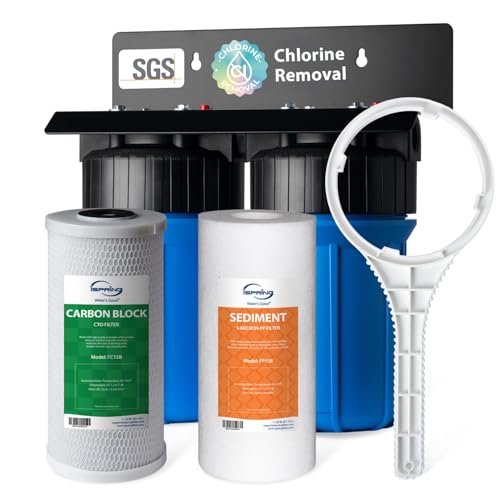
These are often the first line of defense, especially for visible rust particles. They use a physical barrier, like a mesh screen or a porous cartridge, to trap solid particles as water flows through. Think of it like a sieve for your water. They are primarily effective against ferric iron (the already-oxidized, visible rust) and other types of sediment like sand or dirt.
They won't do much for dissolved ferrous iron, as it's clear until it oxidizes.
These filters can clog relatively quickly if there's a lot of sediment, meaning you'll need to replace the filter cartridges more often. Whole-house sediment filters or spin-down filters are common examples.
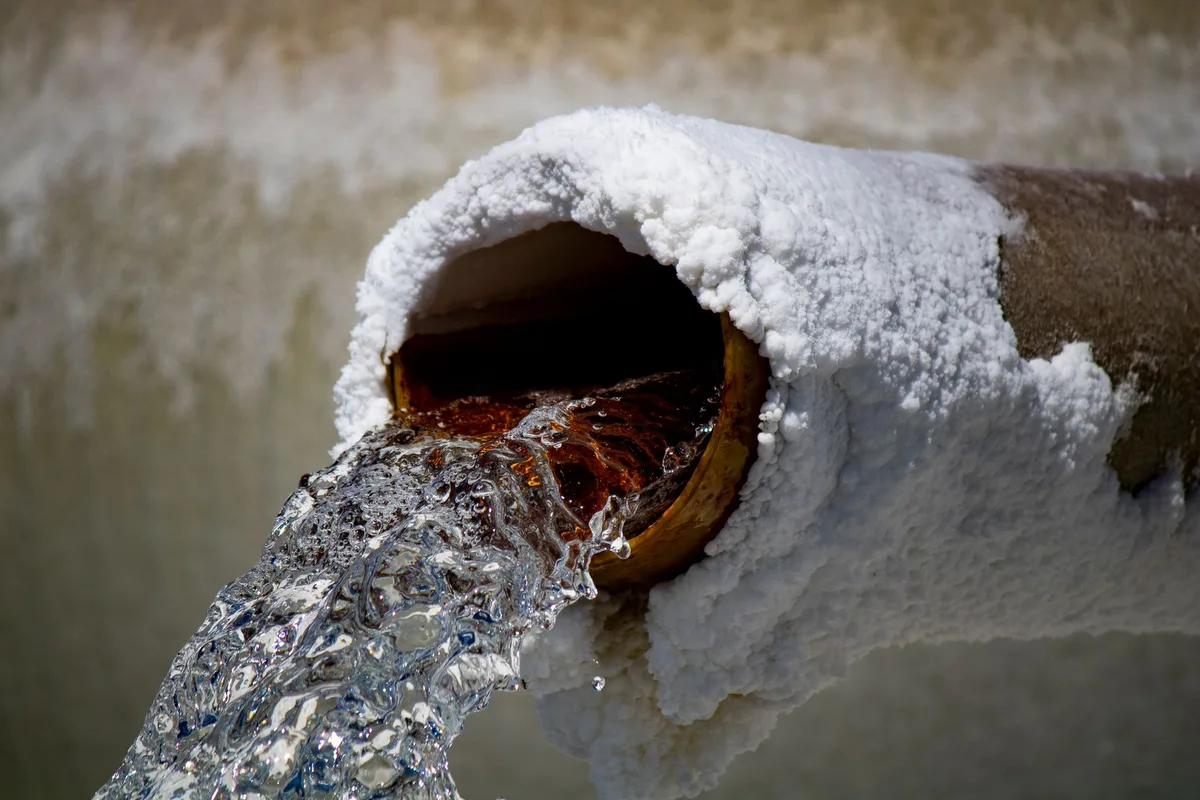
Air Injection Oxidation: Turning Liquid Iron Solid
This is a very popular and effective method for tackling dissolved ferrous iron. The system draws your well water into a tank where it's exposed to air. This forced aeration oxidizes the dissolved ferrous iron, converting it into solid ferric iron particles. Inside the tank, a special media bed then traps these solid particles.
This method is great for dissolved ferrous iron, especially at moderate to higher concentrations where simple filters aren't enough. It's a chemical-free way to treat iron. These systems are generally robust and require minimal maintenance beyond periodic backwashing. They do take up cabinet or closet space due to the tank.
Catalytic Media Filters: The Speedy Oxidizers
These systems use a specialized filtering media that actively speeds up the oxidation of dissolved ferrous iron. Materials like manganese greensand or specific catalytic media work like a catalyst, turning clear water iron into solid rust much faster. The media then filters these iron particles out. They are efficient for ferrous iron across various levels and can often handle other well water issues like manganese and hydrogen sulfide.
Like air injection systems, these filter media beds need periodic cleaning through a process called regeneration. This typically involves backwashing them to flush out trapped iron and other contaminants.
Chemical Oxidation: For Tougher Iron Jobs
This method involves injecting an oxidizing chemical, such as chlorine or hydrogen peroxide, into the water flow before it reaches a filtration stage. The chemical forces the dissolved iron to oxidize into solid particles. These solid particles are then physically removed by a filter, often a multi-media filter designed for tougher contaminants.
This system is powerful for high iron concentrations or when you need to address multiple issues at once, such as iron and bacteria. It requires handling and storing chemicals, which isn't ideal for everyone. You also must ensure the chemical is either neutralized or completely removed from the water before it reaches your taps, especially for drinking and cooking, to ensure safety.
Water Softeners: A Limited Role for Iron
Traditional water softeners are designed to remove "hardness" minerals like calcium and magnesium through an ion exchange process, typically swapping them for sodium ions. They work best for very low levels of dissolved ferrous iron, generally under 2 parts per million (ppm). Some softeners are specifically designed with enhanced resin to handle slightly more iron than standard units.
However, softeners are NOT a primary solution for moderate to high iron levels. If you have significant iron, it can quickly coat and foul the softener's resin beads. This reduces the softener's ability to remove hardness minerals and can eventually damage the unit, making it less effective and requiring premature replacement of the resin.
Putting It Together: Your Personalized Path to Clear Water
This step is all about matching your specific water test results and iron type to the right solution. It’s like a diagnostic process for your water. If you have high iron, you need a robust system; if it's low and clear, maybe a simpler approach will do.
Scenario A: Low Ferrous Iron, Little Sediment
If your water test shows less than 1 mg/L of dissolved ferrous iron and minimal sediment, an air injection oxidation system or a catalytic media filter is usually a solid, straightforward choice. These systems are designed to handle this common scenario efficiently without adding chemicals. They operate on a principle of oxidation followed by physical trapping, quietly keeping your water clear day in and day out.
Scenario B: Moderate Ferrous Iron and Some Sediment
When your iron levels are in the moderate range, say 1 mg/L to 5 mg/L, and you're also seeing some particulate matter, you’ll want a system that’s slightly more robust. Air injection or catalytic media filters are still excellent options here, but you might also consider a system that offers enhanced filtration alongside its oxidation capabilities. This ensures both the dissolved iron gets converted and then effectively removed from your water supply.
Scenario C: High Ferrous Iron or Mixed Iron Types
For concentrations of ferrous iron significantly above 5 mg/L, or if you're dealing with a combination of ferrous and ferric iron, a higher-powered solution is needed. This is often where chemical oxidation systems shine. Injecting chlorine or hydrogen peroxide creates strong oxidizing conditions to convert the iron. This is then followed by a specialized multi-media filter designed to handle larger amounts of oxidized iron and other potential contaminants.
Scenario D: Primarily Ferric Iron (Visible Rust)
If your main issue is visible rust particles and your ferrous iron level is low, a good whole-house sediment filter might be all you need. These filters are designed to physically capture the solid rust particles your water test reveals. You'll need to determine the appropriate micron rating for the sediment filter based on the size of the particles indicated by your test or visual inspection. Regular replacement or cleaning of these filters will be key.
Scenario E: Suspected Iron Bacteria
If you’re seeing slimy deposits or a distinct metallic/oily film in your water, you might be dealing with iron bacteria. This scenario often requires a two-pronged approach. First, you need to disinfect the water to kill the bacteria; this is commonly done using a UV sterilizer or a chemical injection system like chlorine. After disinfection, a sediment or oxidation filter is necessary to remove the iron particles and byproducts the bacteria have left behind.
Expert Tips for Iron Filtration Success
Making sure your chosen iron filter works effectively long-term involves a few key practices. Don't skip out on regular maintenance, as it’s the main difference between a system that works great and one that slowly loses its punch. Always consult your system's manual for specific instructions, as they can vary.
Avoiding Common Filtration Mistakes
One of the biggest slip-ups people make is not getting their water tested properly before buying a system. Installing a filter designed for just dissolved iron when you have a lot of sediment, for instance, will lead to constant clogging and frustration. Another common error is undersizing the system; if your water pressure drops significantly after installation, the filter is likely too small for your home's flow rate needs, a common issue with many standard models.
Maintenance for Long-Term Performance
Regularly inspect and replace sediment filter cartridges as recommended by the manufacturer, usually every 1, 3 months depending on your water’s sediment load. For air injection and catalytic media filters, ensure the system performs its automatic backwash cycles as scheduled. This flushes out trapped iron and keeps the media bed clean and effective. Chemical oxidation systems require monitoring of chemical levels and periodic checks of the injection pump and dosing.
When to Call in the Pros
While many iron filtration systems are designed for DIY installation, there are times when professional expertise is invaluable. If your water test results are extremely high or complex, showing a mix of iron issues alongside other contaminants like high nitrates or sulfates, a water treatment specialist can design a custom, multi-stage system. They can also ensure proper sizing for your home's plumbing and water usage, and can handle any tricky aspects of installation, like integrating filters with your existing well pump and pressure tank setup.