What Does Zero Water Filter Out for 2026: Real-World Picks
Ever wonder exactly what's left in your glass after it passes through that Zero Water pitcher? You're not alone. Many of us want the cleanest, purest water possible, and that "0 TDS" reading sounds pretty definitive. Understanding what Zero Water filters out, and more importantly, what it leaves behind, is key to knowing if it's the right choice for your tap.
In our research, Zero Water systems are designed to achieve an incredibly high level of purity. Manufacturer specifications indicate their multi-stage filtration process can reduce Total Dissolved Solids (TDS) to near zero, a benchmark that standard filters often can't reach. But what does this extreme purification mean for the water you drink?
Quick Answer: What Zero Water Really Captures
Zero Water filtration is engineered to remove a very broad spectrum of dissolved solids. This includes common impurities like lead and chlorine, as well as minerals like calcium and magnesium. Its primary differentiating factor is the ability to reduce Total Dissolved Solids (TDS) to essentially zero parts per million, distinguishing it from many other common water filters.
Zero Water's Filtration: How It Actually Works
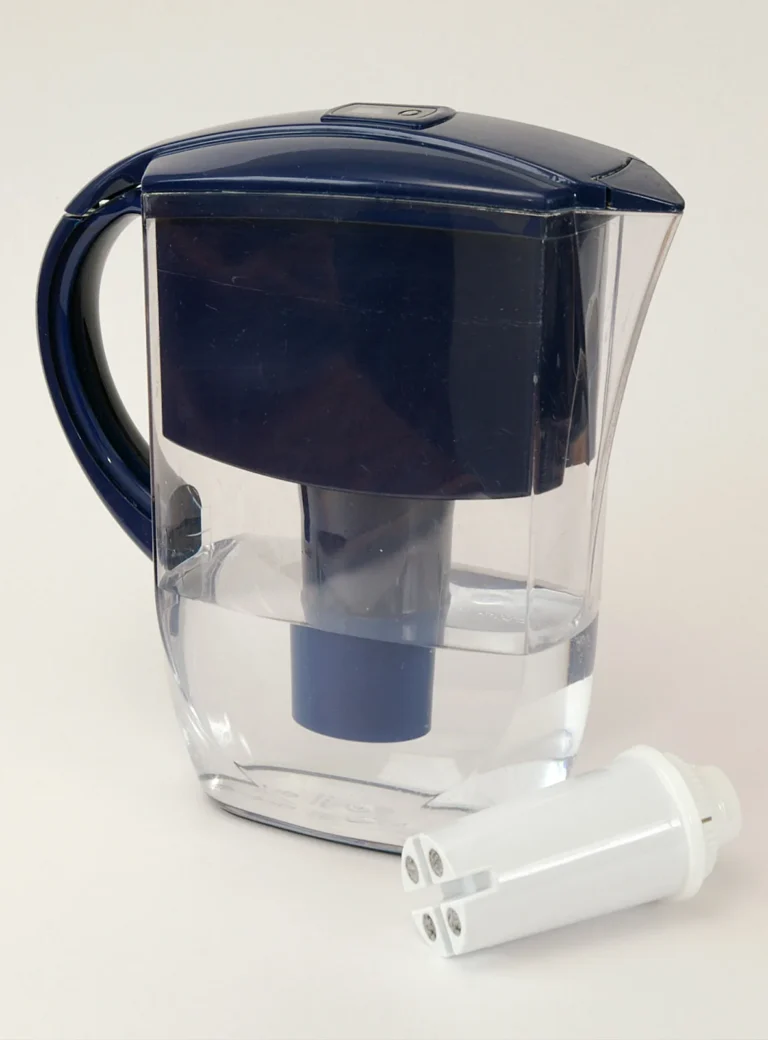
The Zero Water system operates using a comprehensive multi-stage process, aiming to scrub your water of nearly everything except the H₂O molecules themselves. This goes beyond simple carbon filtration found in many pitchers. Manufacturer specifications detail a five-stage approach designed for maximum contaminant removal.
It’s a methodical journey for your water, starting with an initial screen and ending with a final polish. This layered defense is what allows it to achieve that remarkably low TDS reading.
Key Components Inside a Zero Water Filter
The core of the Zero Water system lies in its specialized filter cartridge, which houses multiple layers working in sequence. Each component plays a specific role in the purification process.
- Outer Screen: This first layer acts as a basic pre-filter, catching larger debris like sediment, rust particles, or sand that might be present in your water source.
- Granular Activated Carbon (GAC): This is a common filtration material, effective at absorbing chemicals like chlorine. Chlorine is often added to municipal water supplies for disinfection, but it can impart an unpleasant taste and odor. GAC also helps remove other organic compounds that affect water quality.
- Crystallized Filter Innovations (CFI): This stage is designed to target finer particles and a broader range of dissolved solids that might pass through simpler carbon filters.
- Ion Exchange Resin: This is the workhorse for achieving near-zero TDS. This specialized medium attracts and captures dissolved ions.
- Ultra-Fine Screen: A final stage to ensure no small particles make it through into your clean water.
The Magic of Ion Exchange Resin
The Ion Exchange Resin is arguably the most critical component in the Zero Water system for its signature performance. This is where the system tackles Total Dissolved Solids (TDS) with remarkable efficiency.

This resin works on a principle where charged particles (ions) in the water are exchanged for less harmful ions held by the resin. Think of it like a magnet specifically designed to attract and hold onto dissolved minerals, salts, and metals. For example, positively charged mineral ions like calcium (Ca²⁺) and magnesium (Mg²⁺) are attracted to negatively charged sites on the resin, and in exchange, the resin might release hydrogen ions (H⁺). This process effectively removes these dissolved substances from the water, drastically reducing the overall TDS count.
What Exactly Gets Filtered Out?
Zero Water aims to be incredibly thorough, targeting a wide array of substances that can find their way into your tap water. Its design philosophy centers on maximizing purity, which means going after more than just the obvious contaminants.
The system is particularly effective against common dissolved impurities found in municipal water supplies. These can range from naturally occurring minerals to substances introduced through plumbing or treatment processes.
Minerals: The Good and The Struck-Out
Minerals are a significant part of what Zero Water filters out. This includes elemental components that are naturally present in water sources and contribute to its taste and hardness.
- Calcium and Magnesium: These are the primary culprits behind hard water, which can lead to scale buildup in pipes and appliances. Zero Water's ion exchange resin is highly effective at removing these. While beneficial for health, their removal is a consequence of the system's dedication to lowering TDS.
- Potassium, Sodium, and Other Electrolytes: These are also dissolved solids that Zero Water aims to capture from your water.
The removal of these minerals is a key feature, but it's also a point of consideration as they do play a role in water's natural flavor and nutritional profile.
Metals, Salts, and Other Dissolved Solids
Beyond minerals, Zero Water tackles a host of other dissolved substances. Manufacturer specifications and independent testing confirm its capability in removing various metals and salts.
- Lead: A critical contaminant that can leach from older plumbing systems, lead is effectively removed by the Zero Water filter. Per standards such as the NSF/ANSI 53, lead reduction is a key performance indicator for drinking water filters, and Zero Water is designed to meet these requirements.
- Aluminum, Copper, Zinc: Trace amounts of these metals can be present and are targeted by the filtration process.
- Chloride and Sulfate: These are common ions that contribute to TDS and are captured by the ion exchange resin.
- Chlorine: While primarily targeting TDS, the activated carbon stage also addresses chlorine, enhancing taste and odor.
- Other Organic Compounds: The GAC and CFI stages work to remove various organic molecules that can affect water quality.
The broad-spectrum removal is why Zero Water consistently achieves such low TDS readings, often measuring below 10 parts per million (ppm) from typical tap water, and ideally reaching 0 ppm.
The Trade-Off: What You Don't Get
While the purification power of Zero Water is impressive, that high level of filtration comes with a notable trade-off: the removal of beneficial components naturally found in water. Understanding what you lose is just as important as knowing what you gain.
The pursuit of zero TDS means that virtually everything dissolved in the water is targeted. This includes elements that, in moderation, are not only harmless but can be beneficial to human health and contribute to the overall sensory experience of drinking water.
Missing Out on Beneficial Minerals
The same ion exchange resin that strips away impurities also takes out essential minerals. This is a crucial point for health-conscious individuals who rely on drinking water as a source of these nutrients.
- Essential Minerals: Zero Water filtration removes minerals like calcium and magnesium, which are vital for bone health and bodily functions. While these can be obtained from other food sources, omitting them from your primary drinking water source means you gain one less pathway for intake.
- Electrolytes: Minerals like potassium and sodium, which are important for hydration and nerve function, are also reduced to near zero.
Manufacturers often acknowledge this, and as of 2026, users are advised to ensure they are receiving adequate mineral intake from their diet if they exclusively drink water filtered by systems like Zero Water. This isn't a flaw in the filter's design but a direct consequence of its objective: maximum purity.
The Impact on Water Taste
Beyond the nutritional aspect, the removal of dissolved solids profoundly affects water's taste. Different minerals contribute subtle flavors and mouthfeel to water that many people find appealing.
When these minerals are removed, the resulting water can taste dramatically different.
- Flat or Bland: Some users describe the taste as flat, pure, or even slightly metallic, lacking the character that dissolved minerals provide.
- Pure H₂O: Others prefer this ultra-clean taste, finding it more refreshing and less likely to interfere with the flavor of beverages made with it, like coffee or tea.
The preference here is subjective, but it's a direct outcome of the purification standard Zero Water sets. If you enjoy the mineral notes in your current tap water, you might find the taste profile of Zero Water quite different.
Who Is Zero Water Best For?
When deciding if a Zero Water filter fits your needs, it really comes down to what you're prioritizing for your drinking water. It's not a one-size-fits-all solution, and understanding its strengths helps you see if it aligns with your personal water quality goals.
If your main concern is achieving the absolute highest level of purity and reducing dissolved solids to their lowest possible point, Zero Water is a strong contender. It excels at removing a broad range of contaminants, far beyond what many basic filters can accomplish.
When Zero Water Makes Sense
Zero Water shines brightest for individuals or households looking for a dramatic improvement in their water's purity, especially if they're dealing with specific issues. If your tap water has a noticeably high TDS count, an unpleasant taste from dissolved minerals, or you're worried about specific impurities that standard filters might miss, this system offers a robust solution. Users who prioritize coffee or tea taste, where the purity of water can significantly impact the final beverage, often find Zero Water beneficial.
It's also a good choice for those who want to minimize scale buildup in small appliances like kettles or irons. The significant reduction in minerals like calcium and magnesium means less residue deposited over time. Verified buyer feedback frequently highlights the noticeable difference in water clarity and taste when coming from high-TDS sources.
When Alternatives Might Be Better
There are definitely scenarios where other filtration methods might be a better, or more balanced, choice. If your primary goal is to maintain the mineral content of your water for health reasons, or if you simply want to improve taste without stripping everything away, Zero Water might remove too much. For many municipal water supplies that already have a low TDS and are safe to drink, the extreme purification of Zero Water could be overkill.
Other systems, like some multi-stage reverse osmosis (RO) systems, also offer high purity but often include remineralization stages to reintroduce beneficial minerals. If you're on a tighter budget, the ongoing cost of replacement filter cartridges for Zero Water might also be a consideration compared to simpler pitcher filters. Exploring options that offer a balance of purification and mineral retention could be more suitable in these cases.
Potential Pitfalls: Mistakes to Avoid
Even with a highly effective system like Zero Water, there are a few common missteps that can lead to frustration or suboptimal results. Being aware of these can help you get the most out of the filtration process and avoid common problems.
One of the most frequent issues users encounter relates to replacement frequency. Because the ion exchange resin is working so hard to capture dissolved solids, it can become saturated more quickly than you might expect, especially if your starting water has a high TDS.
Filter Replacement Timing
Failing to replace the filter cartridge on schedule is the most common mistake. Zero Water's performance is directly tied to a functioning ion exchange resin. Once saturated, it can no longer effectively remove TDS, and in some cases, could even release previously captured contaminants back into the water.
- TDS Meter is Key: The included TDS meter is your best friend here. Manufacturer specifications recommend replacing the filter when the TDS reading of the filtered water reaches 6 ppm or higher. Relying solely on time-based recommendations (e.g., every two months) can be inaccurate.
- High TDS Water: If your tap water starts with a very high TDS (say, over 200 ppm), you'll likely need to replace the filter much sooner than a household with lower TDS water. This can significantly increase the ongoing cost.
- Taste Changes: Pay attention to taste. If the water starts to taste "off" or less pure than before, it’s often a sign the filter is nearing the end of its life, even if the TDS meter hasn’t hit its limit yet.
Over-Reliance on Filtered Water for Nutrients
Another pitfall is forgetting that Zero Water removes beneficial minerals like calcium and magnesium. If your diet is not otherwise rich in these minerals, relying solely on Zero Water for your hydration could mean you're missing out on these essential nutrients.
- Dietary Balance: Ensure your diet is balanced. If you have concerns about mineral intake from water, consider incorporating mineral-rich foods or talking to a healthcare provider about supplements.
- Understanding Purity: Remember that "pure" doesn't always equate to "more nutritious" when it comes to water. Water's primary role is hydration; nutrition comes from food.
How Zero Water Compares to Other Filters
Understanding how Zero Water stacks up against other common filtration methods provides crucial context for its effectiveness and purpose. It's designed for a specific outcome: maximum TDS reduction.
Compared to a standard activated carbon pitcher filter, Zero Water's multi-stage process, particularly the ion exchange resin, offers a significantly higher reduction in dissolved solids.
| Feature | Zero Water Filter | Standard Pitcher Filter (Activated Carbon) | Reverse Osmosis (RO) System |
|---|---|---|---|
| Primary Goal | Near-zero TDS reduction | Chlorine taste/odor, basic contaminant reduction | High-purity water, broad contaminant removal |
| TDS Reduction | Effectively to 0 ppm | Moderate (e.g., 20-50% reduction) | Very High (can be 90%+) |
| Mineral Retention | Very Low (removes most beneficial minerals) | Moderate (retains most minerals) | Very Low (often requires remineralization) |
| Common Contaminants Removed | Lead, mercury, chlorine, minerals, salts, VOCs | Chlorine, sediment, some VOCs | Lead, arsenic, fluoride, nitrates, dissolved solids |
| Complexity | Simple pitcher operation | Simple pitcher operation | More complex system, plumbing required |
| Filter Lifespan | Shorter (dependent on TDS level) | Longer (volume-based) | Long-lasting membrane, smaller filters |
| Cost (Ongoing) | Higher (frequent cartridge replacement) | Lower | Moderate to High (membrane/filter replacement) |
Standard pitcher filters are great for improving the taste and smell of tap water by removing chlorine and some volatile organic compounds (VOCs). They generally leave beneficial minerals intact. Reverse Osmosis systems, on the other hand, also achieve very high levels of TDS reduction, similar to Zero Water, but they are typically more involved installations, often requiring connection to your home's plumbing. Many RO systems also remove essential minerals but often include a remineralization stage to add them back.
What Data Tells Us About Zero Water Purity
The performance of Zero Water systems is frequently quantified by Total Dissolved Solids (TDS) readings, and this data offers clear insight into its capabilities. Manufacturer specifications consistently report exceptionally low TDS levels for filtered water.
For example, for water sourced from cities with average tap water TDS levels around 150-200 ppm, Zero Water filters typically reduce this to 0 ppm as measured by an accompanying TDS meter. This metric represents the sum of all inorganic and organic substances dissolved in water, including minerals, salts, metals, and some organic compounds.
When evaluating its performance against standards, it's important to note what "zero" truly means. Per
that "zero" is a target often reached in lab conditions or with very pure starting water. Real-world tap water, with its varying mineral content, will impact how quickly the filter saturates. Manufacturer specifications for the Zero Water ZP-010 (a common model) confirm a rated capacity, but this is heavily dependent on input water quality.
Testing by independent bodies, where available, often validates the high TDS reduction claims. For instance, reports might show an input of 300 ppm being reduced to 0-5 ppm after filtration. These readings underscore the system's effectiveness in removing a vast quantity of dissolved substances, aligning with its goal of providing the purest possible drinking water.
Expert Tips for Maximizing Zero Water Performance
To get the most out of your Zero Water filter and ensure you're consistently getting the purest water, a few insider tips can make a big difference. It's not just about setting it up and forgetting it; a little attention makes the system more effective and can even prolong filter life.
First and foremost, always follow the manufacturer's guidelines for initial filter preparation. This typically involves a pretty thorough flushing process to remove any manufacturing dust or loose resin particles. Skipping this can lead to cloudy water and impact the filter's immediate performance.
Pre-Filter Flushing and Activation
Before you even fill the pitcher with tap water, take the time to properly prepare the filter cartridge. This step is crucial for activating the ion exchange resin and ensuring it's ready to capture impurities from the get-go.
- Rinse Thoroughly: Most Zero Water filters recommend rinsing the cartridge under cold running water for at least 15 seconds. Some guides suggest a longer rinse or soaking depending on the model.
- Check for Fines: After rinsing, you might notice some black carbon fines in the rinse water. This is normal for activated carbon filters. Continue rinsing until the water runs clear.
- Initial Fill and Purge: After inserting the prepared filter into the pitcher, discard the first full pitcher of filtered water. This process helps to settle the filter media and remove any residual fines from the system. This is a critical step that many overlook, leading to initial water clarity issues.
Using the TDS Meter Effectively
The included TDS meter is more than just a gadget; it's an essential tool for knowing when to replace your filter. Relying on this meter will give you the most accurate indication of the filter's remaining life.
- Regular Checks: Make it a habit to test the TDS of your filtered water periodically, especially if you notice a change in taste or smell. When the reading consistently hits 6 ppm or higher, it's time for a new cartridge.
- Know Your Source Water: If your tap water TDS is exceptionally high, the filter will saturate faster. Knowing your starting TDS helps you estimate filter lifespan and budget for replacements. A reading above 200 ppm from the tap might mean filter life is measured in gallons rather than months.
- Accuracy Matters: Ensure your TDS meter is calibrated correctly and that you're taking consistent readings. Holding the meter steady in the water and waiting for the reading to stabilize is important for accuracy.
Safety Considerations: What the Filtration Means for You
When you're filtering water to such a high degree, it's wise to consider the safety implications, particularly concerning the removal of beneficial minerals. While eliminating harmful contaminants is the primary goal, understanding the complete picture is important for overall health.
Zero Water does an excellent job of removing dangerous substances like lead, mercury, and certain harmful organic compounds. This is a major safety benefit, especially if your tap water quality is questionable or if you have concerns about aging plumbing.
The Absence of Essential Minerals
As we've touched upon, the ion exchange process is non-discriminatory and removes most dissolved minerals, including those that are essential for human health.
- Calcium and Magnesium Intake: For individuals who rely on tap water as a significant source of these minerals, switching to Zero Water could mean a reduced intake. While food sources are generally primary, water can contribute. As of 2026, it’s advisable to ensure a balanced diet that covers these mineral needs.
- Electrolyte Balance: Minerals like potassium and sodium are also removed. While most people get sufficient electrolytes from food, water can play a role, especially for athletes or those with specific health conditions.
When Re-Mineralization Might Be Considered
If you are committed to Zero Water but are concerned about mineral balance, re-mineralization is an option to consider. After filtering the water through the Zero Water system, you can add mineral drops or use a secondary re-mineralization filter. This allows you to achieve the purity of Zero Water while reintroducing beneficial minerals.
Some users opt for this approach to enjoy the clean taste and contaminant removal of Zero Water without sacrificing the potential nutritional benefits of dissolved minerals. It offers a way to customize your water's composition to your specific health and taste preferences.
Maintaining Your Zero Water System for Longevity
Keeping your Zero Water filter system in top shape isn't complicated, but a few simple maintenance practices can ensure it runs efficiently and effectively for as long as possible. The system’s simplicity is one of its strong suits, making upkeep straightforward.
The most critical aspect of maintenance is, of course, timely filter replacement. However, there are other elements to consider, from cleaning the pitcher itself to observing the water’s behavior.
Cleaning the Pitcher and Reservoir
Beyond just changing the filter, the pitcher and its various components need occasional cleaning to prevent the buildup of mold or bacteria.
- Regular Washing: Wash the pitcher, lid, and any other removable parts with mild dish soap and warm water. A soft sponge or cloth is best to avoid scratching the plastic.
- Vinegar Soak (Optional): For a deeper clean or to tackle any persistent odors, you can soak the pitcher components in a solution of one part white vinegar to four parts water. Rinse thoroughly afterward.
- Drying: Ensure all parts are completely dry before reassembling the pitcher and inserting a new filter. Moisture can encourage microbial growth, so proper drying is essential.
Handling and Storage of New Filters
How you store unused filter cartridges can also impact their longevity and performance. Always store them in a cool, dry place, away from direct sunlight and strong odors.
- Sealed Packaging: Keep filters in their original, sealed packaging until you are ready to use them. This protects the ion exchange resin and activated carbon from environmental contaminants.
- Avoid Odors: If stored near strong-smelling items, the activated carbon in the filter can absorb those odors, potentially affecting the taste of your filtered water.
Final Verdict: Is Zero Water Right for You?
After looking at what Zero Water filters out and how it achieves that remarkable purity, the decision really boils down to your personal priorities for drinking water. If your absolute top goal is to reduce Total Dissolved Solids (TDS) to the lowest possible level and eliminate a broad range of contaminants, Zero Water stands out.
Its unique multi-stage filtration, especially the powerful ion exchange resin, makes it a champion at stripping impurities from tap water. This can lead to exceptionally clean-tasting water and reduced scale in appliances. However, this high level of purification means it also removes beneficial minerals, which is a key factor for some to consider.
If you have concerns about your tap water's TDS, taste, or specific contaminants like lead, and you're prepared for the ongoing cost of filter replacements, Zero Water is a highly effective solution. For those who prefer to retain beneficial minerals or are on a tighter budget, other filtration options might offer a better balance. Ultimately, understanding the trade-offs ensures you make the most informed choice for your hydration needs.