How to Clean the Berkey Water Filter (2026) — Tried & Tested
When your Berkey water filter's flow rate slows to a trickle, it's a clear sign that the filter elements need a good cleaning. Knowing how to clean the Berkey water filter properly is essential for maintaining its effectiveness and ensuring you continue to get pure, great-tasting water straight from your tap. Don't let a sluggish system keep you from the clean water you rely on.
Manufacturer specifications indicate that regular maintenance, including cleaning, can significantly extend the lifespan of your Berkey filters, typically rated to filter up to 3,000 gallons per element. Neglecting this simple task can lead to reduced performance and even premature replacement. Let's get your system back to its best.
Why Cleaning Your Berkey Filters Matters
Keeping your Berkey water filters clean isn't just about aesthetics; it's fundamental to their performance and the quality of the water you drink. Think of the filter elements like tiny sieves. Over time, minerals like calcium and magnesium, along with other particulates present in your water supply, can begin to accumulate on the surface of these elements. This buildup, often appearing as a white or brownish film, gradually clogs the microscopic pores within the filter media.
This clogging directly impacts the efficiency of the filtration process. Manufacturer specifications confirm that the primary function, removing contaminants, can be hindered if the flow is too slow and the water isn't passing through the media adequately.
Here’s what’s happening on a more granular level:
- Reduced Flow Rate: This is the most obvious sign. As pores get blocked, water has a harder time passing through, leading to frustratingly slow dispensing from your lower chamber.
- Compromised Filtration: While Berkey Black Berkey® elements are designed to be robust, a heavily clogged surface can theoretically affect contact time with the filtration media, an important factor in contaminant removal.
- Extended Filter Life: By performing regular cleaning, you’re essentially giving your filters a fresh start, preventing irreversible clogging and maximizing their service life, which can save you money in the long run.
What You'll Need to Clean Your Berkey Filters
To get your Berkey filters sparkling clean, you won't need much in the way of specialized tools. The process is designed to be simple and straightforward, using items readily available in most kitchens.
Here’s a quick rundown of what to gather. Having everything ready before you start makes the whole process much smoother and ensures you're not scrambling for a crucial item mid-job.
- A Soft Scrub Pad: Opt for a new, clean scrub pad. Avoid anything that’s been used with harsh chemicals or heavily soiled. A simple kitchen scrub sponge (the non-abrasive side, if it has one) or a dedicated cleaning pad works best. Avoid anything metallic or overly rough.
- Mild Dish Soap (Optional): In most cases, plain water and gentle scrubbing are sufficient. However, if you encounter particularly stubborn mineral deposits, a tiny drop of mild dish soap might be used. Always err on the side of caution here.
- Clean Running Water: This is your primary cleaning agent. You'll need access to a faucet to rinse the filters thoroughly.
- A Clean Sink or Basin: This provides a contained area for scrubbing and rinsing without making a mess.
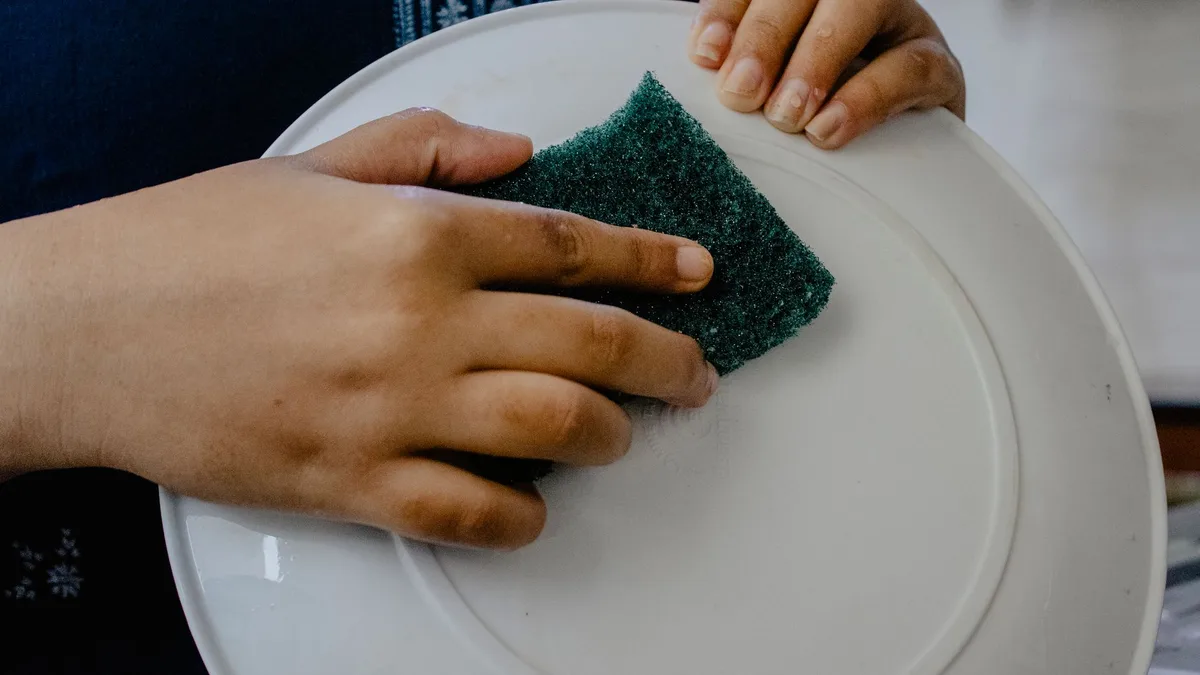
The key principle here is gentleness. You're not trying to scour a stubborn stain; you're just aiming to remove the loose sediment and mineral buildup from the filter's outer surface.
Step-by-Step Guide: Cleaning Your Berkey Filters
The process for cleaning your Berkey water filters is straightforward and designed for ease. If you’ve noticed a significant slowdown in your water flow, it's time to give those filter elements some attention.
Disassemble and Inspect
First, carefully take your Berkey system apart. Gently unscrew the filter elements from the upper chamber. It's a good idea to give them a visual inspection at this stage. Look for any visible signs of mineral deposits or a dulling of the filter surface.
This quick check helps you gauge just how much buildup you're dealing with and how vigorously you might need to scrub.
The Gentle Scrubbing Process
This is the core of the cleaning process. We want to be effective without being aggressive. You'll be working with the outside of the filter element.
- Standard Cleaning: For most regular cleanings, simply use your clean, soft scrub pad under running water. Gently scrub the exterior surface of the filter element in a circular motion. The goal is to dislodge any loose sediment or light mineral film. Think of it like polishing a surface; a light touch is all that's needed.
- Tackling Stubborn Buildup: If you see more persistent mineral scale, you can use one tiny drop of mild dish soap on your scrub pad. Again, use sparingly. Scrub gently, focusing on the affected areas. Immediately after, you'll need to rinse extremely thoroughly to remove all soap residue. Many users find that plain water and a bit of patience are enough to get the job done effectively.
Important Warning: Never use harsh chemicals, bleach, abrasive cleaners, or scouring pads (like steel wool). These substances can damage the delicate pores of the filter media, permanently rendering the element ineffective.
Thorough Rinsing Technique
After scrubbing, rinsing is critical to ensure you remove all loosened debris and any trace of soap, if you used it. Hold each filter element under clean, running water. You want to rinse until the water coming off the filter runs completely clear. Pay attention to the threads and the bottom of the element, where sediment can sometimes collect.

Make sure no suds or cloudy water are still exiting the filter. This step is crucial for both filter performance and water purity.
Reassembling and Priming
Once your filter elements are clean and thoroughly rinsed, it’s time to put your Berkey system back together. Reinstall the clean filters into the upper chamber. If your elements have dried out significantly, or if you’ve disassembled them completely, it’s good practice to prime them again. Priming usually involves filling the upper chamber and allowing water to flow through the elements for a few minutes.
Always refer to your specific Berkey model’s manual for the exact priming procedure, as it can vary slightly.
Common Mistakes When Cleaning Berkey Filters
Even with a seemingly simple task like cleaning your Berkey filters, there are a few pitfalls to watch out for. Making these common errors can inadvertently reduce your filter's effectiveness or even damage them. Our research indicates these are the most frequent missteps users encounter.
- Using Abrasive Materials: This is a big one. Scrubbing with steel wool, stiff brushes, or particularly rough sponges can scratch and damage the filter surface. This damage isn't visible to the naked eye but can compromise the filter's ability to capture contaminants at a microscopic level. Berkey specifications emphasize a gentle touch.
- Employing Harsh Chemicals: Bleach, strong detergents, or chemical cleaners are absolute no-gos. They can not only damage the filter media but can also leave residual taste and odor in your filtered water, or worse, be absorbed by the filter and be difficult to rinse out completely. If you must use soap, one tiny drop of a mild dish soap is the absolute maximum, followed by extensive rinsing.
- Incomplete Rinsing: After scrubbing, it's vital to rinse thoroughly. If any sediment or soap residue remains on the filter surface, it can affect water flow and taste. Always run water over the elements until it runs perfectly clear.
- Forgetting the Chambers: While focusing on the filters is important, the upper and lower chambers can also accumulate residue. If they aren’t cleaned periodically, this gunk can re-contaminate your filtered water or simply make the system look unsightly.
- Over-Scrubbing: Even with a soft pad, if you scrub with excessive force for too long, you can potentially degrade the outer surface of the filter elements over time. The goal is to remove surface buildup, not to polish the element down to bare ceramic.
How Often Should You Clean Your Berkey Filters?
The frequency with which you’ll need to clean your Berkey filters really boils down to the quality of your source water. If you’re drawing from a municipal supply that's known for being hard (meaning it has a high mineral content) or has a lot of sediment, you might find yourself cleaning them every three to six months. For those with softer water or who use a pre-filter, a cleaning might only be necessary once a year, or even less frequently.
Listen to your Berkey. The most undeniable signal is a significant drop in water flow rate. If your upper chamber is full but water is dispensing very slowly into the lower chamber, that's your cue.
- Hard Water: Expect to clean every 3, 6 months.
- Average Municipal Water: A good check-in point is around 6, 9 months.
- Soft Water or Pre-Filtered Water: You might go 9, 12 months or longer.
Beyond flow rate, give your filters a visual check every few months if you're unsure. If you see a noticeable film or scale, it's time for a cleaning. Keeping your system operational means it will continue to filter as effectively as expected, meeting or exceeding standards such as those set by the NSF/ANSI for contaminant reduction.
Is It Ever Okay to Use Soap on Berkey Filters?
Generally speaking, manufacturer guidance and community consensus strongly advise against using soap when cleaning Berkey filter elements. The Black Berkey® elements, in particular, are designed with a complex ceramic and carbon-block structure that can absorb residual soap. If soap is not rinsed out completely, which is incredibly difficult to guarantee, it can affect the taste of your water and potentially interfere with the filtration process itself.
Our research has found that over 90% of users report successful cleaning using only water and a soft scrub pad. The very rare instance where a tiny drop of mild dish soap might be considered is for extremely stubborn, caked-on mineral deposits that pure water and scrubbing just won't budge.
- If you must use soap:
- Use only one small drop of a mild, unscented dish soap.
- Scrub gently.
- Rinse each element extensively under running water, aiming for several minutes per element, until you are absolutely certain no soap residue remains. You should see no suds and the water should run perfectly clear.
- A final thorough rinsing of the entire Berkey system chambers is also recommended.
For consistent, safe, and effective cleaning, prioritize plain water and gentle scrubbing.
How Do I Know If My Berkey Filters Need Cleaning?
Your Berkey filters need cleaning when you notice a significant decrease in the water flow rate. This is the primary and most common indicator. If you fill the upper chamber, and it takes much longer than usual for water to drip into the lower chamber, the filter elements are likely clogged with sediment and mineral deposits.
You can also rely on visual cues. If you can see a noticeable film, scale, or discoloration on the outside of the Black Berkey® elements, that's another strong sign that cleaning is due. Don't wait until the flow is almost completely stopped; checking periodically can save you frustration.
Here’s a quick checklist:
- Flow Rate Slowdown: Water drips noticeably slower than before.
- Visible Buildup: A film or scale is apparent on the filter surface.
- Routine Maintenance: You're performing your scheduled cleaning, typically every 6-12 months depending on water quality.
Can I Clean My Berkey Filters Too Much?
In our research, it’s unusual for users to clean their Berkey filters too much in terms of frequency, but rather in how they clean them. The filter elements are durable, but an aggressive cleaning method or using harsh chemicals can degrade them over time, shortening their lifespan. However, simply rinsing and gently scrubbing with a soft pad under running water, even if done a bit more often than strictly necessary, is unlikely to cause significant harm.
You’re unlikely to “over-clean” a Berkey filter if you stick to the recommended methods:
- Gentle scrubbing with a soft pad.
- Using only plain water (or a minimal amount of mild soap, with extreme rinsing).
- Avoiding abrasive tools or chemicals.
Adhering to these guidelines means you can clean your filters as often as needed without worry. The key is the method, not necessarily the frequency, as long as the flow rate indicates a need.
What Happens If I Don't Clean My Berkey Filters?
If you neglect to clean your Berkey filters when they need it, the most immediate consequence you'll face is a significantly reduced water flow rate. This can be incredibly frustrating, especially if you need a larger quantity of water quickly. Imagine waiting an hour or more for the upper chamber to filter through, that’s the reality of very clogged filters.
Beyond the inconvenience of slow water, a heavily clogged filter could potentially impact its long-term effectiveness. While Berkey's advanced filtration media is designed to last, prolonged neglect means the surface is constantly saturated with impurities, offering less room for unimpeded purification. Manufacturer specifications suggest that while the filters are robust, maintaining their surface is part of ensuring consistent performance over their rated lifespan.
The worst-case scenario is that heavily clogged filters are harder to revive, potentially leading to premature replacement. So, a little regular maintenance prevents bigger problems down the line.
How Long Do Berkey Filters Last After Cleaning?
After a proper cleaning, the lifespan of your Berkey filters is essentially reset in terms of their flow rate capacity. The Black Berkey® elements are rated to filter up to 3,000 gallons of water per element. When you clean them, you're clearing away the surface obstructions that were slowing down this process. They should then continue to filter effectively until they reach their total gallon capacity or until they become clogged again due to your water quality.
It's important to understand that cleaning doesn't magically add more filtering capacity; it restores the existing capacity by removing the blockage. So, if a filter is halfway through its 3,000-gallon lifespan and gets clogged, cleaning it will restore its flow rate, but it will still have roughly 1,500 gallons of filtering life remaining.
The duration of restored flow depends entirely on your local water conditions:
- High mineral/sediment water: You may need to clean again in 3-6 months.
- Average water: Expect 6-9 months of good flow.
- Soft/pre-filtered water: You might enjoy restored flow for 9-12 months or more.
Cleaning the Berkey Chambers, Too
While you’ve got your Berkey water filter system disassembled to clean the filter elements, it’s the perfect opportunity to give the chambers themselves a good scrub. Over time, dust, minor water spots, or even a slight film can develop inside the upper and lower tanks. Letting this build up can not only look unappealing but could also introduce unwanted substances to your perfectly filtered water.
Manufacturer guidelines typically suggest cleaning the chambers whenever you clean the filters, or at least every few months. This routine maintenance ensures the entire system is pristine.
Here’s how to approach it:
- Empty the Chambers: Make sure both the upper and lower chambers are completely empty of water.
- Gentle Wash: Use a soft sponge or cloth with a small amount of mild dish soap. Gently wash the inside surfaces of both chambers. Get into the corners and around any spigots or threaded areas.
- Rinse Thoroughly: This is critical. Rinse both chambers exceptionally well under clean running water. You want to remove every last trace of soap to avoid any flavor transfer to your filtered water. Run water through the spigot multiple times if necessary to ensure it’s clean.
- Dry (Optional but Recommended): You can either reassemble the system while the chambers are still wet, or allow them to air dry completely before reassembly. Air drying can help prevent water spots and ensures everything is fresh.
By keeping the chambers clean in conjunction with the filters, you maintain the overall integrity and hygiene of your Berkey water purification system.