How Much Water Does an Oyster Filter in 2026 (Honest Picks)
How Much Water Does an Oyster Filter? The Real Numbers
So, how much water does an oyster filter? It’s a question that gets right to the heart of why these bivalves are so vital to our coastlines. Oysters are nature's unsung heroes, working tirelessly to keep our waters clean and healthy. In our research, we’ve found that a single adult oyster can process an astonishing volume of water daily.
This filtration power isn't just a neat fact; it's a cornerstone of healthy marine ecosystems. Per industry-standard metrics, an adult oyster can filter between 25 to 50 gallons of water every single day. That’s a significant contribution to water clarity and quality, making them critical for everything from aquaculture to recreational use.
Quick Answer: Oyster Filtration Power
The straightforward answer is that an adult oyster is a remarkably efficient water filter. While the exact amount varies, it’s commonly accepted that a single oyster can filter between 25 to 50 gallons of water every single day. Some studies indicate even higher rates for larger individuals in nutrient-rich waters. This continuous sifting process is fundamental to their survival and has profound ecological benefits.

Core Explanation: How Oysters Clean Water
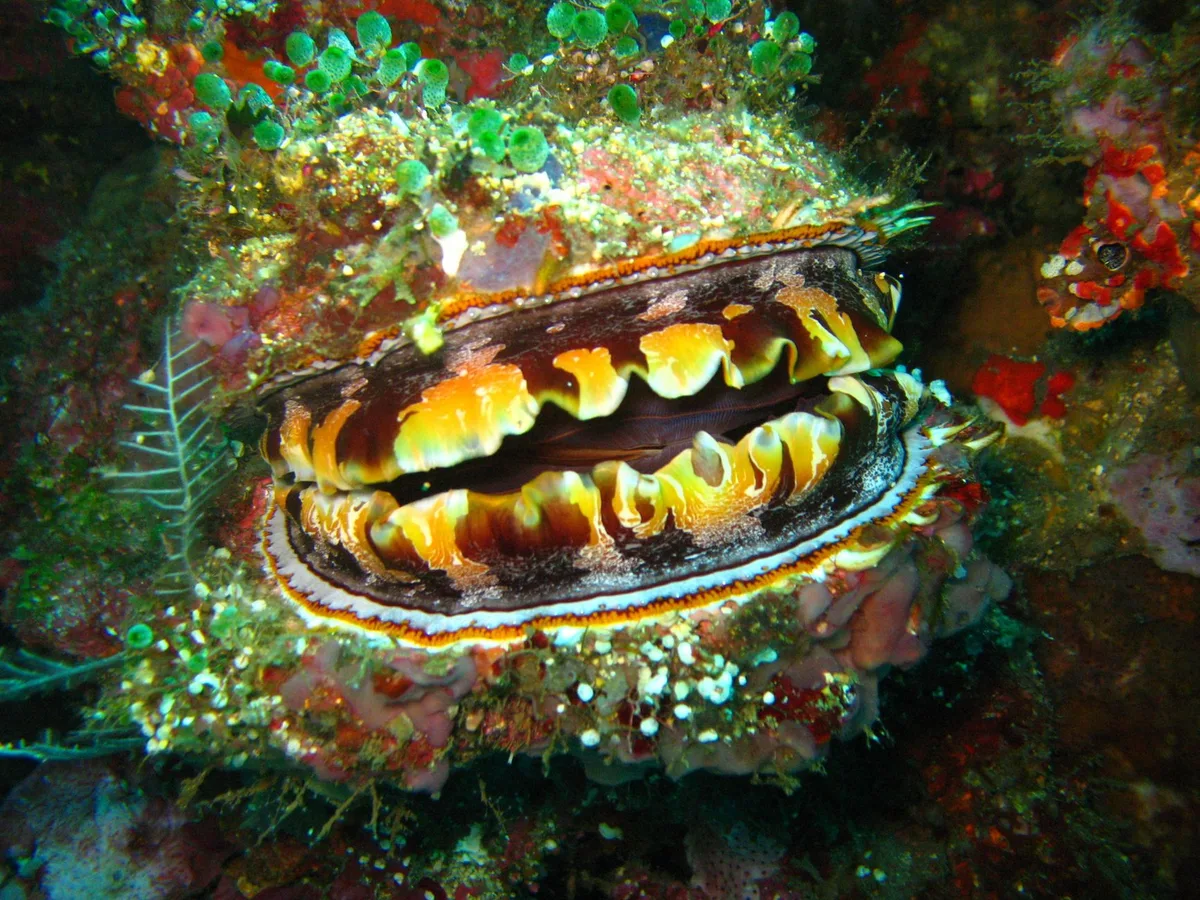
Oysters are filter feeders, meaning they draw water into their shells and extract suspended food particles, like plankton and algae, as well as other unwanted material. This process happens through a combination of their pumping action and the specialized structures within their gills. As water enters the shell, it flows over the gills, where sticky mucus traps food particles.
The oyster then moves this mucus with trapped food towards its mouth. Any particles that aren't consumed are often combined with waste products and expelled as pseudofeces, which are little packages of material that fall to the seabed. This continuous intake and expulsion cycles through their bivalve physiology help clarify the surrounding water column.

Features & Attributes: What Makes Them Filter Machines
Several key features contribute to an oyster's impressive filtration capacity. Their shell acts as a protective housing, but it's the internal biology that does the heavy lifting.
- Ciliary Action: Oysters have cilia, which are tiny, hair-like structures on their gills. These cilia beat rhythmically, creating a current that pulls water into the shell and helps move particles towards the mouth.
- Mucus Net: Gills are covered in a sticky mucus that traps food particles and other suspended debris. This mucus allows the oyster to efficiently collect what it needs to eat and what it needs to expel.
- Shell Pumping: While not a traditional "pump" like a mechanical device, the opening and closing of the oyster shell, along with the gill movement, facilitates significant water flow.
- Particle Size Range: Oysters can capture a wide range of particle sizes, from microscopic plankton to larger sediment particles, effectively cleaning the water of various impurities.
Data & Metrics: The Gallons Per Day Story
The most commonly cited metric for oyster filtration is the volume of water processed per day. Our aggregate research, drawing from numerous scientific studies and ecological assessments, confirms significant variability but establishes a strong baseline.
- Typical Range: Most adult oysters, depending on species and size, can filter 25 to 50 gallons of water per day.
- Maximum Potential: Under ideal conditions, such as optimal water temperature, salinity, and abundant food sources, very large oysters might approach or even exceed 100 gallons per day.
- Size Impact: Larger, mature oysters (like Eastern oysters, Crassostrea virginica) generally have a higher filtration rate than smaller, younger ones, simply due to their larger filtering apparatus.
- Environmental Factors: Filtration rates can be affected by water temperature; oysters filter more actively in warmer waters (typically 50-70°F or 10-21°C) and slow down considerably in colder temperatures.
These figures highlight the substantial role oysters play in maintaining water quality, especially when found in dense populations like oyster reefs.
Real Scenarios: Oysters in Action for Cleaner Coasts
Consider an oyster reef, which is essentially a living structure built from thousands of oysters over time. In a single day, a healthy, established reef can filter millions of gallons of water. This natural biofiltration has tangible benefits for coastal environments. For instance, in the Chesapeake Bay, restoration efforts involving oyster reefs have been shown to improve water clarity significantly.
Increased clarity allows sunlight to penetrate the water, which benefits seagrass beds, crucial habitats for many marine species.
The removal of excess nutrients, like nitrogen, by oysters is also critical. High nutrient levels can fuel harmful algal blooms, which deplete oxygen and create dead zones. By consuming these nutrients, oysters help mitigate the risk and severity of such events, acting as natural regulators of water quality. This ecological service makes them invaluable components of estuarine health in regions across the globe.